
British Figurative Oil Painting
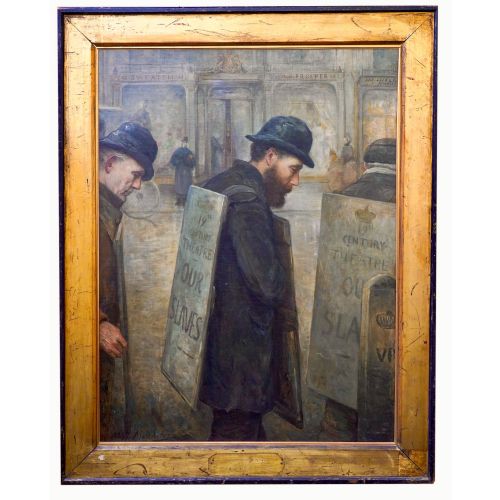
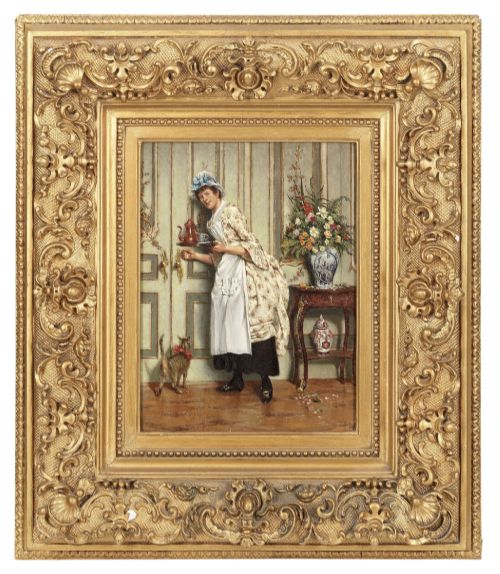
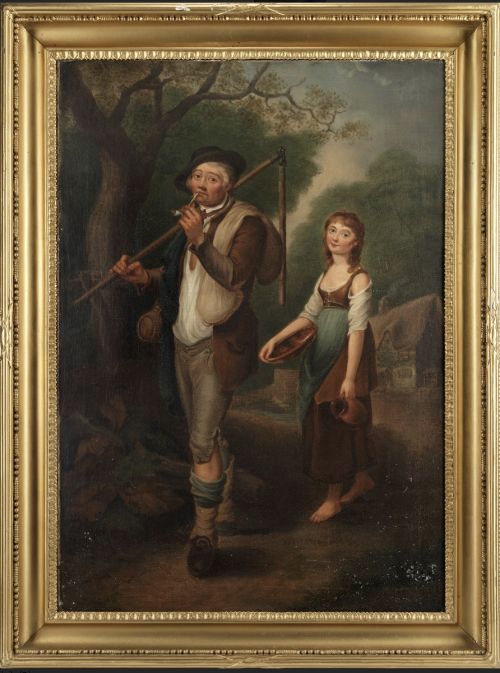
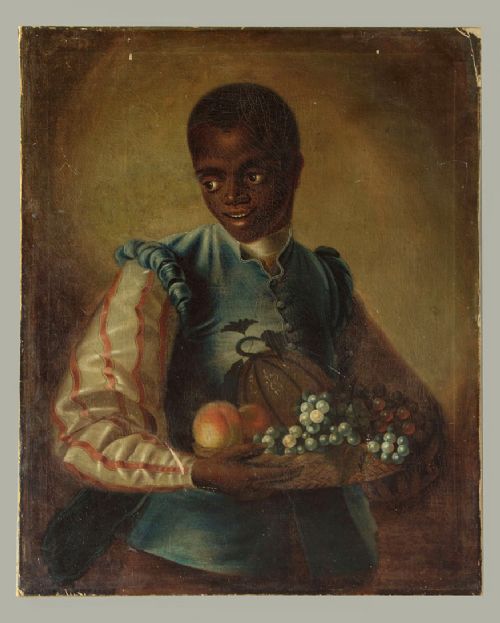
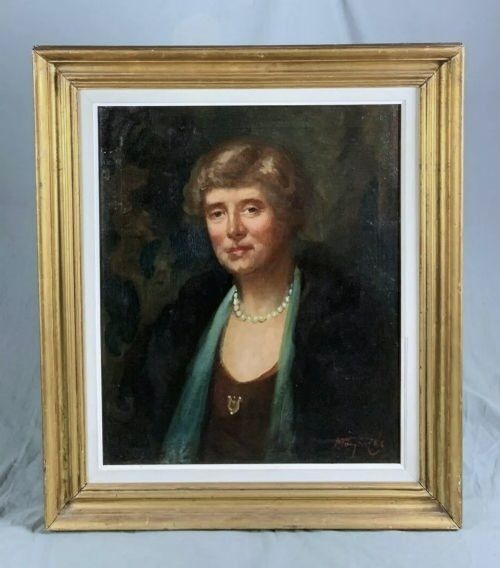
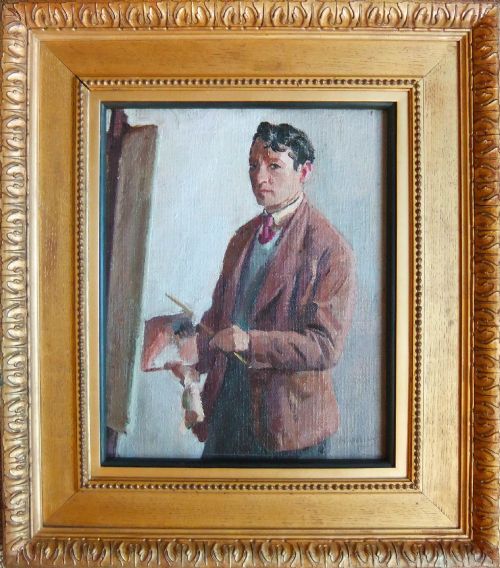
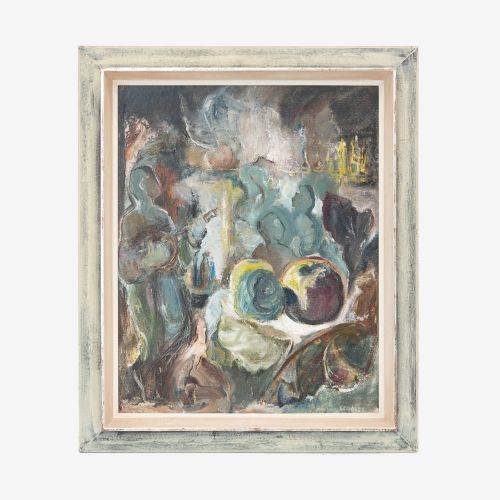
British figurative oil painting brings character and narrative into a room through oil paint applied to canvas, wood, linen and gesso.
British Figurative Oil Painting
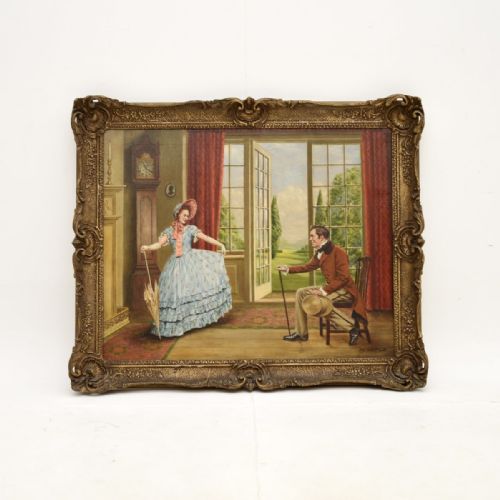
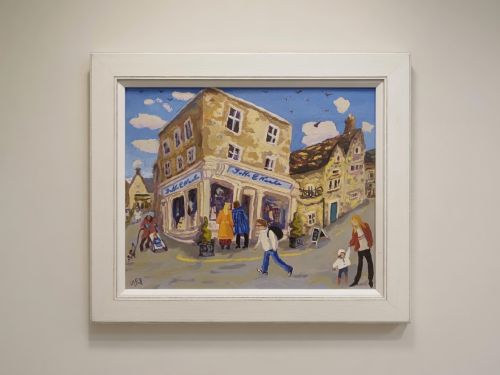
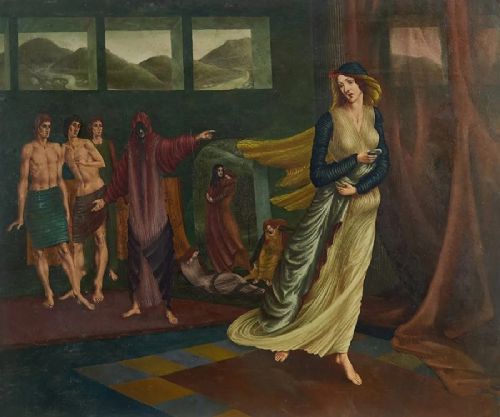
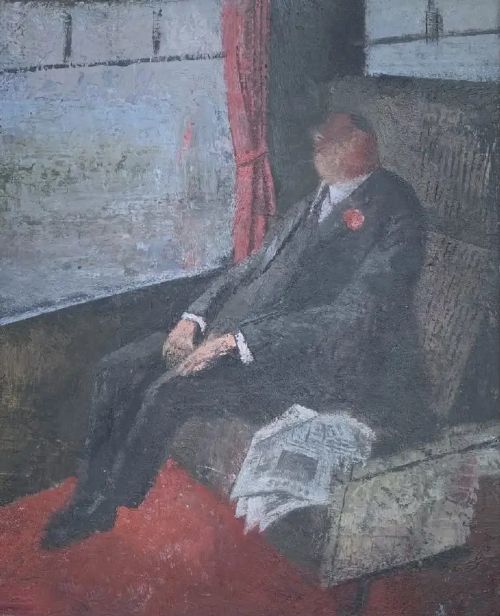
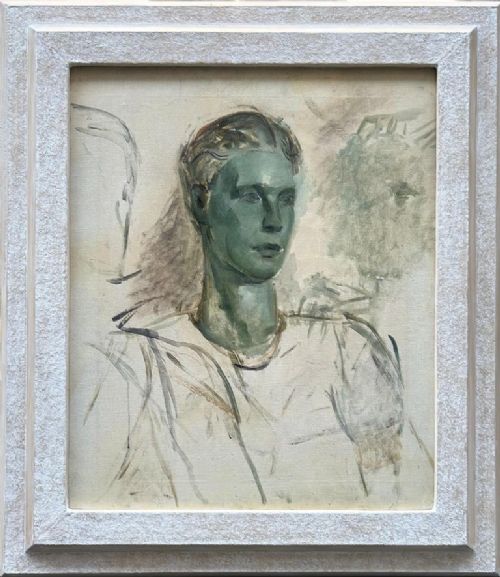
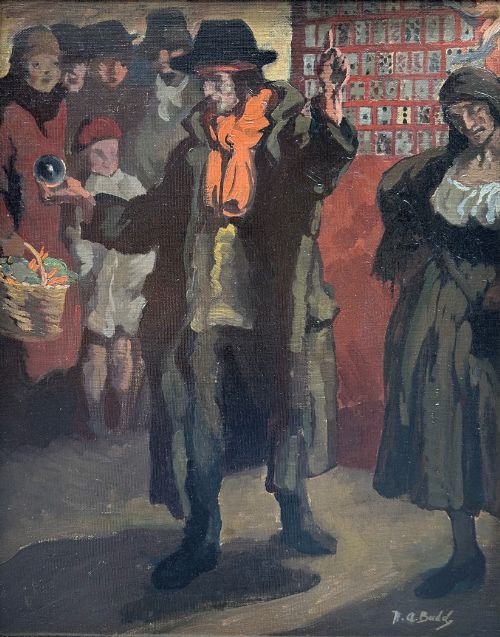
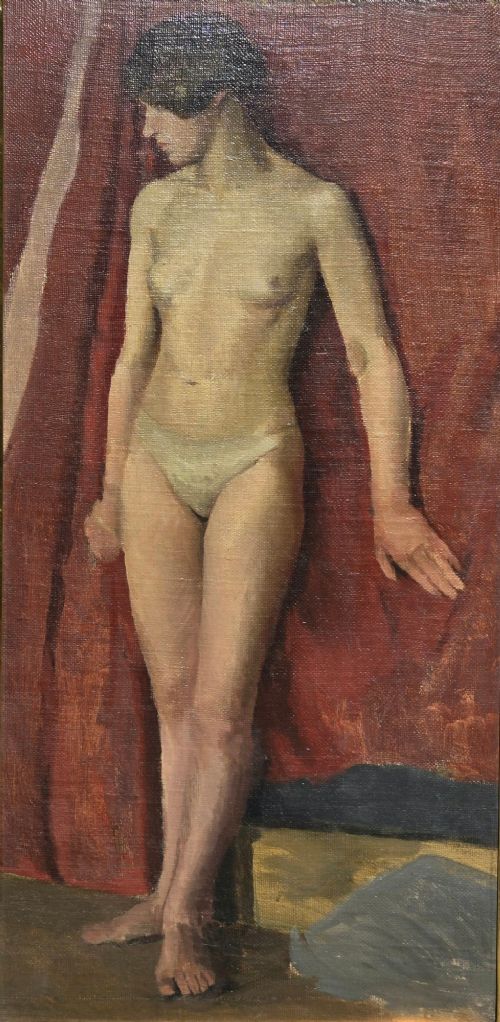
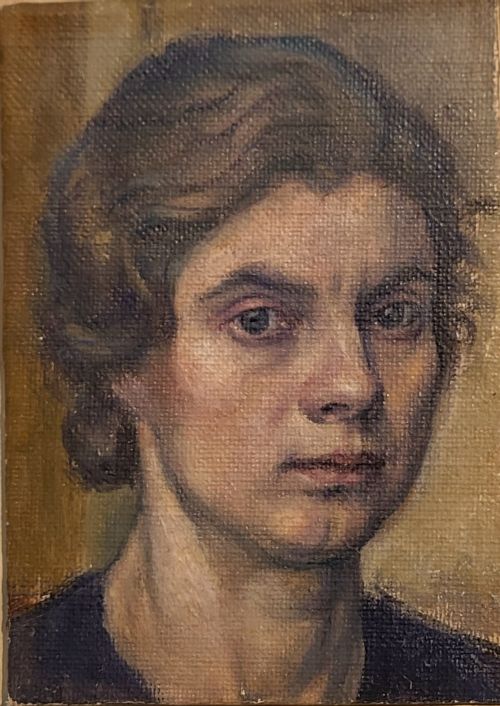
British figurative oil painting encompasses works spanning the Victorian, Edwardian and twentieth-century periods, capturing human subjects through traditional media. Buyers exploring this category encounter portraits, nude studies and domestic scenes executed by British artists.
Works appear on traditional supports including stretched canvas, wooden panels and linen boards. Each piece reflects the stylistic conventions of its era, moving from Victorian narrative detail to twentieth-century realism and impressionistic brushwork.
Materials and methods
Artists built these compositions using oil paint applied to prepared supports such as canvas, linen and wood. Priming layers including gesso provided a stable white ground that preserved the luminosity of the upper pigment layers over decades.
The application of oil paint allowed creators to manipulate tone, texture and transparency slowly across the surface. Brushwork ranges from tight academic precision in Victorian and Edwardian pieces to looser impressionistic strokes in later twentieth-century works.
British Figurative Oil Painting Retail Price Guide 2026
Typical asking prices for british figurative oil painting among the pieces listed under this phrase on Sellingantiques today, from the lower quarter to the upper quarter. They describe what is for sale here now, not the wider market.
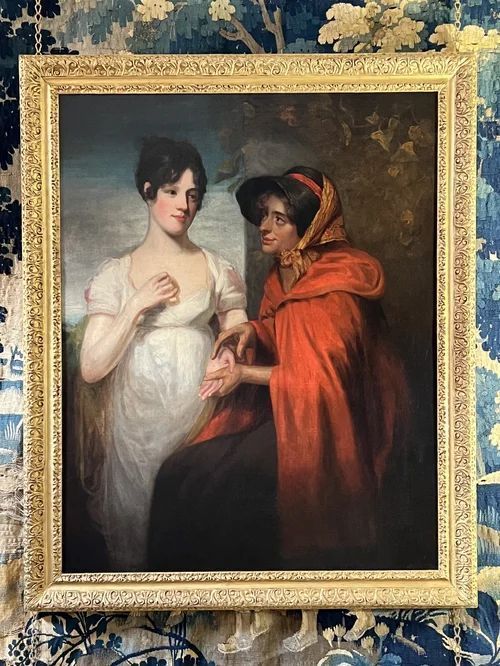
One young lady appears immortalised in oil while clutching a handful of marionettes, ready to pull strings across the decades.
Quality and execution
Distinction across the range rests upon the artist's handling of human anatomy, expression and light. Stronger works demonstrate confident draughtsmanship in the rendering of hands, faces and drapery, supported by a considered tonal balance.
The integration of the subject within its pictorial space separates proficient studio exercises from compelling artistic statements. Finer paintings capture psychological depth or atmospheric presence rather than relying solely on photographic reproduction of the sitter.
Philip Naviasky·James Clark·Roland Batchelor·Raymond Arthur Roadnight·Donald Wood·Harry J. Pearson
The British Figurative Oil Painting Glossary
- Canvas
- A heavy woven fabric stretched across a wooden frame to serve as a painting support. It provides a slightly flexible surface that responds well to layered oil paint.
- Gesso
- A traditional primer mixture of binder mixed with chalk or plaster applied to wood or canvas. It creates a smooth, absorbent ground for oil painting.
- Impressionism
- A style focusing on transient effects of light and spontaneous brushwork rather than detailed finish. Artists working in this manner prioritize overall atmosphere over sharp outlines.
- Realism
- An artistic approach dedicated to representing subject matter truthfully without artificiality. In figure painting, this involves precise attention to actual proportions and lighting.
- Academic
- Art created under the influence of European academies of fine art following strict rules of composition and draughtsmanship. Edwardian academic works adhere closely to these traditional standards.
British Figurative Oil Painting: Frequently Asked Questions
What is a British figurative oil painting?
These works are painted depictions of people created by British artists using oil-based pigments. They include portraits, nudes and narrative scenes.
Subjects range from Victorian genre pieces to mid-century modern character studies.
How do I care for an oil painting?
Keep paintings away from direct sunlight, high humidity and sudden temperature fluctuations. Dust the surface gently with a soft, dry brush.
Avoid using water, chemical cleaners or damp cloths on the paint or canvas.
How are canvas and wood panels different?
Canvas offers a woven texture and flexibility, whereas wood provides a rigid, solid support. Both require stable environmental conditions to prevent warping or cracking.
Wooden panels were frequently used in earlier periods before canvas became standard.
How do I identify Victorian and Edwardian works?
Victorian paintings often feature heavy narrative themes and tight, detailed brushwork. Edwardian pieces frequently blend academic precision with lighter impressionistic touches.
Costume, hair styling and framing styles also provide clear chronological clues.