
British Figurative Art
British figurative art records human presence across centuries through canvas, wood and paper.
British Figurative Art
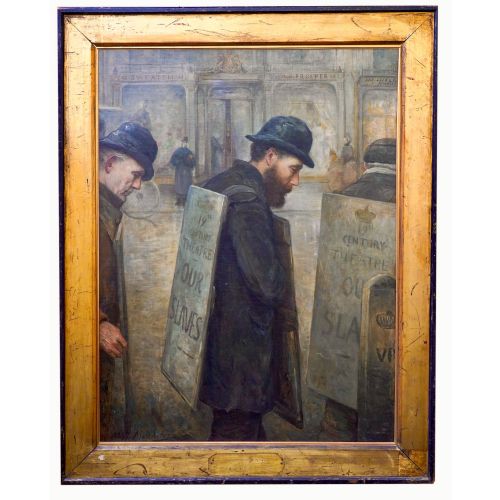
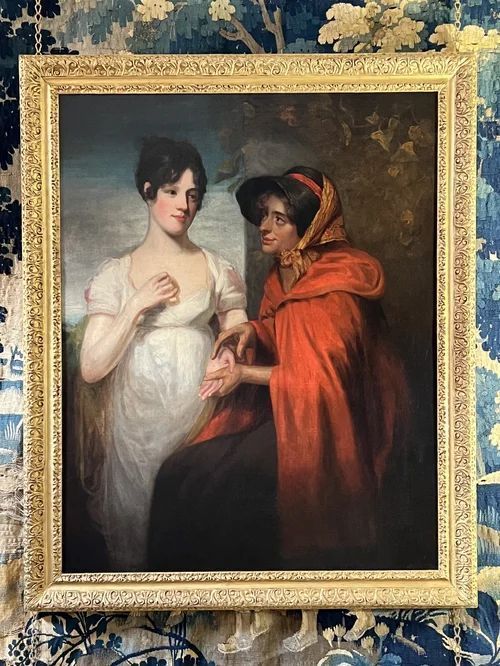
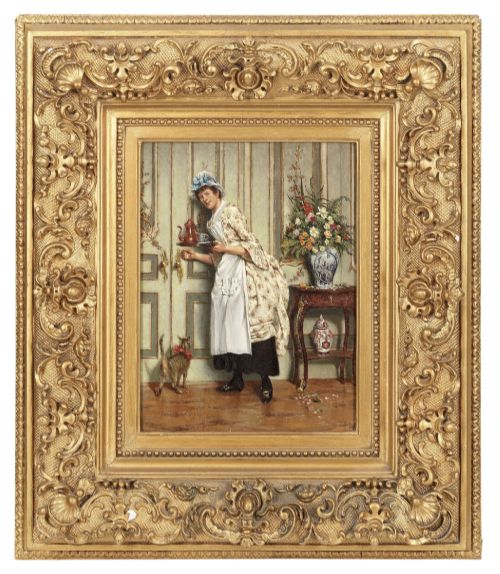
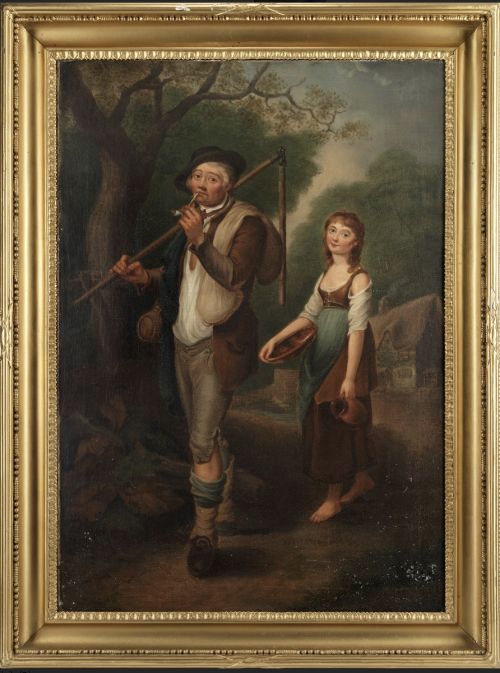
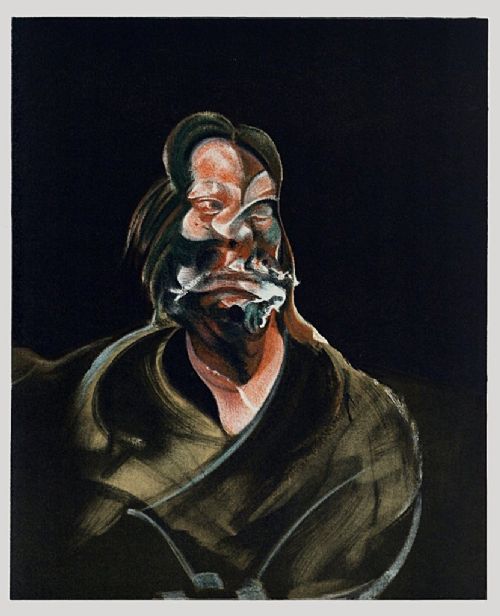
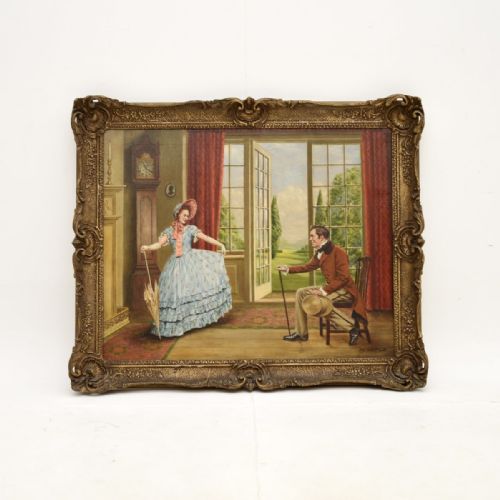
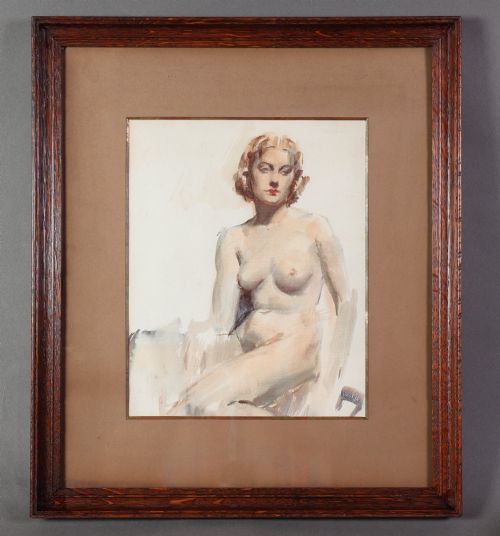
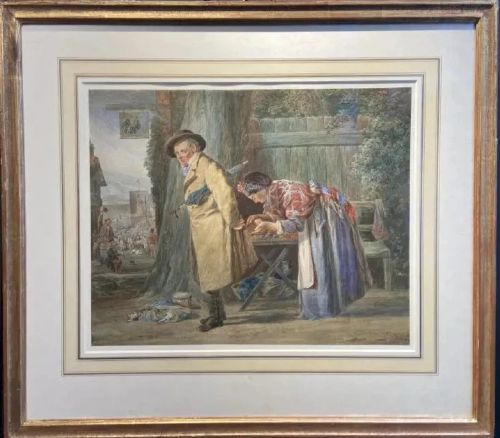
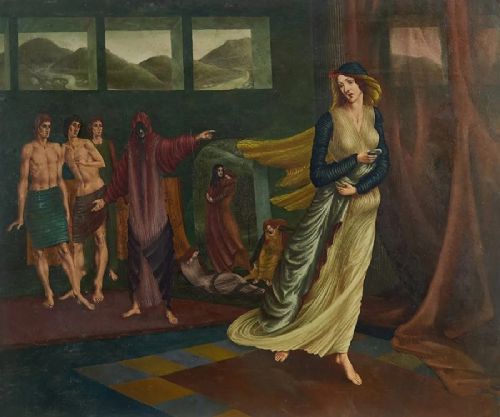
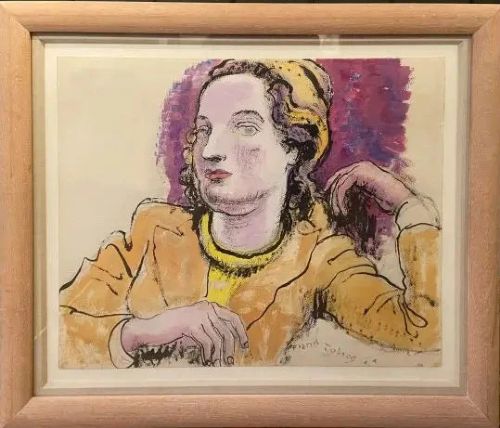
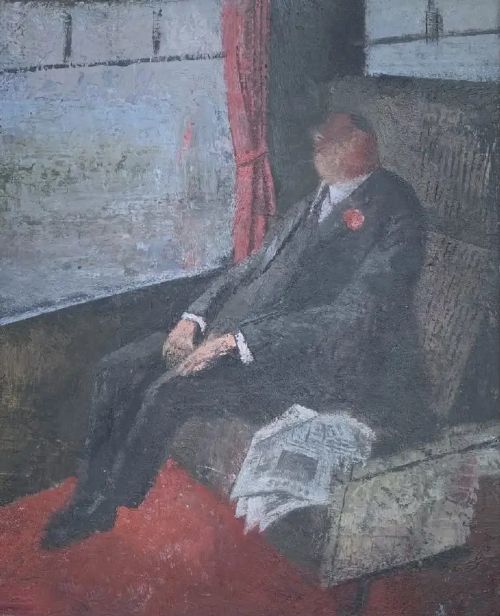
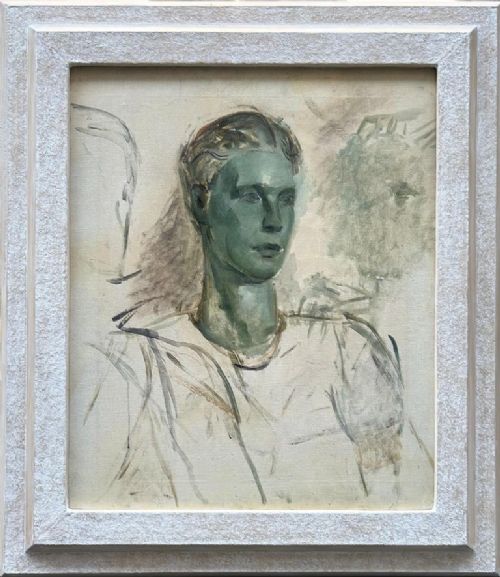
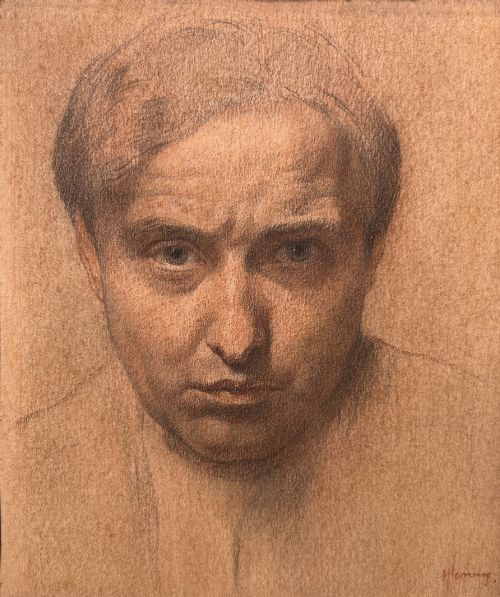
British figurative art encompasses paintings, prints and artworks that depict human figures, portraits and narrative scenes. The selection ranges from Victorian genre paintings and social history pieces to twentieth-century portraits and mid-century studies.
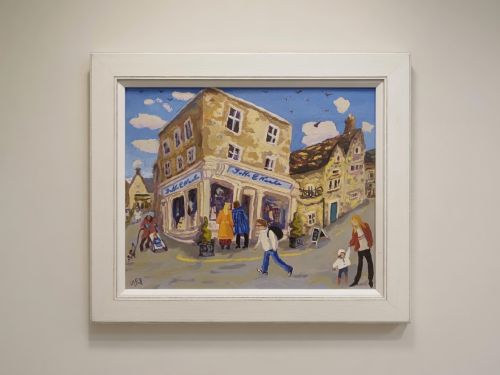
Buyers encounter works executed in oil paint, watercolour and lithography across periods spanning from the eighteenth century to the mid-twentieth century. The works include framed artwork, wall art and fine art paintings depicting domestic interiors, sitters and landscapes with figures.
Pieces frequently reflect specific movements such as Victorian Genre Realism, British Impressionism and Modern British art. Portraits of notable sitters and anonymous studies by the British School both feature prominently.
The spectrum of quality
Quality rests upon the artist's command of anatomy, expression and spatial composition within the figurative subject. Works by formally trained Royal Academy exhibitors demonstrate greater precision in handling light and character than anonymous studio pieces.
Condition of the canvas, paint layers and original framing influences the integrity of the piece over time. Conservation of the oil paint surface preserves the original depth intended by the painter.
Listings span from the eighteenth century to the mid-twentieth century, featuring oil paint, watercolour, canvas, paper and giltwood frames.
Felix Stone Moscheles·John Opie·Stephen Samuel Lewin·Thomas Barker of Bath·Francis Bacon·Alfred Lyndon Grace·Lucy Pratt·Frank Dobson·James Stroudley·Herbert Ashwin Budd·Herbert Johnson Harvey·Winifred Rymer·Charles James McCall·Percy Lancaster·Philip Naviasky·Lilian Colbourn·Ronald Ossory Dunlop·Charles Edward Wilson·Harry Brooker·Byam Shaw·Margaret Maitland Howard·Harry Freckleton·Allan Douglas Davidson·Gertrude Halsband·Septimus Scott
The British Figurative Art Glossary
- Genre painting
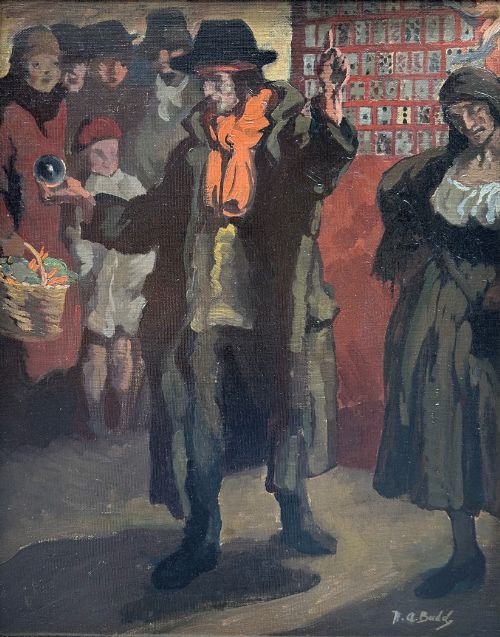
- Depiction of aspects of everyday life by subjects from ordinary life, often narrative in nature. These scenes capture domestic interiors, street sellers and rural pastimes.
- Oil paint
- A type of slow-drying paint consisting of particles of pigments suspended in a drying oil. It allows artists to blend tones and build rich surface textures.
- Gesso
- A paint mixture consisting of a binder mixed with chalk, gypsum or pigment used to prepare a substrate for painting or gilding. It provides a smooth base for wooden frames and panels.
- Lithography
- A planographic printing process based on the repulsion of oil and water. Artists draw directly onto limestone or metal plates to produce multiple impressions on paper.
- Mid-Century British
- A design and art movement spanning the middle decades of the twentieth century. Works from this period often display modernist tendencies while retaining figurative elements.
British Figurative Art: Frequently Asked Questions
What defines British figurative art?
British figurative art encompasses paintings, prints and drawings created in Britain that focus on human subjects, portraits and narrative scenes. The category bridges historical portraiture and twentieth-century modernist studies.
Works range from nineteenth-century genre paintings documenting daily life to post-war studio nude studies.
How should I care for oil paintings?
Oil paintings require stable indoor humidity away from direct sunlight to prevent the canvas and paint layers from cracking. Dust the surface gently with a soft, dry brush without applying pressure.
Avoid using liquid cleaners on the paint or giltwood frames to preserve the original materials.
What is a genre painting?
A genre painting depicts scenes from everyday life, such as market sellers, domestic interiors or children playing. These works offer a window into the social history and daily routines of past eras.
Artists focused on narrative and character rather than formal portrait commissions.
How do I identify the period of a work?
Periods are identified through stylistic markers, artist signatures, framing materials and canvas preparation techniques. Victorian and Edwardian works often feature detailed narrative realism, while 1930s and 1950s pieces show modernist simplification.
Examine biographical records of listed artists to narrow down creation dates.