






British Coastal Seascape
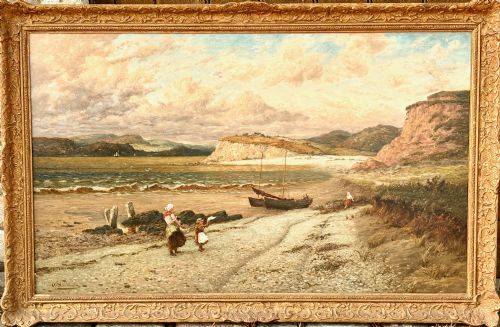
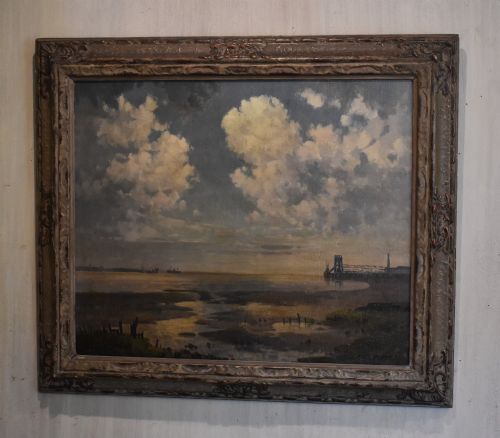
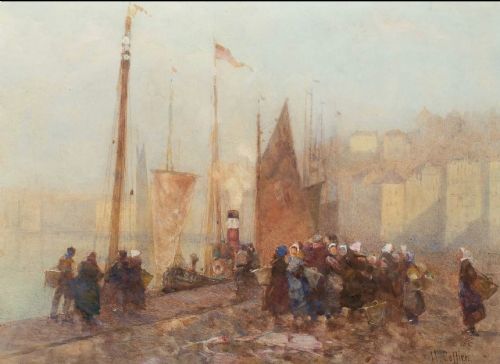
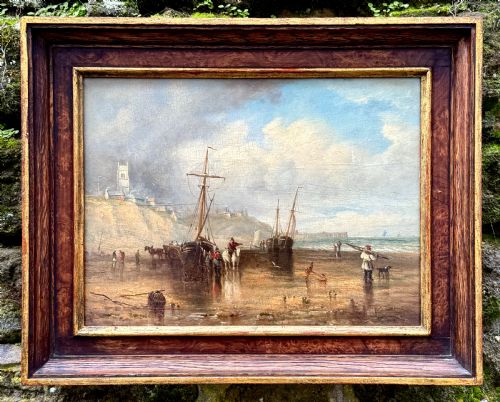
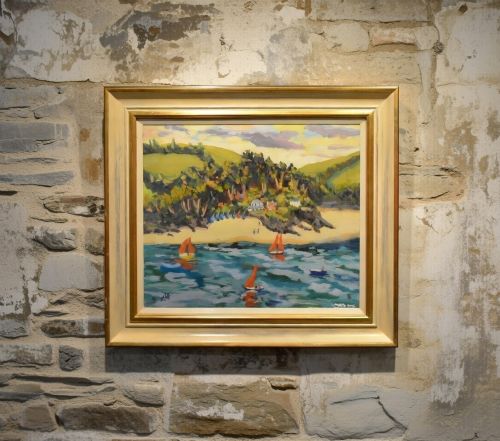
A british coastal seascape captures the shifting light and maritime life of the shore through nineteenth-century watercolours and mid-twentieth-century oils.
British Coastal Seascape
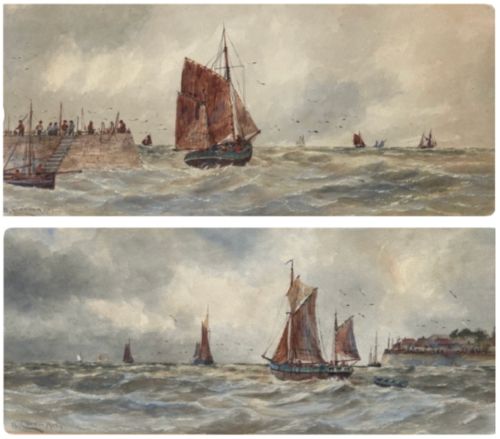
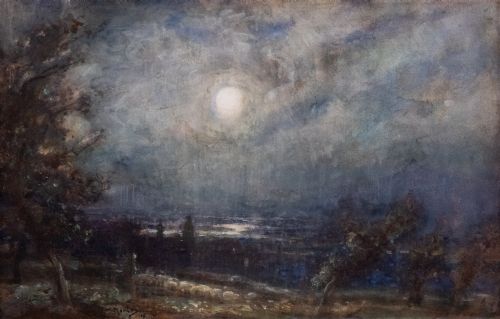
A british coastal seascape records the shores, harbours, and fishing boats of Britain across the Victorian era and into the twentieth century. These works range from detailed nineteenth-century watercolours of coastal towns to atmospheric oils painted en plein air.
Most pieces encountered here date from the Victorian period through to the mid-twentieth century, featuring identifiable locations such as St Ives, Whitby, and the Norfolk coast. The subjects span busy fishing harbours, quiet estuaries, and open maritime views under varied weather.
The category encompasses both finished studio paintings and direct watercolours, reflecting how artists observed the changing tides and coastal trade of Britain.
How They Were Made
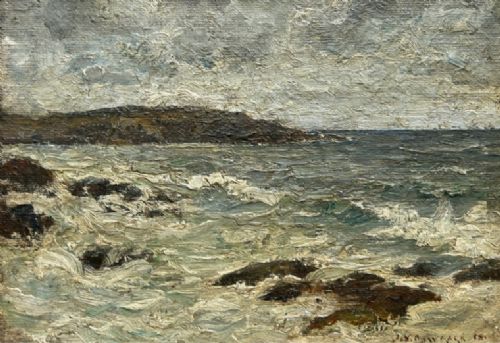
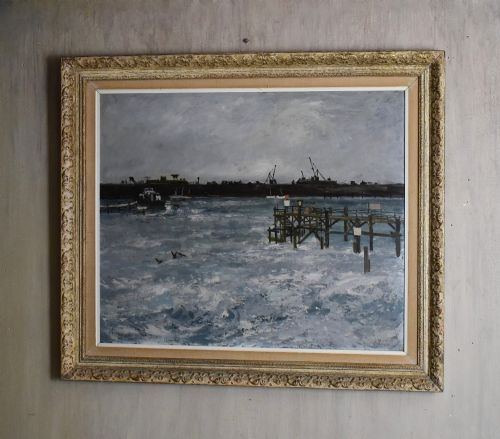
Painters utilised watercolour pigment on paper for luminous, portable studies of light and tide, often capturing harbour scenes directly from the quayside. Others worked with oil paint on canvas, board, or card, building rich impasto textures to render stormy seas and rocky cliffs.
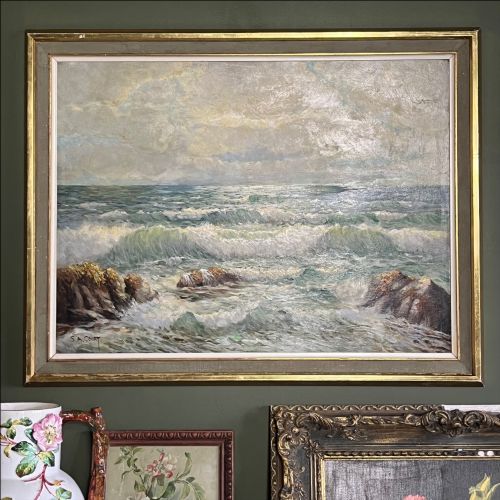
Framed watercolours typically relied on washes applied to paper to achieve transparent effects of sea and sky, whilst oil paintings employed layered brushwork to capture the weight of coastal weather and the surface of the water.
Listings feature works spanning the nineteenth century through the 1960s, executed in oil and watercolour on paper, canvas, and board.
What Varies in Quality
The strength of a piece lies in the artist's handling of light, atmosphere, and coastal topography rather than the mere recording of a scene. Superior works demonstrate a confident command of medium, whether through the fluid transparency of a watercolour wash or the tactile application of oil paint.
Provenance and a securely attributed hand elevate certain works, particularly those executed by artists associated with recognised regional schools or exhibited during their lifetime.
Kenneth Cozens·James Orrock·William Cannon·Clifford Hanney·Sidney A Court·Edward Mills·William Banks Fortescue·Thomas William Morley·Clive Browne·Peter Brannan·Hector Caffieri·Bernard Benedict Hemy·Thomas Creswick·Lucy Pratt·James Fry·Ethel Sands·TB Hardy·Cecil Allan Mould·John Wilson Carmichael·William Matthison·William Henry Williamson·John Holland·Frank Kelsey·Henry Barlow Carter·William Frederick Settle
The British Coastal Seascape Glossary
- Watercolour pigment
- A finely ground colour mixed with a water-soluble binder, applied to paper to create transparent washes of tone.
- En plein air
- The practice of painting outdoors directly from the subject to capture natural light and transient weather conditions.
- Impasto
- Paint applied thickly to a canvas or board, leaving visible brush or palette knife marks that catch the light.
- Maritime
- Pertaining to the sea, shipping, and coastal navigation, often featuring vessels actively working the water.
British Coastal Seascape: Frequently Asked Questions
What subjects appear in these seascapes?
These works focus on British coastal life, depicting fishing boats, bustling harbours, and quiet sandy bays. Common motifs include sailing vessels negotiating coastal waters and views of cliffs and estuaries.
Artists frequently recorded specific regional locations, documenting maritime activity and coastal architecture from Cornwall to the north of England.
How do watercolours and oils differ?
Watercolour paintings utilise transparent pigments on paper to achieve bright, luminous effects particularly suited to capturing changing coastal light and sky. They were often painted on location as direct observations of weather and tide.
Oil paintings employ heavier pigments on canvas or board, allowing artists to build textured surfaces that convey the movement of stormy seas and the weight of maritime atmospheres.
Where were these coastal views painted?
The works record coastlines across Britain, with particular concentrations around Cornish art colonies like St Ives, Yorkshire fishing ports such as Whitby, and the Norfolk Broads. Coastal inlets and river estuaries in Dorset and Devon also feature prominently.
Many pieces document working ports and local shipping routes that were central to nineteenth- and twentieth-century maritime trade.
How should I care for an antique painting?
Keep works away from direct sunlight to prevent fading in watercolours and yellowing in older varnishes. Maintaining a stable indoor environment protects both paper and canvas from excessive moisture.
Ensure framed pieces remain properly sealed at the back and hang them away from direct sources of heat.