


1930s British Watercolour
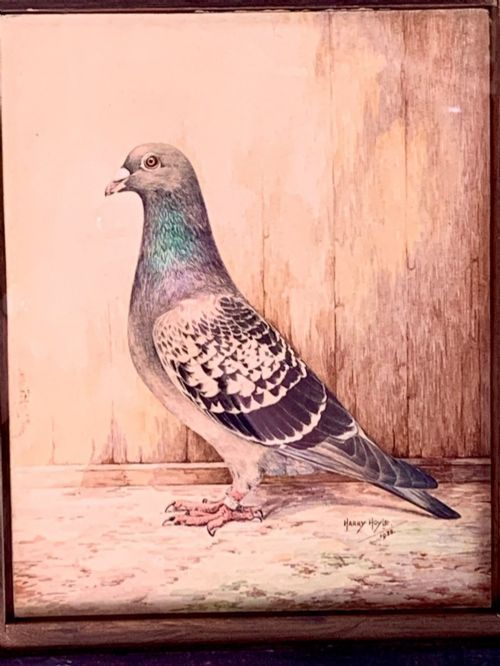
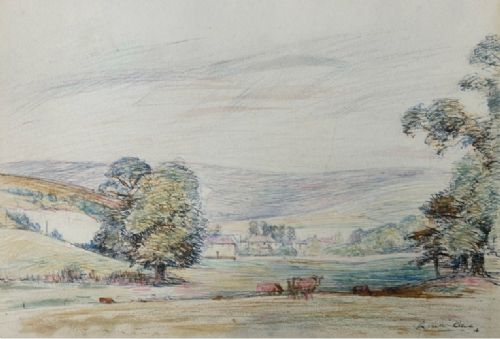
These 1930s british watercolour works capture pastoral scenes, historic castles and coastal towns with delicate pigment on paper.
1930s British Watercolour
A 1930s british watercolour brings home the specific light and atmosphere of the English countryside and northern towns during the interwar period. These works record rural valleys, quiet farms and stone bridges from Shropshire to Yorkshire.
The pieces on this page include pastoral landscapes with cows, townscapes of places like Lincoln and Whitby, and architectural studies such as Ludlow Castle. Artists applied pigment and ink to paper, often framing the results behind glass in wood surrounds.
Most examples date firmly from the early thirties, reflecting prevailing styles like 20th Century British Realism and Art Deco touches. They offer an intimate view of Britain between the wars through the medium of watercolour paintings.
How they were made
Painters worked primarily with watercolour pigment on paper support, sometimes combining graphite and pen and ink to define outlines and architectural details. Gouache also appears in these compositions to build opaque highlights and denser areas of colour.
Finished sheets required protection behind glass within wooden framing to shield the water-soluble pigments from moisture and light damage. Artists signed many of these works directly on the paper surface.
The documented periods span the 1920s, 1930s, and 1940s, reflecting early twentieth-century British realism and landscape traditions.
What varies in quality
The strength of the composition and the confidence of the brushwork separate standard topographical records from more accomplished artistic interpretations. Stronger pieces display a distinct handling of light on landscapes and townscapes rather than rigid technical drawing.
Condition plays a major part in evaluation, particularly regarding the preservation of the original paper support and the vibrancy of the pigments. Intact framing and clear signatures by known regional painters elevate individual works.
Russell Sidney Reeves·Samuel Timmins·Fred Lawson·Rowland Henry Hill
The 1930s British Watercolour Glossary
- Watercolour
- A paint consisting of pigment suspended in a water-based solution. It is applied to paper to create transparent layers of colour.
- Gouache
- An opaque water-based paint containing pigment and a binding agent, mixed with white to create solid, heavier highlights.
- Graphite
- A form of carbon used to create preliminary sketches and underdrawings beneath watercolour paint.
- Pastoral landscape
- An artistic genre depicting rural life, fields, farmhouses and countryside scenery in a peaceful manner.
- Townscape
- A painting or drawing focused on urban views, streets, historic buildings and town architecture.
1930s British Watercolour: Frequently Asked Questions
How should I display a 1930s watercolour?
Keep watercolour paintings away from direct sunlight to prevent the pigments from fading over time. Hanging them on interior walls with stable humidity protects the paper and the wooden frames.
Ensure the glass does not touch the painted surface directly to avoid condensation damage. Proper placement preserves both the paper and the original ink or pigment.
What subjects appear in these paintings?
The subjects range from quiet rural pastures with livestock to bustling northern townscapes and historic castles. Artists of this decade frequently recorded English and Welsh countryside landmarks.
Views of Yorkshire, Shropshire and Lincolnshire recur across these compositions. They document specific regional architecture and rural life during the interwar years.
How do I identify a 1930s style?
Interwar British watercolours often blend traditional realism with subtle modernist or Art Deco influences. Artists focused on clean lines and distinct atmospheric lighting in their landscapes.
Signatures, dates on the mount or backing, and specific regional subject matter help confirm the period. The handling of watercolour pigment matches techniques popular among British artists of that decade.
Are these works usually framed?
Many examples retain their original or period wooden frames with protective glass. These surrounds help shield the delicate paper and water-soluble pigments from environmental wear.
Checking the framing materials provides additional context about how the piece was stored and exhibited. The combination of paper, pigment, and wood forms the standard construction for these works.