





British Baroque Artwork
British baroque artwork brings grand seventeenth and eighteenth-century portraiture into your rooms, offering monumental presence through oil on canvas and heavy giltwood frames.
British Baroque Artwork
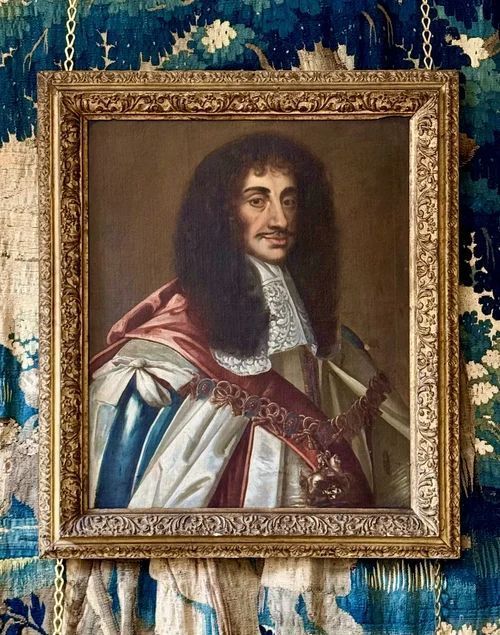
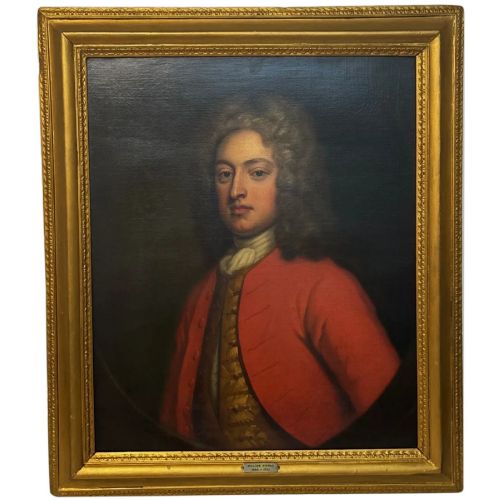
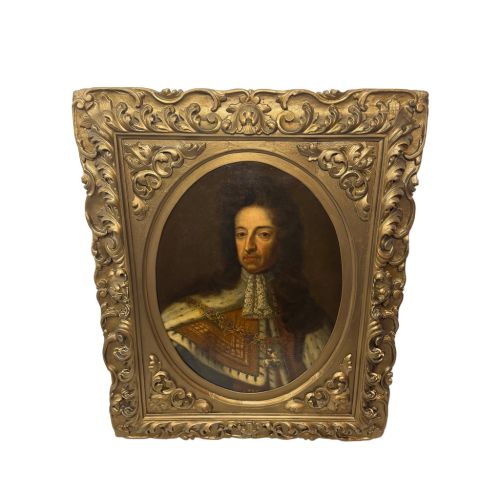
British baroque artwork comprises oil paintings from the seventeenth and eighteenth centuries, capturing royalty, aristocracy and notable scholars in elaborate attire. These pieces reflect the grandeur of the Stuart, Restoration and Georgian eras through dramatic portraiture.
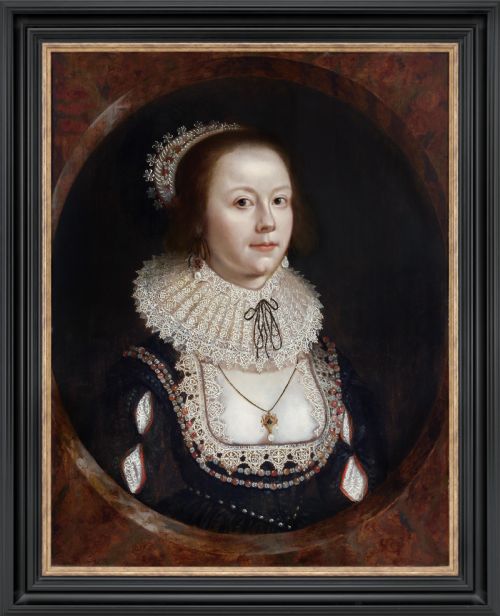
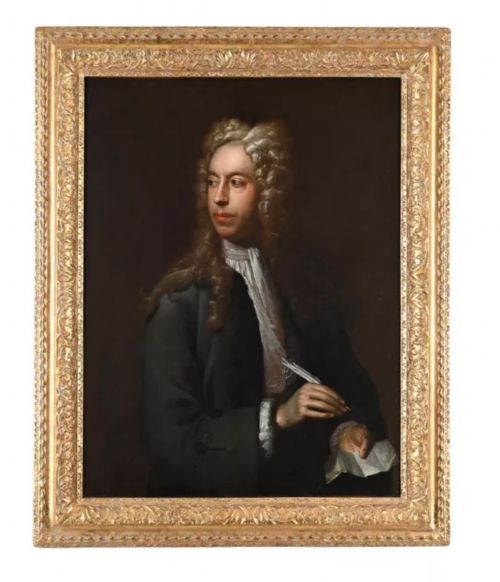
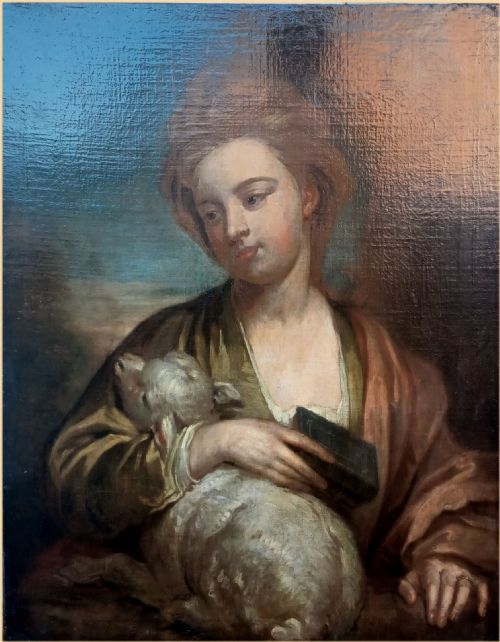
The works you encounter here span oil on canvas and oil on panel, rendered in baroque, jacobean and restoration styles. Subjects range from crowned monarchs and military officers to ladies adorned in lace and silk gowns.
Originating from British studios and circles of prominent painters, these paintings present formal compositions that define the visual culture of early modern Britain.
How they were made
Painters built these works using oil paint applied to canvas or wood panel, employing rich pigments to capture the texture of velvet, satin and lace. Canvases received preparatory grounds before artists layered oil colours to achieve depth and luminosity.
Frames play an integral role in the presentation of these paintings, constructed from timber and finished with gold leaf or giltwood. Carved gesso and gilded timber mouldings complement the formal gravity of the canvas within.
Several portraits preserve the intense gazes of subjects who stared steadfastly at painters while wearing elaborate lace, velvet and heavy wigs.
What varies in quality
The strength of the portraiture rests on the handling of facial expression, hands and drapery, where master hands achieve distinct psychological presence and tactile realism. Studio replicas and circle pieces display varying degrees of confident brushwork compared to prime originals.
The preservation of the paint surface and the originality of the historic giltwood frame significantly shape the standing of a piece. Intact brushwork without heavy overpaint preserves the original vitality intended by the painter.
Sir Peter Lely·Cornelius Johnson·Michael Dahl·John Greenhill·Mary Beale·Thomas Murray·Johann Kerseboom·Sir Godfrey Kneller·Henry Stone
The British Baroque Artwork Glossary
- Baroque
- A style of European art spanning the seventeenth and early eighteenth centuries, characterised by drama, tension and grandeur. In British painting, this translated into solemn yet opulent portraiture.
- Giltwood
- Timber carved and coated with gold leaf or gold paint. These heavy frames define the visual boundary of baroque paintings.
- Oil on Canvas
- Pigment mixed with drying oil applied to a woven fabric support. This technique allowed artists to create rich textures and subtle tonal shifts.
- Restoration Stuart
- The period following the return of the monarchy in 1660, fostering a renewed appetite for magnificent court portraiture. Artists of this era recorded the fashions and personages of the restored court.
- Circle of
- A term used when a painting originates from an artist's immediate milieu or workshop. It denotes a hand closely influenced by a master's style and technique.
British Baroque Artwork: Frequently Asked Questions
What is British baroque artwork?
These pieces are oil paintings created in Britain during the seventeenth and eighteenth centuries, focusing primarily on portraiture of nobility and prominent figures.
They capture the aesthetic of the baroque, jacobean and georgian styles, executed on canvas or panel.
How were these portraits used?
Historic sitters commissioned these grand paintings to project status, lineage and authority in country houses and town residences.
They hung in galleries and formal reception rooms to impress visitors and document family dynasties.
How do I live with oil paintings?
Keep these works away from direct sunlight and sudden shifts in temperature to protect the canvas and oil paint.
Pair them with traditional interiors where their dark grounds and gilded frames can anchor a room.
How are periods told apart?
Seventeenth-century works often feature rigid lace collars and stiff formal poses associated with the Stuart court.
Eighteenth-century examples transition towards looser silk drapery and softer lighting characteristic of the Georgian era.