




Antique Panel Painting Lady
These antique panel painting lady works combine portraiture with rigid supports, offering centuries of character.
Antique Panel Painting Lady
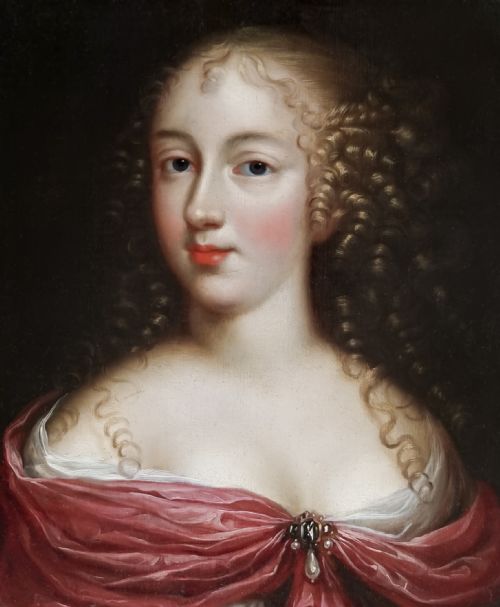
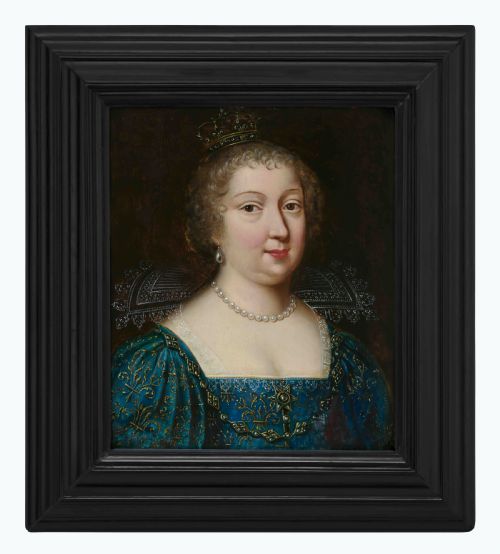
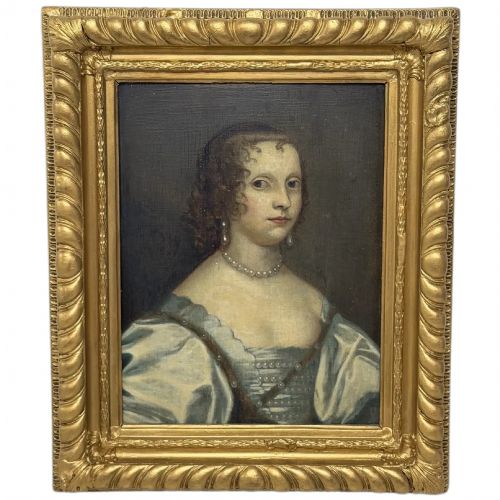
When you search for an antique panel painting lady, you encounter portraits executed on rigid supports rather than flexible canvas. These works span from the seventeenth century through the Victorian era, depicting subjects ranging from noblewomen to domestic figures in interiors.
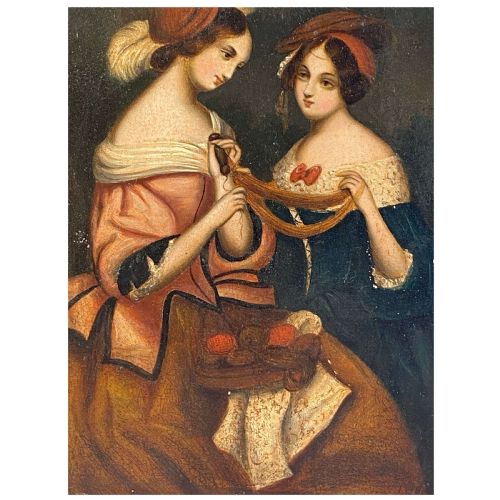
The most frequent pieces on this page are oil paintings on wood panels dating to the seventeenth and nineteenth centuries. You will also find miniature works, interior genre scenes, and occasional writing desks incorporating decorative panels depicting female figures.
Materials and Techniques
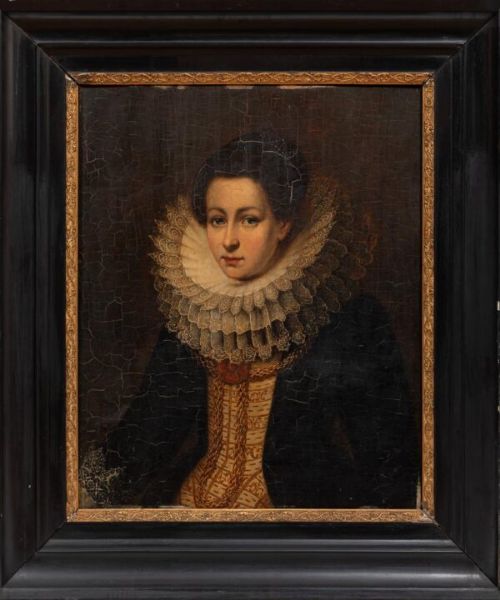
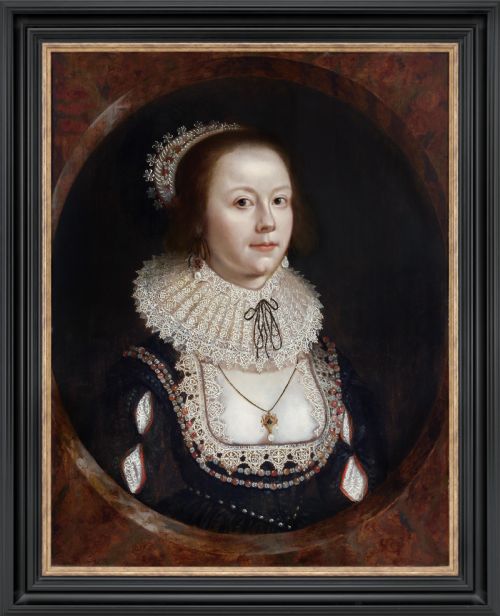
Artists painted portraits of ladies using oil and watercolour pigments applied directly to wooden panels, oak boards, zinc, or metal supports. These rigid grounds provided a smooth, stable surface for intricate detail work on lace collars, jewels, and sumptuous attire.
Framing and mounting varied according to period, utilising ebonised wood, decorative gilt frames, and brass or ormolu mounts integrated into fine furniture. Some nineteenth-century examples incorporate specialised varnishes or miniature formats on ivory.
One lady enjoys a quiet moment feeding pigeons in the hearth.
Judging Quality
Quality rests upon the fineness of the brushwork and the preservation of the painted surface across the wooden panel. Superior portraits display masterly rendering of facial expression, costume textures, and delicate details like lace and ruff collars.
The integrity of the underlying panel and the depth of the composition distinguish finer examples. Works attributed to established schools or named circles demonstrate superior draughtsmanship compared to simpler decorative pieces.
Pierre Mignard·Cornelius Johnson·Balthasar Denner·William Oliver·Robert W Wright·Walter Emsley
The Antique Panel Painting Lady Glossary
- Wood Panel
- A flat piece of timber used as a rigid support for painting instead of canvas. Oak and other hardwoods provided stability for centuries of portraiture.
- Oil Paint
- Pigment mixed with drying oil that allows for rich colour blending and fine detail. It remains the primary medium for historical portraits.
- Miniature Painting
- A small-scale portrait requiring precise, delicate brushwork. These works often appeared on ivory or metal supports during the nineteenth century.
- Ruff Collar
- A prominent, elaborately pleated stiffened collar worn in the sixteenth and seventeenth centuries. Its intricate folds test the skill of the portrait painter.
Antique Panel Painting Lady: Frequently Asked Questions
How do I care for a wood panel painting?
Keep the painting away from direct sunlight, radiators, and damp environments to prevent the wood from warping or cracking. Stable room temperatures protect both the timber support and the oil pigments.
Dust the surface gently with a soft, dry brush and avoid using liquid cleaners or household solvents on the painted area.
What periods do these panel paintings cover?
The available works span several centuries, with a strong concentration of seventeenth-century portraits and nineteenth-century interpretations. Earlier pieces reflect Baroque and Jacobean styles, while later examples embrace Victorian and Aesthetic movements.
Examining the costume, framing, and panel preparation helps determine the exact era of each specific portrait.
Are all these paintings on wood?
While wood panels and oak boards form the majority of the supports, other materials appear across the collection. Artists occasionally utilised zinc panels, metal supports, tin, and ivory for miniature works.
Some nineteenth-century pieces integrate painted panels into decorative furniture such as writing desks and cabinets.
How can I tell who the sitter is?
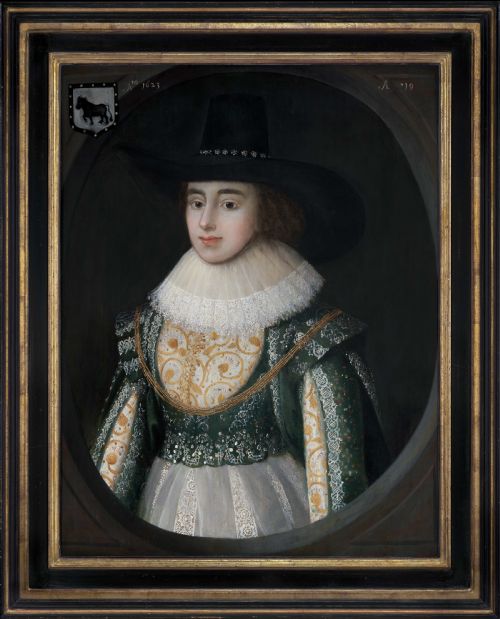
Sitters are sometimes identified through historical inscriptions, accompanying records, or distinct heraldry within the composition. Many portraits depict named nobility, while others represent anonymous ladies in period attire.
Costume details like ruffs, lace caps, and evening gowns offer strong clues to the decade in which the portrait was painted.