


British Art Portrait Watercolour
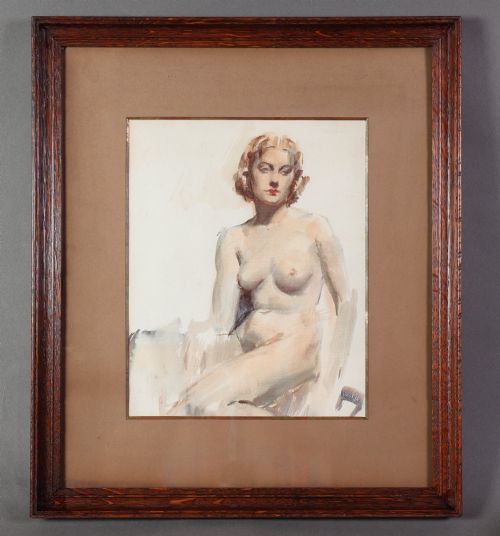
British art portrait watercolour works capture likenesses across centuries through delicate pigment washes on paper.
British Art Portrait Watercolour
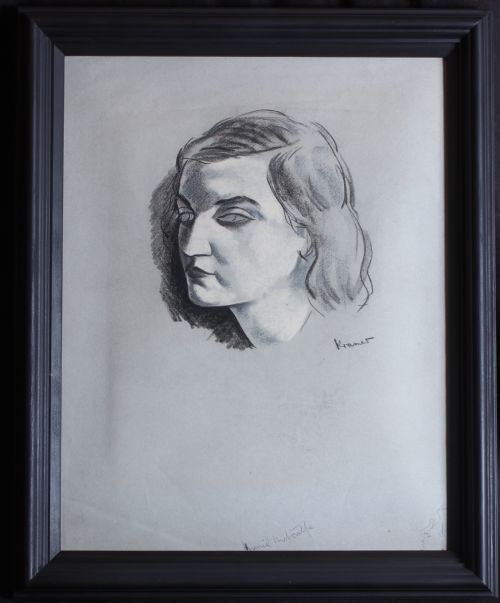
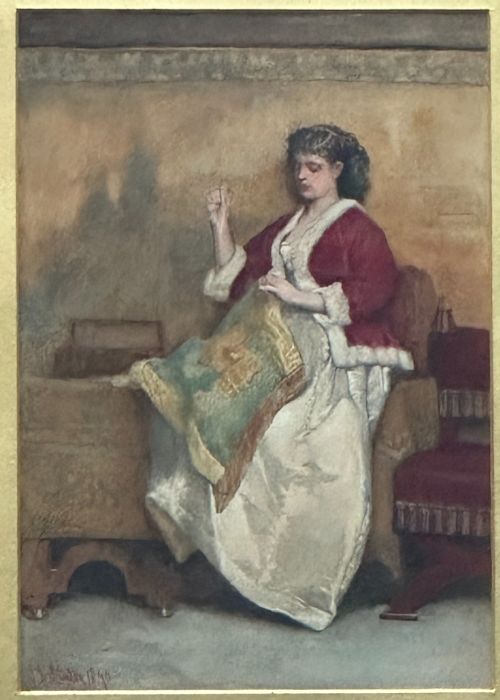
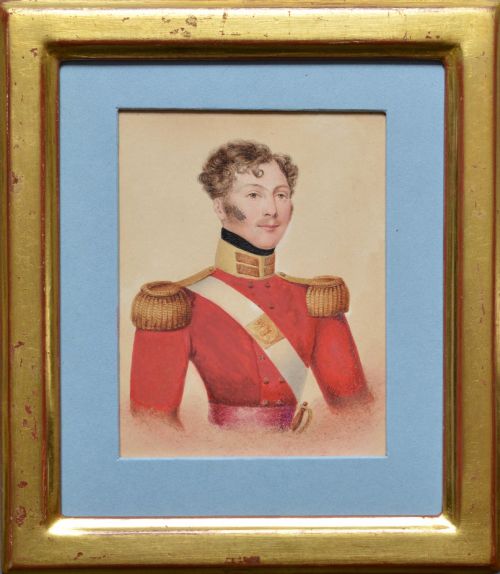
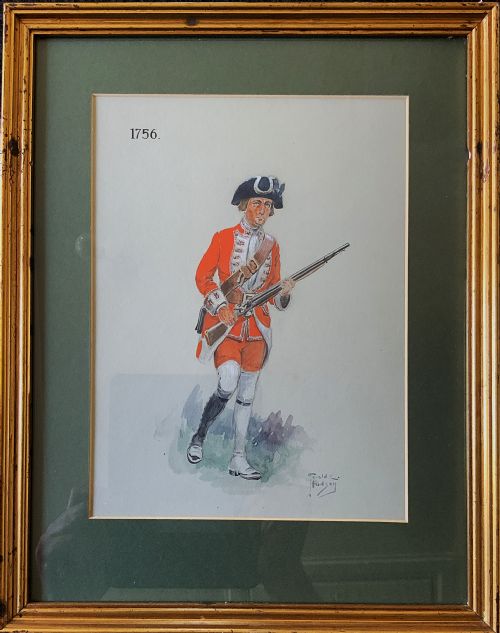
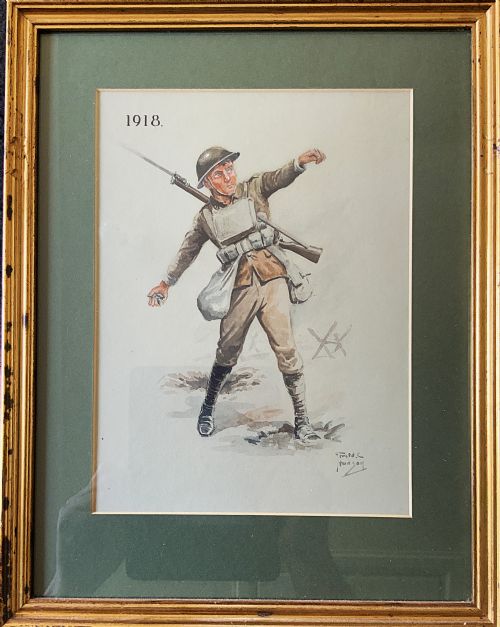
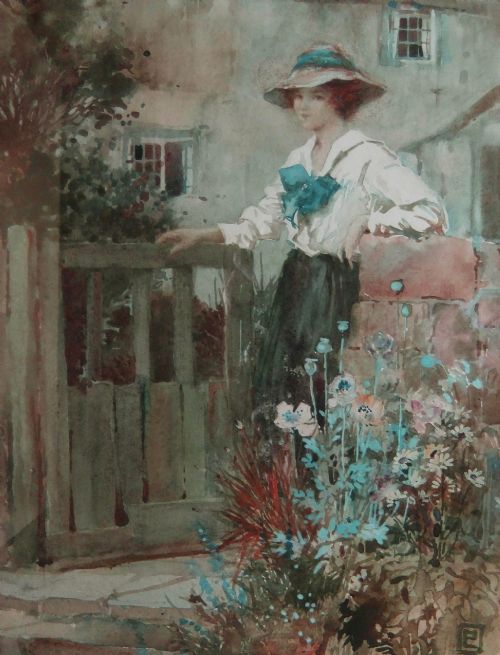
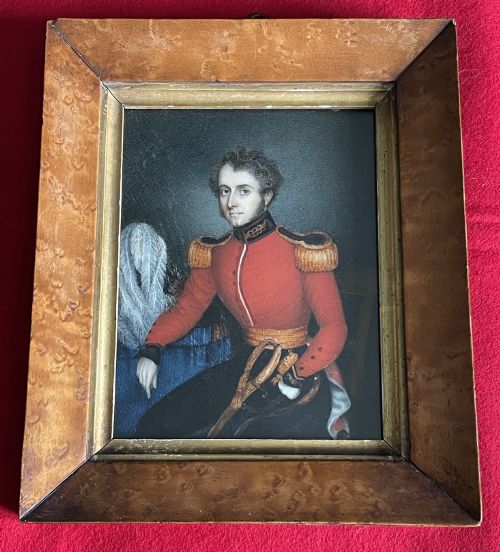
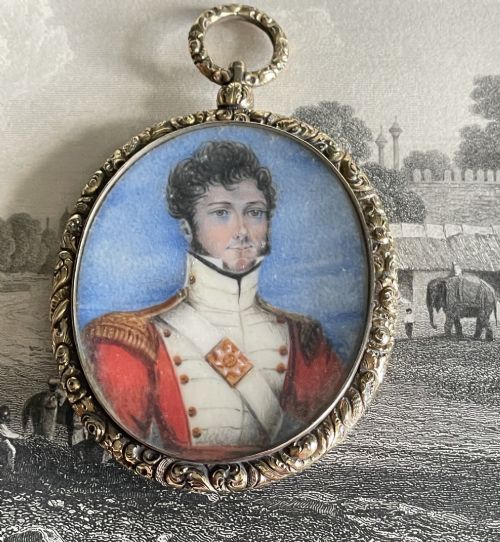
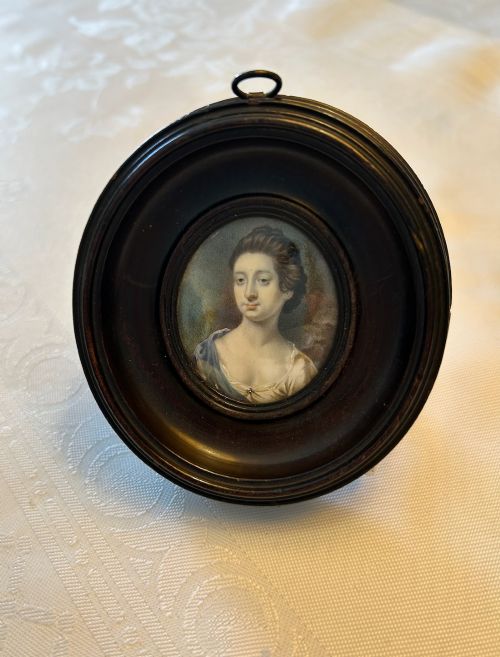
When you search for a british art portrait watercolour, you encounter works spanning from the eighteenth century through the twentieth century. These pieces record military officers, ladies, children, and gentlemen through intimate painted studies.
The selections you meet most often on this page originate in the Victorian and nineteenth-century periods, alongside examples from the Georgian and Regency eras. Many of these artworks take the form of portrait miniatures, framed paintings, and works on paper.
Makers range from named British artists and royal academicians to the anonymous hands of the British School. Subjects extend beyond human sitters to include soldiers, sailors, dogs, and domestic scenes executed in wash and pigment.
Materials and technique
Artists built these works using watercolour pigment and gouache applied to paper, occasionally incorporating gold leaf, pencil, and pastel. Pigments were brushed onto fine sheets to create transparent washes and opaque highlights.
Many works are housed in period frames constructed from wood, ebonised materials, or giltwood, protecting the paper behind glass panels. Some specialised portrait miniatures are set into gold frames or mounted on agate panels.
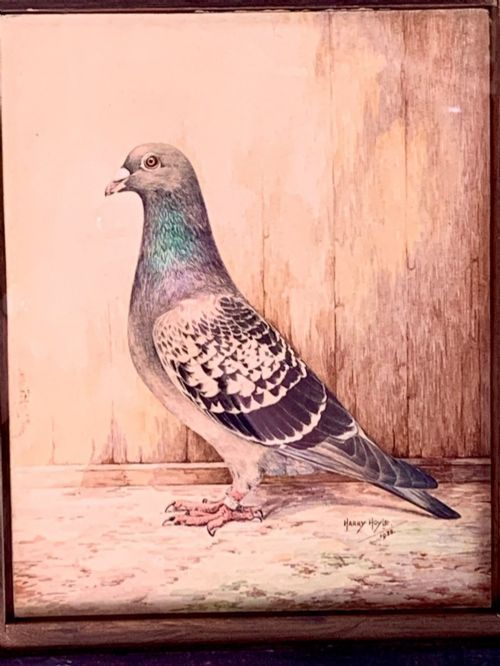
Several portraits preserve the likenesses of loyal canine companions, including King George V's prize-winning royal messenger pigeon.
Evaluating quality
The integrity of preservation also separates pieces, with finer works retaining their original colour intensity and contemporary framing. The presence of a documented artist or a fully identified sitter adds historical substance to the portrait.
Sir James Dromgole Linton·Richard Cosway·Percy Lancaster·Arthur Wardle·Henry E Hobson·Raoul Millais·Adrian Jones·Arthur Todd·Emma Kendrick·Henry Jacob Burch·Mabel Gear·Ralph Todd·Linnie Watt·Frederick Thomas Baynes·Mary Eley·Charles Edward Wilson·Frederick Tayler·Samuel John Milton Brown·Montagu Barstow·Laura Knight·Muriel Metcalfe·Josiah Gilbert
The British Art Portrait Watercolour Glossary
- Gouache
- An opaque watercolour paint consisting of pigment, water, and an inert white pigment. It provides solid, flat areas of colour and sharp highlights in portrait works.
- Portrait miniature
- A small, highly detailed painting designed for close personal viewing. These works often depict officers, ladies, or family members on small supports.
- Wash
- A thin, fluid layer of diluted watercolour pigment spread evenly across paper. Painters utilise washes to establish atmospheric backgrounds and soft skin tones.
- British School
- A designation for anonymous artists working within Britain whose specific identities are lost to time. These painters nevertheless demonstrate the prevailing academic standards of their era.
- Giltwood
- Wood carved and coated with gold leaf or gold paint. This material forms the ornate frames frequently surrounding nineteenth-century paintings.
British Art Portrait Watercolour: Frequently Asked Questions
What periods do these watercolours cover?
The works span from the eighteenth century, through the Regency and Victorian eras, up to the mid-twentieth century. This timeline covers Georgian military portraits as well as later British Impressionism and realism.
Buyers encounter various stylistic shifts across these periods, reflecting changes in portraiture fashions and painting techniques over three hundred years.
How should I care for a watercolour painting?
Watercolour pigments on paper remain sensitive to direct sunlight and high humidity. Displaying pieces away from bright windows helps prevent the fading of delicate washes.
Maintaining stable indoor temperatures protects both the paper support and the antique wooden or giltwood frames that house these artworks.
What subjects appear in these portraits?
Subjects include military officers from various regiments, naval personnel, children, ladies in period attire, and domestic animals like dogs. Some pieces depict specific historical figures or participants in royal events.
Artists also recorded everyday people, such as young gypsy girls or fishermen's daughters, alongside imaginary subjects like classical nymphs.
How do I identify a portrait miniature?
Portrait miniatures are small-scale artworks created to be held in the hand or worn on the person. They are frequently executed on paper, ivory, or agate panels and set into protective frames.
These pieces concentrate fine detail into a compact format, often capturing the likeness of an officer or noble sitter with meticulous precision.