




Gold Framed Art Work
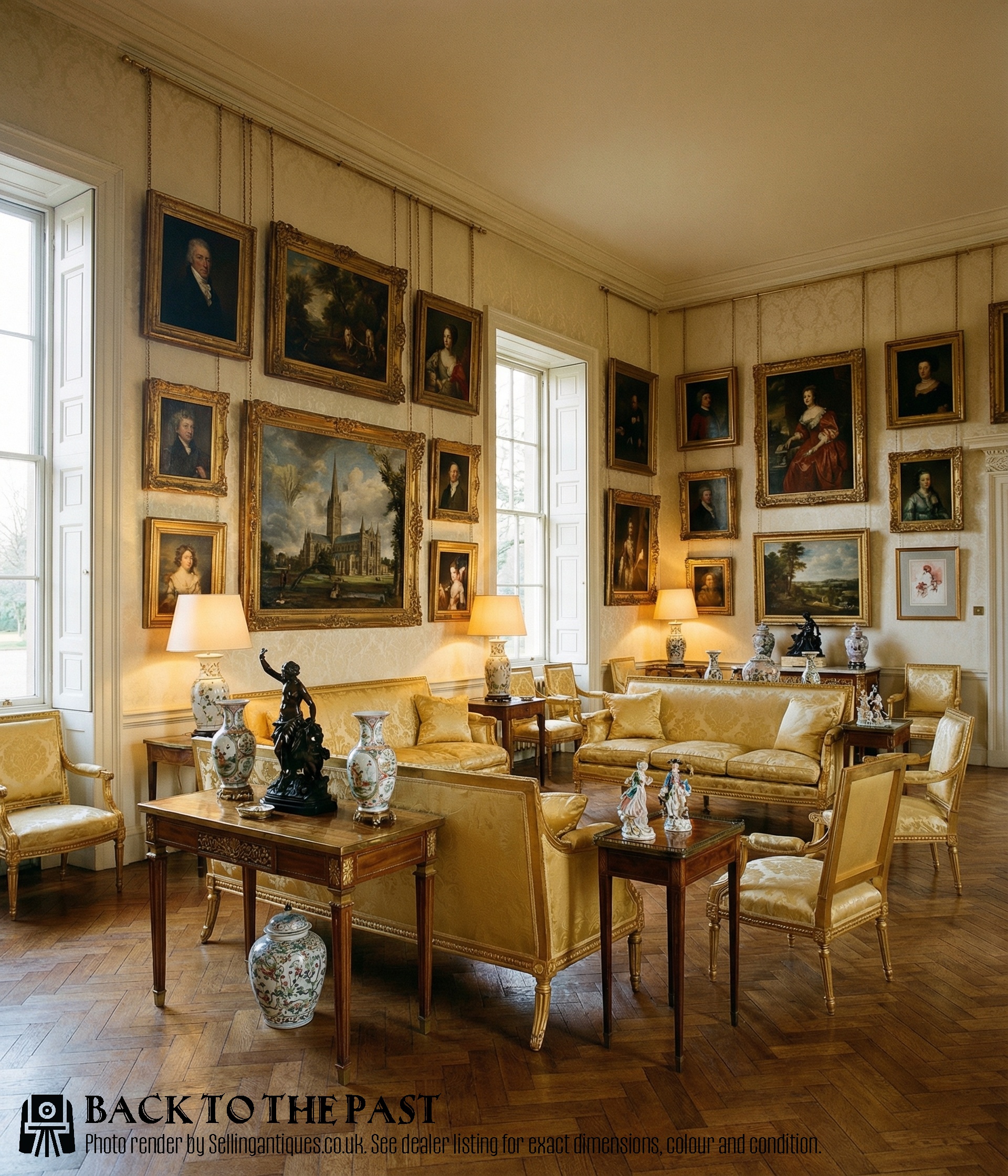
Gold framed art work brings warmth and historic character to a room through traditional paintings and textiles.
Gold Framed Art Work
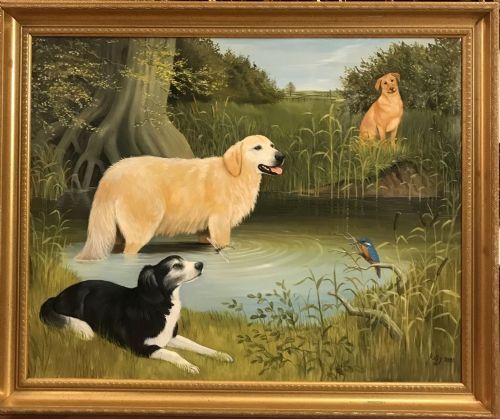
When you search for gold framed art work, you encounter a diverse mix of oil paintings, watercolours, and historical needlework pieces housed within gilt or wooden frames. These items span from the eighteenth century through to the mid twentieth century, capturing rural landscapes, portraits, and sporting scenes.
How they were made
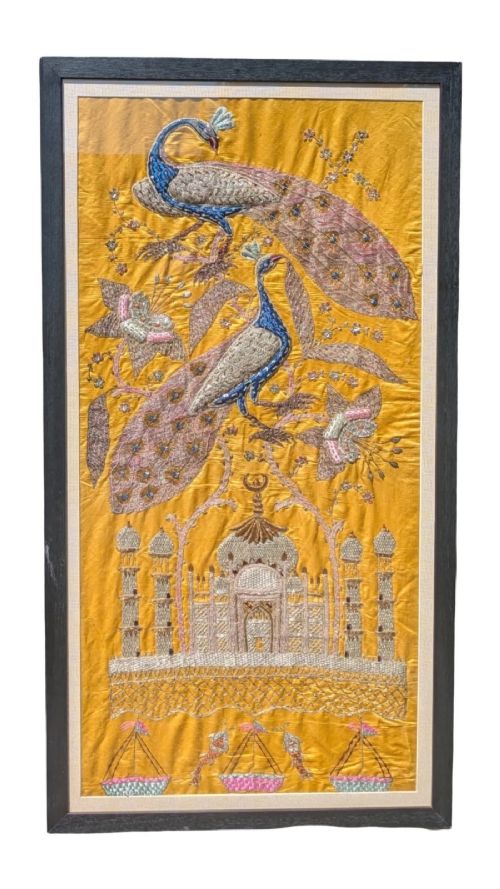
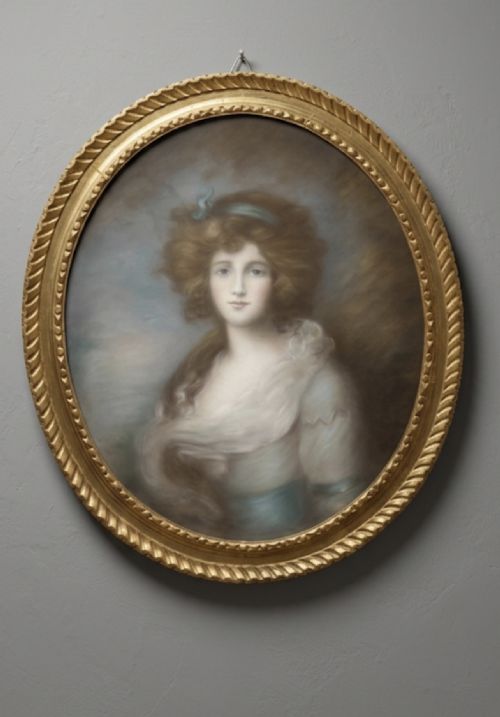
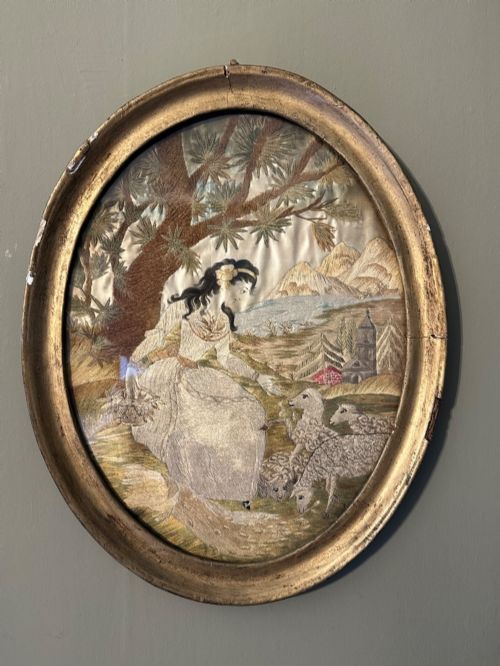
Makers utilised oil on canvas, watercolour, and pastel for the pictorial works, while textile pieces employ silk, wool, and crewel work embroidery. Canvases are stretched over wooden supports and finished with hand-worked pigments.
Frames are constructed from wood and finished with gilt or giltwood treatments to enhance the visual weight of the art. Needlework and silk pieces are carefully mounted behind glass within protective wooden surrounds.
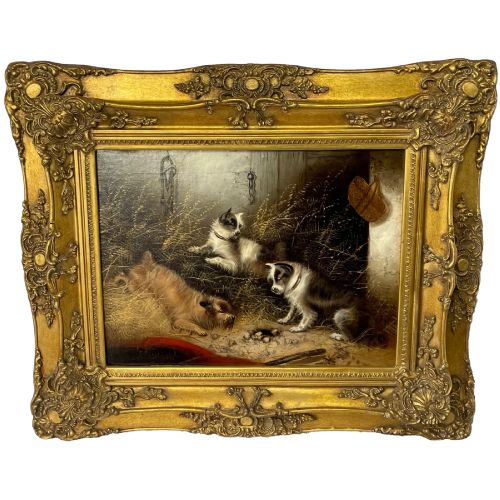
Terriers are kept perpetually busy on this site, guarding cages and sniffing out rats across multiple centuries.
What varies in quality
Quality rests in the precision of the brushwork and the fidelity of the subject matter, particularly in animal and human portraits where anatomical accuracy matters. Superior examples display confident handling of light and shade in landscapes.
The condition and ornamentation of the surrounding frame also influence overall quality, with well-preserved gilding adding significant presence to the piece. Textile works depend on the tightness of the stitch and the preservation of the delicate threads over time.
Herman S Melville·John Trivett Nettleship·Raoul Millais·Colin Graeme Roe·George Armfield·Edward Armfield·George Cole·George Wright
The Gold Framed Art Work Glossary
- Giltwood
- Wood that has been coated with gold leaf or a gold-coloured metallic finish. This treatment protects the underlying material while adding a bright, reflective border to the artwork.
- Crewel work
- A type of embroidery utilising wool yarn to create textured designs on a linen or cotton background. It frequently appears in historical wall hangings and decorative pictures.
- Oil on canvas
- A painting technique where pigmented oil paints are applied to a woven fabric stretched across a wooden frame. This medium allows for rich colour depth and subtle blending.
- Watercolour painting
- Art created using water-soluble pigments on paper, known for its luminous and translucent quality. These works require protective glass framing to prevent moisture damage.
Gold Framed Art Work: Frequently Asked Questions
How do I clean a giltwood frame?
Dust the frame gently with a soft, dry brush to remove surface particles without disturbing the metallic surface. Avoid using liquid cleaners or abrasive cloths that can strip the delicate gilding.
For stubborn marks, consult a professional conservator rather than attempting chemical treatments at home. Preserving the original finish maintains the historic integrity of the piece.
Are these oil paintings on original canvas?
Many nineteenth and twentieth-century works retain their original stretched canvases and wooden supports. Examining the reverse side often reveals period stretchers and maker stamps.
Over time, some canvases may require professional relining to stabilise the fabric. This maintenance ensures the paint layer remains secure for future display.
How should I hang textile art safely?
Silk and wool needlework pieces need protection from direct sunlight to prevent the natural fibres from fading. Framing behind glass creates a barrier against dust and atmospheric moisture.
Ensure the hanging wire and wall fixings match the weight of the framed textile. Position the piece away from direct heat sources to prevent warping of the wooden frame.
What distinguishes Victorian sporting art?
Victorian sporting art typically focuses on working dogs, horses, and rural pursuits rendered with realistic detail. Artists of this era closely observed animal anatomy and outdoor lighting conditions.
These works reflect the social and agricultural priorities of the period. They offer a direct window into nineteenth-century country life and traditional pastimes.