
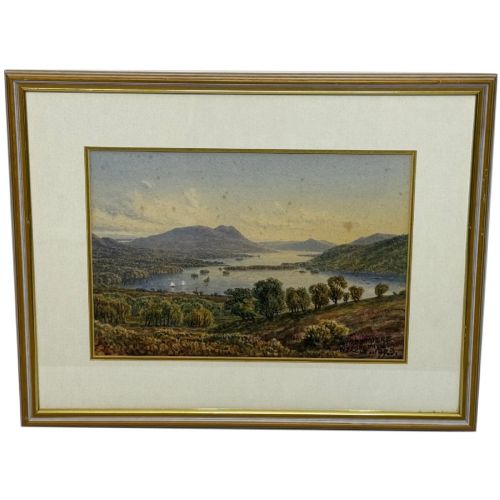
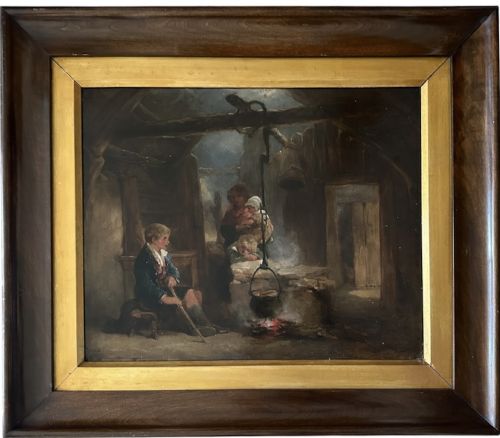
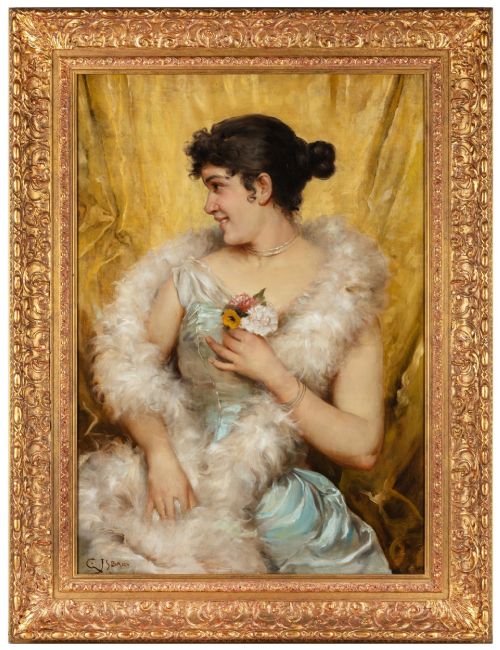
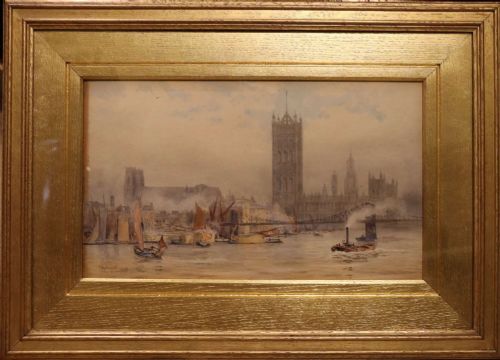


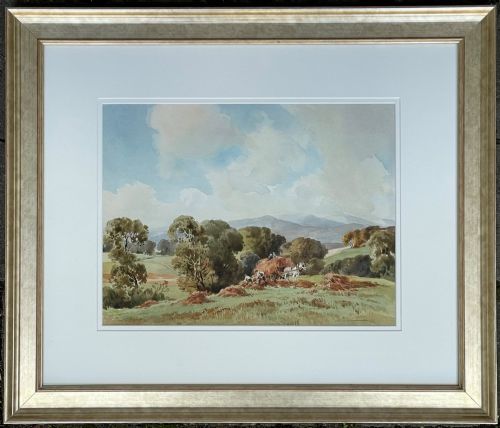
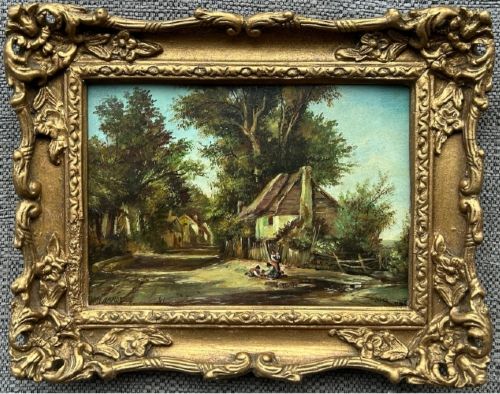
Original Gilt Framed Painting
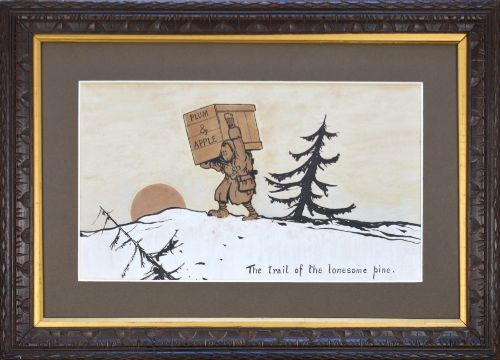
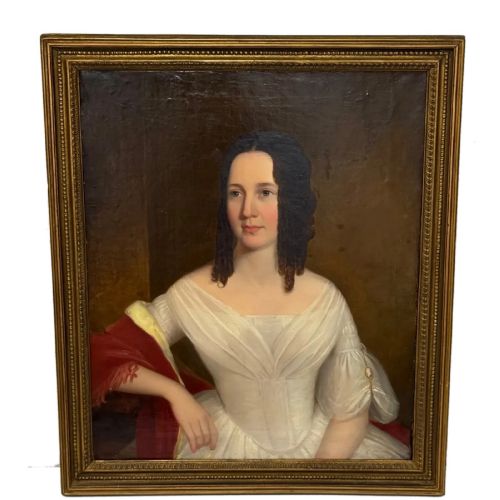
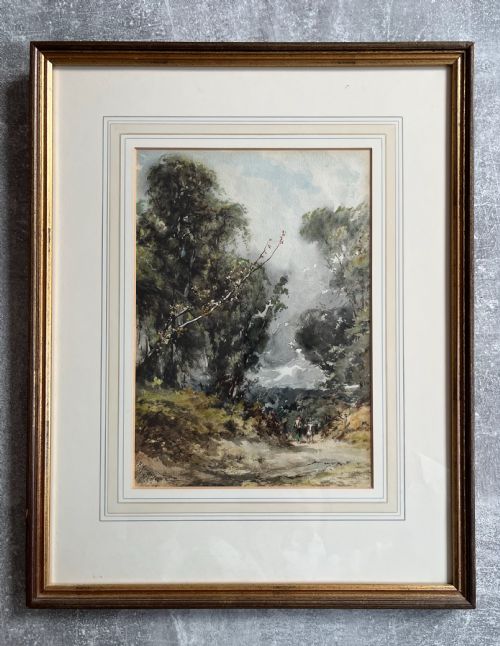
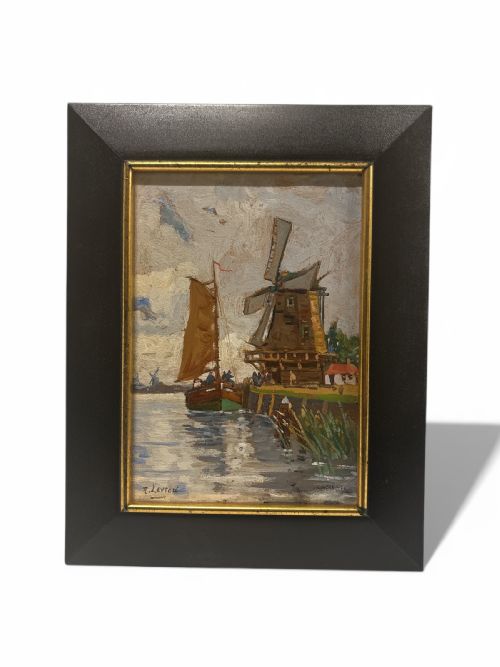
An original gilt framed painting brings the rich texture of oil on canvas and watercolour into a room, framed in period gilt wood and gesso.
Original Gilt Framed Painting
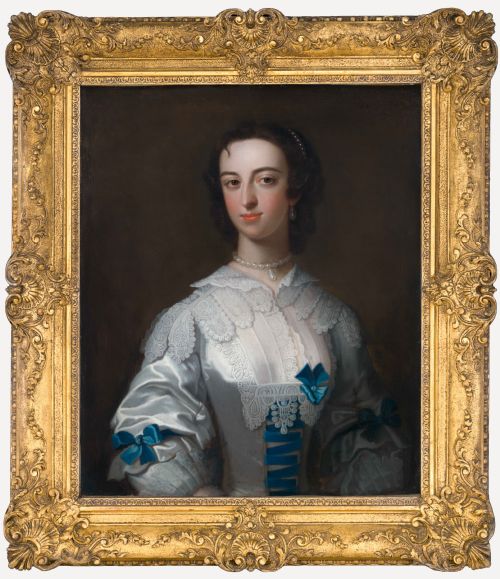
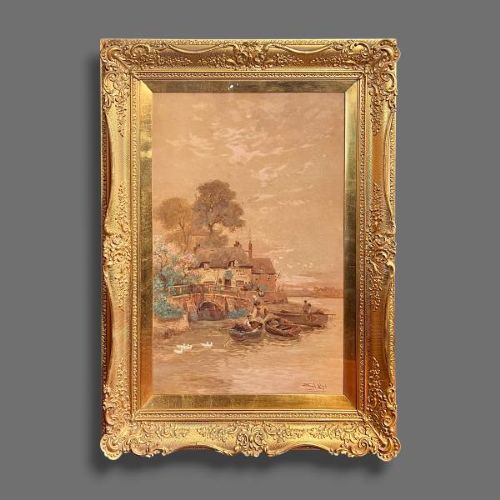
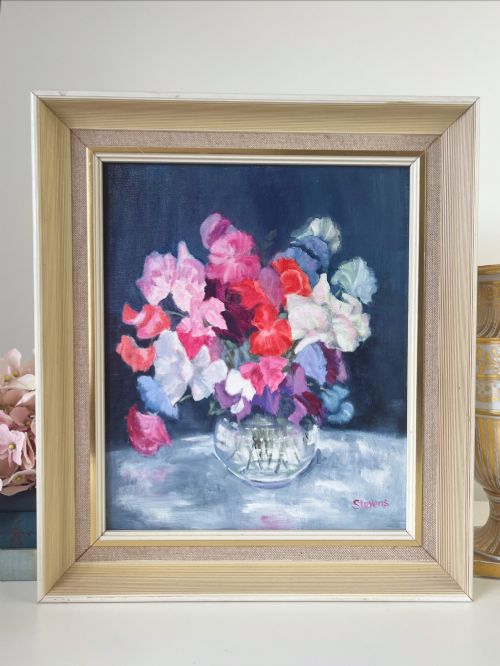
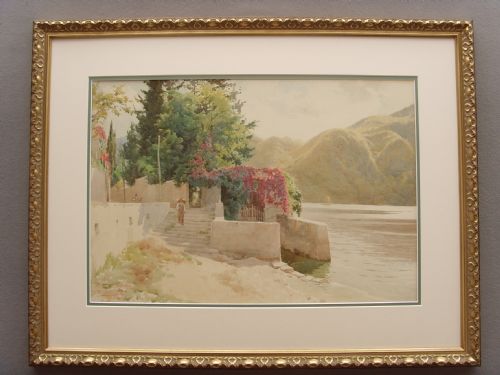
An original gilt framed painting combines hand-painted canvas, panel, or paper with a decorative wooden frame finished in gold leaf or gilt paint. When you search for an original gilt framed painting, you encounter works spanning from the eighteenth century through the twentieth century, encompassing portraits, landscapes, florals, and marine scenes.
The nineteenth century provides the largest share of works on this page, alongside pieces from the eighteenth, Edwardian, and mid-twentieth periods. These include oil paintings on canvas and board, watercolours under glass, and pastels, all housed within their period surrounds.
Subjects range from British and European rural landscapes and coastal views to formal oil portraits of nobility and everyday figures. Each piece unites the artist's brushwork with the craftsmanship of the period frame, which has protected and defined the artwork for generations.
How they were made
Painters applied oil or watercolour pigments onto prepared canvas, wood panel, or heavy paper, often working en plein air or within studio settings. Canvases were stretched over wooden frames, while panels offered a rigid ground for detailed portraiture and landscape work.
Frames were constructed from wood, such as pine or hardwood, and surfaced with gesso - a mixture of chalk and binder - to create a smooth base for gilding. Artisans applied thin sheets of metal leaf or gold onto the gesso, burnishing the surface to achieve a reflective, metallic sheen that complemented the artwork within.
Listings feature works executed in oil on canvas, oil on board, and watercolour on paper, housed within original wood and gesso frames.
What varies in quality
The calibre of an original gilt framed painting rests upon the skill of the artist's brushwork, the depth of composition, and the integrity of the support material. Works by Royal Academy exhibitors or named regional painters demonstrate superior anatomical accuracy, handling of light, and atmospheric perspective compared to unsigned vernacular pieces.
Frame quality depends on the depth of the gesso mouldings and the preservation of the original gilding. Hand-carved wooden ornaments and crisp, uncompromised gesso relief separate superior period frames from later replacements or heavily restored surrounds.
Joseph Clover RA·George Fotherly Hargitt·Percy Lancaster·William Howard Hardy·Arthur Wardle·Eugène-Louis Gillot·John Horace Hooper·Lemuel Francis Abbott·William Joseph Shayer Senior·Alfred Fontville de Breanski Jr·Sidney A Court·Oliver Clare·Kershaw Schofield·Charles Edward Dixon·George Houston RSA RSW·Eric Tufnell·William Banks Fortescue·Stephen Samuel Lewin·Vittorio Reggianini·Thomas W Lascelles·Gabriel Mathieu·David Bates·Alfred Lyndon Grace·G J S Bary
The Original Gilt Framed Painting Glossary
- Gesso
- A plaster-like mixture applied to wood frames to create a smooth surface for gilding. It allows artisans to carve intricate decorative patterns into the moulding before applying gold leaf.
- Oil on Canvas
- Pigment mixed with drying oils, such as linseed, painted onto a woven fabric support. This technique provides rich colour saturation and longevity.
- Watercolour
- A painting method where fine pigments are suspended in a water-soluble binder and applied to paper. It relies on the white of the paper to provide luminosity.
- Panel
- A flat piece of wood used as a rigid painting surface instead of canvas. Artists favoured panels for small, highly detailed works.
- Gilt Wood
- Timber that has been coated with gold leaf or metallic paint. It frames the artwork by catching ambient light and drawing the eye inward.
Original Gilt Framed Painting: Frequently Asked Questions
How do I clean an oil painting?
Dust the canvas gently with a soft, dry brush to remove surface particles. Avoid using water, household cleaners, or chemical solvents on the painted surface.
For the gilt frame, use a dry microfibre cloth to clear away dust without disturbing the delicate gesso or leaf. Consult a professional conservator if the paint surface requires deeper cleaning.
Can I reframe an antique painting?
Changing the frame is generally discouraged because many antique paintings retain their original period surrounds, which are historically linked to the artwork. The combination of frame and canvas tells a complete story of the period.
If the current frame suffers from structural instability, a specialist restorer can repair the gesso and gilding rather than replacing the entire piece.
Where should I hang a gilt framed piece?
Select an interior wall away from direct sunlight, radiators, and damp areas to protect both the canvas and the wooden frame from warping or fading. Stable room temperatures preserve the integrity of the oil paint and the underlying gesso.
Ensure the wall fixings match the weight of the piece, as timber and plaster frames can be surprisingly heavy.
How do I identify the period of a frame?
Examine the construction corners, the thickness of the gesso, and the style of the decorative mouldings. Earlier frames often feature hand-carved wooden details, while later nineteenth-century examples rely heavily on moulded gesso relief.
Nail types, backing boards, and labels pasted to the reverse also offer clues to the age of the framing.