






Original Portrait Drawing Signed
An original portrait drawing signed captures the direct touch of an artist, offering a personal record in graphite, charcoal or pastel.
Original Portrait Drawing Signed
An original portrait drawing signed represents a direct encounter between the sitter and the hand of the artist, preserved on paper or board. When searching this phrase, collectors encounter works spanning from the nineteenth century through the mid-twentieth century, encompassing both Victorian studies and twentieth century modern expressions.
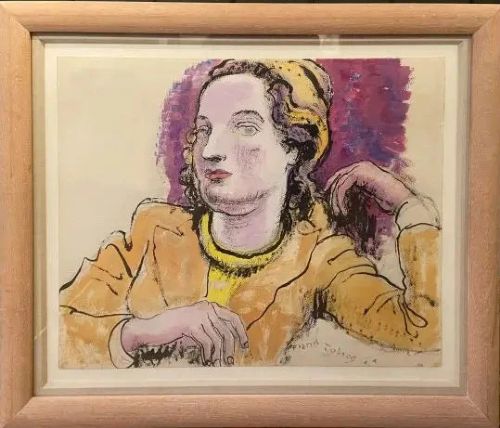
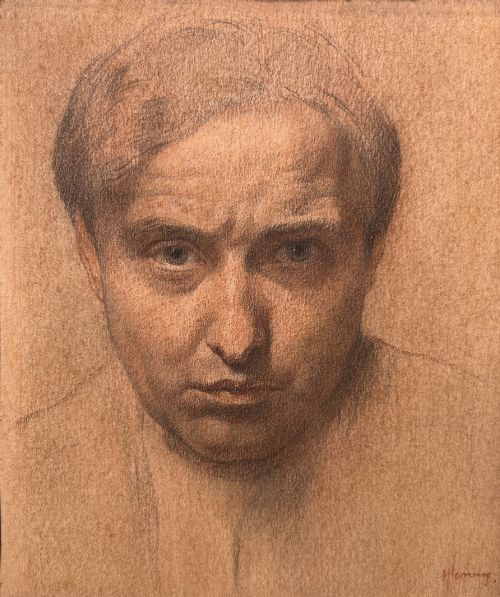
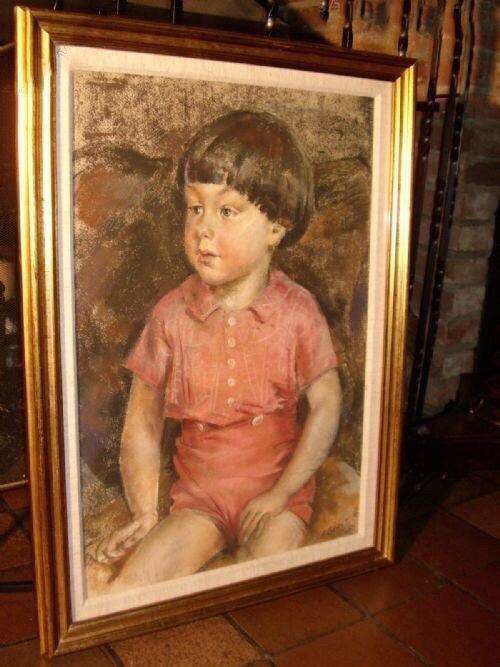
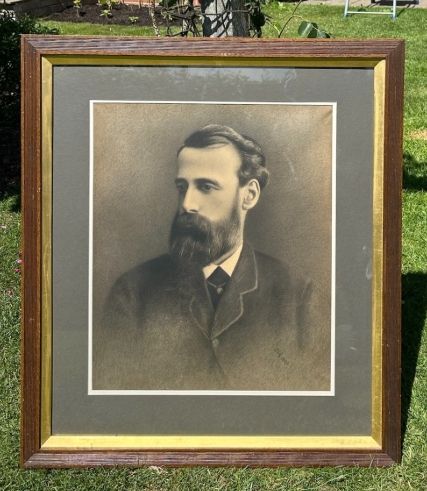
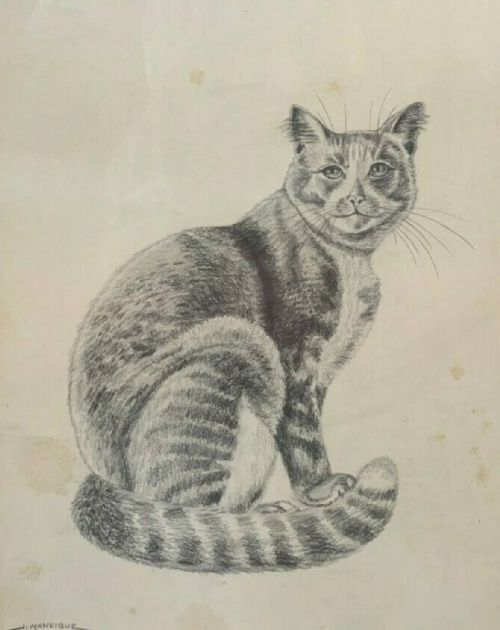
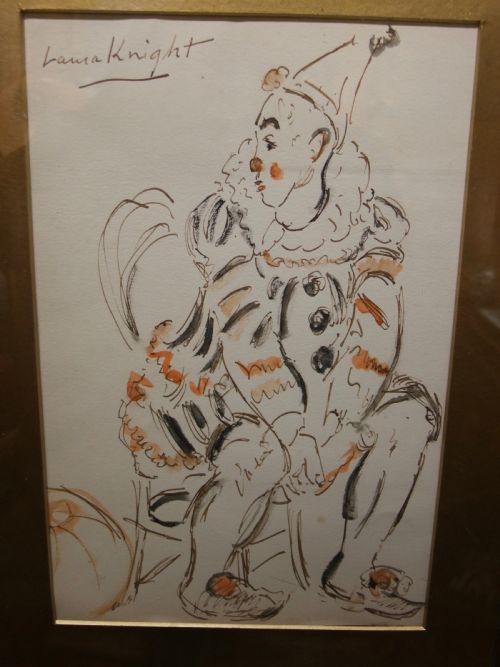
The pieces appearing here include framed works on paper, charcoal sketches, watercolour studies and pastel compositions. Portraits of individuals, ranging from formal sitters to domestic animals, dominate the selection alongside figure studies executed by named artists and regional schools.
How They Were Made
Artists relied primarily on paper supports, applying mediums such as graphite pencil, charcoal, pastel, chalk, gouache and watercolour. These materials allowed for immediate strokes, capturing expression and shadow directly through the friction of pigment against a dry or lightly washed surface.
Execution often involved initial pencil or charcoal blocking followed by layered pastel or watercolour washes, finished with the artist's signature certifying the work. Framing typically followed with glass protection to safeguard fragile paper and loose pigments from atmospheric wear.
The selection includes traditional realism, Victorian styles, early twentieth century work, modern British art and mid-century realism.
What Varies in Quality
Quality rests in the economy of line and the sureness of the hand, where a few confident marks convey bone structure, expression and personality. Superior examples demonstrate an understanding of light and shadow that animates the subject without heavy overworking.
The preservation of the paper support and the vibrancy of fugitive pigments like pastels also distinguish finer works from faded or damp-stained examples. Provenance and clear signatures by recognised artists further elevate the standing of a drawing within the broader field of works on paper.
Frank Dobson·Herbert Johnson Harvey·J.A.Grant·Raoul Millais·Lucien Freud·Faeq Hassan·Dame Laura Knight·Francis Dodd·Juliet Pannett·Harry Epworth Allen·Jacob Kramer·Harold Hope Read·Jean Betourne
The Original Portrait Drawing Signed Glossary
- Graphite
- A form of carbon used in pencils, allowing for sharp lines and subtle tonal shading on paper. It forms the basis of many preliminary and finished portrait drawings.
- Pastel
- A medium consisting of powdered pigment mixed with a binder, applied dry to paper to create rich, velvety colour fields. Pastels require glass framing to prevent the powdery pigment from smudging.
- Gouache
- An opaque water-based paint that provides solid, flat areas of colour and highlights. Artists often combine it with watercolour or charcoal on paper.
- Monogram
- A cipher or initials intertwined to form a single symbol, used by artists to sign works when a full signature is absent. They help attribute pieces to specific hands.
- Work on paper
- A broad category encompassing any artwork executed primarily on a paper support, including drawings, watercolours, sketches and prints.
Original Portrait Drawing Signed: Frequently Asked Questions
How should I display a portrait drawing?
Keep drawings behind glass with archival mounting to protect the delicate paper and dry media from humidity and pollutants. Position them away from direct sunlight to prevent the fading of watercolours, inks and pastels.
Ensure the frame allows space between the glass and the paper surface so the drawing does not touch the glazing directly. Simple wooden or period frames complement the tones of graphite, charcoal and chalk without overpowering the subject.
How do I identify the period of a drawing?
Examine the paper type, framing style, clothing and hairstyle of the sitter, and the handwriting of the signature or inscription. Victorian pieces often feature stiff collars and elaborate framing, while mid-century works lean towards looser strokes and modern attire.
Signatures matched against known artist registries provide the most reliable dating tool. Comparing the handling of the medium with dated examples from the same artist helps narrow the decade of creation.
Are charcoal drawings fragile?
Charcoal consists of loose carbon particles that rest on the surface of the paper, making them susceptible to smudging if touched or shaken. Once properly framed under glass, they remain stable for generations.
Avoid tapping or moving frames abruptly, as vibrations can cause minute pigment particles to detach from the paper. Professional framing with a mount card prevents the glass from resting against the charcoal marks.
What is the difference between a sketch and a study?
A sketch is generally a quick, spontaneous recording of a pose or composition, often serving as preparation for a larger painted work. It captures the initial movement and gesture of the subject.
A study focuses closely on a specific detail, such as a head, hand or expression, executed with greater attention to tone and form. Both hold independent artistic value as intimate records of the maker's thought process.