


British Art Oil
British art oil brings centuries of canvas painting into focus, offering everything from solemn court portraits to sunlit rural river valleys.
British Art Oil
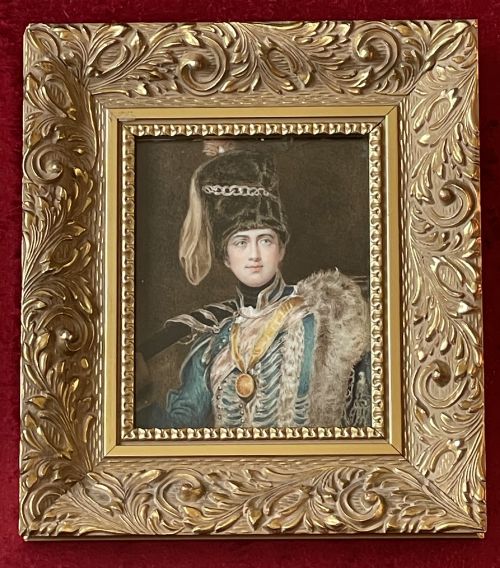
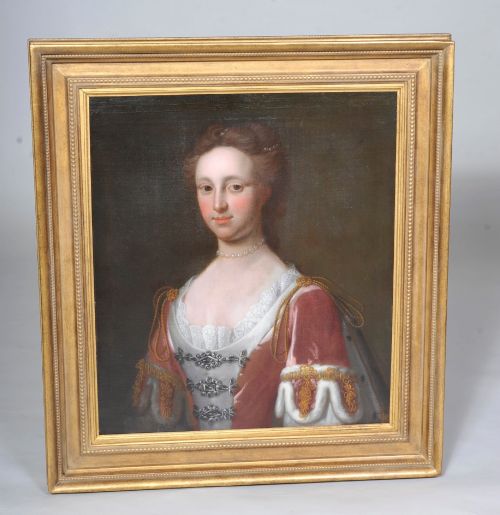
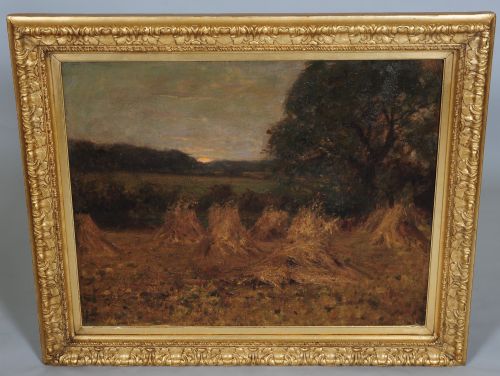
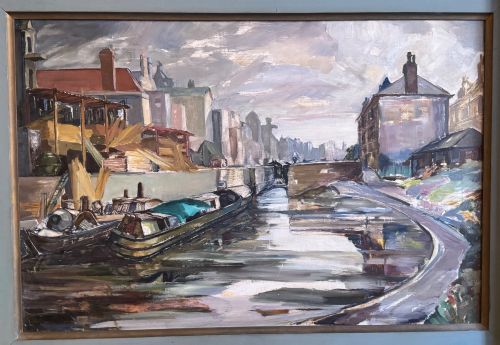
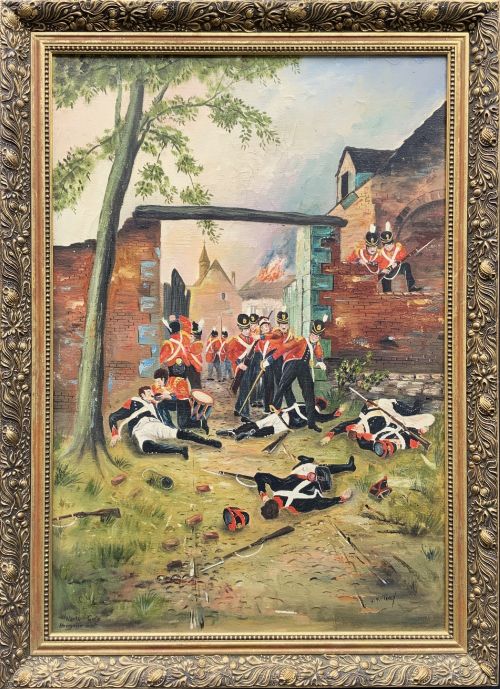
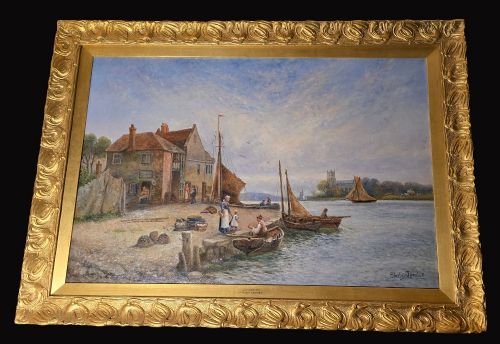
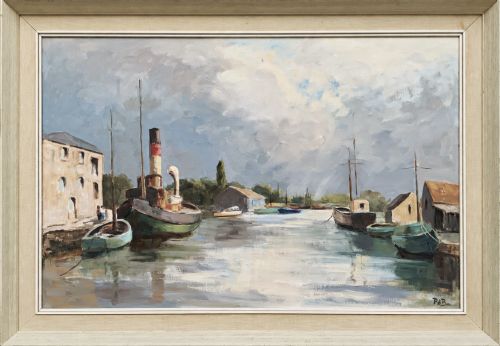
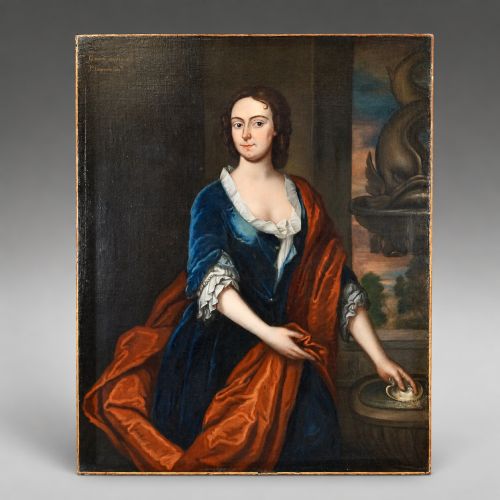
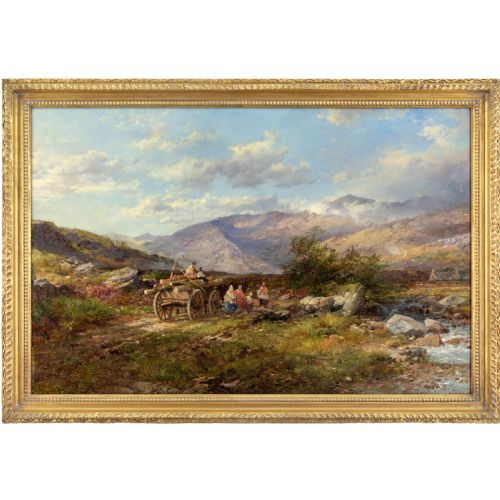
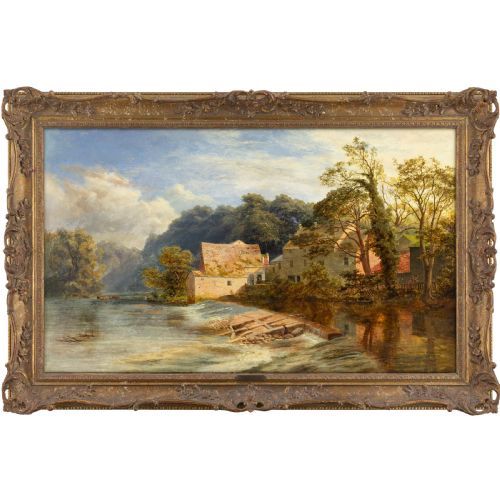
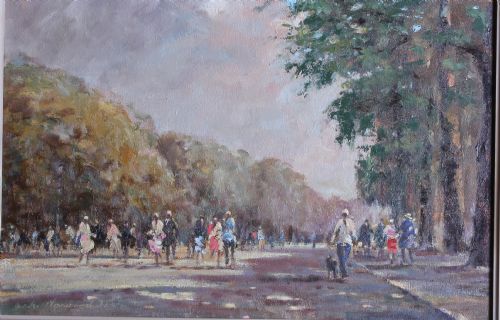
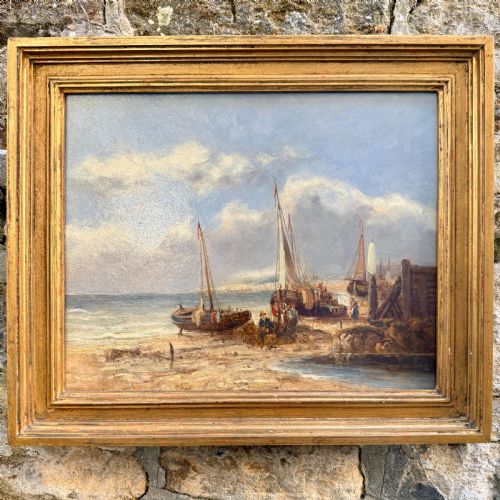
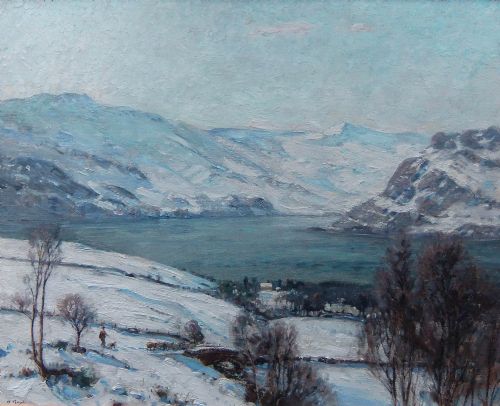
When you search for british art oil, you encounter canvas and panel paintings spanning from the seventeenth century through to the mid-twentieth century. The selection ranges widely across genres, capturing equine portraits, coastal scenes, and domestic interiors created by named painters and regional schools alike.
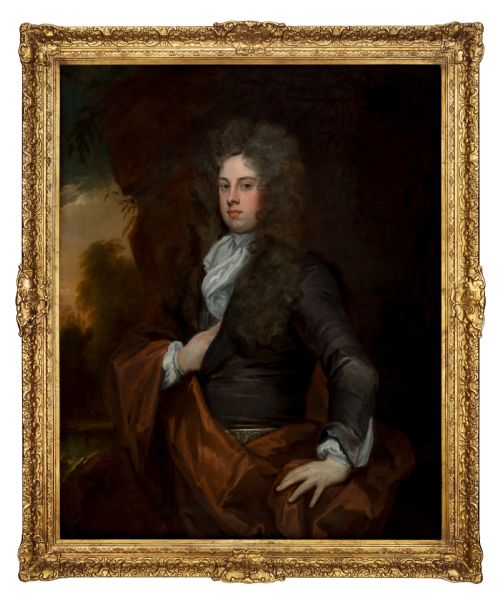
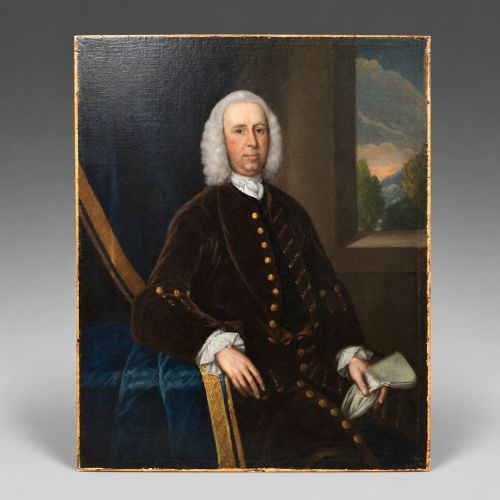
You are most likely to meet Victorian and Georgian landscapes alongside formal portraiture executed in oil paint. These works often arrive set within period giltwood frames, preserving the physical context of their original display.
The objects encompass both grand historical pieces associated with royal academics and quieter genre paintings depicting everyday rural life. Together, they trace the shifting idioms of British painting across successive centuries.
How british art oil pieces were made
Makers built these works using oil paint applied to woven canvas supports, wooden panels, or occasionally board substrates. Painters layered pigments suspended in drying oils to achieve depth, luminosity, and varied surface textures across the composition.
Finishing touches frequently included elaborate frames fashioned from carved wood and gilded with gold leaf. These surrounds protect the perimeters of the canvas while providing a formal architectural boundary for the artwork.
British Art Oil Retail Price Guide 2026
Typical asking prices for british art oil among the pieces listed under this phrase on Sellingantiques today, from the lower quarter to the upper quarter. They describe what is for sale here now, not the wider market.
Several Victorian canvases permanently preserve the curious expressions of working terriers and prize-winning horses peering intently past the painter's easel.
What varies in quality
Skill in draftsmanship and anatomical precision separate accomplished works from routine studio output, particularly in portraiture and animal painting. The handling of light and atmospheric perspective also dictates the visual success of landscape compositions.
The integrity of the original paint layer and the preservation of the canvas surface determine the long-term condition of the piece. Additionally, the presence of a period-appropriate giltwood frame contributes to the overall historical cohesion of the object.
Sir Godfrey Kneller·Charles Jervas·William Mellor·Thomas Beach·Fred Yates·Donald McIntyre
The British Art Oil Glossary
- Oil on Canvas
- Pigment bound in a drying oil and painted upon a stretched fabric support. This combination forms the predominant medium for historical British painting.
- Giltwood
- Wood that has been coated with a thin layer of gold leaf or metallic powder. Frames made in this manner frequently accompany antique paintings.
- Genre Painting
- Artwork depicting scenes from everyday life, ordinary people, and domestic interiors. These pieces focus on narrative moments rather than formal portraiture.
- Panel Painting
- A flat wooden support utilised as a base for oil pigments. This technique appears frequently in earlier seventeenth-century works before canvas became standard.
- Sporting Art
- Paintings dedicated to equestrian subjects, hunting scenes, and working animals. This specialised genre flourished across the Georgian and Victorian eras.
British Art Oil: Frequently Asked Questions
What is british art oil?
It encompasses oil paintings created by British artists or within British artistic traditions over several centuries.
The category includes portraits, landscapes, and sporting scenes rendered on canvas or panel.
How do I date a painting?
Dating relies on stylistic clues, costume details in portraits, artist signatures, and framing methods.
Historical records and exhibition labels attached to the reverse also help establish a timeline.
Were these painted outdoors?
Many landscapes were sketched in the open air before being completed inside a studio environment.
Portraiture and large historical compositions were invariably produced entirely within controlled indoor workshops.
How should I display them?
Hang paintings away from direct sunlight and sudden temperature shifts to protect the oil pigments.
Ensure the wall fixings can securely support the combined weight of the canvas and its heavy giltwood frame.