



British Army Officer Portrait
A british army officer portrait captures military rank and service through oil, watercolour, and pastel across multiple centuries.
British Army Officer Portrait
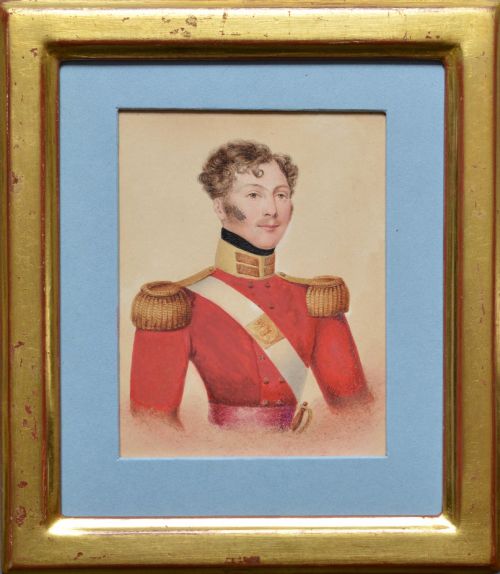
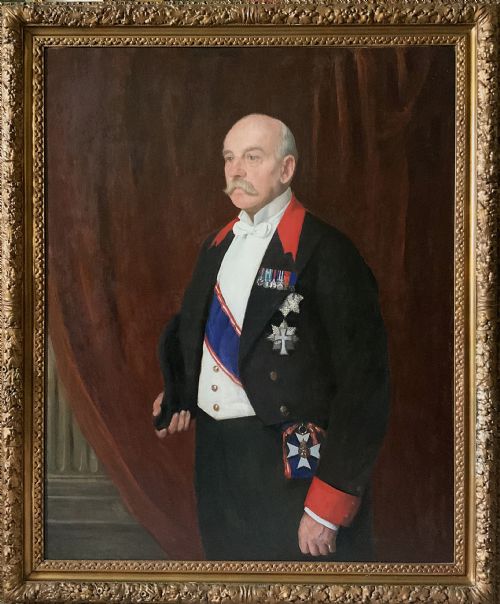
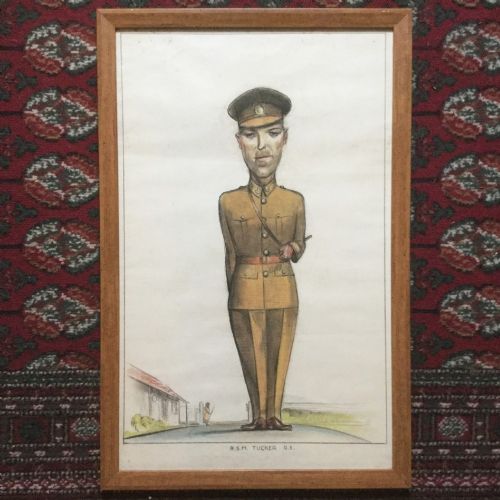
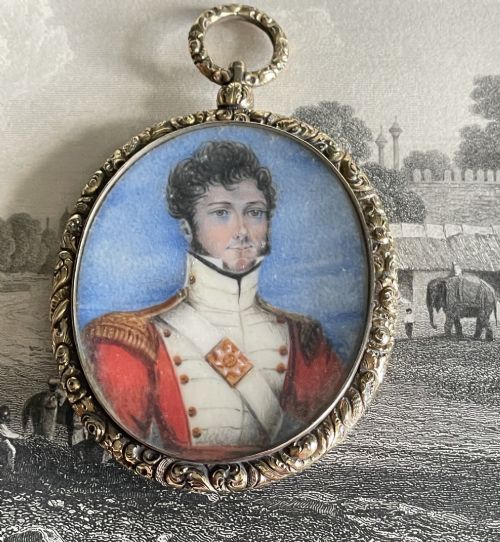
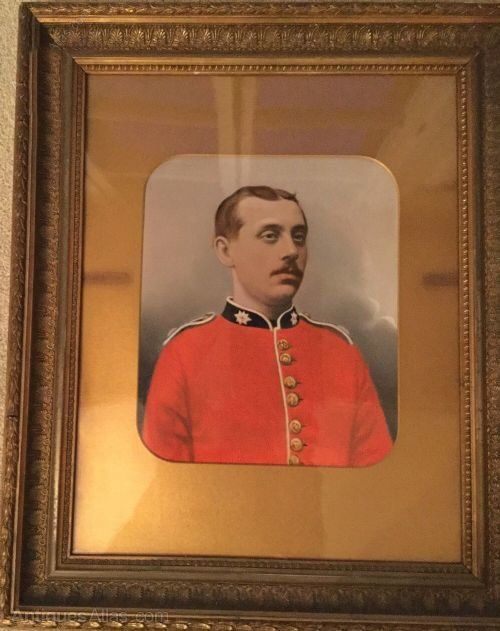
A british army officer portrait is a visual record of military personnel spanning the eighteenth, nineteenth, and twentieth centuries. These works appear as oil paintings on canvas, framed watercolours, gouache, pastel drawings, and portrait miniatures.
The material ranges from small paper sketches to large canvases housed in giltwood frames. Subjects include specific regiments, majors, generals, and commanders from various historical campaigns.
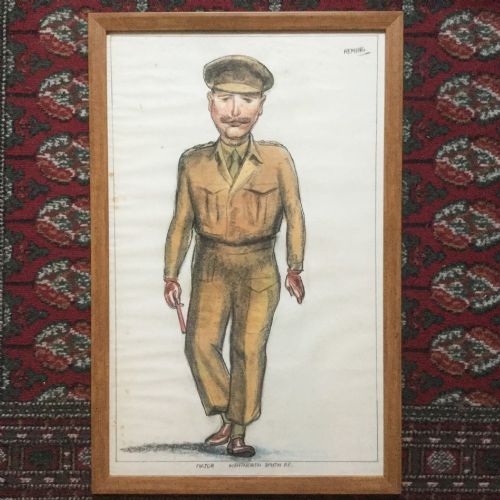
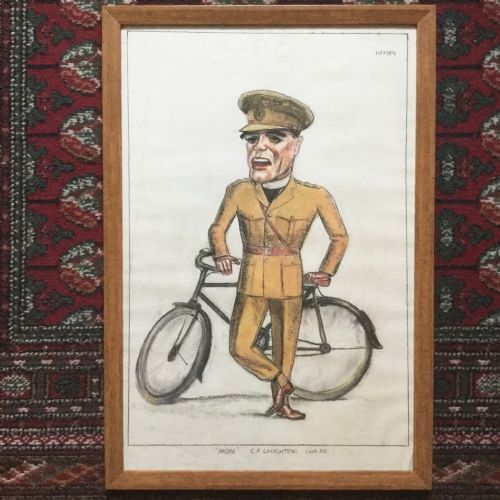
The selection includes formal Georgian and Victorian depictions alongside wartime illustrative sketches from the mid-twentieth century. Each piece records uniform details, medals, and insignia associated with British military history.
Materials and execution
Works on paper rely on watercolour, pastel, and gouache media to capture immediate likenesses and detailed uniform insignia. These lighter mediums often appear in wartime sketches and miniature formats.
British Army Officer Portrait Retail Price Guide 2026
Typical asking prices for british army officer portrait among the pieces listed under this phrase on Sellingantiques today, from the lower quarter to the upper quarter. They describe what is for sale here now, not the wider market.
Listings span the eighteenth, nineteenth, and twentieth centuries, utilising oil, watercolour, pastel, and photographic media.
Assessing the pieces
Quality rests upon the precision of the uniform depiction, the skill in rendering facial anatomy, and the handling of light across the fabric. Signed works attributed to documented artists carry distinct weight over anonymous school pieces.
Condition varies between well-preserved oils in original frames and delicate paper works showing age-related toning. The depth of historical documentation regarding the sitter and regiment influences the significance of the piece.
Henry Walton·Henry Hoppner Meyer·Ruth Cecil Latter·William Edward Millner·Leslie Moore·George Duncan Beechey·Sir Richard Westmacott·Withers-Lee
The British Army Officer Portrait Glossary
- Oil on canvas
- Pigments bound in oil medium applied to a stretched woven fabric support. This method allowed artists to achieve rich colour depth and durability.
- Portrait miniature
- A small-scale painting executed with fine detail, often on paper or ivory. These portable items were commonly carried by family members.
- Giltwood
- Timber carved and coated with a thin layer of gold leaf. This material forms the decorative ornate frames enclosing many formal paintings.
- Gouache
- An opaque water-based paint composed of pigment and binder. It provides solid areas of colour in works on paper.
- Regiment
- A military unit commanded by a colonel. Documentation often identifies the specific regiment on the mount or stretcher.
British Army Officer Portrait: Frequently Asked Questions
How do I identify the regiment?
Inscriptions on the reverse, uniform facings, and visible cap badges often point to the specific regiment. Archival records help match names to service lists.
Researching uniform regulations for periods like the Victorian era or the First World War confirms the branch of service.
What framing is appropriate?
Period giltwood frames suit eighteenth and nineteenth-century oil paintings. Simple wooden or glazed frames protect paper works.
Original frames preserve the historical context of the artwork.
How should I hang these artworks?
Keep watercolours and pastels away from direct sunlight to prevent fading. Oil paintings tolerate standard room environments.
Ensure wall fixings match the weight of large framed canvases.
What is the difference between an oil and a sketch?
Oils on canvas provide durable, large-scale formal representations. Pastels and gouaches offer immediate, intimate studies.
Sketches often date from active wartime periods.