





British Aristocratic Oil Painting
A british aristocratic oil painting captures centuries of lineage, power, and portraiture on canvas.
British Aristocratic Oil Painting
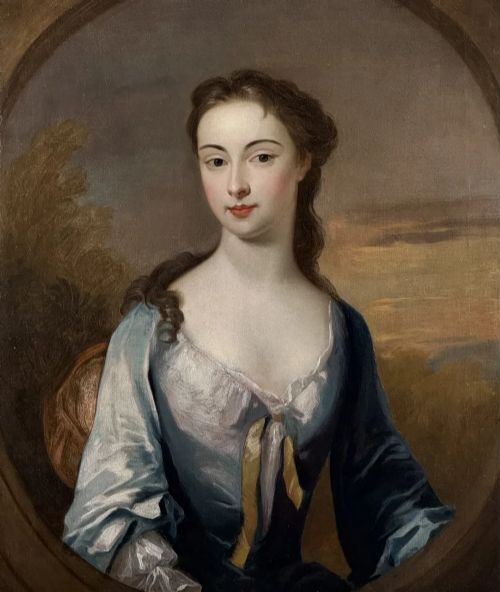
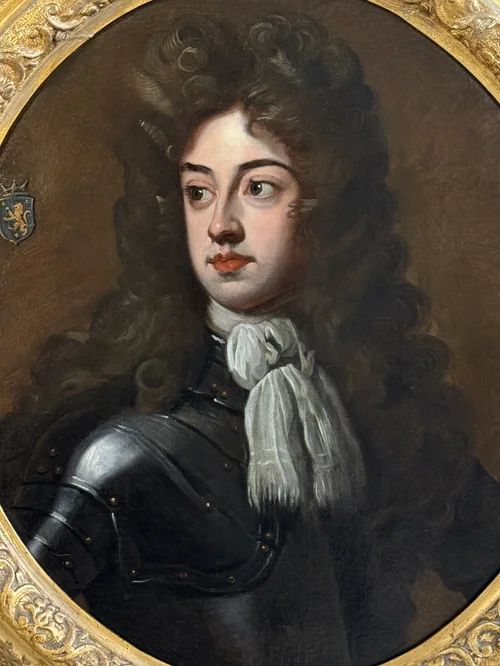
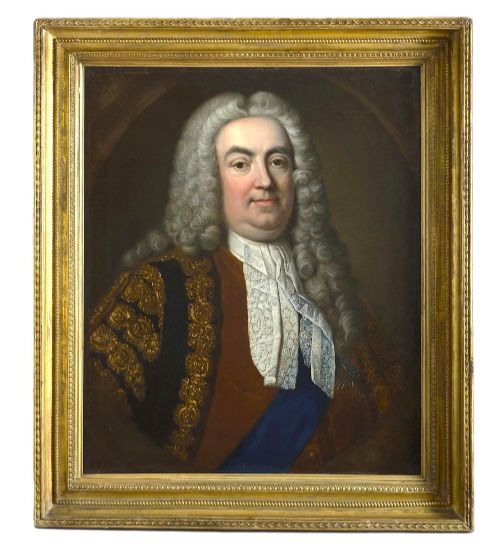
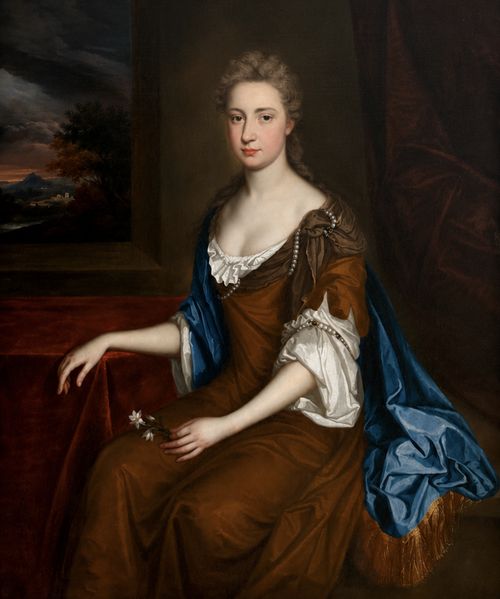
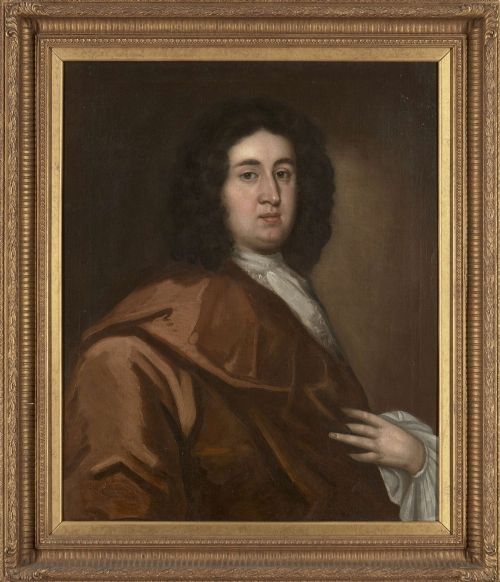
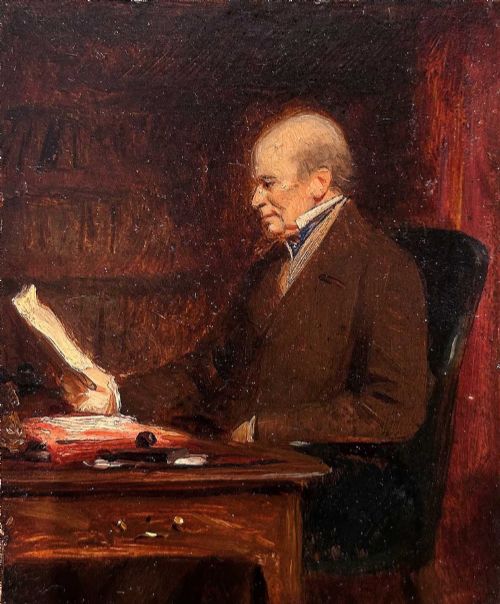
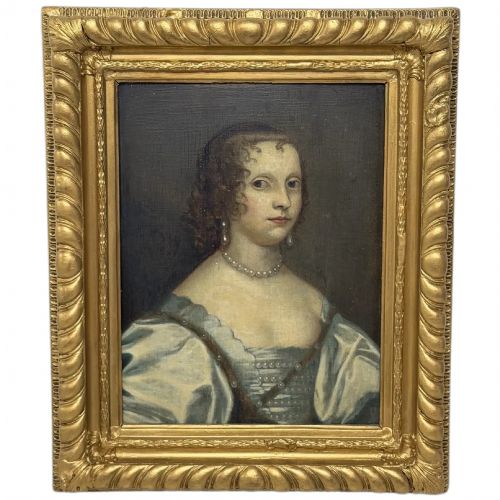
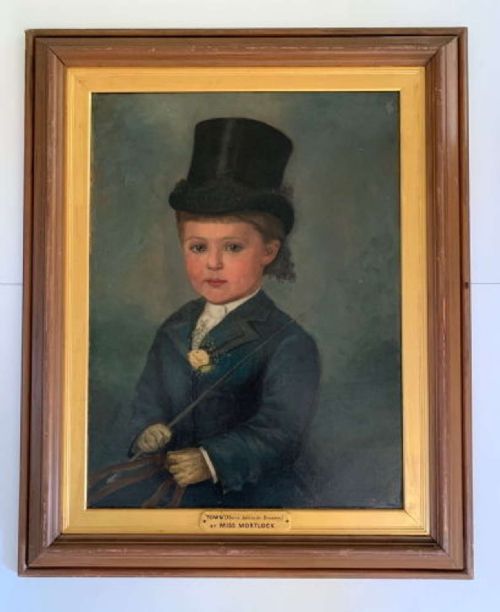
A british aristocratic oil painting portrays figures of high social standing, including earls, prime ministers, dukes, and ladies from prominent families. These works record lineage, status, and historical identity through formal portraiture.
The selections span multiple eras, including the seventeenth, eighteenth, and nineteenth centuries, alongside later interpretations and regional styles like folk art. Portrait subjects wear elaborate clothing, regalia, or garter robes appropriate to their rank.
Works appear in formats ranging from oil on canvas to oil on oak panel, often housed within heavy giltwood frames. Pieces originate from named portraitists, studio circles, or followers of established masters.
Materials and technique
Makers applied oil paint onto stretched canvas or solid oak panels to build depth, texture, and lasting colour in these portraits. Pigments captured fine details in lace, velvet, armour, and facial expressions.
Substantial wood frames finished in gilt or giltwood enclose the paintings, providing structural support and traditional presentation. These frames often match the period aesthetic of the artwork itself.
Listings feature seventeenth, eighteenth, and nineteenth-century works executed in oil on canvas and oak panel.
Gradations in quality
The distinction between workshop execution and primary hand of a master painter shapes the standing of each canvas. Works produced directly by leading portraitists command greater attention than studio copies or circle pieces.
The complexity of the composition, the psychological depth in the sitter's expression, and the preservation of the original paint layer determine overall execution. Finer examples display meticulous attention to textiles, hands, and heraldic details.
Charles Jervas·Sir Godfrey Kneller·Jean Baptiste Van Loo·John Closterman·Stephen Pearce·Trajan Hughes·Enoch Seeman·Robert Edward Morrison·Johann Kerseboom·Sir William Beechey·Thomas Murray·Robert Byng·Sir Peter Lely·John Partridge·George Hayter·Henry Wyatt
The British Aristocratic Oil Painting Glossary
- Giltwood
- Wood carved and coated with gold leaf or a gold-coloured finish. This material forms the ornate frames typical of period portraiture.
- Circle of
- A designation indicating an artist worked closely alongside a master and shared a similar style. This term describes works created in the immediate milieu of a known painter.
- Oil on Oak Panel
- A painting surface made from solid timber rather than woven fabric. This rigid support appears in earlier works from the seventeenth century.
- Regalia
- The distinctive emblems, robes, or insignia of royalty and high orders of knighthood. Subjects often wear these items to signal their official office and nobility.
British Aristocratic Oil Painting: Frequently Asked Questions
What is a british aristocratic oil painting?
These artworks are historical portraits depicting nobles, politicians, and monarchs from past centuries. They serve as visual records of elite society and hereditary power.
Created using oil paints on canvas or wood panels, the works often include detailed clothing, titles, and familial crests or robes.
How were these portraits displayed?
Aristocratic families hung these large paintings in country houses, grand halls, and galleries to project status and lineage. Giltwood frames provided an ornate border suitable for formal rooms.
Today, collectors place them in traditional or modern interiors to add historical depth and focal points to large wall spaces.
How do I identify the period?
Clothing styles, hairstyles, and framing techniques offer primary clues to the era of creation. Seventeenth-century subjects often wear lace collars and heavy cloaks, while eighteenth-century sitters display powdered wigs and silk gowns.
Inscriptions on the canvas or reverse often name the sitter and date, while construction methods of the stretcher or panel confirm the age.
What does studio of mean?
This attribution indicates the painting originated from the workshop of a master artist rather than being painted entirely by the master's own hand. Assistants and pupils often executed these works under direct supervision.
Such pieces reflect the composition and quality of the primary artist while maintaining period authenticity.