






Brienz Wooden Carving
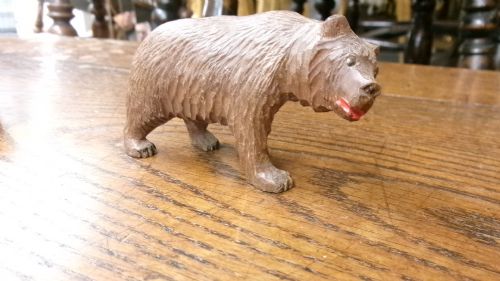
A brienz wooden carving brings the detailed fauna and alpine figures of nineteenth-century Switzerland straight onto a desk or mantelpiece.
Brienz Wooden Carving
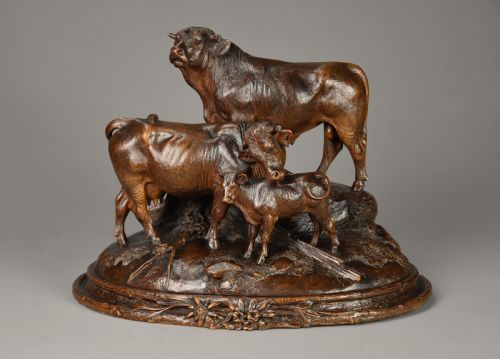
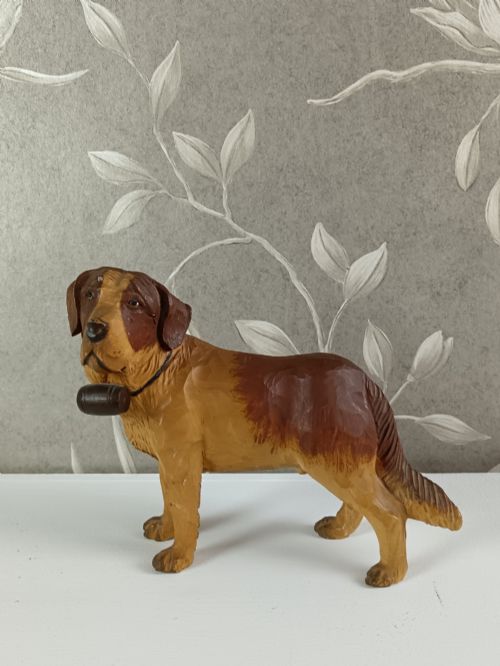
When you search for a brienz wooden carving, you encounter sculptural works originating from the Swiss woodworking tradition, frequently associated with the Black Forest style. The pieces on this page span the nineteenth century and the early twentieth century, taking the form of bears, dogs, cats, cattle groups, and human figures.
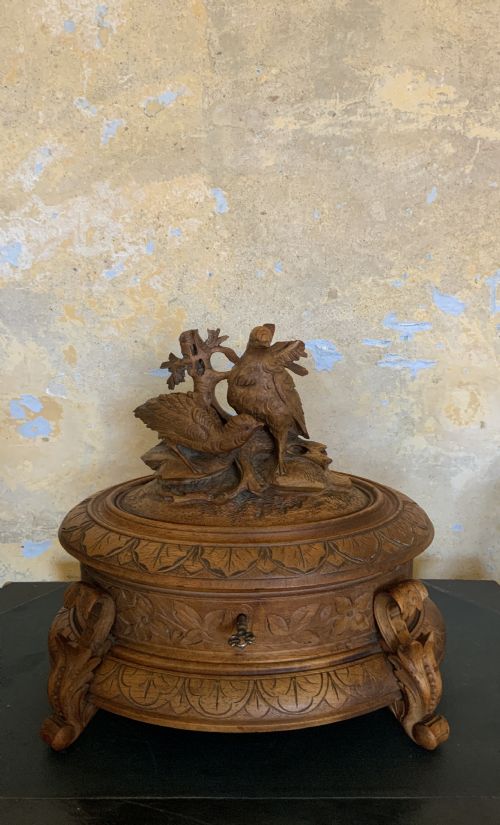
Practical domestic objects dominate the selection alongside pure sculptures. You find inkwells, bookends, coat hooks, stick stands, humidors, and tobacco boxes carved with remarkable anatomical observation.
Materials and Methods
Carvers utilised native timbers, predominantly linden wood and walnut, choosing them for their fine grain and suitability for intricate detail. Linden wood allowed artisans to render fur texture and facial expressions with precision.
Additional elements such as glass eyes, brass fittings, and metal components appear on functional items like inkwells, barometers, and whip hooks.
Listings feature items spanning the nineteenth century, the Edwardian era, and the early twentieth century, utilising linden wood, walnut, brass, and glass.
Distinctions in Quality
Anatomical proportion and depth of relief separate standard production from superior artistry. The finest carvings capture muscle tension and realistic postures in animals rather than relying on stiff symmetry.
Surface finish and tool control dictate distinction. Skilled carvers left crisp chisel marks that define fur and foliage without excessive sanding.
J HUGGLER
The Brienz Wooden Carving Glossary
- Linden wood
- A pale timber commonly used by Swiss carvers for its soft texture and consistent grain. It accepts fine detail without splitting.
- Humidor
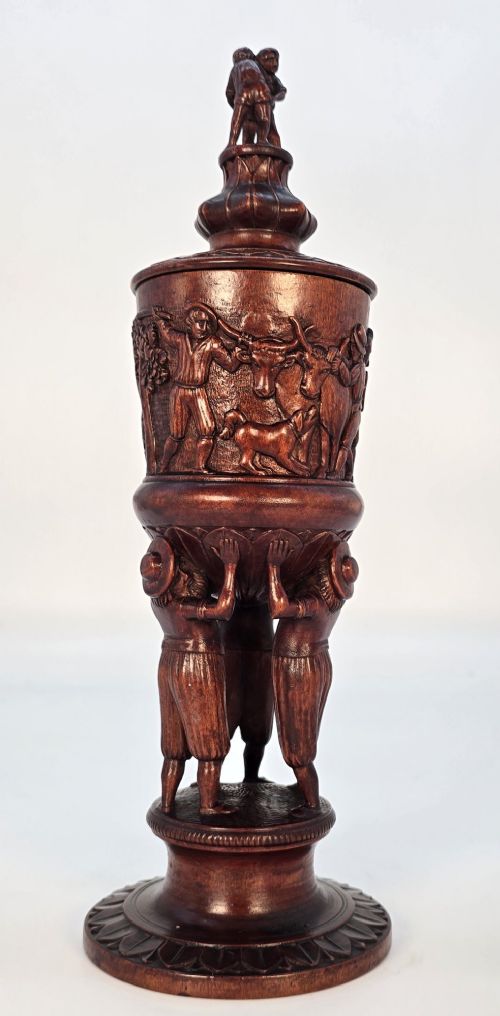
- A specialised box designed to keep cigars moist. These containers frequently take the form of carved bears or lidded chalices.
- Stick stand
- A hall furniture piece made to hold walking sticks and umbrellas. In this category, they often incorporate carved bears holding vertical channels.
- Desk tidy
- A stationary container featuring compartments for pens, ink, and blotting paper. These often incorporate carved animals such as terriers or cats.
Brienz Wooden Carving: Frequently Asked Questions
How do I identify a Swiss Brienz carving?
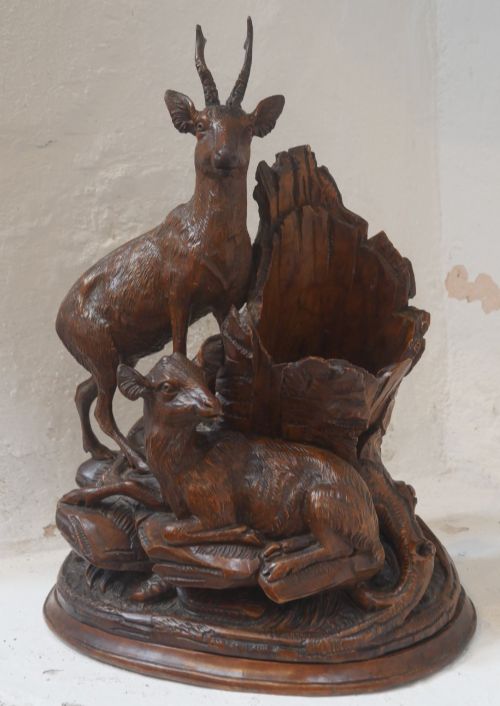
Look for naturalistic depictions of alpine animals such as bears, chamois, and ibex rendered in linden wood or walnut. Many pieces incorporate regional motifs or originate from the nineteenth-century Swiss woodworking tradition.
Signatures or stamps occasionally appear on the base or underside, though unmarked examples remain common.
Were these carvings purely decorative?
While many pieces exist as standalone sculptures and figurines, a significant portion served practical daily functions in nineteenth-century homes. Artisans integrated carving into items like inkwells, bookends, stick stands, and tobacco boxes.
This combination of utility and sculpture made them popular household accessories during the Victorian and Edwardian periods.
What wood types should I expect?
Carvers relied primarily on linden wood and walnut for their projects. Linden wood provided a light-coloured, consistent medium for intricate animal fur and facial expressions.
Walnut offered a darker, denser alternative often utilised for larger furniture elements, plaques, and chalices.
How should I care for wooden carvings?
Keep the wood away from direct heat sources and strong sunlight to prevent the timber from drying out or splitting over time. Dust gently with a soft, dry brush to protect the fine chisel marks on the surface.
Avoid applying modern polishes or liquids that might alter the historic patina of the timber.