
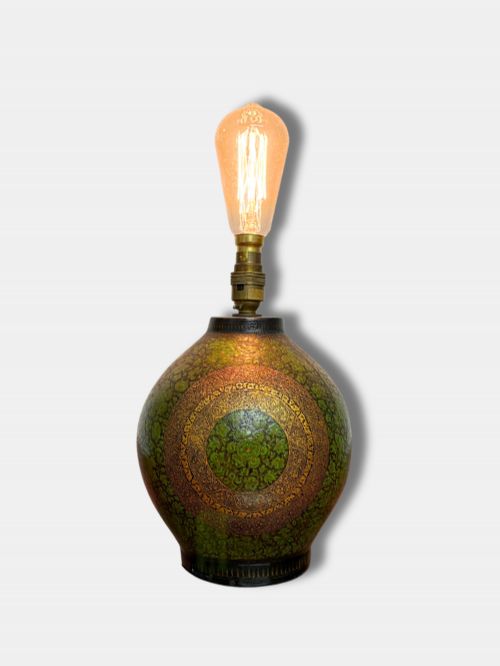
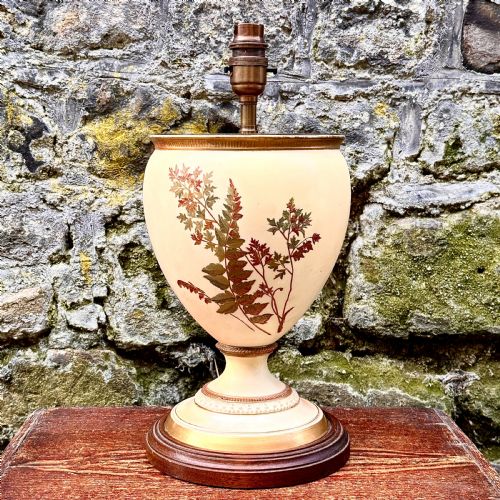
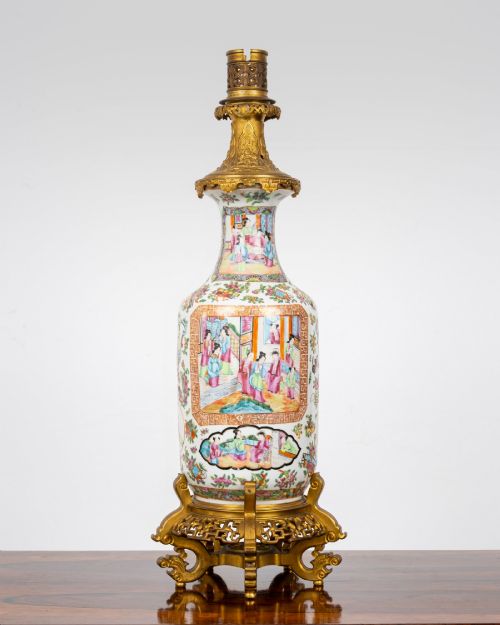
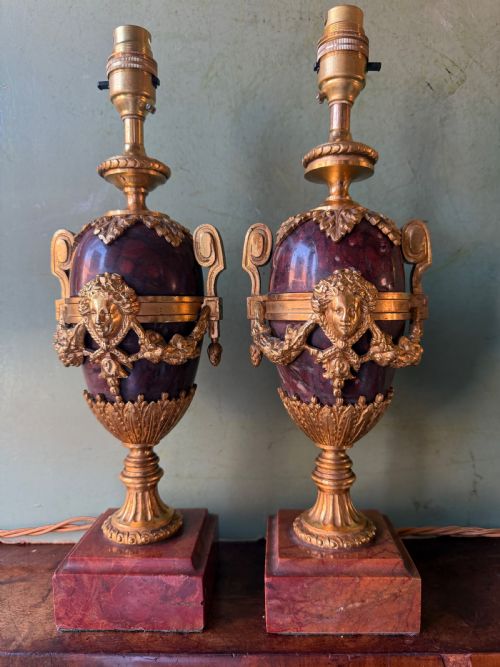
Brass Urn Table Lamp
A brass urn table lamp brings classical weight and warm metallic lustre to a room, offering both focused illumination and sculptural presence.
Brass Urn Table Lamp
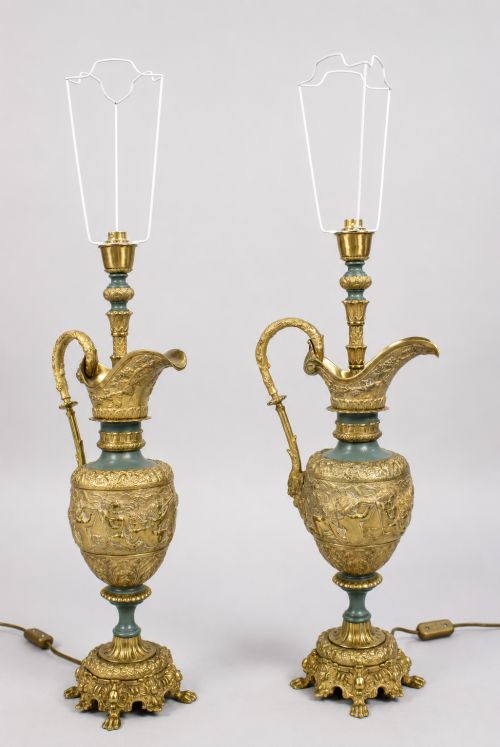
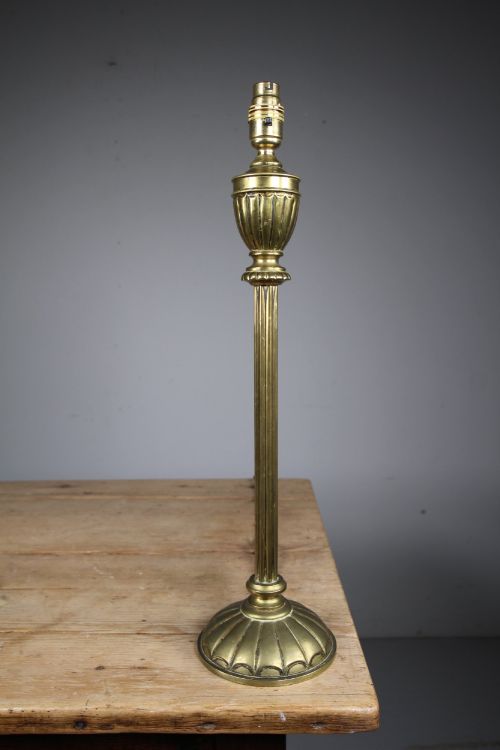
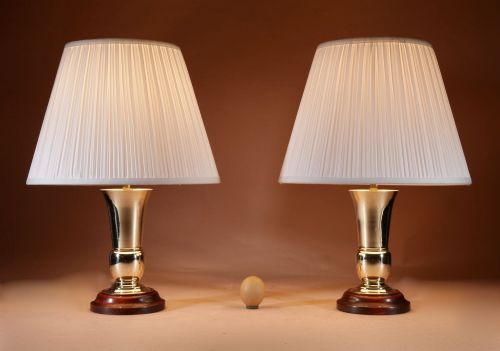
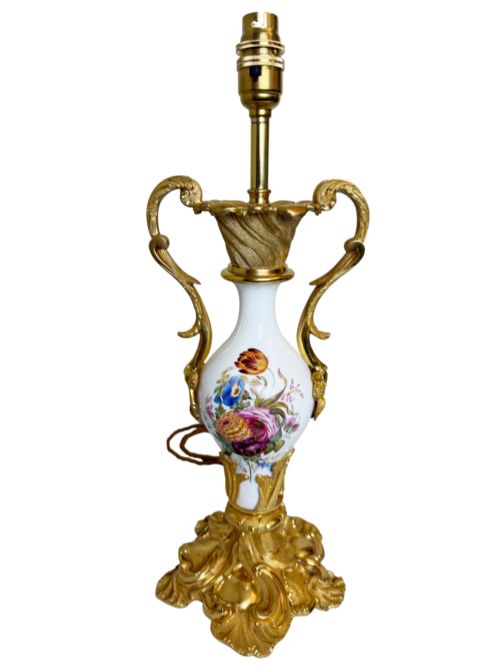
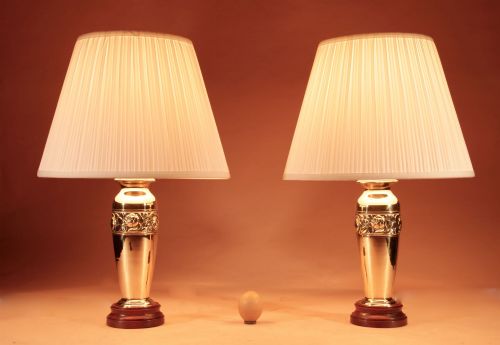
A brass urn table lamp draws on classical vessel forms, translating ancient shapes into domestic lighting across the nineteenth and early twentieth centuries. When searching for a brass urn table lamp, collectors encounter pieces ranging from solid Victorian foundations to French ormolu creations and Edwardian interpretations.
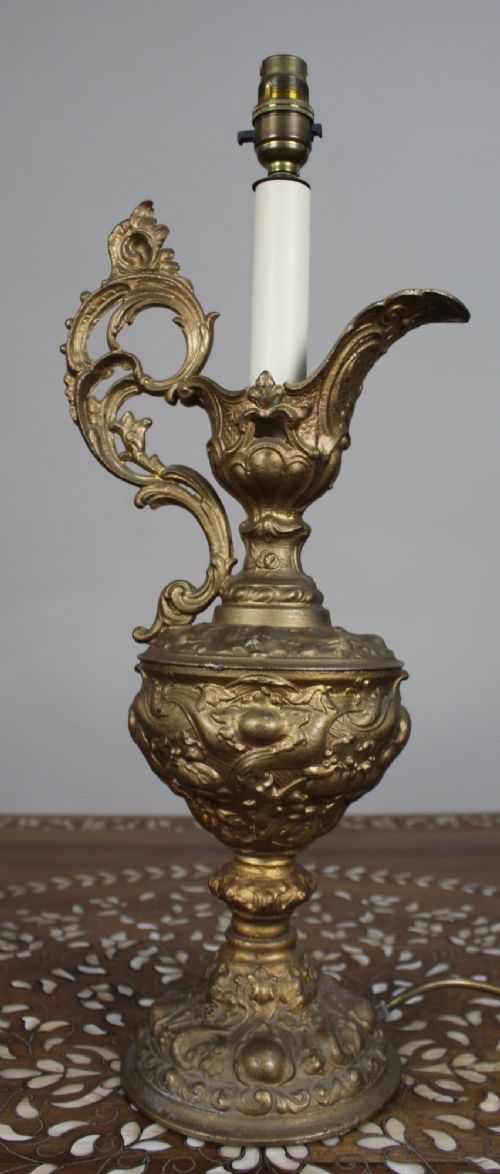
The selections span distinct periods including the Victorian era, Edwardian years and the Art Deco decade. Many examples adapt earlier objects such as cassolettes, vases, oil lamps and candlesticks into functional electrical fittings.
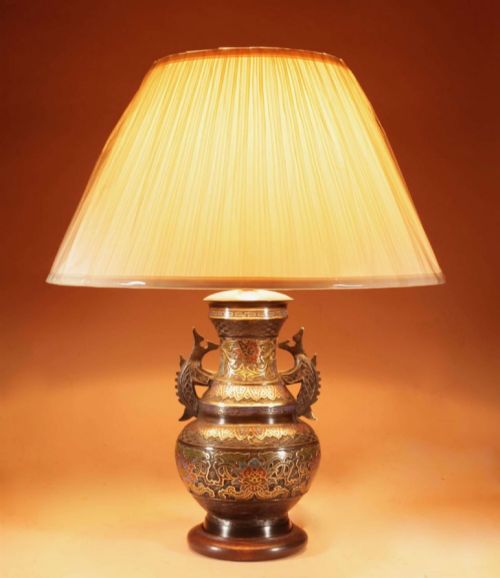
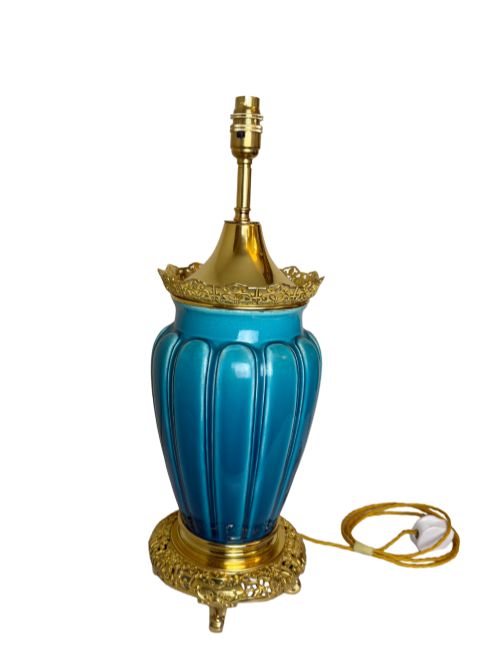
Origin points stretch from English workshops to French ateliers and Asian export centres, incorporating diverse decorative traditions like Chinoiserie and Neoclassical styling. Pairs appear frequently alongside substantial solo examples designed for prominent placement on sideboards or large tables.
How they were made
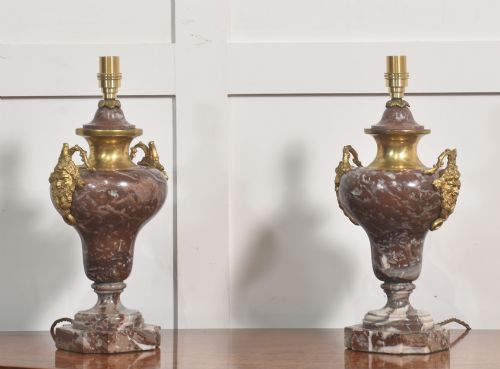
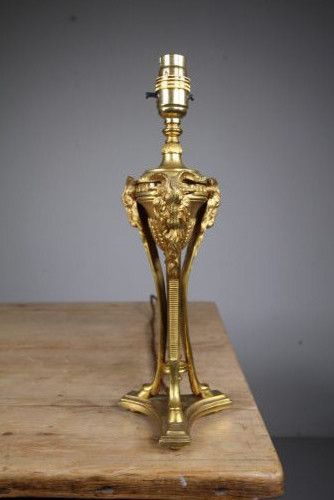
Construction relies heavily on cast brass, gilt bronze, and ormolu, often paired with contrasting elements of rouge marble, white onyx, and glazed porcelain. Metal components are shaped through casting and chasing, then mounted with decorative handles, rams heads, or paw feet.
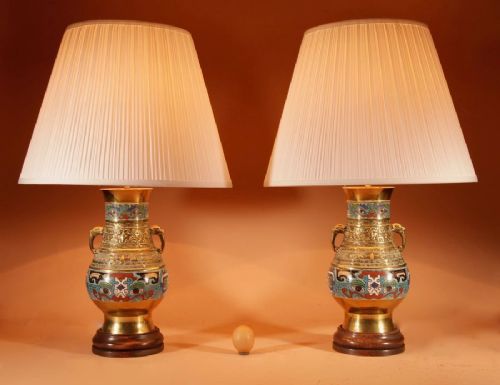
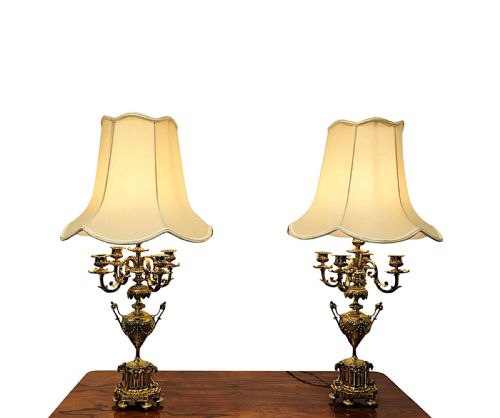
Surfaces receive varied treatments ranging from hand-painted cobalt blue porcelain to black and gold lacquer in Chinoiserie styles. Fabric shades complement the rigid metallic bodies, while converted oil lamps and candelabra integrate electrical wiring into older metal skeletons.
Listings feature materials spanning brass, gilt bronze, porcelain, marble, and wood across Victorian and Art Deco styles.
What varies in quality
The standard of a piece rests upon the crispness of the metal chasing and the depth of the gilding or ormolu work. Superior examples demonstrate finely detailed casting around handles, mounts, and base elements rather than soft or generalized profiling.
Material combination also defines the tier of a piece, where genuine rouge marble or finely painted Paris porcelain elevates the design above simpler spun brass constructions. The integration of period components during conversion work dictates the overall harmony of the finished object.
The Brass Urn Table Lamp Glossary
- Ormolu
- Gilded bronze, typically produced by applying a mercury amalgam to cast bronze before heating. This technique creates a rich, durable golden surface seen on finer French mounts.
- Cassolette
- A decorative vessel shaped like an urn, designed with a reversible lid that functions either as a container or an incense burner. These are frequently converted into distinctive lamp bases.
- Champlevé
- An enamelling technique where troughs are dug into a metal surface and filled with vitreous enamel before firing. It appears on Japanese bronze and brass bodies.
- Toleware
- Painted or lacquered sheet metal items, often finished in black and gold lacquer. This material yields decorative surfaces suited to Chinoiserie designs.
- Rouge marble
- A rich red limestone featuring white and grey veining, quarried primarily in France. It provides a heavy, colourful footing for gilt bronze mounts.
Brass Urn Table Lamp: Frequently Asked Questions
What periods do these lamps come from?
The pieces span the nineteenth and early twentieth centuries, encompassing Victorian, Edwardian and Art Deco aesthetics.
Manufacturing origins stretch across English, French and Asian workshops, reflecting diverse design movements.
How were these lamps originally used?
Many examples began as oil lamps, candelabra, cassolettes or decorative urns before later conversion to electricity.
They provided ambient lighting in principal rooms, displayed on occasional tables, sideboards and pedestals.
How do I care for a metal lamp?
Dust the metal and stone components gently with a soft dry cloth to preserve the finish.
Avoid abrasive cleaners or chemical polishes that can strip delicate gilding or damage patinated brass surfaces.
Are these lamps safe for modern wiring?
Many older pieces have been rewired to meet contemporary electrical standards for safe home use.
Checking the flex and consulting a qualified electrician ensures safe integration into domestic circuits.