




Brass Trivet Stand
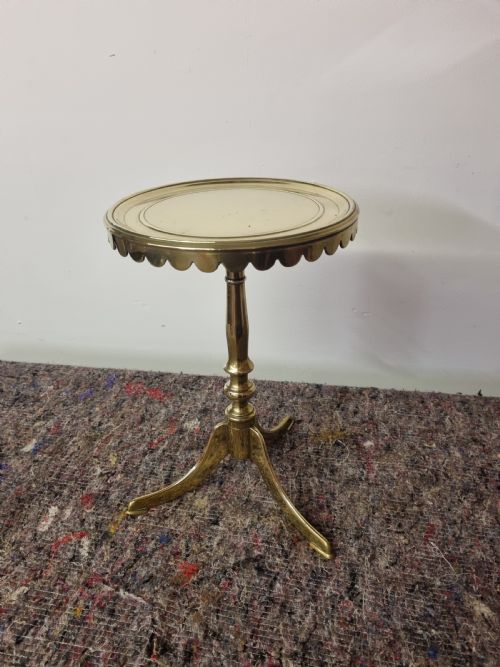
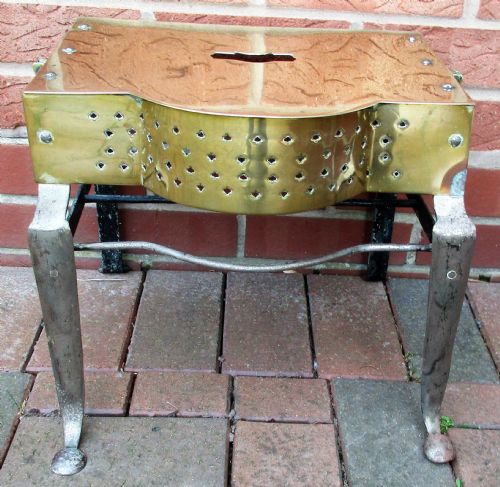
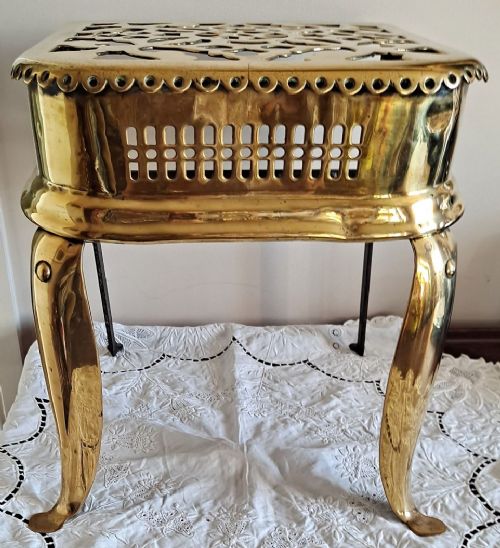
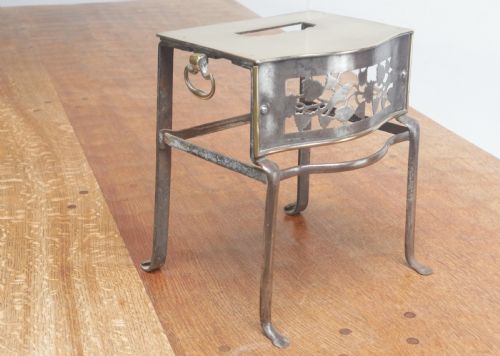
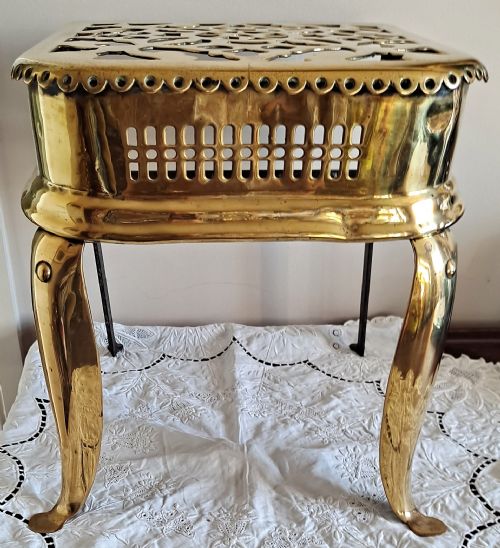
These brass trivet stand examples are functional hearth accessories designed to keep kettles or plates warm by the fire.
Brass Trivet Stand
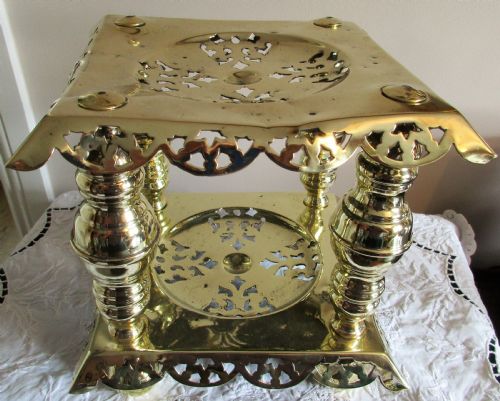
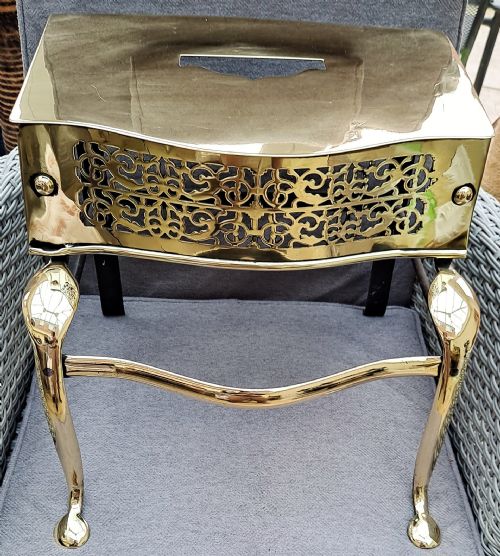
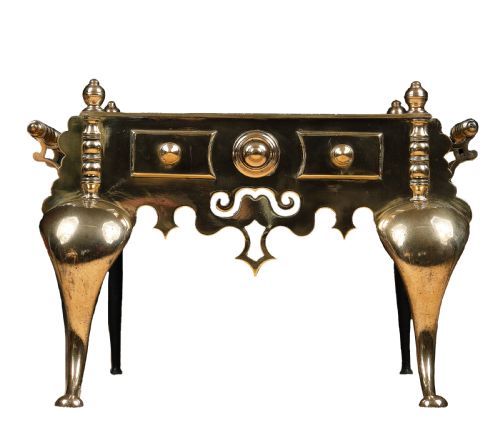
A brass trivet stand serves as a hearth accessory designed for the fireplace, functioning primarily as a plate warmer or kettle stand. When exploring this selection, buyers encounter items categorised as footmen, two tier trivets, and kettle stands.
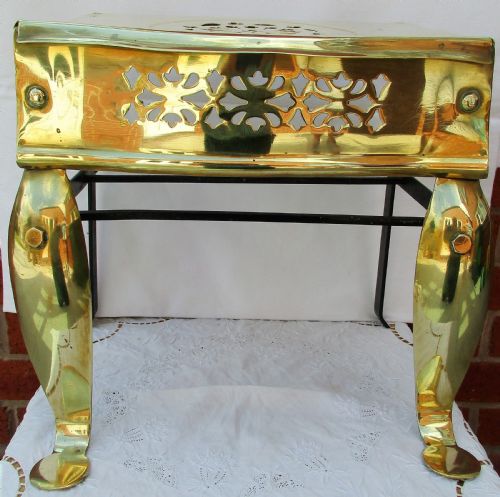
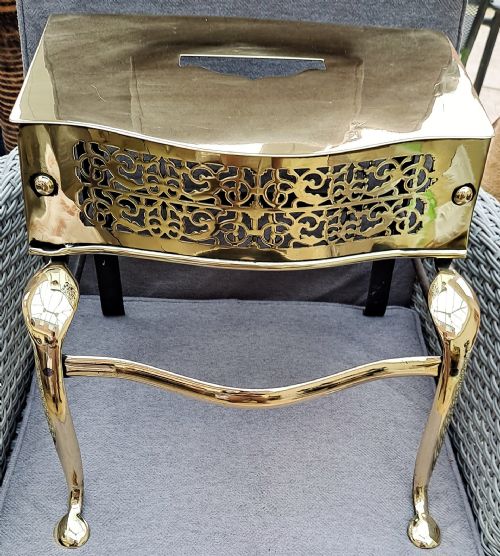
The objects span multiple periods, with Georgian and Victorian examples appearing frequently alongside 18th century, Regency, and Edwardian pieces. Forms range from pear shaped Dutch designs to traditional footman stools with cabriole legs.
Origins represented in the inventory include English and Welsh pieces, often combining brass with steel or iron components. These hearth accessories reflect the practical domestic heating needs of past centuries.
Materials and construction methods
Construction relies on a combination of cast brass, wrought iron, and steel components. Metalworkers utilised casting techniques for decorative brass tops while employing wrought iron and steel for sturdy legs and frames.
Wood occasionally appears in the construction of these stands, paired with metal frames. The integration of two tier structures and cabriole legs demonstrates traditional blacksmithing and brass founding skills.
Listings include brass, steel, iron, cast brass, wrought iron, and wood across Georgian, Victorian, Edwardian, and Regency periods.
Judging quality and craftsmanship
Quality in a brass trivet stand lies in the substance of the metalwork and the crispness of the casting. Heavier pieces with substantial brass plates and robust steel or iron frames indicate superior durability and material density.
Proportion and decorative detail separate standard examples from finer ones. Well executed cabriole legs and refined piercing on the brass surface demonstrate greater workshop skill.
The Brass Trivet Stand Glossary
- Footman
- A metal stand placed before a fireplace to keep food or water warm. These items usually feature a brass top plate and iron legs.
- Trivet
- A small support standing on legs, used to elevate kettles or dishes near a heat source. They form an essential part of hearth accessories.
- Cabriole leg
- A furniture leg that curves outward and then tapers inward, seen on certain footman stools. This style borrows from traditional cabinet making.
- Two tier trivet
- A stand featuring multiple levels for holding vessels. This configuration provides additional surface area by the fire.
Brass Trivet Stand: Frequently Asked Questions
What is a brass trivet stand used for?
These stands functioned near the fireplace to keep kettles, pots, and plates warm during colder months. They sat close to the hearth where heat from the fire kept food and water at temperature.
Over time, their role shifted from purely utilitarian hearth items to decorative interior pieces. Today they serve as fireplace ornaments or plant stands in period rooms.
How do I date a brass footman?
Dating relies on examining the construction methods, materials, and stylistic cues present in the metalwork. Georgian and Regency pieces often display specific leg forms and piercing patterns distinct from later Victorian manufacturing.
Comparing the combination of brass and steel components helps narrow down the period. Early pieces frequently show hand worked iron elements paired with heavy cast brass tops.
Are these stands made entirely of brass?
Most pieces combine brass with other metals, predominantly steel and iron. The top plate is typically cast brass, while the supporting legs and frame utilise iron or steel for structural strength.
Some examples also incorporate wooden elements into their construction. Examining the underside reveals the mix of materials used by the maker.
How do I clean an antique brass trivet?
Maintenance requires minimal intervention to preserve the historic surface and natural darkening of the metal. Dusting with a soft cloth removes everyday debris without disturbing the patina.
Harsh metal polishes should be avoided because they strip away age related oxidation. Gentle cleaning maintains the character accumulated over centuries.