

Brass Travel Timepiece
A brass travel timepiece offers dependable portable timekeeping enclosed in polished metal and glass, appealing to collectors of precision mechanical engineering.
Understanding the brass travel timepiece
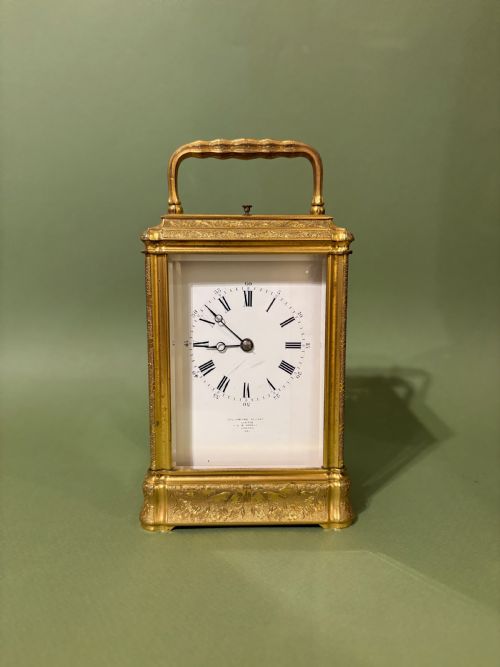
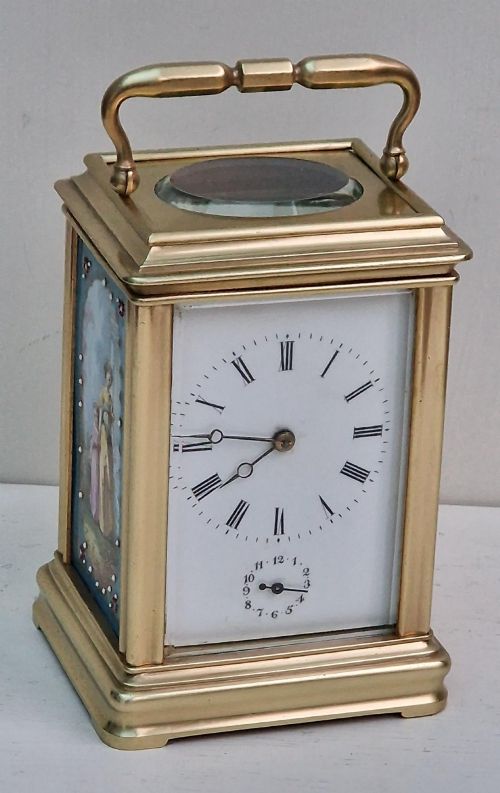
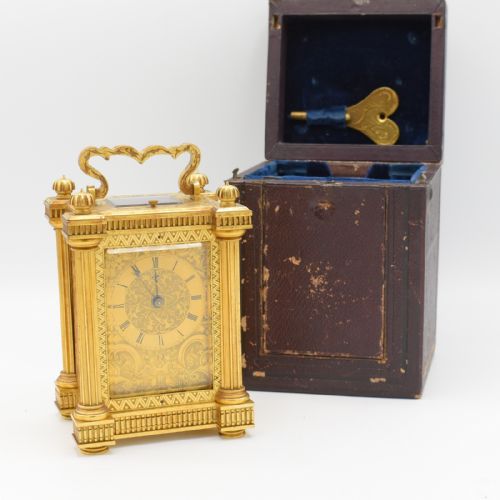
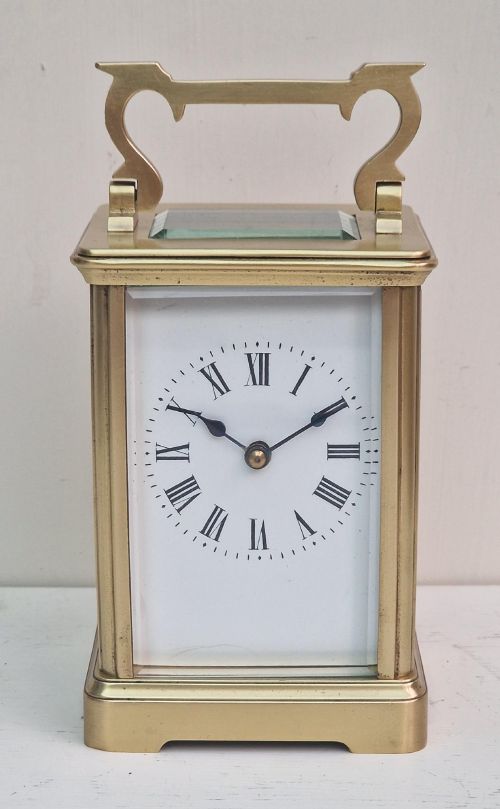
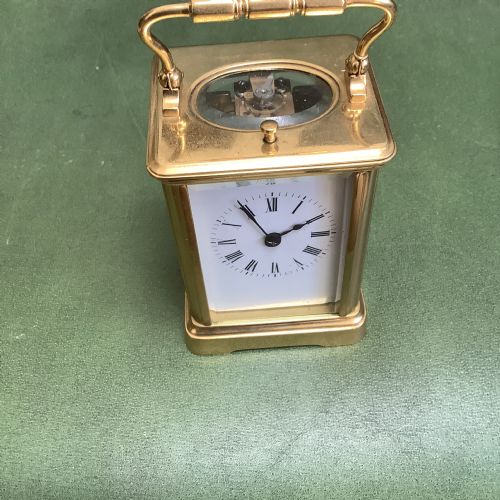
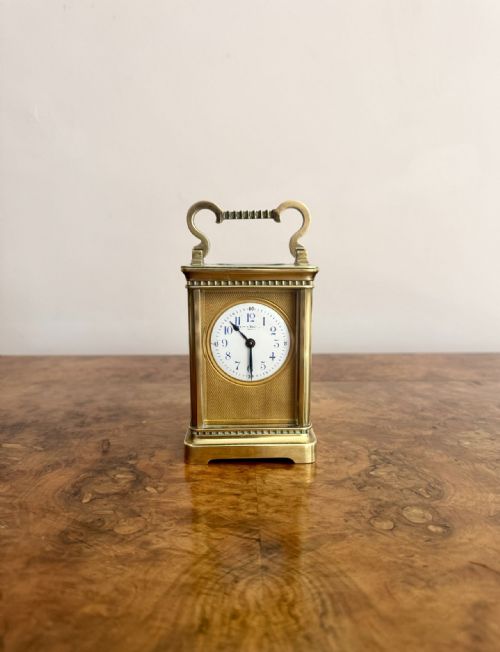
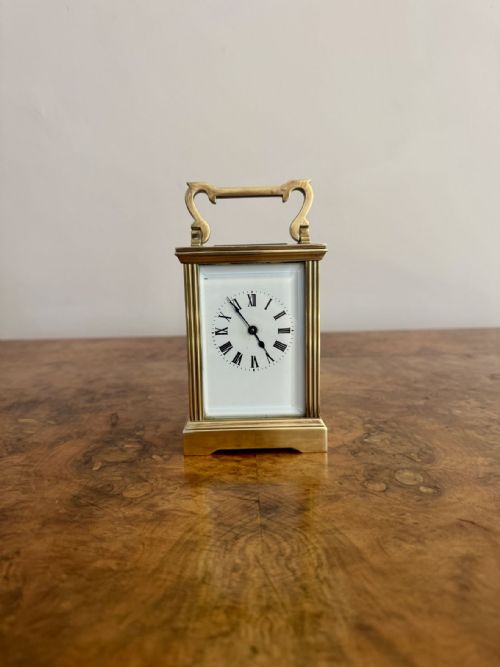
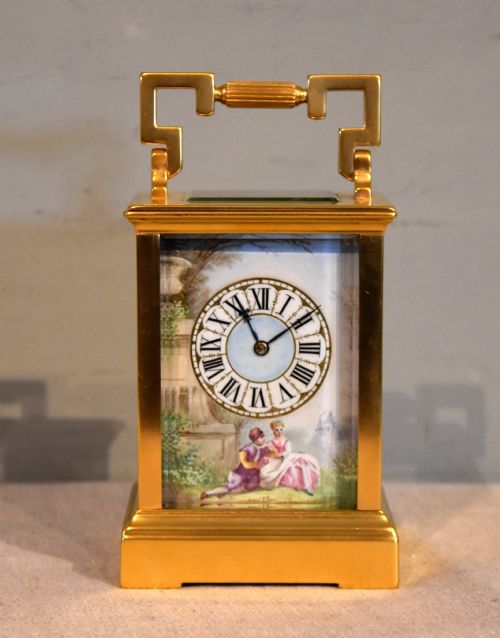
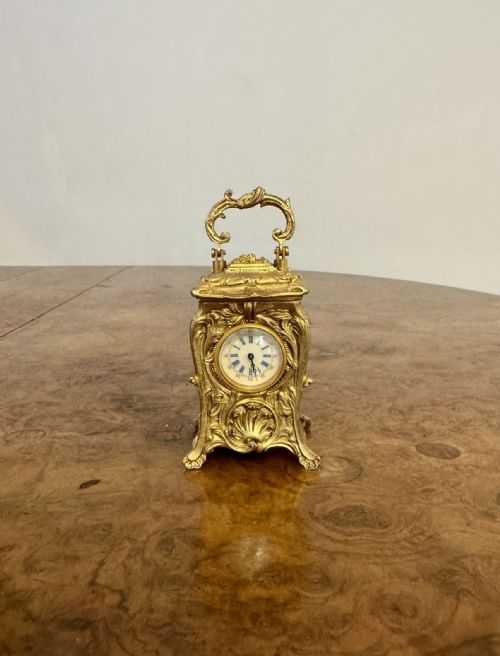
A brass travel timepiece is primarily represented on this page by Victorian French carriage clocks dating from the 1870s and 1880s. These pieces encompass striking and repeating mechanisms alongside fully engraved cases, dials, and masks.
Originating predominantly from French workshops during the nineteenth century, these clocks reflect the industrial refinement of the period. Makers such as Folkard & Son Brighton also appear among the offerings.
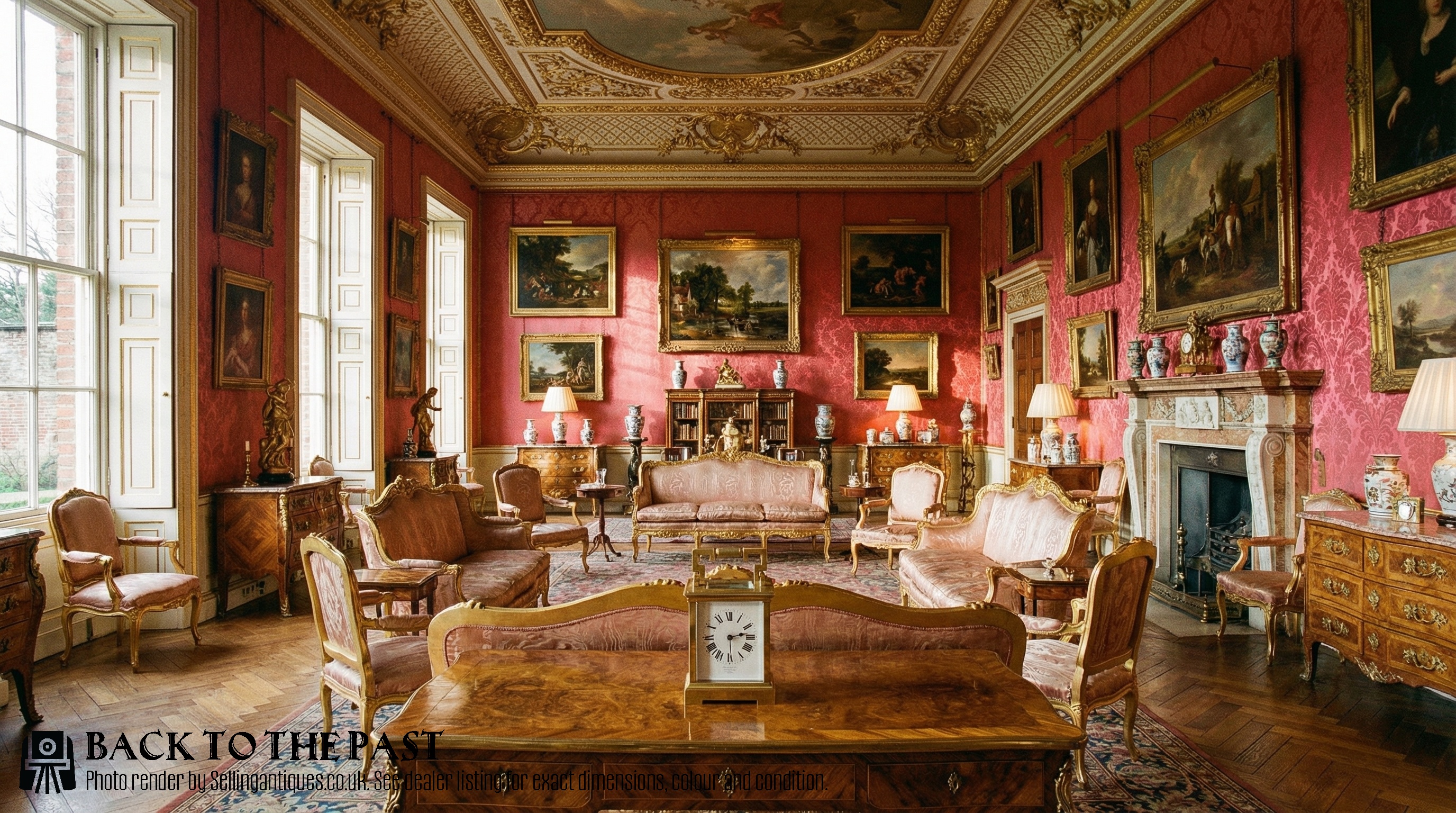
Construction and materials
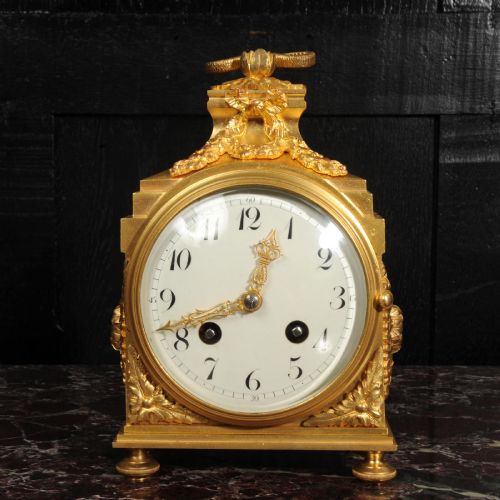
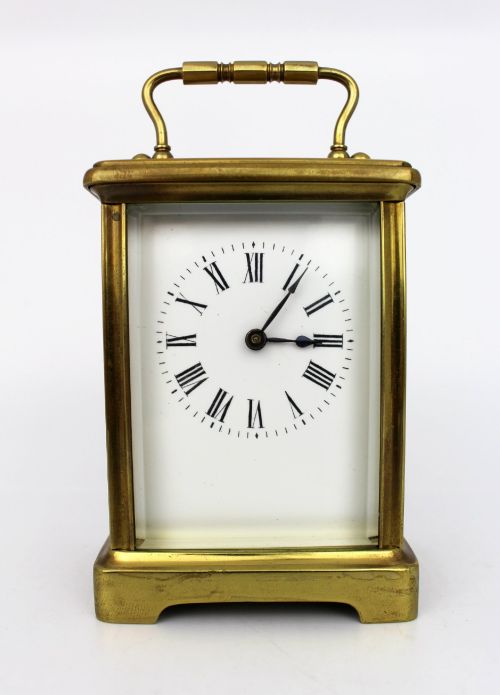
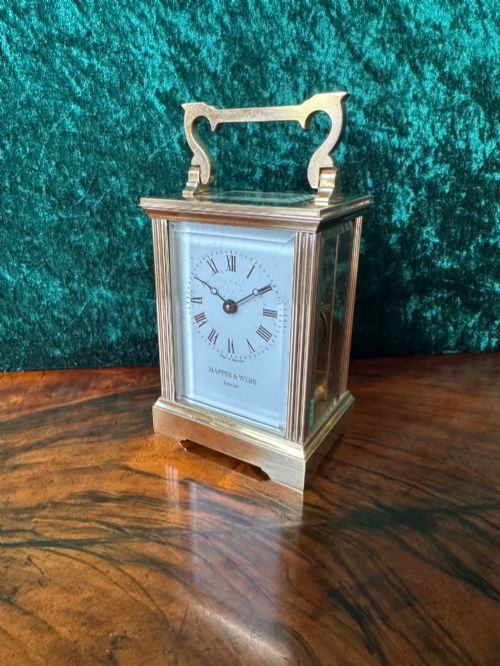
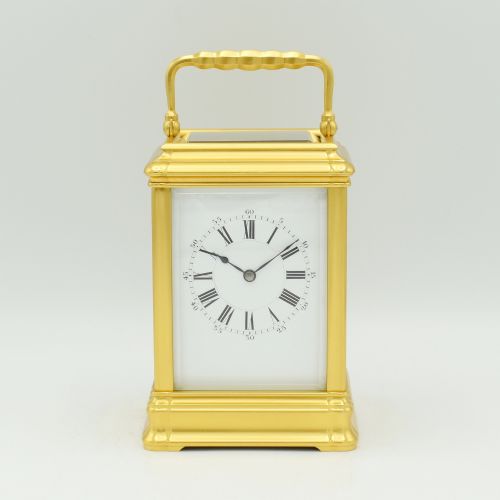
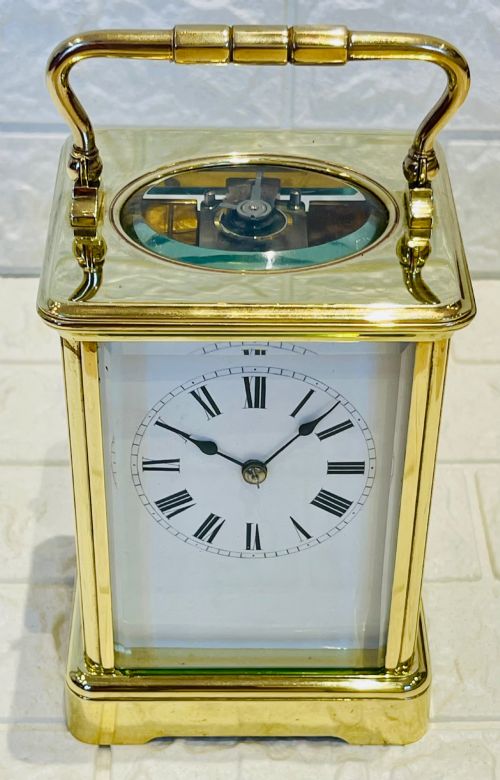
Each brass travel timepiece is constructed from heavy cast brass frames housing complex spring-driven brass and steel movements. Enamel is utilised for the chapter rings and dials, providing a crisp contrast against the polished metal casing.
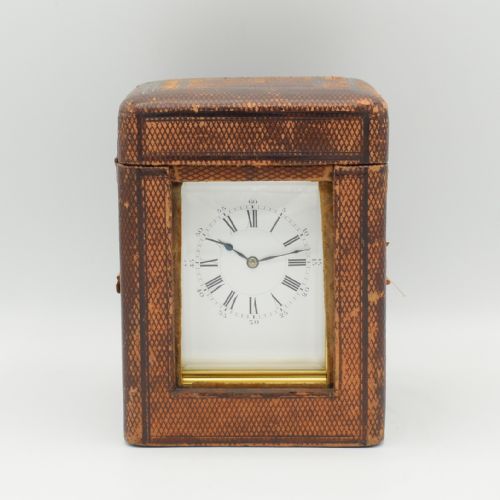
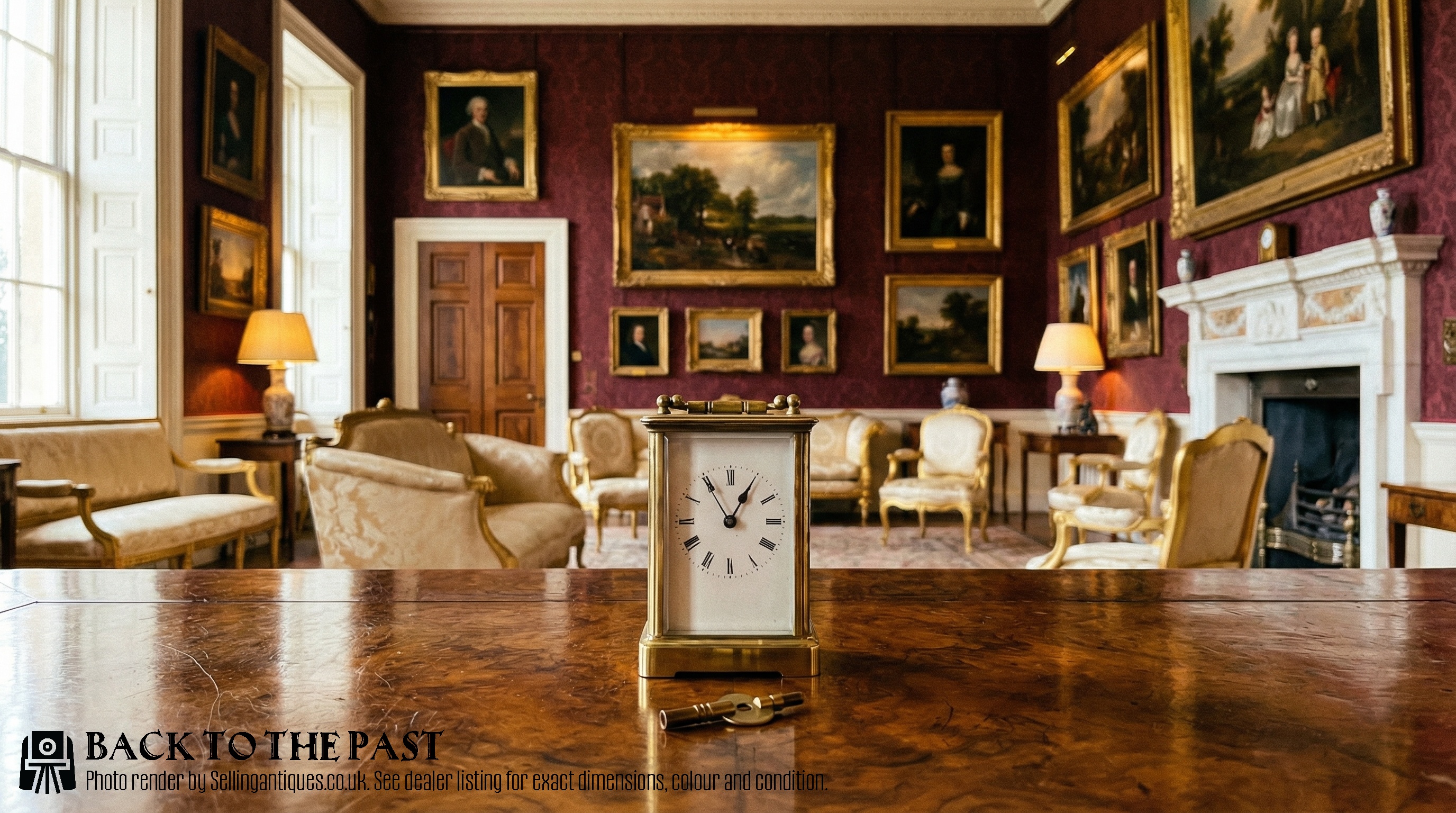
Bevelled glass panels are fitted into the top, sides, and back doors to enclose the mechanism while permitting maximum light penetration. Leather cases frequently accompanied these clocks to protect the exterior brass finish during transit.
Retail Price Guide 2026
Typical UK retail prices for brass travel timepiece, calculated from the Sellingantiques database of over a million retail prices indexed since 2003. This retail price guide relies exclusively on Sellingantiques data; no external sources or auction records are used, so the figures do not describe the wider market.
Travellers once relied on these heavy brass boxes to wake them in unfamiliar hotel rooms across Europe.
Distinctions in quality
Quality within a brass travel timepiece is demonstrated by the depth and precision of the case engraving. Fully engraved brass masks and cases require significant hand skill, separating standard production models from exceptional examples.
The inclusion of repeating and striking complications adds considerable mechanical sophistication to the piece. Furthermore, the presence of fully restored movements ensures operational longevity and preserves the historical integrity of the clock.
Folkard & Son Brighton
The Brass Travel Timepiece Glossary
- Carriage clock
- A small, spring-driven timekeeper designed for travel during the nineteenth century. These clocks typically feature a rectangular brass case with a handle on top and glazed panels on all sides.
- Repeating mechanism
- A complication that allows the clock to chime the last hour and quarters upon pressing a button on the case. This feature was particularly useful for telling time in the dark while travelling.
- Escapement
- The internal mechanical linkage that controls the release of power from the mainspring to the gear train. It maintains the regular oscillation of the balance wheel.
- Mask
- The decorative plate surrounding the dial face of the clock. In finer examples, this component is heavily engraved or gilded.
Frequently Asked Questions
What is a brass travel timepiece?
A brass travel timepiece is a portable mechanical clock housed in a brass and glass case, designed during the Victorian era for use on journeys.
These clocks rely on spring-driven movements rather than pendulums, allowing them to keep accurate time while moving.
How do you wind a carriage clock?
Winding is typically performed by inserting a key into the arbours located on the backplate of the movement. Care must be taken not to overwind the mainspring.
Many of these Victorian mechanisms require weekly winding to maintain continuous operation.
What does a repeating alarm do?
A repeating function enables the clock to sound the most recent hours and quarters on demand by pressing a plunger on the case. Alarm variants sound at a preset time.
These added mechanical complications required exceptional precision from nineteenth-century clockmakers.
How are these clocks dated?
Dating relies on stylistic clues, case architecture, engraving techniques, and maker signatures recorded on the movement or dial. The listings here predominantly point to the 1870s and 1880s.
Victorian French workshops established specific design conventions that help identify the manufacturing period.