



Brass Tabletop Light
A brass tabletop light brings warm metal and steady illumination to a room, ranging from Georgian candlesticks to Art Nouveau oil lamps.
Brass Tabletop Light
A brass tabletop light covers a diverse array of domestic illumination pieces spanning several centuries of British, French and continental design. When you search for a brass tabletop light, you encounter everything from simple 18th-century Georgian brass candlesticks to elaborate Victorian oil lamps and early 20th-century flexible desk lamps.
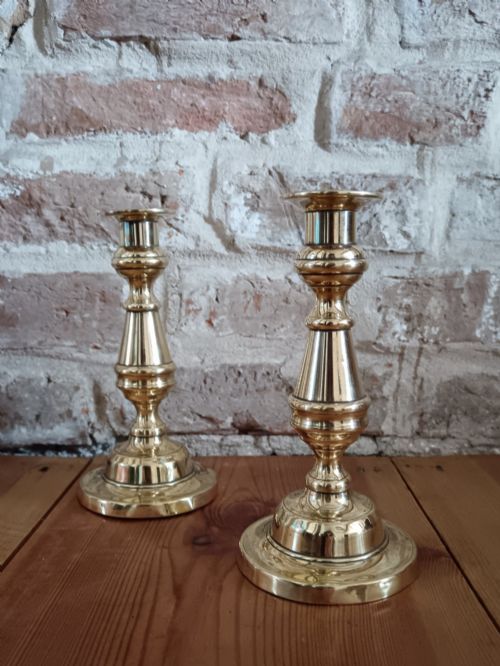
The objects take several distinct forms on this page, dominated by pairs of candlesticks, multi-armed candelabra, and fuel-burning oil lamps. Examples extend across Victorian, Regency, Edwardian, Arts and Crafts, Art Nouveau, and Gothic Revival styles, incorporating functional ejector mechanisms or adjustable shades.
Materials stretch beyond plain brass to include gilt bronze, patinated metal, and cast iron, frequently combined with glass reservoirs in cranberry or milk glass, and occasionally set on marble bases or paired with turned mahogany. These pieces served practical lighting needs in homes long before electricity, and today they function as decorative accents.
What varies in quality
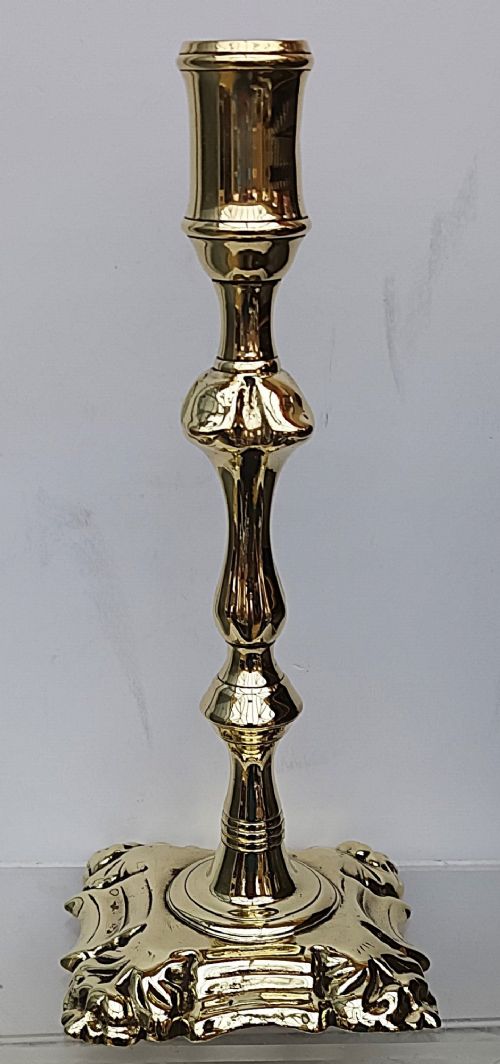
Quality in these lighting pieces rests upon the crispness of the casting detail and the weight of the metal used in the construction. Heavier brass castings provide stability, particularly in tall candlesticks and multi-armed candelabra, ensuring the piece stands firmly without wobble.
The sophistication of the design and the integrity of the materials dictate the standing of an item, such as the precision found in Regency ejector mechanisms or the artistry of an Art Nouveau oil lamp. Coloured glass reservoirs, particularly cranberry glass, and mercury gilding on ormolu examples elevate the decorative ambition of the piece.
Some oil lamps from the Victorian era still carry the faint, lingering scent of paraffin after more than a century.
Jan Eisenlöffel·WMF·Messengers·Harrods
The Brass Tabletop Light Glossary
- Ejector candlestick
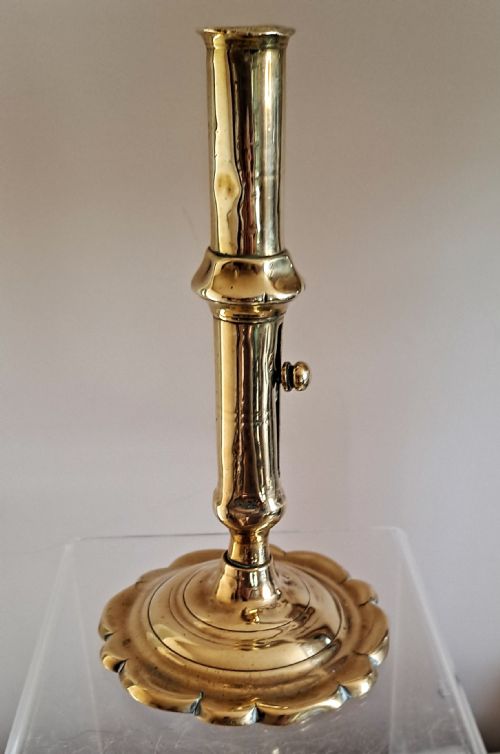
- A candlestick fitted with an internal spring or sliding push-rod mechanism to lift out the residual candle stub. This clever addition was particularly common in the late Georgian and Regency periods.
- Candelabra
- A branched lighting fixture designed to hold multiple candles at once. These range from Georgian ormolu four-arm pairs to Arts and Crafts five-light examples.
- Ormolu
- Finely ground high-carat gold applied to a bronze base, producing a rich golden finish. It appears frequently on French and English decorative pieces from the 18th and 19th centuries.
- Cranberry glass
- A rich pinkish-red glass created by adding gold chloride to the molten glass batch. It forms the vibrant font reservoirs on certain Victorian oil lamps.
- Patinated metal
- Metal surfaces that have developed a deep, lustrous surface coloration through age, oxidation, and handling. Collectors often prize this natural ageing over polished finishes.
Brass Tabletop Light: Frequently Asked Questions
How do I date a brass candlestick?
Dating relies on observing base construction, manufacturing methods, and stylistic cues. Georgian examples often feature petal bases and heavy solid brass castings, whereas later Victorian and Edwardian pieces show different casting seams and proportions.
Changes in domestic lighting habits also dictate form, moving from simple single-candle holders to complex oil lamps and eventually flexible electrical desk fittings by the early 20th century.
Were oil lamps converted to electricity?
Many antique oil lamps retain their original burners and glass reservoirs, while others have been adapted over the decades for modern domestic use. Examining the collar, burner assembly, and wick winder reveals whether the lighting mechanism remains intact or has undergone alteration.
Collectors often weigh the appeal of an unalterable historic state against the practical convenience of an interior wired for light.
What is the difference between brass and ormolu?
Brass is an alloy composed primarily of copper and zinc, valued for its bright golden appearance and durability in everyday household objects. Ormolu, by contrast, involves applying a fine layer of gold to a bronze substrate, creating a much richer, warmer metallic sheen associated with high-end decorative arts.
While standard brass candlesticks formed everyday household items, ormolu candelabra served grand formal interiors.
How should I clean antique brass?
Antique brass benefits from gentle dusting and minimal intervention to preserve the historic surface patination accumulated over generations. Aggressive metal polishes strip away the aged character that collectors value in older pieces.
Light cleaning with a soft, dry cloth keeps dust at bay without harming the underlying metal or any patinated metal finishes.