




Brass Strapped Wooden Box
A brass strapped wooden box is a durable container built for travel or secure storage, combining sturdy timber with protective metalwork to last generations.
Brass Strapped Wooden Box
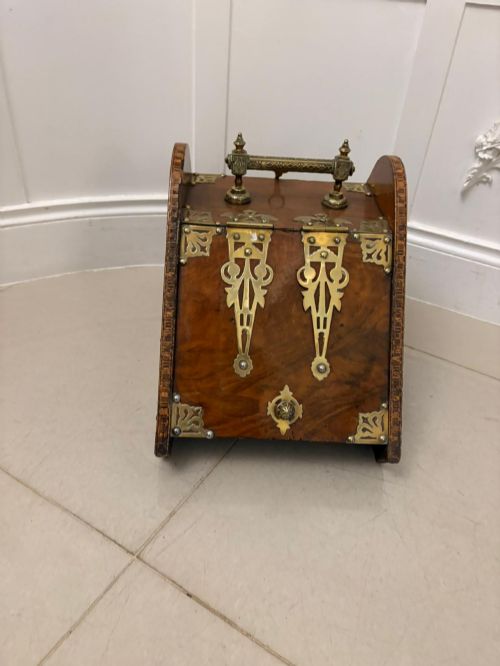
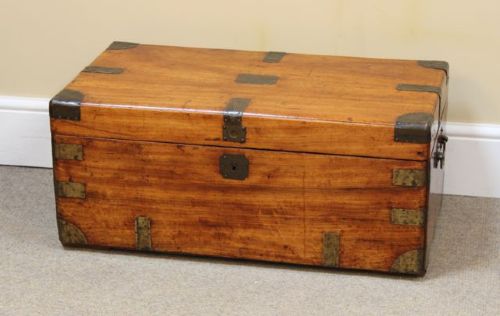
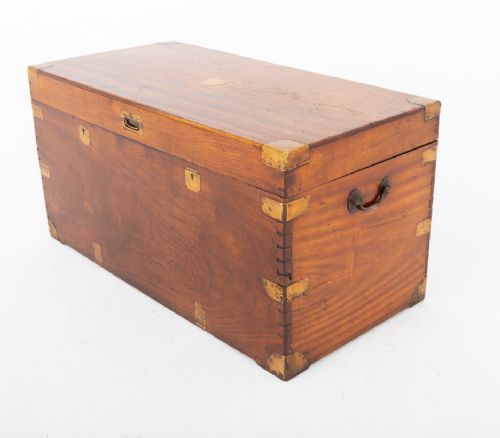
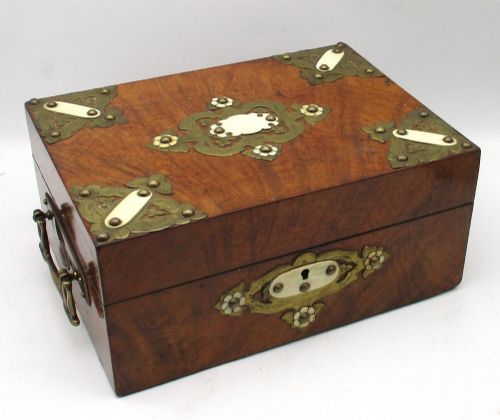
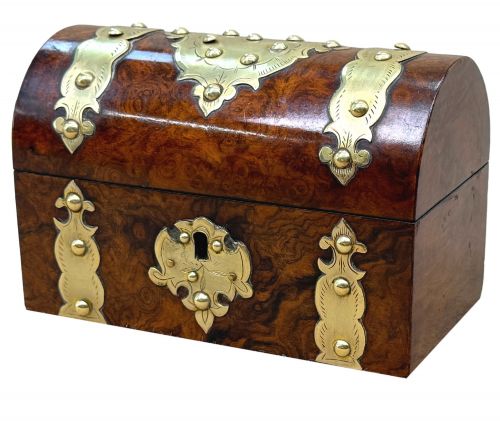
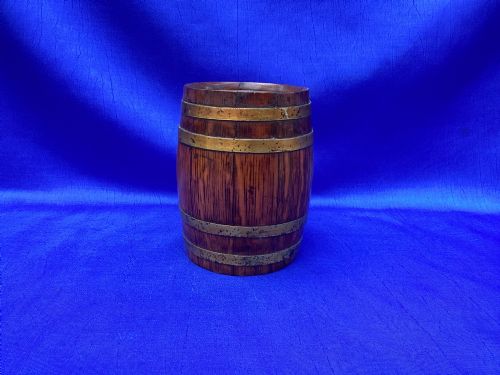
A brass strapped wooden box takes many forms across the centuries, ranging from small stationery boxes and writing slopes to large camphor wood chests and military campaign trunks. Buyers encountering this phrase will find pieces spanning the Georgian, Victorian, and Edwardian eras, constructed for travel, domestic storage, or mercantile use.
The materials reflect a global trade in timber, featuring native oaks and mahognies alongside exotic woods such as teak, camphor, and burr walnut. These containers served specific functions in officers' tents, country houses, and merchant vessels, resulting in robust forms designed to withstand long journeys.
Origins vary from English workshops to Anglo-Indian, Chinese export, and Scandinavian makers, adding distinct regional characteristics to the construction. Whether handling a delicate glove box or a heavy iron-bound coffer, the core purpose remains secure containment reinforced by metal straps.
Materials and Construction
Makers built these pieces using dense hardwoods like teak, oak, mahogany, and camphor wood, chosen for their resilience against warping and moisture. These timbers provided a stable foundation capable of holding heavy contents during transport.
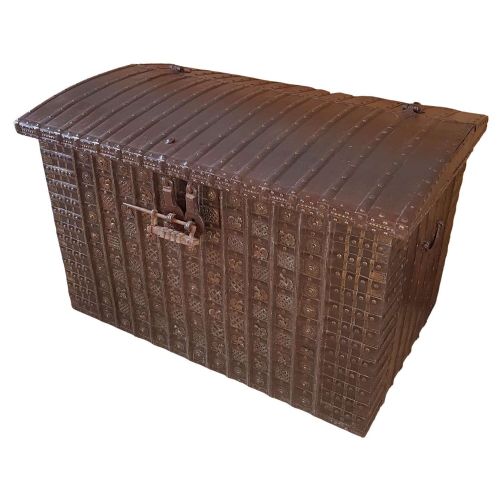
Structural reinforcement relied heavily on brass strapping, corner brackets, and iron bands fastened with screws or rivets to protect vulnerable edges from impact. Flush-fitting campaign handles and robust locks were integrated to allow stacking and secure transit.
One determined general packed his life into an iron-bound walnut trunk for Waterloo, proving that paperwork survived the battlefield.
Craftsmanship and Materials
Quality rests in the selection of timbers, such as figured burr walnut or dense coromandel, and the precision with which the brass strapping is sunk flush into the wood. Superior examples feature dovetail joints, original working locks with keys, and secondary woods that match the exterior finish.
The integration of specialised internal fittings, such as secret drawers in writing slopes or fitted dividers in stationery cabinets, elevates a piece beyond standard utility. Finer boxes display meticulous attention to detail in their hardware and decorative inlays like pietra dura.
C.G. Hope Hastings
The Brass Strapped Wooden Box Glossary
- Campaign trunk
- A robust storage chest designed for military officers on the move, featuring recessed brass handles and reinforced corners. These boxes often split into sections for ease of transport.
- Writing slope
- A portable desk that opens to reveal a slanted writing surface, inkwell compartments, and storage for stationery. They frequently incorporate secret drawers and leather inserts.
- Cellarette
- A fitted container used for storing bottles of wine or spirits, often heavily reinforced with brass bands. They appear in dining rooms near the floor during the Georgian period.
- Pietra dura
- An artistic technique utilising cut and fitted polished coloured stones to create intricate designs. This inlay work appears on luxury Victorian boxes made from exotic woods.
- Damchiya
- A traditional low dowry chest originating from Rajasthan, heavily banded in iron or brass. These pieces served as secure storage for household valuables and textiles.
Brass Strapped Wooden Box: Frequently Asked Questions
What were brass strapped wooden boxes used for?
These boxes served multiple purposes, from housing officers' uniforms and official documents during military campaigns to storing domestic stationery, writing slopes, and valuables in country houses. Their heavy construction and metal strapping protected contents from the rigours of travel.
Merchants and travellers also utilised large trunks for shipping goods across global trade routes, relying on the robust timber shells to keep contents secure over long distances.
How do I identify a military campaign box?
Military campaign boxes feature distinctive hardware designed for transport, including flush-mounted brass handles that do not catch on ropes or packing cases, and reinforced brass corners to absorb impacts.
Many examples are constructed from durable woods like teak or camphor, and some larger chests are built in two sections to allow easier loading onto pack animals or ships.
What woods are commonly found on these boxes?
The listings show a wide variety of timbers, including native British oak, mahogany, elm, and pitch pine, alongside imported species such as teak, camphor wood, rosewood, and walnut.
Finer decorative pieces often utilise burr walnut or coromandel, sometimes enhanced with brass banding, iron straps, or stone inlay work like pietra dura.
How should I care for a antique wooden box?
Keep wooden boxes away from direct sunlight and extreme humidity changes, which can cause timber to split or brass mounts to loosen from the surrounding grain. Gentle dusting with a dry cloth is usually sufficient for maintenance.
Avoid harsh chemical cleaners on the wood or the metal strapping, preserving the natural patina developed over centuries of handling and travel.