

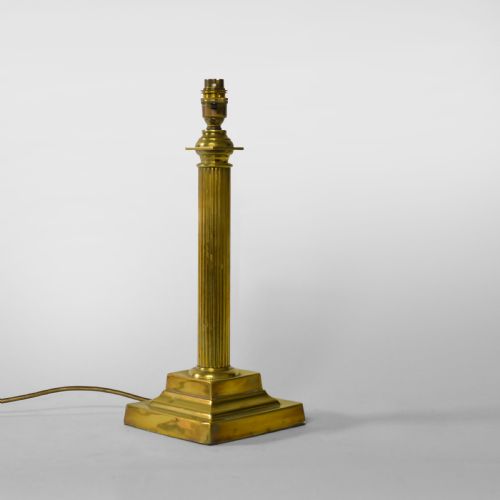


Brass Sideboard Lamp
These brass sideboard lamp examples bring warmth and period character to a room, spanning styles from Victorian classical revival to art deco.
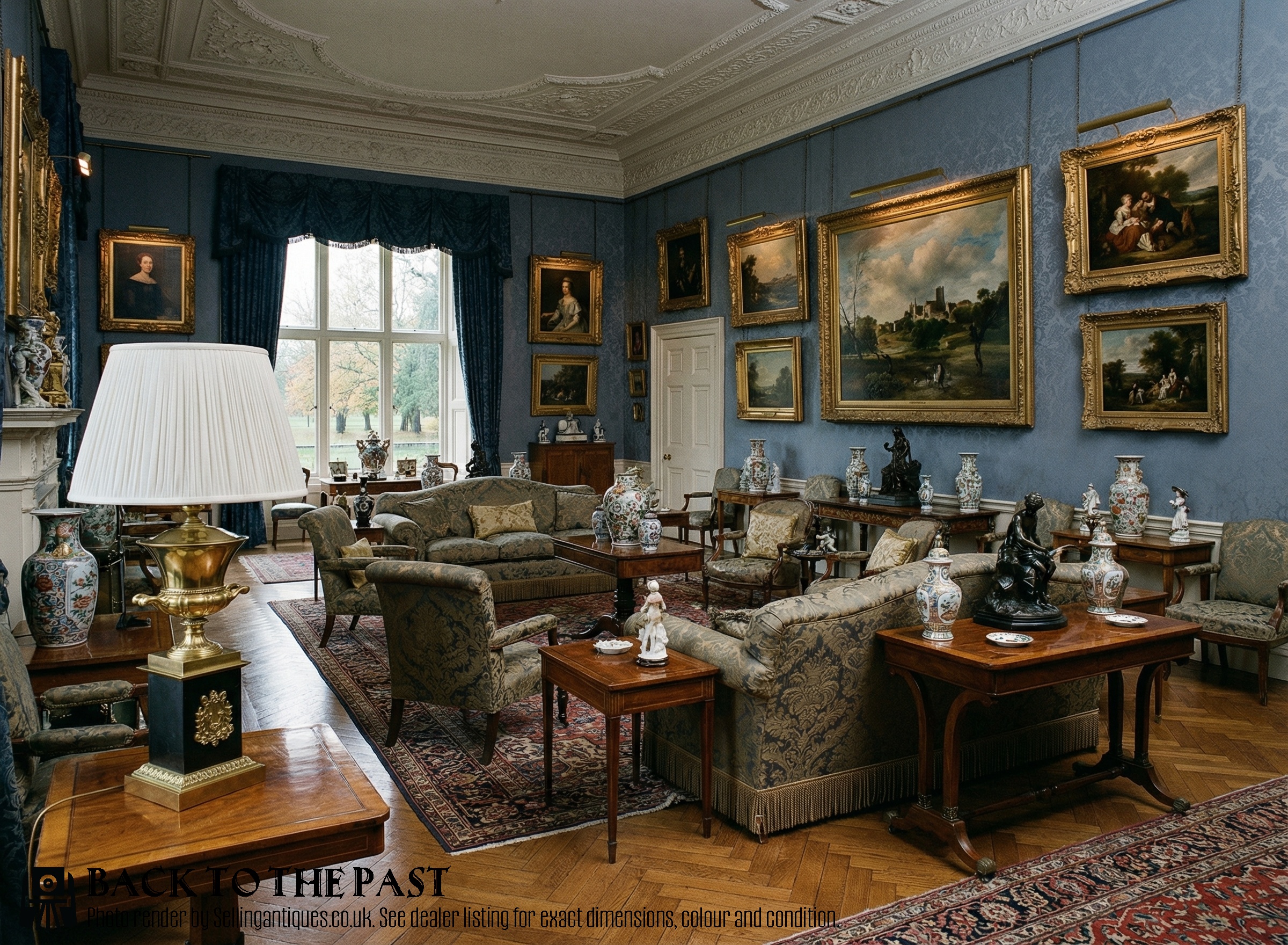
Brass Sideboard Lamp
When you search for a brass sideboard lamp, you uncover lighting forms that include table lamps, oil lamps, and candelabra designed to sit on credenzas or side tables. The selection ranges from nineteenth century designs through to pieces from the nineteen twenties and thirties.
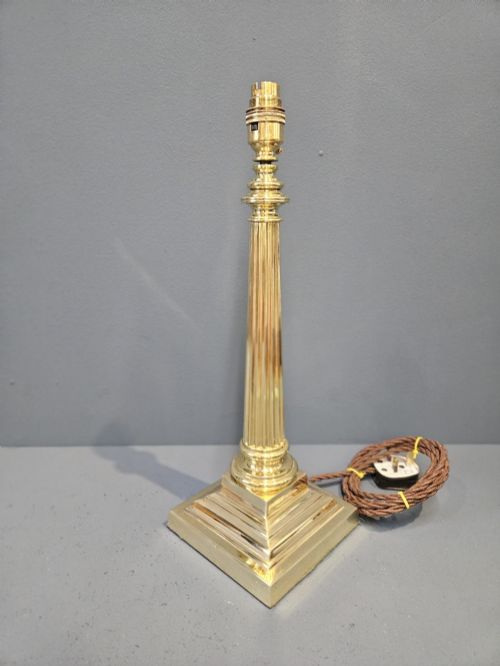
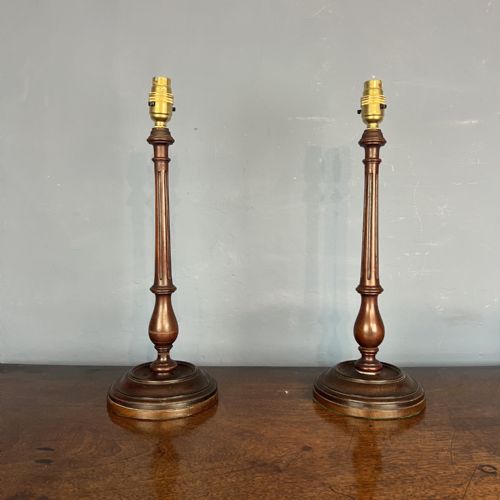
The most common versions met on this page are column lamps, such as Corinthian or reeded examples in brass and bronze, alongside cut glass and crystal hybrids. Many originate from Victorian and Edwardian periods, while others show French neoclassical or gothic revival influences.
How they were made
Metalworking techniques combine cast and spun brass, ormolu, and gilt bronze, often incorporating structural elements like fluted columns and ionic capitals. Surface finishes vary from bright gilding to patinated bronze.
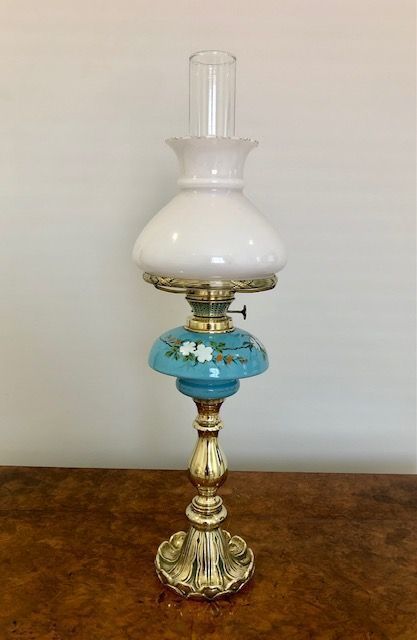
Glass components include lead crystal, opaline glass, and cut glass bodies mounted on brass bases. Fabric shades and fitted burners complete the construction of the period oil and table lamps.
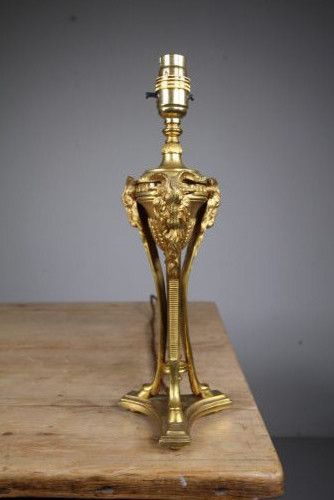
Ram heads gaze steadily from nineteenth century ormolu mounts, keeping watch over the sideboard.
What varies in quality
Quality rests in the crispness of the metal casting, particularly on capital details, rams heads, and column fluting. Heavier gauge brass and solid bronze mounts denote superior manufacture compared to lighter pressings.
The integration of glass and metal components marks the difference in tier. Fine cut lead crystal and heavy opaline glass paired with fire-gilded ormolu represent the higher end of the range.
The Brass Sideboard Lamp Glossary
- Ormolu
- Gilded bronze used for decorative mounts and fittings. It provides a rich gold-coloured surface on nineteenth century lighting.
- Corinthian column
- A classical architectural column style featuring ornate acanthus leaves on the capital. These forms frequently serve as the main shaft for sideboard lamps.
- Opaline glass
- An opaque or translucent pale glass popular in Victorian manufacture. It diffuses light softly when used in lamp bodies.
- Reeded column
- A pillar decorated with parallel convex roundings running vertically along the shaft. This detail appears widely on Victorian brass lamps.
- Gilt bronze
- Bronze metal treated with a gold finish or wash. It offers durability combined with a lustrous metallic sheen.
Brass Sideboard Lamp: Frequently Asked Questions
How do I style a brass sideboard lamp?
Place the lamp on a dining room sideboard or a living room console to add height and warm illumination. Pair classical column designs with traditional wood furniture or use art deco forms for contrast.
Ensure the scale of the lamp matches the depth of the surface it sits upon. These pieces work well as accent lighting in darker corners of a room.
Were these lamps originally electrified?
Many nineteenth and early twentieth century examples started as oil lamps or candlesticks before conversion to electricity. Some later pieces from the nineteen twenties were manufactured specifically for electric bulbs.
Conversions often retain the original burners or font sections while adapting the interior for modern wiring. This preserves the visual integrity of the antique base.
How do I tell Victorian lamps from later periods?
Victorian pieces often display heavy brass casting, Corinthian capitals, and gothic or classical revival motifs. They frequently originate from the mid to late nineteenth century.
Later Edwardian and nineteen twenties examples lean towards sleeker columns, obelisk shapes, or early modernist lines. Materials also shift towards simpler brass forms and combined crystal.
What is the difference between brass and ormolu?
Brass is a yellow alloy of copper and zinc used extensively for structural lamp bodies and columns. It offers a robust metal base for domestic lighting.
Ormolu refers specifically to gilded bronze mounts applied for decorative effect. It displays a deeper, warmer golden tone and sharper detail in cast ornamentation.