

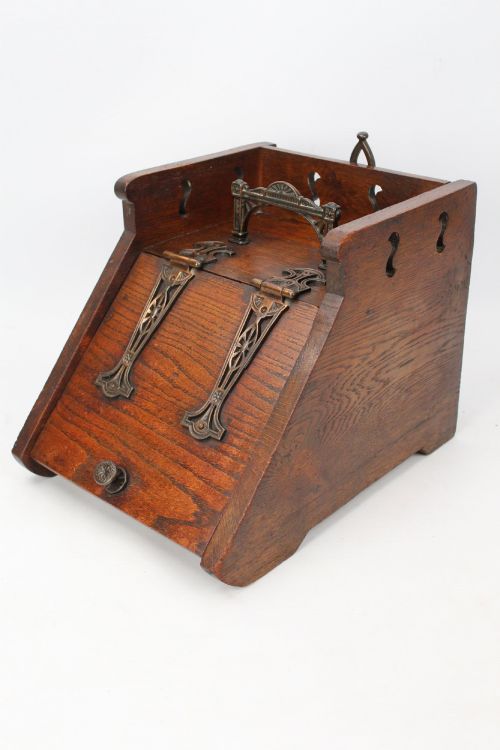

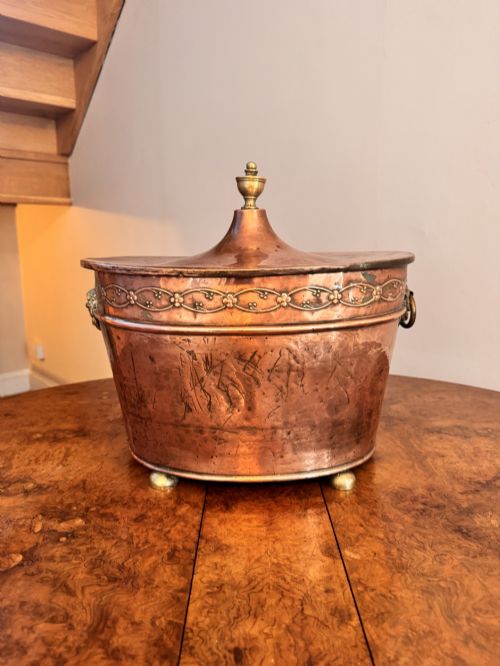
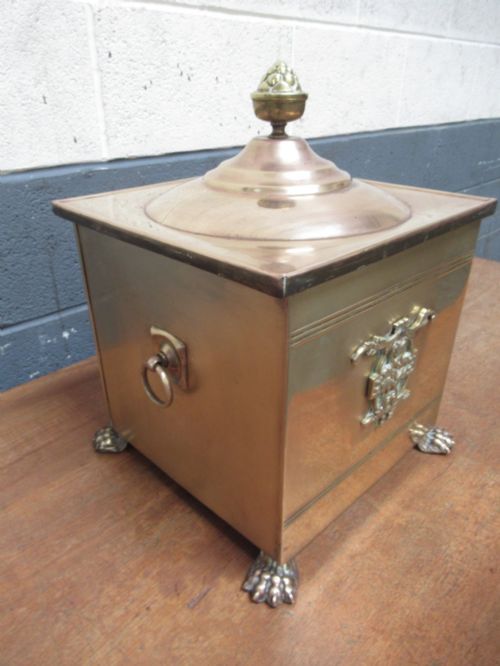
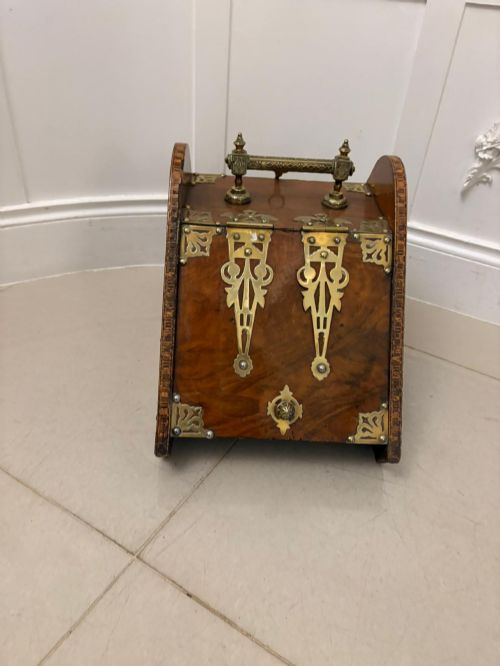


Brass Purdonium Box
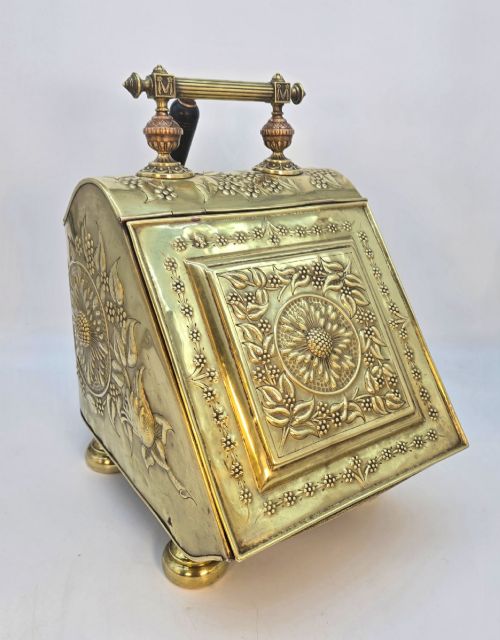
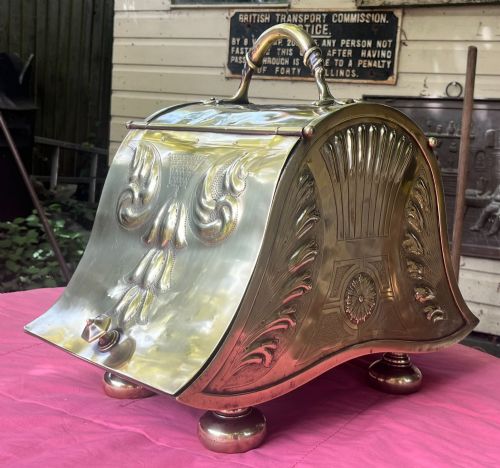
A brass purdonium box brings utility to the hearth, offering enclosed storage for fuel while displaying period metalwork.
Brass Purdonium Box
A brass purdonium box is a fireside accessory designed to store coal, logs, or other fuel neatly beside the fireplace. When searching for this phrase, a buyer examines items that function as coal scuttles, bins, cabinets, and storage boxes.
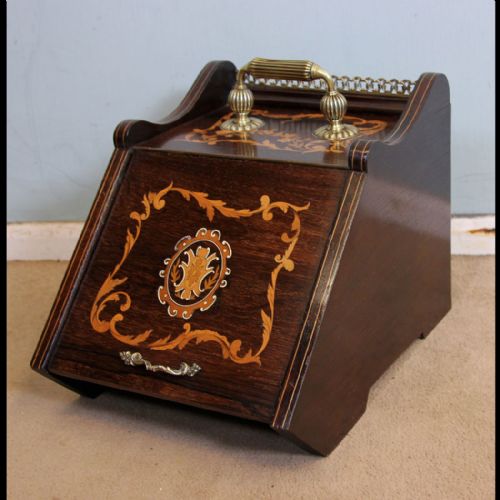
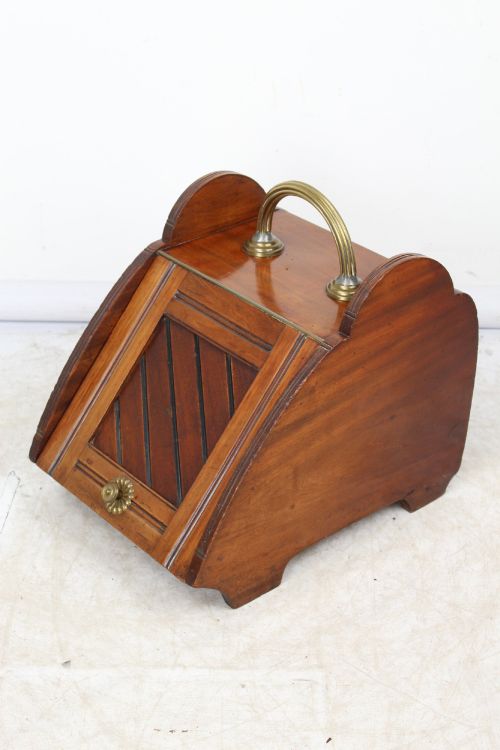
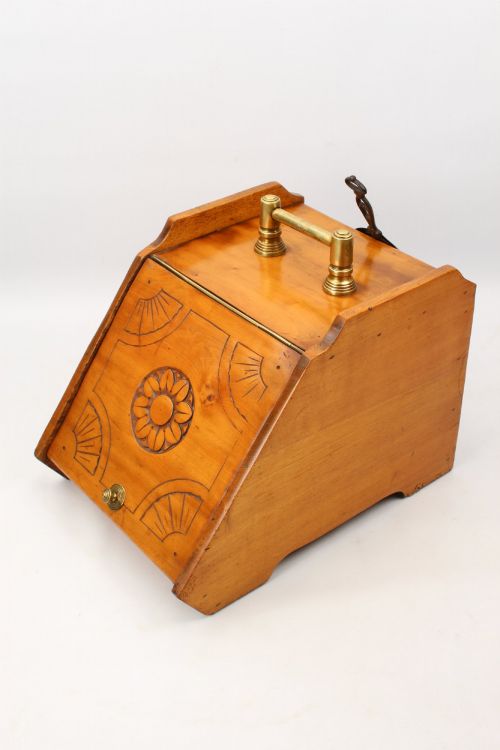
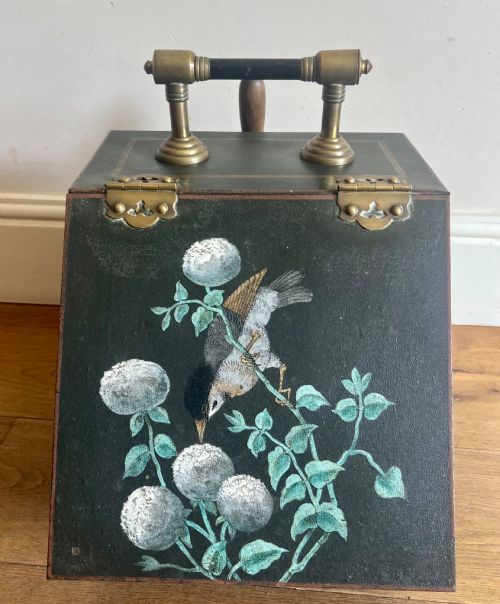
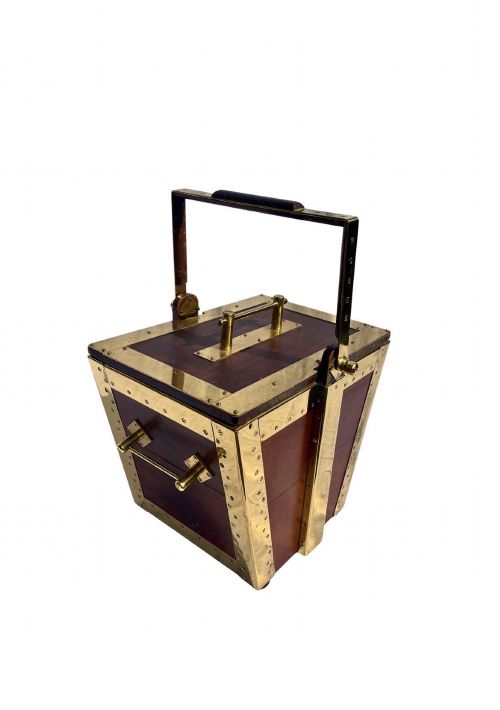
The most common version met on this page is the Victorian wooden box mounted in brass, often featuring a sloping front or a hinged lid. Many examples combine a robust wooden structure in oak, walnut, or mahogany with polished brass plates, hinges, and handles.
Origins stretch from the nineteenth century into the Edwardian era, incorporating styles such as Aesthetic Movement, Art Nouveau, and Rococo Revival. These containers frequently include interior metal liners and accompanying shovels for handling fuel.
How they were made
Construction relies on joining solid timbers or veneered carcasses, such as mahogany, walnut, and oak, with structural iron and metal components. Artisans shaped wooden bodies through carving, inlay work, or polished finishes to create domestic containers.
Brass formed the primary decorative vocabulary through repoussé work, casting, and mounting. Metal sheets were hammered with raised patterns, while handles, mounts, and ormolu details were secured to wooden frames to withstand daily fireside use.
Brass Purdonium Box Retail Price Guide 2026
Typical asking prices for brass purdonium box among the pieces listed under this phrase on Sellingantiques today, from the lower quarter to the upper quarter. They describe what is for sale here now, not the wider market.
Some Victorian coal boxes double as metamorphic furniture, hiding their fiery cargo behind deceptive rows of decorative book spines.
What varies in quality
The distinction between a standard fireside container and a finer piece rests in the depth of craftsmanship and the integrity of materials. Superior boxes display crisp repoussé detailing on brass panels, careful timber selection, and intact original fixtures like interior metal liners and shovels.
Workmanship determines whether a box remains sound under heavy loads of fuel, with sturdier joints and well-fitted lids separating finer examples from simpler utilitarian vessels.
The Brass Purdonium Box Glossary
- Purdonium
- A specialised coal container or cabinet designed for domestic hearths, often featuring a drop-front or shovel compartment. The term gained currency during the Victorian period for refined fireside fuel storage.
- Repoussé
- A metalworking technique where brass or copper is hammered from the reverse side to form a raised design on the front. This ornamentation appears frequently on Victorian coal box lids and panels.
- Tole ware
- Painted or lacquered metalware used for decorative household objects, including utilitarian fireside bins. It offers a colourful alternative to polished brass surfaces.
- Ormolu
- Gilded bronze or brass mounts applied to furniture and boxes for decorative effect. These metal ornaments add a polished finish to wooden coal cabinets.
- Liner
- The removable interior metal insert that holds coal or ash, protecting the wooden or iron exterior from moisture and dirt. Original liners are valued by collectors.
Brass Purdonium Box: Frequently Asked Questions
What is a brass purdonium box used for?
A brass purdonium box serves as a designated container to hold coal, logs, or kindling beside a fireplace. It keeps fuel neatly out of sight while adding decorative metalwork to the hearth.
Inside, a removable metal liner prevents coal dust and moisture from damaging the wooden or metallic outer case. Many versions also include a matching shovel stored in side clips or compartments.
How do I date a brass purdonium box?
Dating relies on observing the timber, decorative style, and construction methods used in the piece. Victorian examples often feature heavy oak or walnut with repoussé brass panels or Aesthetic Movement motifs.
Edwardian pieces tend to show lighter mahogany inlays, while Art Nouveau items display stylized floral or organic brass contours. Examining the hardware and interior liners provides further clues to the period.
Are original shovels usually included?
Some purdoniums retain their original matching shovels, which fit into specialised side brackets or interior compartments. Finding a box with its original shovel and metal liner is a bonus for collectors.
When a shovel is missing, replacement implements are often sourced separately to match the brass finish of the box.
How do I care for a brass purdonium box?
Maintaining the box involves dusting the wooden exterior and gently cleaning the brass with a suitable polish to preserve its shine without stripping the surface. Care should be taken to avoid abrasive pads on repoussé work.
The interior metal liner should be emptied and wiped clean regularly to prevent corrosion from residual coal dust and moisture.