

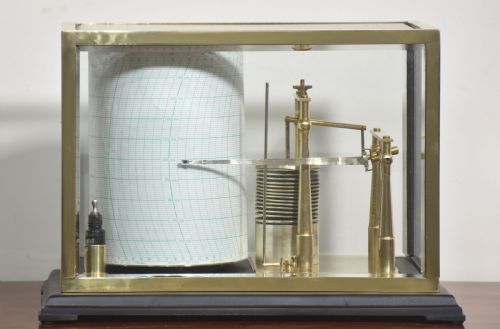


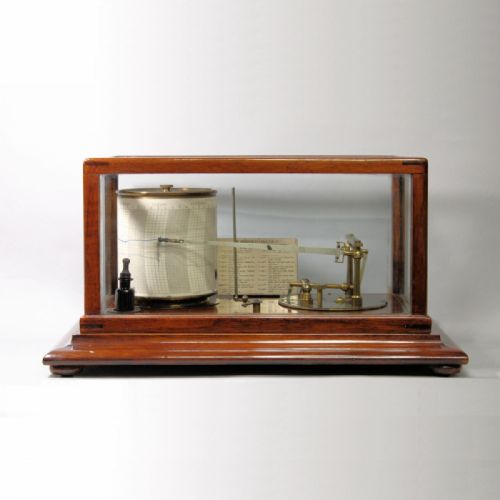


Brass Pressure Recorder
These brass pressure recorders are mechanical weather instruments designed to chart atmospheric changes, offering tangible history for desks and studies.
Brass Pressure Recorder
A brass pressure recorder, commonly known as a barograph, records continuous barometric readings onto a rotating paper chart rather than providing a single momentary reading.
The pieces available span the Victorian and Edwardian eras through to the early twentieth century, showing periods such as nineteen ten and nineteen twenty.
How they were made
Maker workshops construct the primary housing using polished hardwoods like mahogany, oak, and walnut, fitted with multiple glass panels to display the internal mechanics.
The internal instruments rely on precision engineering in brass and steel, driving a sensitive arm that traces pressure variations in ink onto paper.
Brass Pressure Recorder Retail Price Guide 2026
Typical asking prices for brass pressure recorder among the pieces listed under this phrase on Sellingantiques today, from the lower quarter to the upper quarter. They describe what is for sale here now, not the wider market.
Some models feature an inlaid Art Nouveau mahogany case, proving that even barographs enjoyed dressing up for the twentieth century.
What varies in quality
Distinction across these instruments rests in the refinement of the movement and the cabinetry, with maker signatures such as Short and Mason denoting higher workshop standards.
The joinery of the timber case, the clarity of the glass panels, and the presence of specialised movements like those by Gluck differentiate standard production pieces from finer examples.
Short and Mason·Casella London·R Fuess·Jules Richard
The Brass Pressure Recorder Glossary
- Barograph
- A self-recording barometer that graphs atmospheric pressure over a week onto a paper chart. This mechanical instrument uses stacked metal vacuum chambers to detect pressure shifts.
- Chart drawer
- A shallow compartment built into the base of the wooden case for storing spare recording papers and ink bottles. It sits directly beneath the main instrument chamber.
- Five-glass case
- A wooden housing featuring a glazed top and four vertical glass sides that allows uninterrupted viewing of the mechanism. This style protects the brass work from dust while displaying it fully.
- Gluck movement
- A specialised mechanical clockwork assembly driving the rotating drum. Such named movements reflect specific workshop origins during the Edwardian period.
Brass Pressure Recorder: Frequently Asked Questions
How does a brass pressure recorder work?
Stackable metal vacuum capsules expand and contract with changes in atmospheric pressure. This physical movement transfers through a series of brass levers to an inked arm.
The arm rests against a revolving paper cylinder driven by clockwork. This creates a continuous line charting the weather over the course of a week.
What woods are used for the cases?
Cabinet makers predominantly utilised mahogany, oak, and walnut for housing these scientific instruments. These timbers were selected for stability and polished to display rich grain patterns.
Many enclosures incorporate multiple glass viewing panels and integrated drawers. These drawers hold the paper charts required for daily recording.
How do I date an antique barograph?
Dating relies on stylistic clues in the woodwork, maker signatures, and construction techniques. Edwardian and Victorian examples often feature inlaid mahogany or simpler oak frames.
Makers frequently stamped their company names onto the brass bedplates or clock drums. Comparing these signatures with known operational dates clarifies the timeline.
Where should I place it at home?
Position the instrument on a stable desk, table, or sideboard away from direct sunlight, drafts, and heavy vibrations. Level surfaces ensure the mechanical arm moves freely across the paper chart.
Interior spaces with stable temperatures suit these wooden and brass pieces best. This placement protects both the delicate brass mechanics and the polished timber housing.