

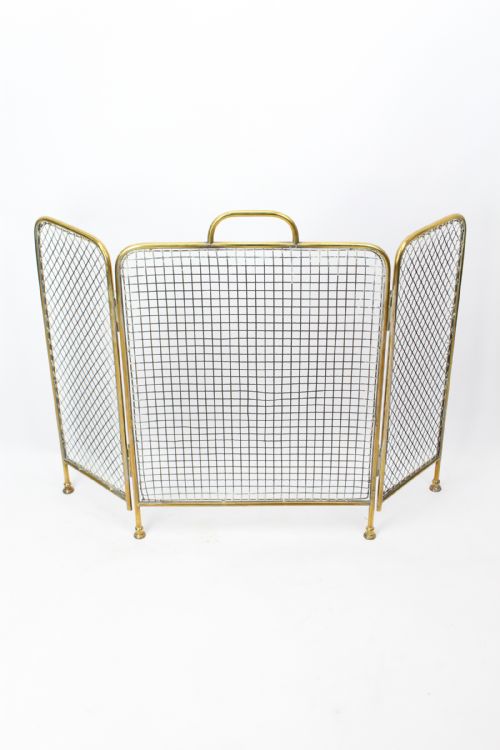


Brass Panelled Fire Screen
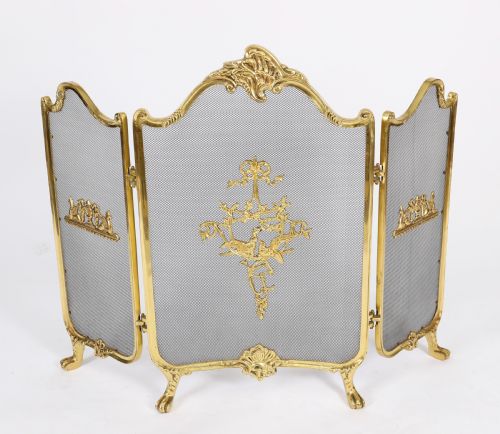
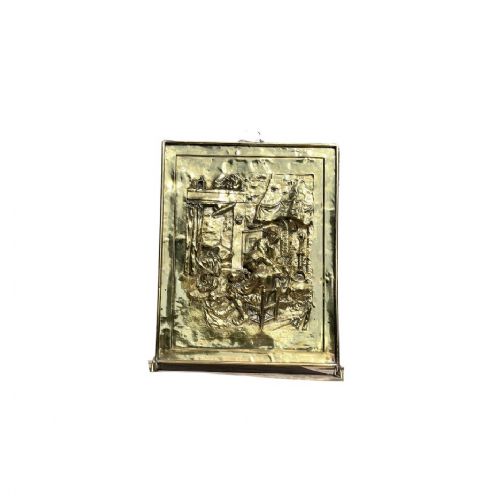
These brass panelled fire screens shield a room from the sudden heat of a hearth while anchoring a fireplace with polished metal.
Brass Panelled Fire Screen
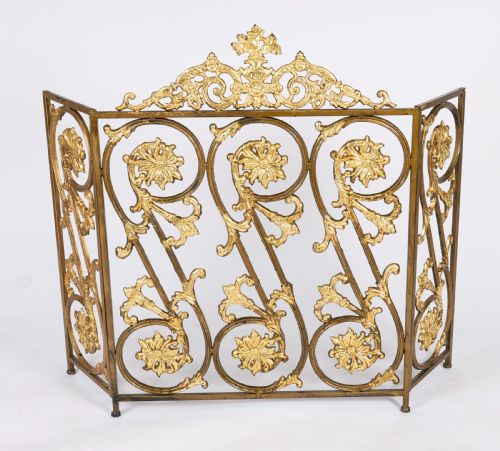
A brass panelled fire screen stands before an active grate to block sparks and draft, taking forms that range from simple folding spark guards to ornate French designs. The selection brings together Victorian and Edwardian examples alongside earlier Regency and Georgian pole screens with needlework panels.
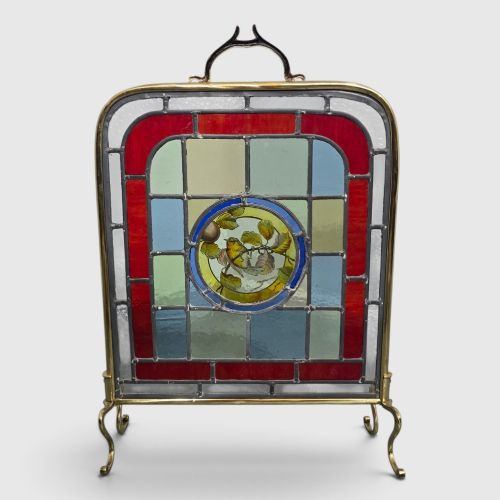
Most pieces encountered here rely on brass construction, often paired with wire mesh or folding sections that adjust around the hearth. Alongside standard guards, the inventory includes variations featuring glass, copper, and rosewood frames from the nineteenth and early twentieth centuries.
How they were made
Metalworkers shaped these fire screens using brass, gilt bronze, and copper, forming rigid frames and fine wire mesh to contain embers. Folding panels incorporate hinges that allow sections to angle around the fireplace opening.
Pole screens employ timber frames in rosewood, supporting adjustable panels decorated with needlework or poker work. Gilt finishes and mirror inserts appear on French revival and Arts and Crafts examples, demonstrating careful surface decoration.
Brass Panelled Fire Screen Retail Price Guide 2026
Typical asking prices for brass panelled fire screen among the pieces listed under this phrase on Sellingantiques today, from the lower quarter to the upper quarter. They describe what is for sale here now, not the wider market.
Listings span from the Georgian period through Victorian and Arts and Crafts eras, using brass, rosewood, copper, and stained glass.
What varies in quality
Construction weight separates standard folding guards from substantial period pieces, where heavier gauge brass and robust hinges maintain stability. The intricacy of the metal casting and the precision of the joints define the character of the piece.
Decorative elements such as hand-worked needlework panels, bevelled mirror glass, and refined French mounts elevate certain examples above plain utilitarian mesh screens. The integrity of the frame and the finish of the metal indicate the standard of original workshop production.
The Brass Panelled Fire Screen Glossary
- Pole screen
- A standing fireplace screen with a vertically adjustable panel mounted on a central wooden pole. This form allowed occupants to shield their faces from the fire while seated.
- Spark guard
- A protective barrier designed specifically to catch flying embers from an open coal or wood fire. These often feature folding wire mesh or multi-panel brass construction.
- Needlework panel
- A decorative textile insert worked in wool or silk, commonly mounted within the frame of a pole screen. These panels display traditional embroidery techniques of the Georgian and Victorian periods.
- Poker work
- A method of decorating wood by burning designs into the surface with a heated tool. This technique appears on adjustable panels of nineteenth-century screens.
- Gilt bronze
- An alloy treated with a gold coating, also known as ormolu on French decorative items. This material provides a durable metallic lustre on elaborate rococo frames.
Brass Panelled Fire Screen: Frequently Asked Questions
What is a brass panelled fire screen?
A brass panelled fire screen is a decorative and protective hearth accessory designed to block excessive heat and contain stray embers from an open fireplace.
These pieces use metal frames, folding mesh sections, or adjustable wooden poles to serve both functional safety needs and interior decoration.
How do I choose the right size?
Measure the width and height of your fireplace opening to ensure the screen covers the entire hearth area adequately.
Folding designs offer flexibility because you can angle the side panels to fit wider or narrower hearth spaces.
Can these screens be used with a working fire?
Many examples feature wire mesh or solid metal panels built to withstand hearth heat and catch sparks safely.
Needlework or mirror panel variants function best with gas grates or as decorative room furnishings when the fire is unlit.
How do I clean antique brass?
Dust the metal regularly with a soft, dry cloth to prevent the buildup of soot and grime on the surface.
Avoid harsh chemical abrasives that can strip the historic patina accumulated on nineteenth-century brass and copper.