

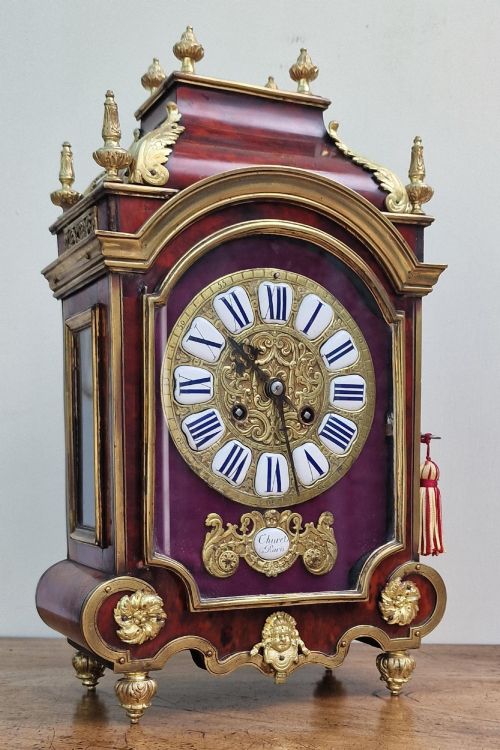
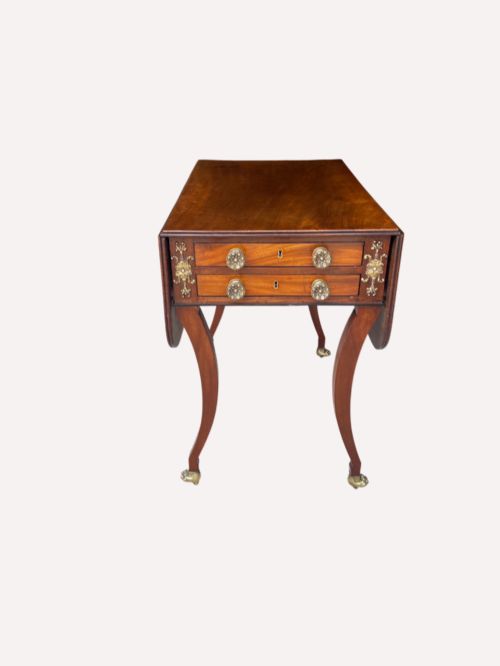
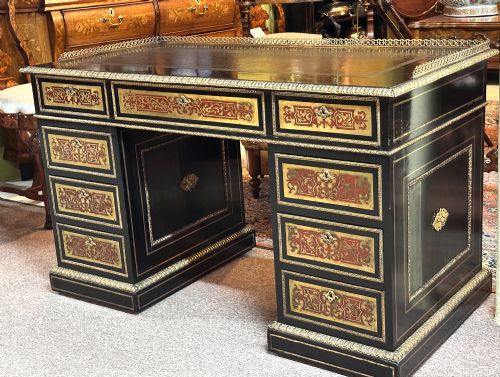
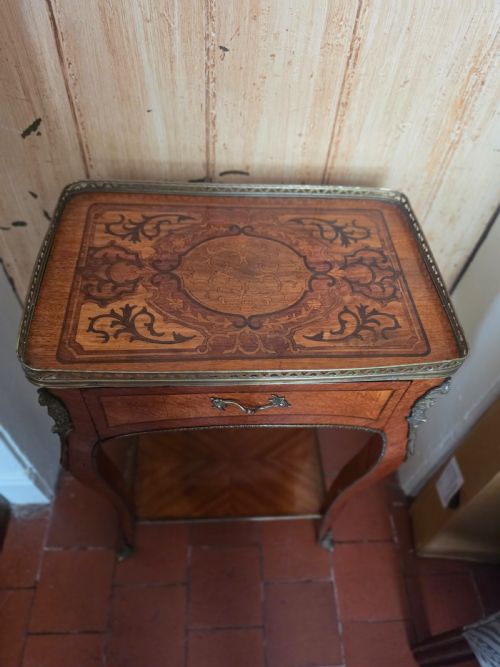
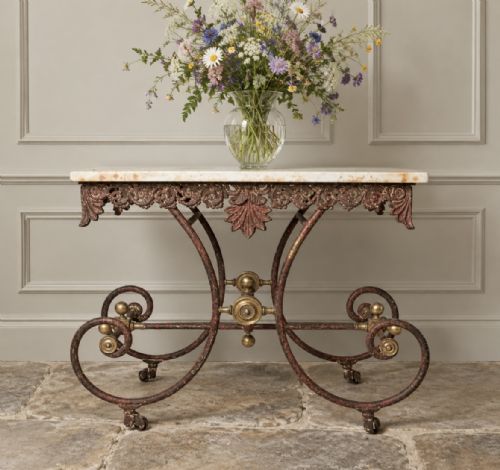


Brass Mounted Work Table
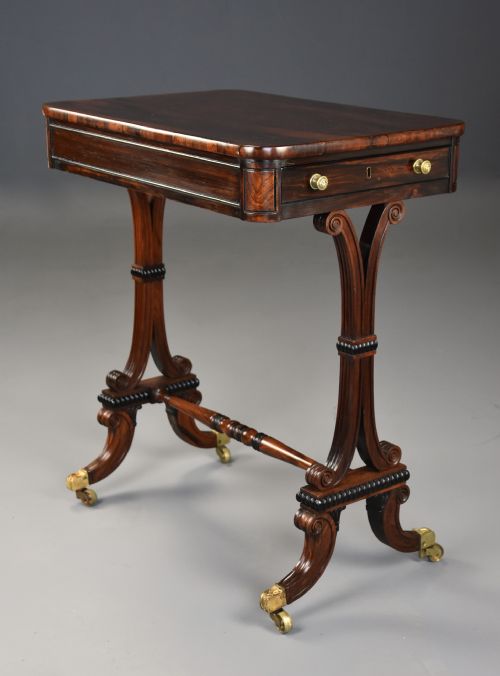
A brass mounted work table combines the utility of a sewing box with the refined presence of a Regency or Victorian salon piece.
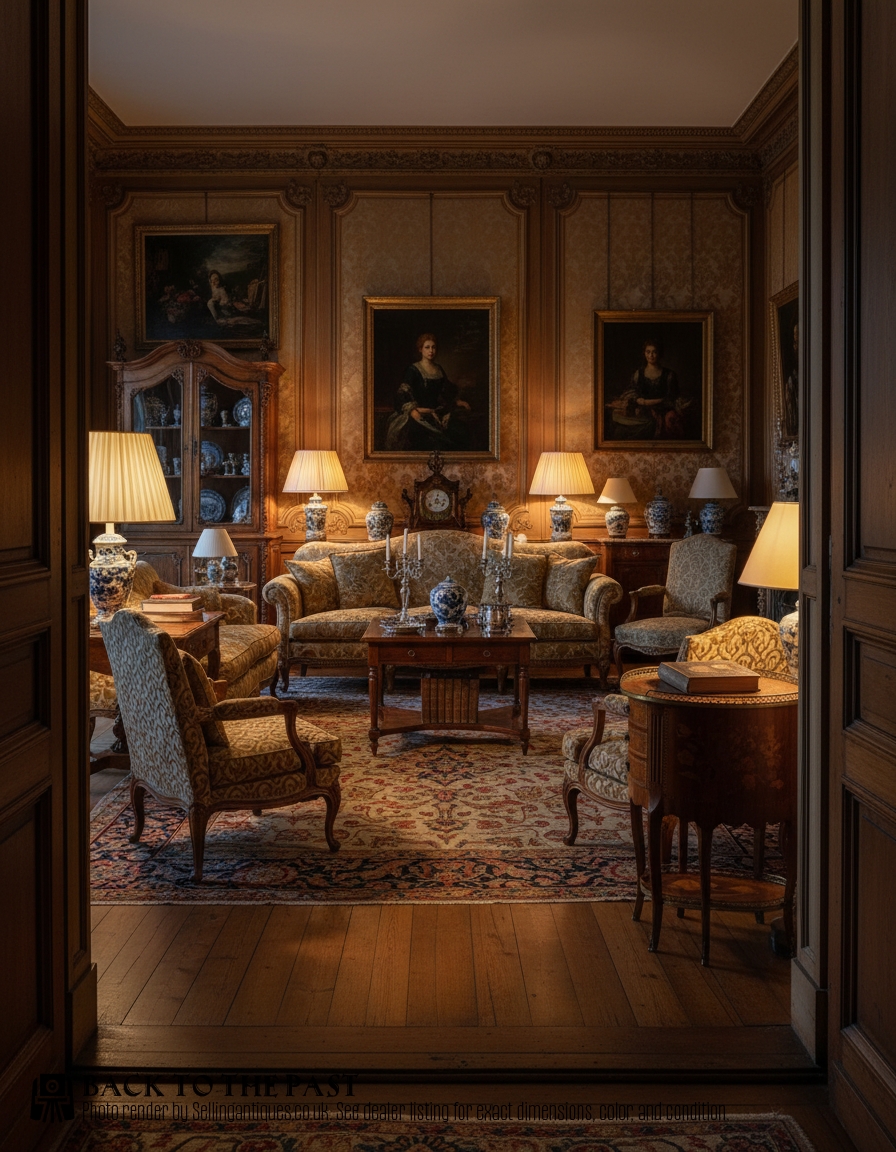
Brass Mounted Work Table
When buyers search for a brass mounted work table, they encounter versatile furniture designed primarily for needlework, writing, and dressing. These pieces appear across the nineteenth century, spanning the Regency period through to Victorian and Edwardian iterations.
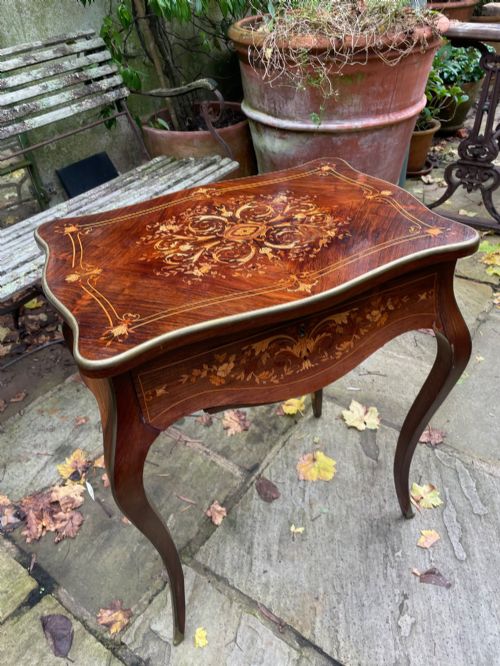
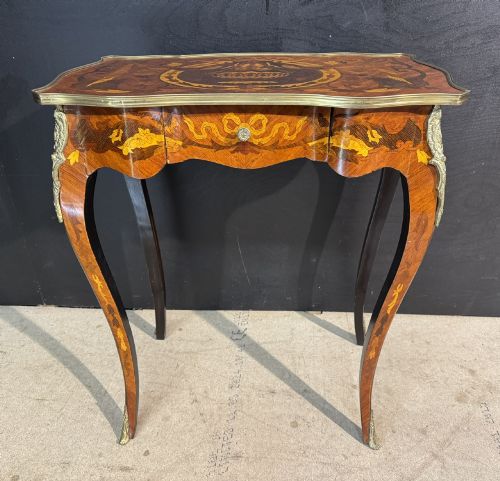
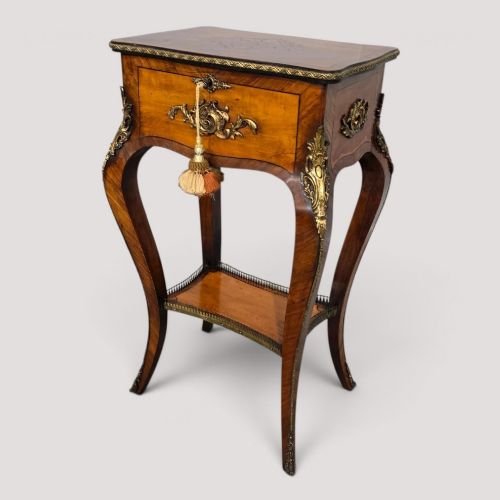
The common form combines a fitted interior or drawer with decorative metal mounts, often taking the shape of side tables, occasional tables, or specialised sewing cabinets. Many examples originate from French workshops, incorporating marquetry and distinctive wood veneers alongside traditional British Regency designs.
Materials and construction methods
Cabinetmakers constructed these tables using a carcase of mahogany, rosewood, kingwood, or ebonised wood, frequently decorated with intricate tortoiseshell and brass inlay in the Boulle technique. Selected pieces feature marble tops or delicate marquetry patterns set into the wooden surfaces.
Brass and ormolu mounts provide structural accenting around drawers, legs, and corners, securing the edges and framing the wood. Joinery techniques from the nineteenth century ensure stability across diverse forms, from tripod tables to kidney-shaped occasional pieces.
Brass Mounted Work Table Retail Price Guide 2026
Typical asking prices for brass mounted work table among the pieces listed under this phrase on Sellingantiques today, from the lower quarter to the upper quarter. They describe what is for sale here now, not the wider market.
Some nineteenth-century tables hide miniature compartments so secretive that modern owners still discover forgotten sewing needles tucked inside.
Indicators of quality and execution
The refinement of the brass mounts and the precision of the inlay work separate standard production from finer craftsmanship. Crisp chasing on ormolu elements and tightly fitted marquetry indicate superior workshop standards.
The choice of underlying timber, such as flame mahogany or figured kingwood, combined with the integrity of the fitted interior compartments, defines the upper tier of these sewing and work tables.
Thuret·Maison Millet·Payne London
The Brass Mounted Work Table Glossary
- Boulle work
- A style of marquetry utilising brass and tortoiseshell inlaid in contrasting patterns, popular in French furniture. This technique takes its name from the master cabinetmaker André-Charles Boulle.
- Ormolu
- Gilded bronze used for decorative mounts and furniture trim. The process involves applying a mercury-gilding mixture to cast bronze.
- Marquetry
- The art of applying pieces of veneer to a structure to form decorative patterns. Craftsmen select diverse woods to achieve tonal contrast.
- Poudreuse
- A French dressing table often featuring a folding top and internal compartments. These pieces frequently double as small work tables.
- Drop flap
- A hinged leaf attached to a table surface that extends the top when raised. This mechanism appears on various Regency centre and work tables.
Brass Mounted Work Table: Frequently Asked Questions
What is a work table used for?
A work table served as a multi-functional piece for ladies to store sewing materials, write letters, or tend to light needlework while sitting in the parlour.
Interior compartments and small drawers kept threads, needles, and documents organised beneath a decorative lid or sliding bag.
How do I identify a Regency period table?
Regency tables typically display architectural simplicity, robust mahogany or rosewood timbers, and disciplined brass stringing or mounts.
They often feature pedestal bases with tripod legs or distinct rectangular forms lacking the elaborate curves of later revival styles.
Where were these tables made?
Many surviving examples originate from French workshops in Paris, embracing styles such as Napoleon III, Louis XV revival, and Boulle work.
British makers also produced significant numbers, particularly during the Regency and Victorian eras, utilising native timbers alongside imported veneers.
How do I care for brass mounts and wood?
Maintain the timber and brass by keeping the piece away from direct sunlight and sudden temperature changes that cause wood to split.
Dust gently with a dry cloth and avoid harsh chemical cleaners that can damage the delicate ormolu gilding and antique polish.