



Brass Mesh Fire Guard
These brass mesh fire guard pieces protect rooms from sparks while framing the hearth in polished metal.
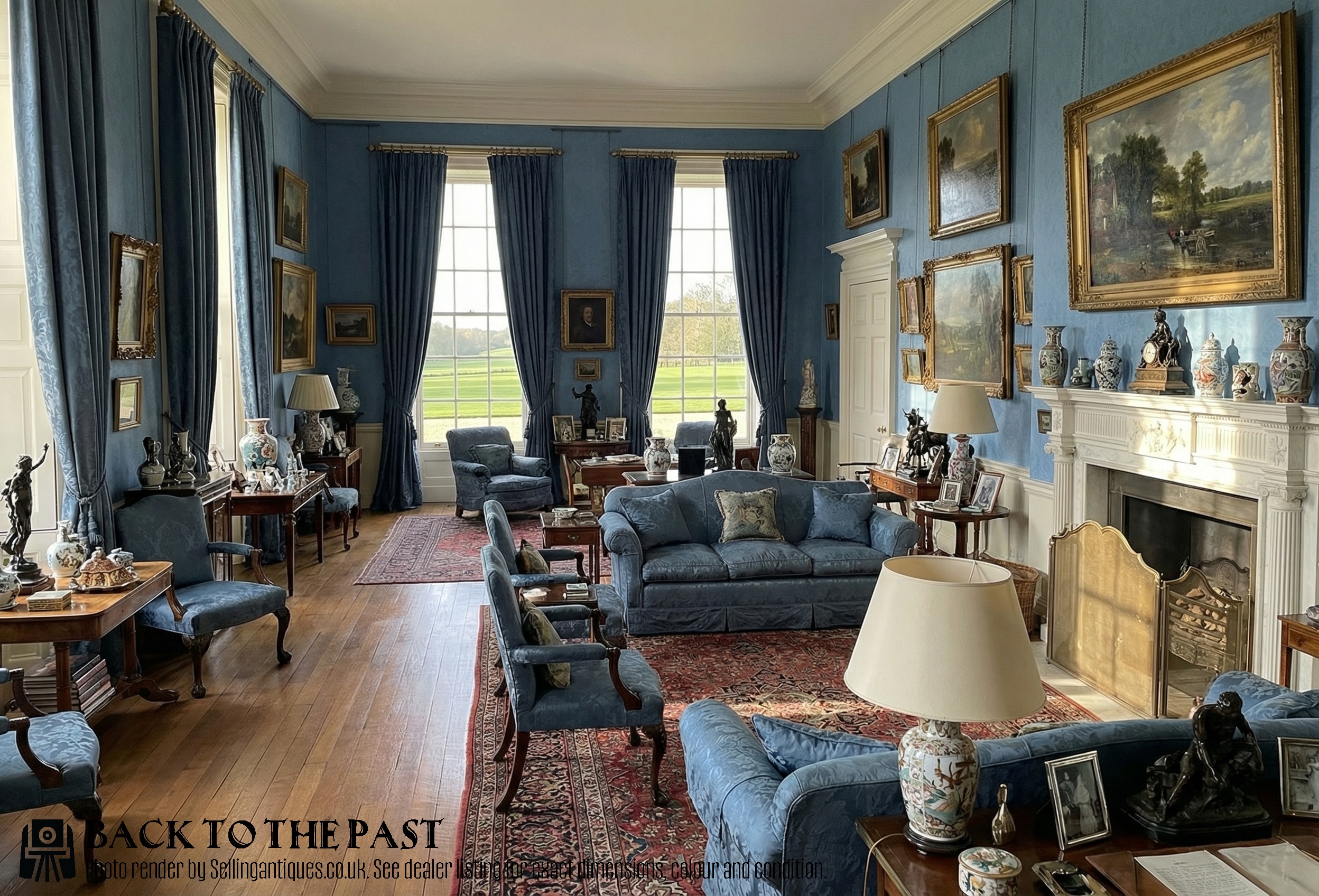
Brass Mesh Fire Guard
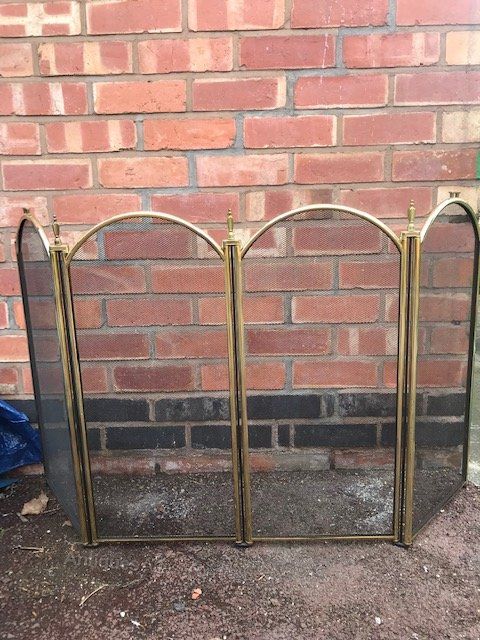
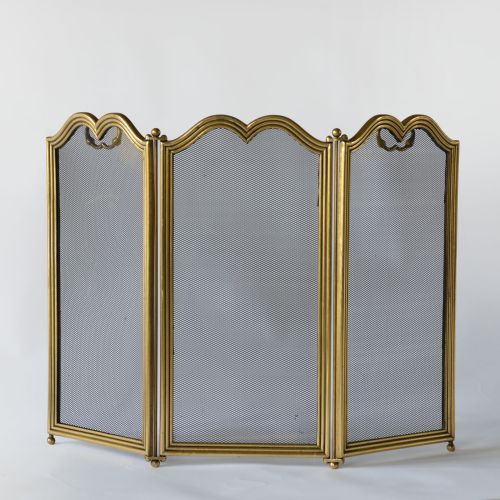
A brass mesh fire guard provides a protective barrier before an active hearth, using woven wire to catch sparks while allowing warmth into the room. Buyers seeking this phrase encounter folding screens, spark guards and nursery fenders designed for domestic safety.
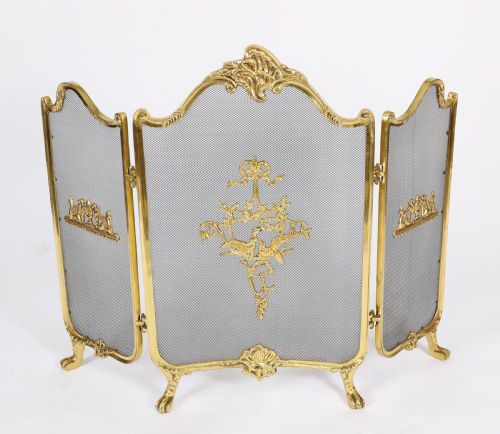
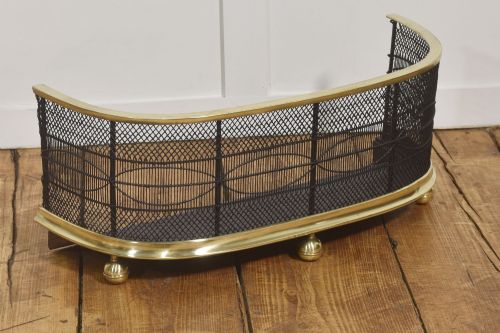
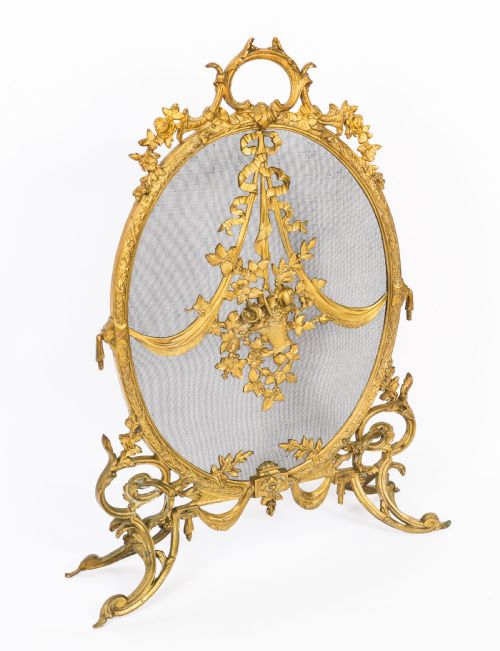
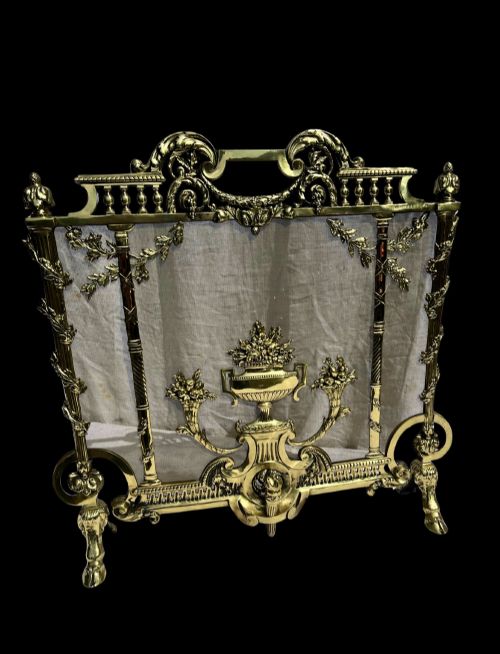
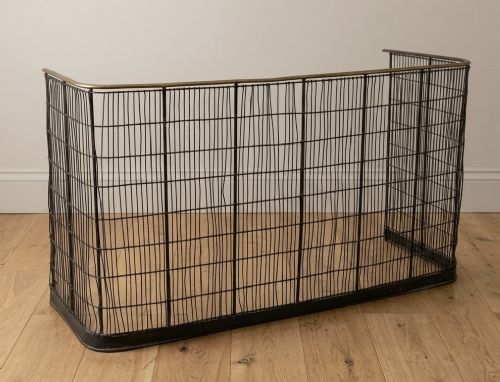
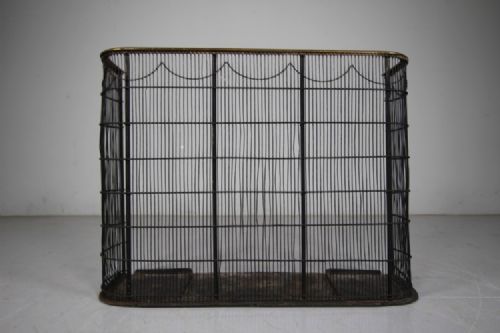
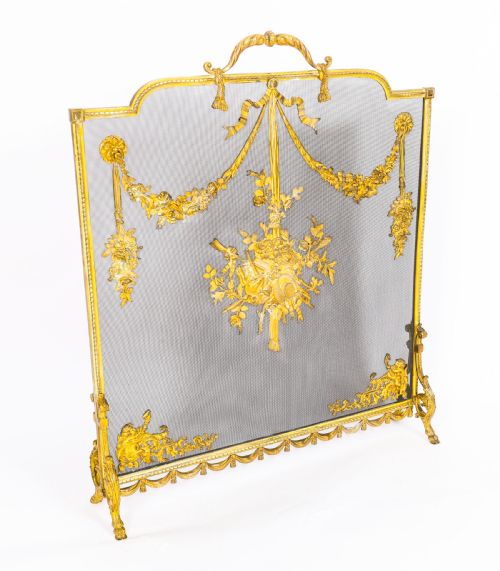
The selection ranges from simple nineteenth-century folding frames to elaborate French rococo revival screens cast in gilt bronze. Victorian examples often feature bowed or serpentine wire mesh structures with solid brass rims and top rails.
Origin periods stretch from the regency era through the nineteenth century into Edwardian times, with French Louis styles appearing frequently alongside British country house pieces.
How they were made
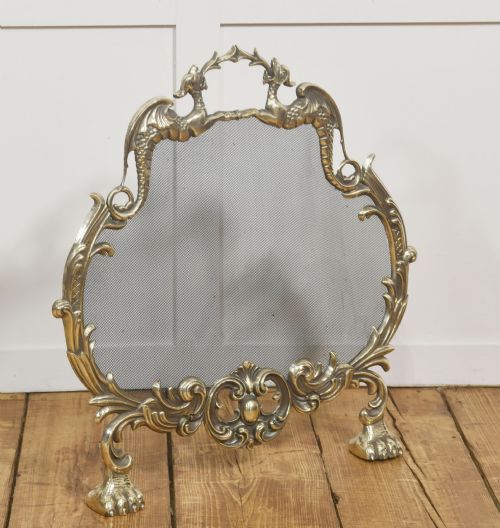
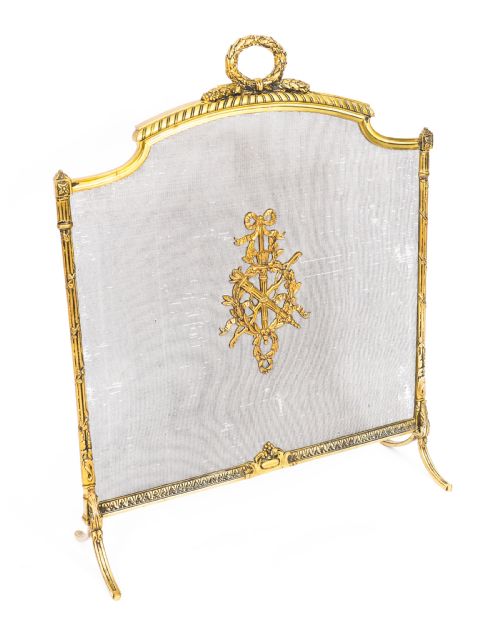
Frames rely on brass, iron and steel components, often combined with fine wire mesh or copper mesh panels to contain flying embers. Many pieces utilise cast gilt bronze for decorative mounts and rococo or empire revival frames.
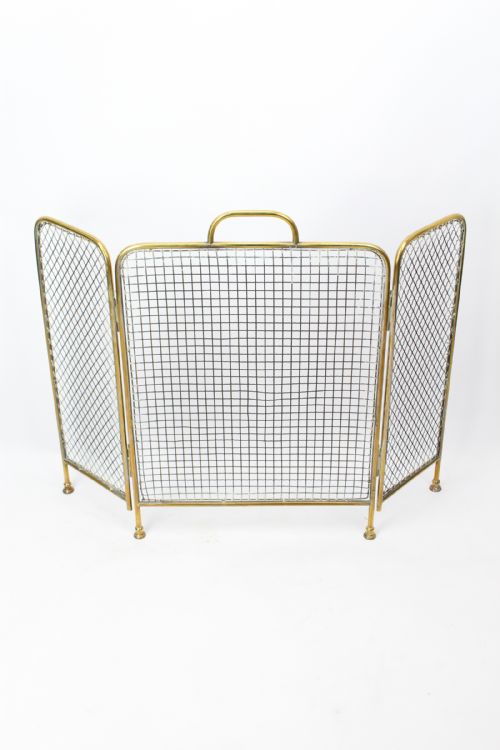
Construction techniques involve joining metal frames with hinges for folding multi-section spark guards, securing wire mesh tightly within brass rims, and adding embossed brass panels to country house screens.
Some nineteenth-century nursery fenders thoughtfully included built-in clothes rails for drying small garments by the hearth.
What varies in quality
The standard depends on the weight of the brass framing, the tightness of the wire mesh weave, and the crispness of cast gilt bronze decoration. Simpler functional nursery fenders contrast with intricately chased French rococo revival and louis style screens.
Subtlety of finish and stability of multi-fold hinges separate ordinary spark guards from finer nineteenth-century examples. Original patination on the brass and integrity of the mesh panels define the upper tier.
The Brass Mesh Fire Guard Glossary
- Wire Mesh
- A woven metal web fixed within the frame to catch flying embers while maintaining visibility of the fire. It forms the primary protective screen on these guards.
- Nursery Fender
- A tall enclosed guard designed historically to keep young children at a safe distance from open fires. These often incorporate a brass top rail or clothes rail.
- Spark Guard
- A portable screen placed directly in front of the fireplace opening to intercept stray sparks. They appear in single-panel, folding, and demi-lune configurations.
- Gilt Bronze
- Copper alloy treated with a gold or mercurial gilding finish, frequently utilised in French rococo and empire revival frames. It provides a bright decorative surface.
- Rococo Revival
- A nineteenth-century design style drawing on eighteenth-century French motifs like C-scrolls, asymmetric foliage, and flaming torches. This aesthetic ornaments many brass fire screens.
Brass Mesh Fire Guard: Frequently Asked Questions
What is a nursery fire guard?
A nursery fire guard is a tall, enclosed protective barrier designed to keep children and pets away from open flames. These pieces typically feature sturdy metal frames and fine mesh walls.
Historical examples often include top rails and wide footprints to encircle the hearth securely.
How do folding fire screens work?
Folding fire screens utilise hinged sections that allow the guard to adjust around different hearth shapes. Multi-fold designs provide flexibility for both flat openings and recessed fireplaces.
This hinged construction also makes the screens easier to store when the fireplace is not in use.
Are these guards suitable for modern fires?
Many period mesh guards function effectively with contemporary open fires and wood burners to catch stray embers. The fine wire mesh blocks sparks while permitting maximum heat circulation.
Buyers should measure their hearth dimensions carefully to ensure the screen footprint fits the space.
How do I identify a French style screen?
French style fire screens often display rococo, louis xvi, or empire revival motifs such as flaming torches, musical trophies, and elaborate gilt bronze casting. The decorative mounts show high levels of detail.
These pieces contrast with simpler British brass and wirework designs.
What maintenance do brass mesh guards need?
Maintenance involves gentle dusting and occasional cleaning of the brass frame using appropriate metal polishes. The wire mesh requires careful handling to avoid distortion.
Preserving the natural patination keeps the antique character intact.