




French Bronze Hearth Guard
A French bronze hearth guard brings period elegance and ornate metalwork to the fireplace, protecting the room while framing the hearth.
French Bronze Hearth Guard
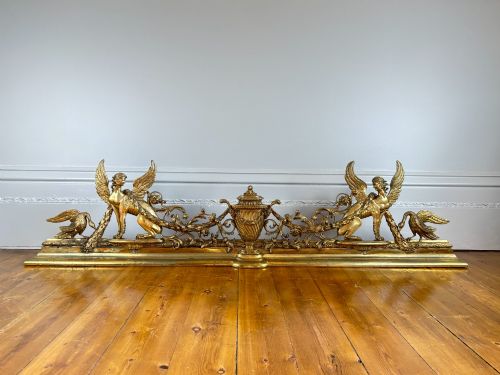
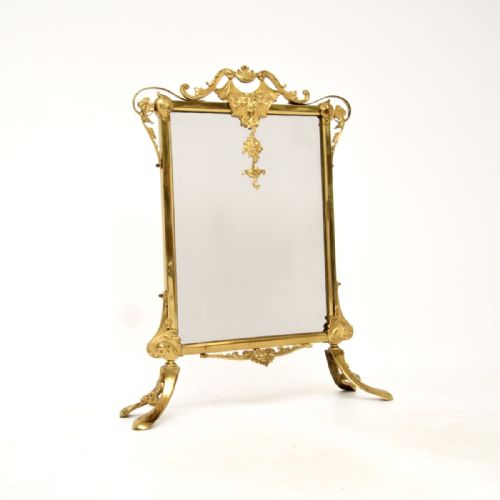
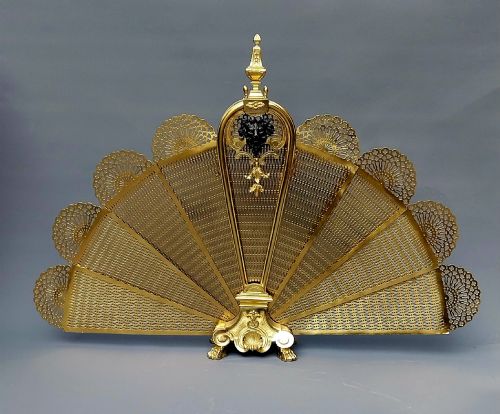
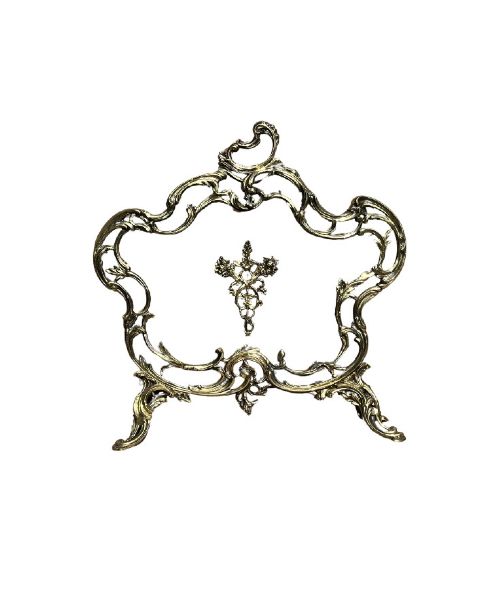
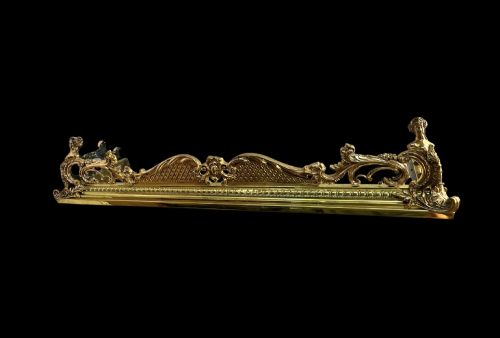
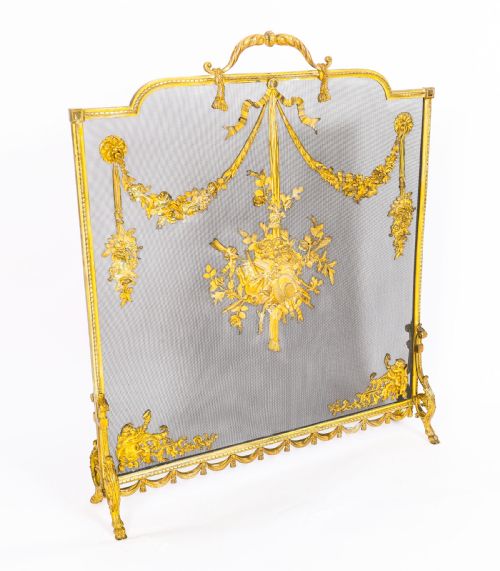
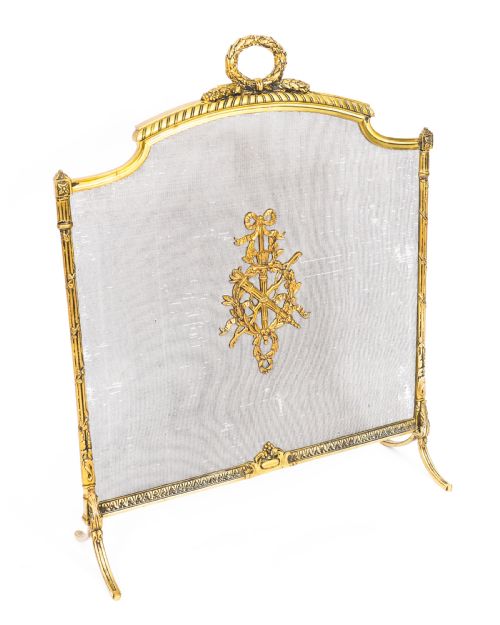
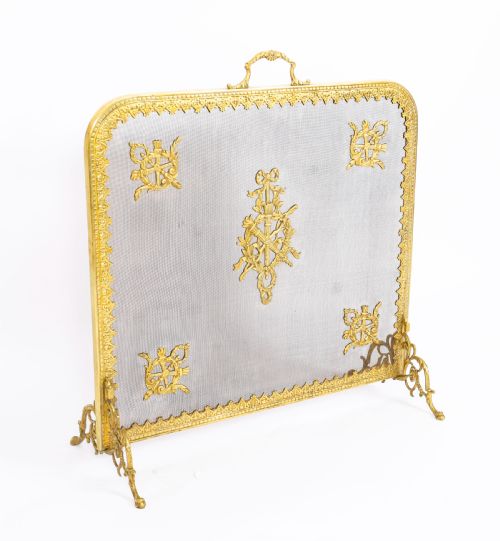
A French bronze hearth guard encompasses decorative fire screens, extendable fenders, and matched chenets designed to sit before an active fireplace. These pieces serve both a practical barrier function and a decorative role within the principal rooms of a home.
Most examples found in this category date from the nineteenth century into the early twentieth century, spanning Victorian production as well as Continental manufacture. The forms range from solid adjustable brass and bronze fender surrounds to folding or standing gilt bronze fire screens.
Stylistically, the selection leans heavily into revival aesthetics, drawing directly upon Louis XV, Louis XVI, and Empire design vocabulary. Buyers will regularly encounter rococo curves, classical trophies, flaming torches, and floral motifs executed in heavy metals.
Quality and craftsmanship distinctions
The distinction between standard production and exceptional work lies in the crispness of the chased detail and the weight of the cast metal. Superior pieces display hand-finished chasing that sharpens the contours of acanthus leaves, figures, and architectural mounts after casting.
Engineering also separates the tiers, particularly in adjustable fenders and paired chenet surrounds where solid locking mechanisms and substantial gauge brass or bronze ensure structural integrity. Surface patination and the preservation of original fire gilding or ormolu significantly influence the overall character of an item.
French Bronze Hearth Guard Retail Price Guide 2026
Typical asking prices for french bronze hearth guard among the pieces listed under this phrase on Sellingantiques today, from the lower quarter to the upper quarter. They describe what is for sale here now, not the wider market.
Listings feature periods spanning from the early nineteenth century through to the Edwardian era, predominantly showcasing gilt bronze, brass, and steel mesh.
E F Caldwell New York
The French Bronze Hearth Guard Glossary
- Ormolu
- Finely ground high-carat gold mercury-gilded onto a bronze base. This technique produces a rich, durable metallic finish seen on high-status nineteenth-century fireplace accessories.
- Chenet
- An alternative term for firedogs or fire irons designed to support logs within the hearth. They often coordinate stylistically with matching fenders and screens.
- Fender
- A low metal guard placed on the hearth floor to contain embers and ash. Many period examples feature adjustable lengths to fit varying fireplace openings.
- Fire Screen
- A standing or folding panel placed before the fireplace when not in use. They protect the room from residual heat and hide an empty hearth during warmer months.
- Chasing
- The manual post-casting process of refining metal surfaces using hammers and punches. Superior chasing adds depth and sharp definition to decorative motifs.
French Bronze Hearth Guard: Frequently Asked Questions
How do I clean a gilt bronze fire screen?
Dust gently with a soft dry cloth to prevent the accumulation of soot and grime.
Avoid abrasive cleaners or chemical polishes, as these can strip away historic ormolu and gilt surfaces.
Are these hearth guards suitable for active fires?
Many screens incorporate steel or wire mesh specifically to catch sparks while a fire burns.
Heavier cast fenders and chenets primarily frame the hearth and support logs rather than serving as protective barriers.
How do I distinguish Louis XV style from Louis XVI style?
Louis XV style pieces display asymmetrical scrolls, naturalistic foliage, and flowing rococo curves.
Louis XVI pieces introduce neoclassical symmetry, straight architectural lines, classical urns, and formal trophies.
Can adjustable fenders fit any fireplace?
Adjustable fenders feature sliding sections that expand or contract to accommodate standard hearth widths.
Careful measurement of your hearth opening ensures the guard sits properly between the surround and the floor.