



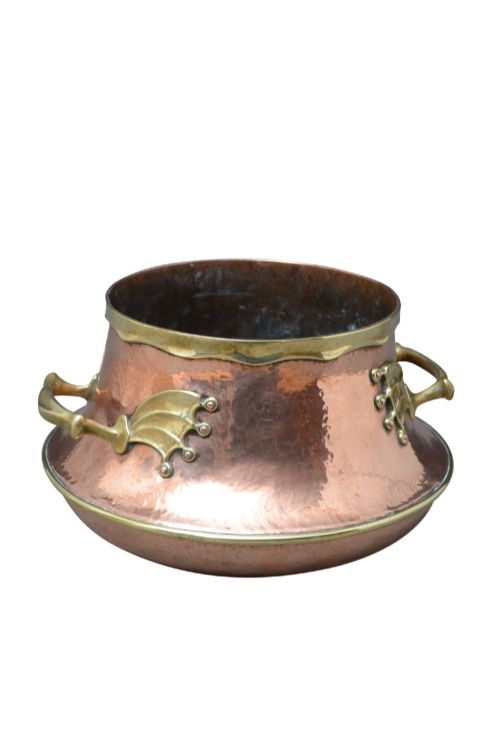
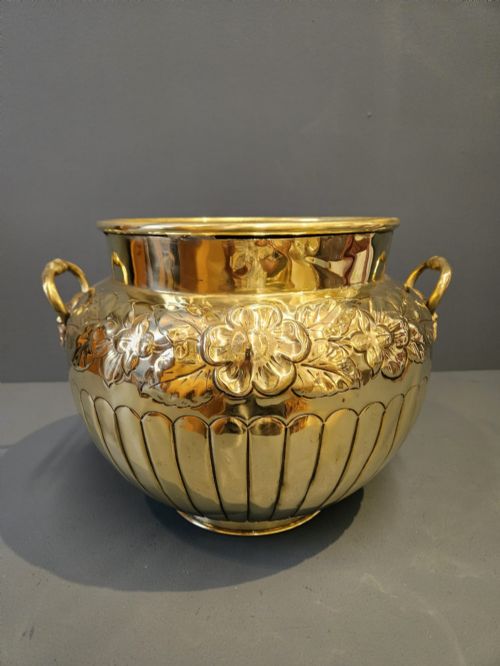
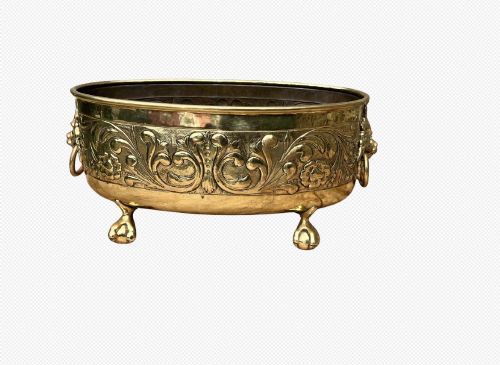
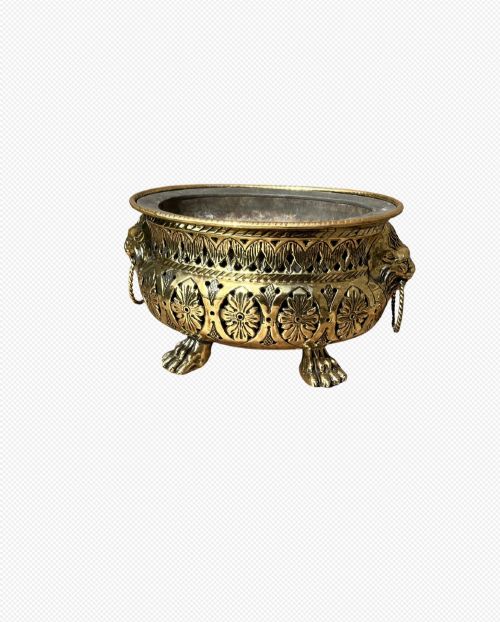


Brass Jardiniere Trough
These brass jardiniere trough vessels are plant holders designed to bring greenery inside, prized for their ability to anchor a room.
Brass Jardiniere Trough
When you search for a brass jardiniere trough, you are looking at metal plant containers and troughs spanning periods from the eighteenth century through to the twentieth century. The most common examples you will meet on this page are nineteenth-century and Victorian brass planters, often featuring boat shapes or liner inserts.
The selection extends to related forms such as wine coolers, bottle coolers, and plant stands created in styles ranging from French Empire and Arts and Crafts to Edwardian and Regency. Makers utilised timber frames and metal bodies alike, producing pieces in mahogany, satinwood, and ebonized wood alongside solid copper and brass.
Origin and design vary widely, with French, Belgian, and Chinese influences appearing across the inventory. Whether configured as a standard planter, a repoussé vessel with animal heads, or an inlaid ormolu-mounted trough, each object serves the dual purpose of holding plants and displaying metalwork skill.
How they were made
Makers constructed these troughs using sheet brass, copper, and zinc, frequently employing repoussé techniques to hammer decorative motifs into the metal from behind. Pierced brass work and cast bronze elements also appear, showing detailed surface ornamentation on bodies shaped into boats or ovals.
Wooden elements required traditional cabinet-making skills, utilising mahogany, satinwood, and oak. Coopered staves bound with brass, inlaid ebonized finishes, and ormolu mounts demonstrate how metal and timber were joined to create robust planter bodies.
Many of these troughs incorporated metal liners, such as zinc, to protect the wooden or metal outer structure from moisture and soil. This internal engineering allowed the decorative exterior to remain undamaged while supporting live plants.
Brass Jardiniere Trough Retail Price Guide 2026
Typical asking prices for brass jardiniere trough among the pieces listed under this phrase on Sellingantiques today, from the lower quarter to the upper quarter. They describe what is for sale here now, not the wider market.
At least one nineteenth-century copper planter took the literal shape of a Gladstone travel bag.
What varies in quality
The caliber of a piece is evident in the crispness of its repoussé work and the weight of the metal used. Heavier brass and thick gauge copper distinguish superior vessels from lighter, purely decorative items.
Quality also shows in the integration of materials, such as finely fitted ormolu mounts, tight coopered wood staves, and well-executed marquetry inlay on satinwood or mahogany frames. The presence of period liners further elevates the utility and integrity of the trough.
Lister and Co
The Brass Jardiniere Trough Glossary
- Jardiniere
- An ornamental pot or trough for holding plants or flowers. They often sit on table surfaces or dedicated stands.
- Repoussé
- A metalworking technique where a design is hammered into relief from the reverse side. This creates textured, decorative panels on brass and copper vessels.
- Ormolu
- Gilded bronze mounts applied to furniture and decorative objects. It provides bright golden highlights against dark wood or metal bodies.
- Coopered
- Built from wooden staves joined together side by side, similar to barrel construction. This technique is typical of nineteenth-century planters and wine coolers.
- Regency
- A British design style dating from the early nineteenth century. It is characterised by classical antiquity influences and clean, elegant lines.
Brass Jardiniere Trough: Frequently Asked Questions
What were brass jardiniere troughs originally used for?
These vessels served primarily to display potted plants and cut flowers within interior spaces like drawing rooms and dining halls. They protected fine furniture surfaces while bringing living greenery indoors.
Over time, many of these troughs also functioned as wine or bottle coolers during social gatherings. Their metal construction made them suitable for holding ice alongside beverage bottles.
How do I style a brass trough in a modern room?
You can place a long brass trough on a sideboard, dining table, or deep windowsill filled with trailing foliage or potted herbs. The warm metallic finish contrasts well against stone, wood, and neutral wall colours.
Consider pairing an antique copper or brass piece with contemporary ceramics to create a balanced mix of textures. Using the trough as a container for books or magazines offers an alternative to plants.
How can I tell a Victorian planter from an Edwardian one?
Victorian examples often lean towards heavier, highly ornate brass or copper work with dense repoussé patterns or pierced detailing. They frequently reflect revival styles like French Louis XV or classical motifs.
Edwardian pieces tend to show cleaner lines, sometimes combining timber like oak or mahogany with simpler brass mounts. Coopered planters and lighter revival styles become more prominent in this later period.
Are these troughs waterproof?
Many antique troughs include original zinc or metal liners designed to contain moisture and soil safely. These inserts prevented water from rotting the outer brass structure or wooden stands.
Where liners are missing or degraded, you should place potted plants inside plastic saucers before setting them into the trough. This protects the historic interior from direct water damage.