



Heavy Metal Planters
Heavy metal planters bring industrial weight and tactile permanence to gardens, uniting stout copper, cast iron and brass with robust planting.
Heavy Metal Planters
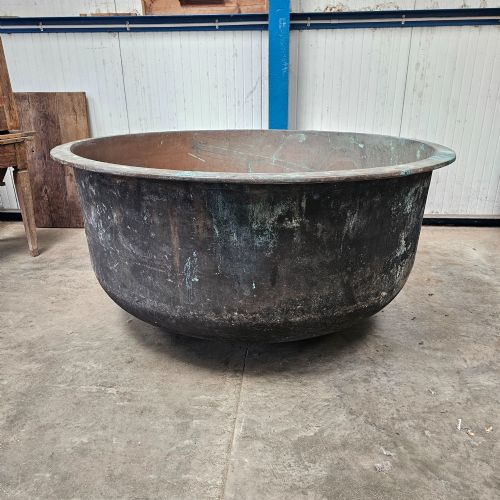
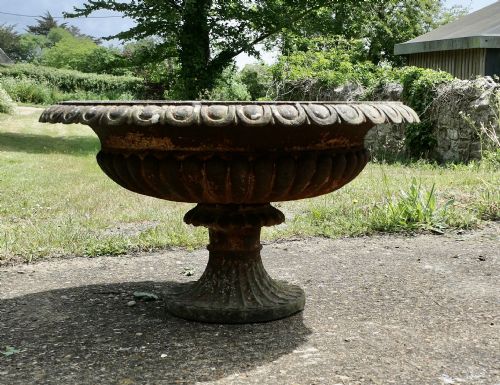
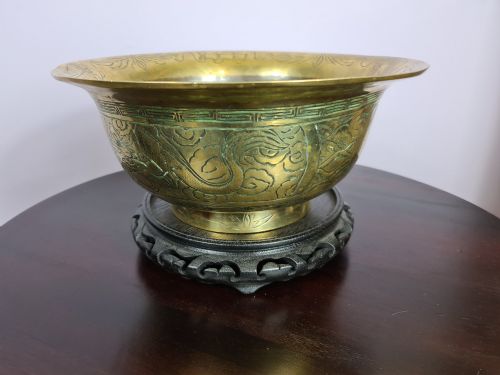
Heavy metal planters encompass substantial garden urns, jardiniere vessels, and repurposed utilitarian items like copper boilers, cauldrons, cheese vats, and grain measures. These pieces span from Georgian and Victorian eras into the twentieth century, originating from British, French, and Oriental workshops.
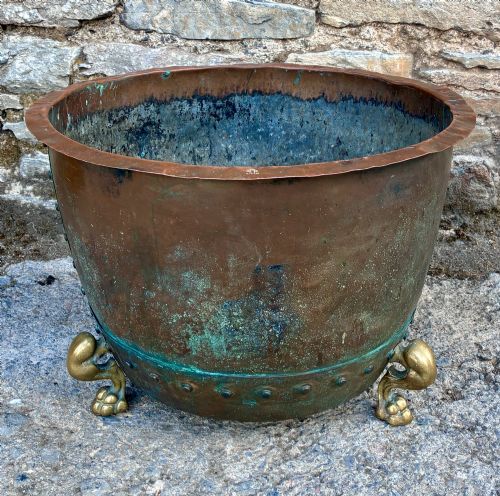
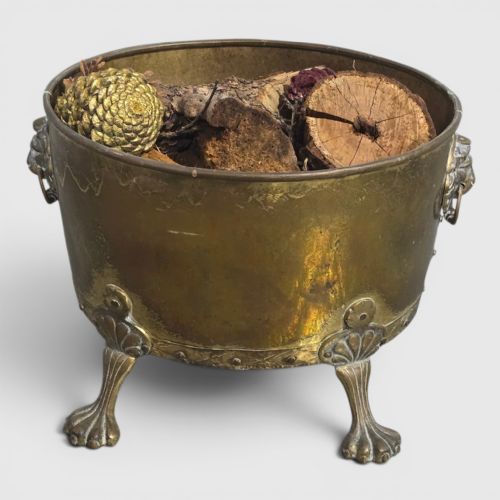
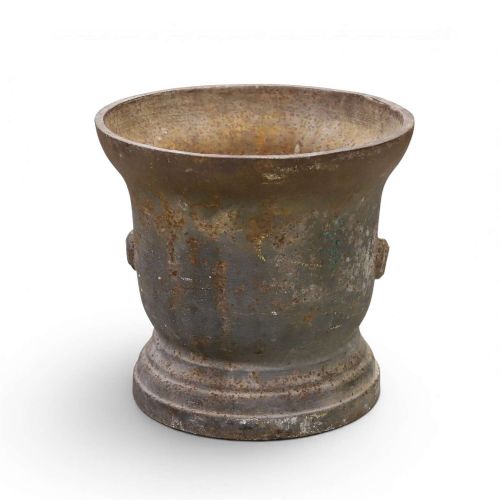
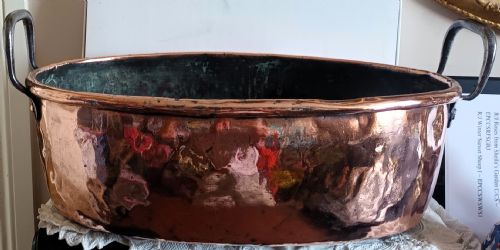
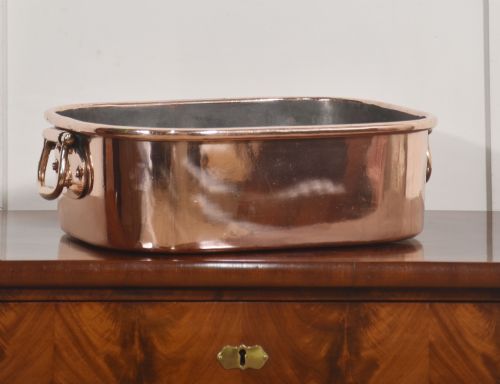
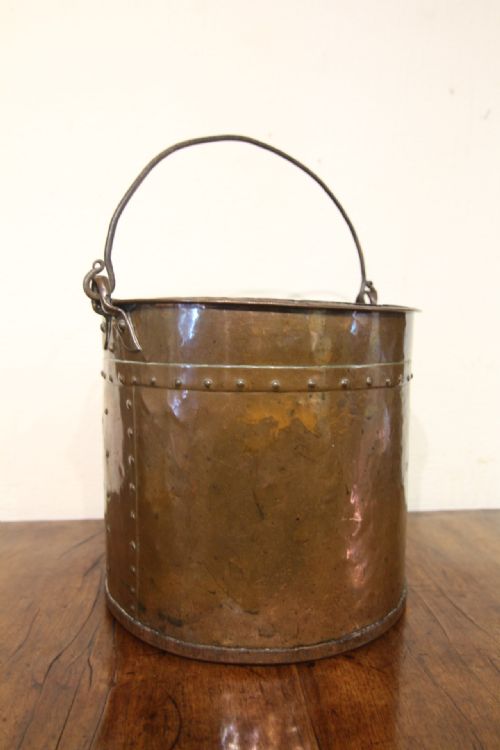
Buyers seeking heavy metal planters most frequently encounter nineteenth-century copper log bins, riveted cauldrons, and heavy cast iron garden urns. Many domestic vessels originally designed for kitchen or fireside use find a second life as striking garden planters.
Materials and Construction
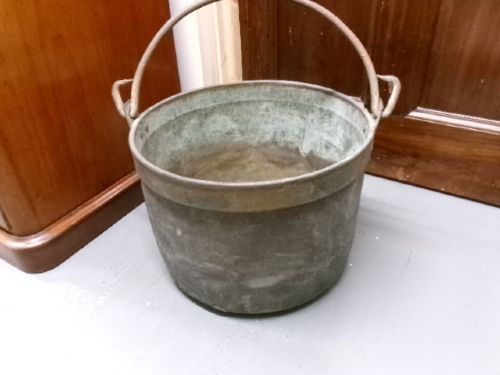
Makers utilised heavy-gauge copper joined with visible rivets, pairing the sheet metal with wrought iron swing handles and brass fittings. These utilitarian manufacturing methods ensure structural strength and endurance.
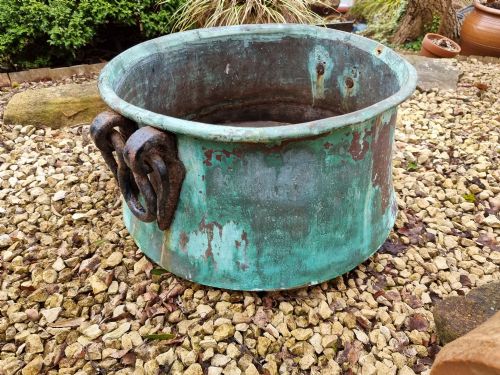
Cast iron and bronze pieces rely on foundational foundry casting, producing thick walls and heavy garden urns or bowls. Surfaces often acquire a natural verdigris finish over decades of exposure.
Several heavy metal planters began life boiling cheese in French dairies or measuring grain before retiring to the garden.
Evaluating Quality
Quality rests in the thickness of the metal, the integrity of riveted seams, and the crispness of cast ornamentation on iron urns. Substantial weight and honest utilitarian proportions distinguish superior examples from lighter decorative reproductions.
The Heavy Metal Planters Glossary
- Jardiniere
- An ornamental pot or stand for holding plants or flowers, usually designed for freestanding display. These vessels appear in heavy brass, bronze, and cast iron.
- Verdigris
- A green patina formed naturally on copper, brass, or bronze through atmospheric weathering and oxidation. This surface layer indicates age and protects the underlying metal.
- Cauldron
- A large metal pot with a wide mouth, frequently fitted with a wrought iron swing handle. Antique examples in copper and iron transition readily from hearth use to garden planting.
- Dinanderie
- Objects made of beaten or engraved brass, copper, or bronze, named after the Belgian town of Dinant. This technique produces decorative vessels with textured surfaces.
Heavy Metal Planters: Frequently Asked Questions
Can copper planters stay outside?
Copper withstands outdoor conditions robustly, developing a green verdigris surface when exposed to weather.
Over decades, the metal remains structurally sound while taking on a mellowed finish.
How do I clean verdigris?
Verdigris represents the natural oxidation of copper and bronze over time.
Many collectors prefer to leave this protective patina untouched as evidence of genuine age.
Are cast iron urns frost proof?
Cast iron possesses immense weight and structural density for outdoor garden placement.
Ensuring adequate drainage prevents internal ice expansion during freezing winter temperatures.
What is a riveted cauldron?
A riveted cauldron joins heavy plates of copper overlapping at the seams with metal pins.
This traditional construction method provided the water-tight strength required for heavy kitchen or farm use.