


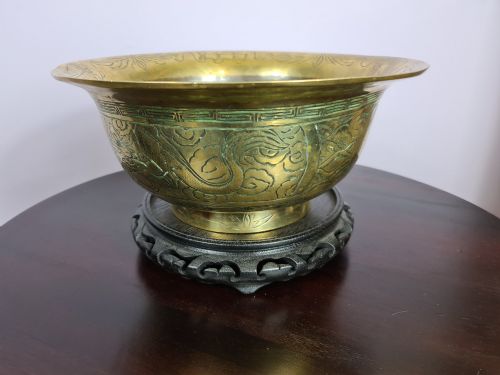


Heavy Brass Planter
A heavy brass planter brings genuine weight and metallic warmth to a room, holding greenery with robust, enduring character.
Heavy Brass Planter
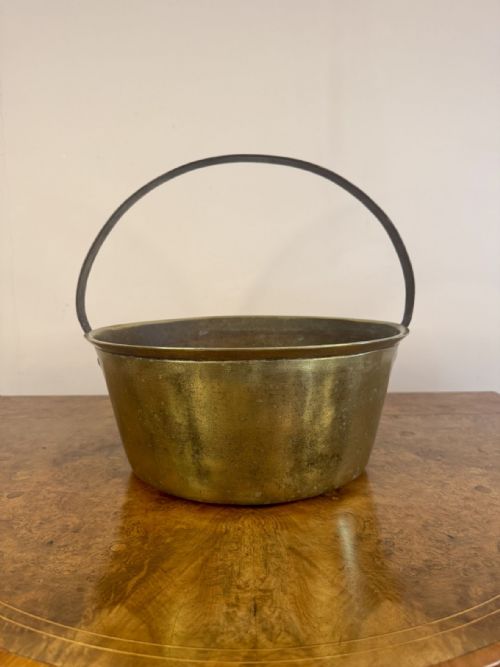
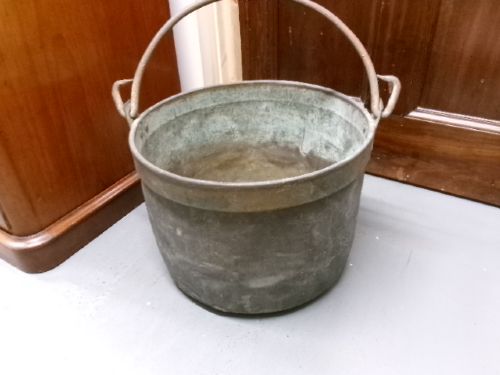
A heavy brass planter is a sturdy vessel designed to house plants, drawing on forms from utilitarian kitchenware and coal storage. When you search for this phrase, you encounter robust metal containers originating from periods such as the nineteenth century, Victorian era, and the nineteen-thirties.
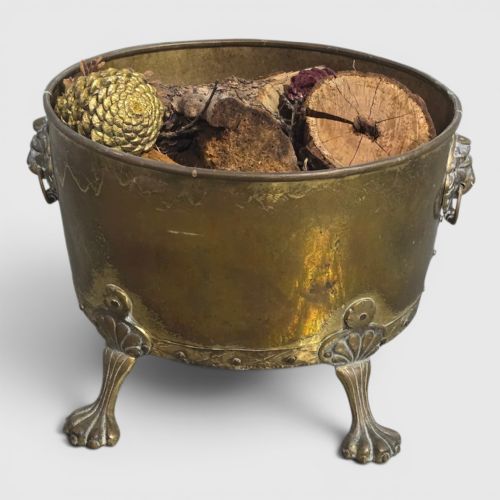
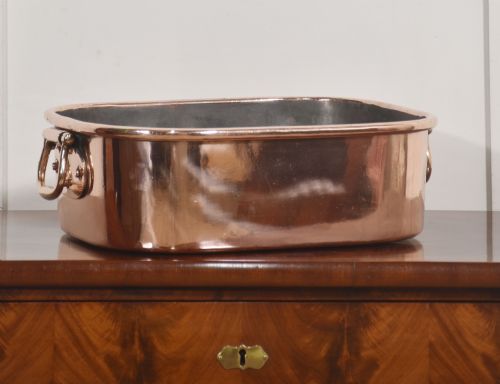
The selections span distinct cultural styles, including Anglo-Indian, Chinese, Japanese, and Victorian Orientalism. Many examples adapt older utilitarian forms like log bins, cauldrons, buckets, and fish kettles into decorative jardinières and planter bowls.
You are most likely to meet substantial Victorian and nineteenth-century brass pails or jardinières alongside Chinese bronze bowls and copper cauldrons. These objects combine practical metalwork with decorative presence, often featuring swing handles or riveted construction.
How they were made
Makers utilised heavy sheet metals such as brass, copper, and bronze, often joining sections with visible rivets to ensure structural integrity under wet conditions. Iron and tin also appear in supportive components or secondary vessels.
Working methods combined hammering, casting, and hand-riveting to shape utilitarian containers and decorative vessels. Dinanderie techniques permitted intricate surface manipulation on copper and brass bodies.
Some items incorporate wood elements alongside metal sheets, particularly in handles and bases designed to insulate surfaces. Surface finishes rely on natural patination and polishing rather than applied paints.
Heavy Brass Planter Retail Price Guide 2026
Typical asking prices for heavy brass planter among the pieces listed under this phrase on Sellingantiques today, from the lower quarter to the upper quarter. They describe what is for sale here now, not the wider market.
Listings feature heavy brass planters alongside copper boilers, bronze bowls, and iron-handled log buckets spanning the nineteenth and early twentieth centuries.
What varies in quality
The calibre of a heavy brass planter depends heavily on the thickness of the metal sheet and the integrity of its construction. Heavier pieces demonstrate substantial weight, indicating thick-gauge brass, copper, or bronze rather than thin modern pressings.
Craftsmanship shows in the neatness of hand-beaten surfaces and the precision of riveted seams. Superior examples display balanced proportions, secure handle attachments, and well-integrated bases that handle moisture without instability.
The Heavy Brass Planter Glossary
- Jardiniere
- An ornamental pot or stand for displaying live plants or flowers. It typically sits on the floor or a tabletop rather than hanging.
- Dinanderie
- The medieval art of working brass and copper into decorative objects and vessels. It denotes items shaped through beating and engraving sheet metal.
- Cauldron
- A large metal pot with a wide mouth, traditionally used over an open fire for boiling liquids or cooking. In later decorative contexts, these heavy vessels serve as log bins and planters.
- Campaign bucket
- A portable storage container originally constructed for military travel. These pieces feature sturdy handles and reinforced metal bodies designed to withstand arduous transport.
Heavy Brass Planter: Frequently Asked Questions
What plants suit a brass planter?
Potted houseplants in plastic nursery containers sit neatly inside these metal vessels without direct soil contact.
Using a separate inner pot protects the interior metal from prolonged moisture and mineral damage.
How do I clean brass safely?
Gentle wiping with a soft, dry cloth preserves the aged surface and natural metallic patination.
Harsh chemical abrasives strip away historical character and permanently damage the finish of antique metal.
Can I use these outdoors?
Sheltered porches and garden rooms protect antique metal surfaces from aggressive weather elements and extreme frost.
Continuous exposure to heavy rain accelerates oxidation and degrades historical joins in riveted vessels.
How do I date an antique planter?
Construction methods like hand-beating, specific rivet types, and material thickness offer clues to the manufacturing period.
Stylistic cues such as Victorian Orientalism or Art Deco motifs help narrow down the decade of origin.