
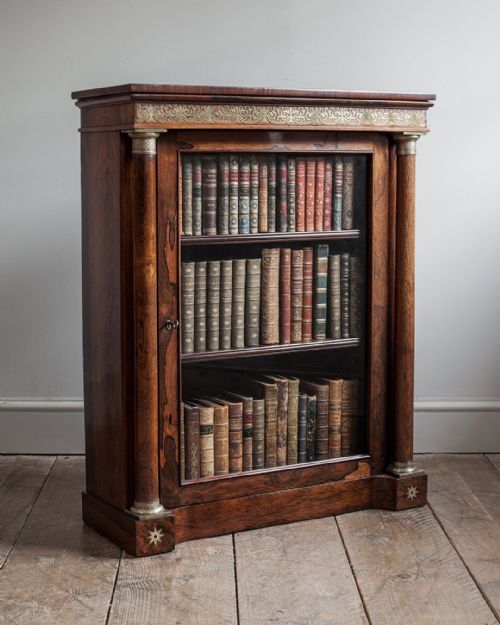
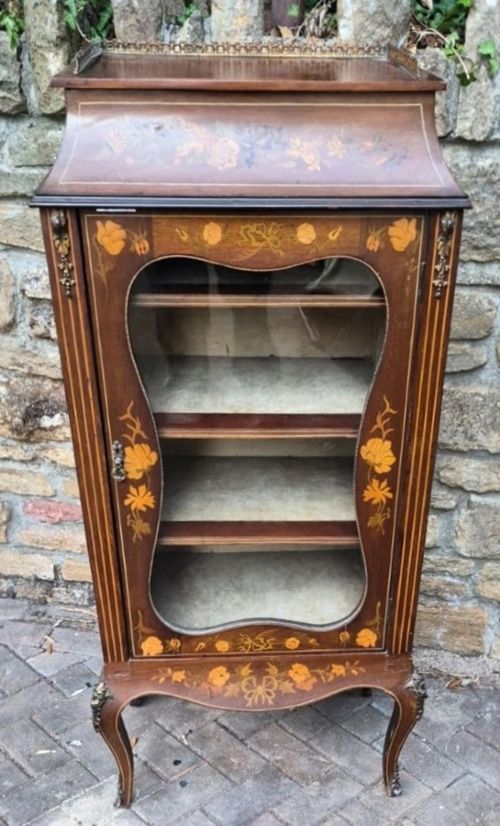
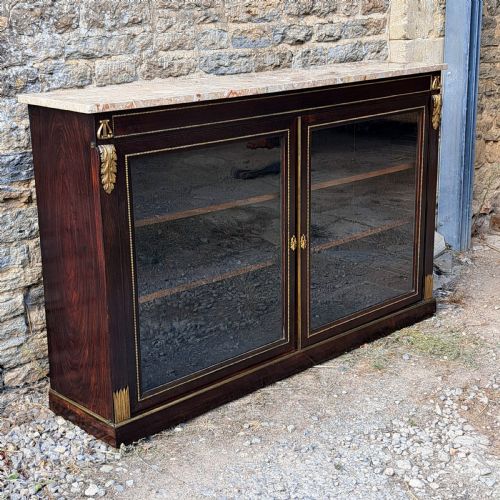
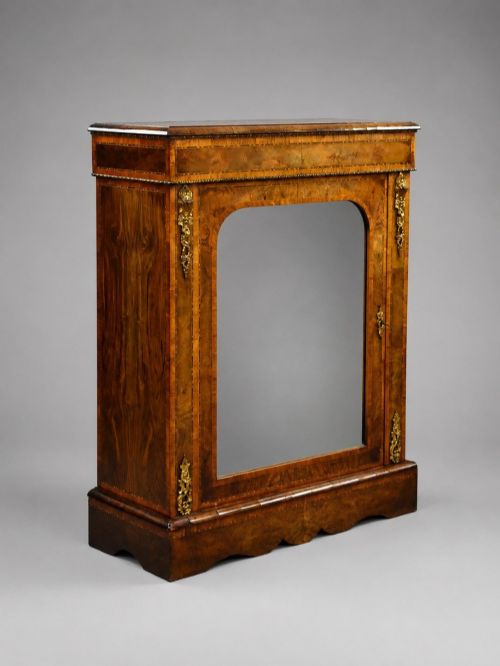



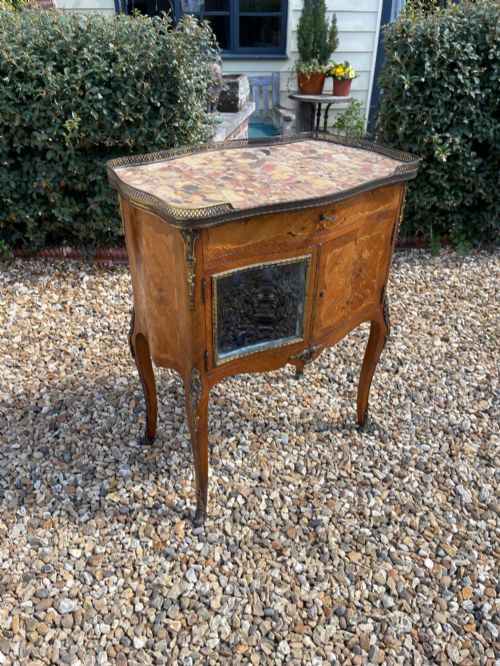
Brass Inlay Display Cabinet
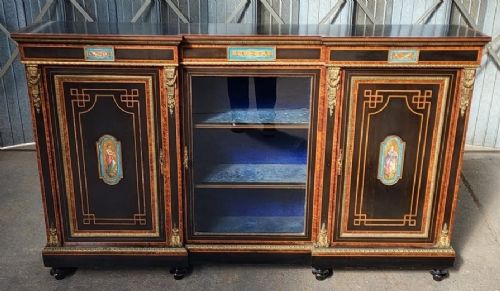
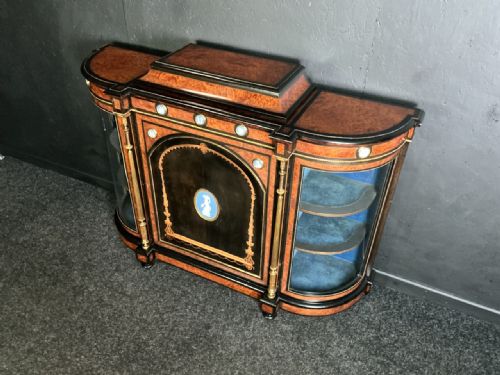
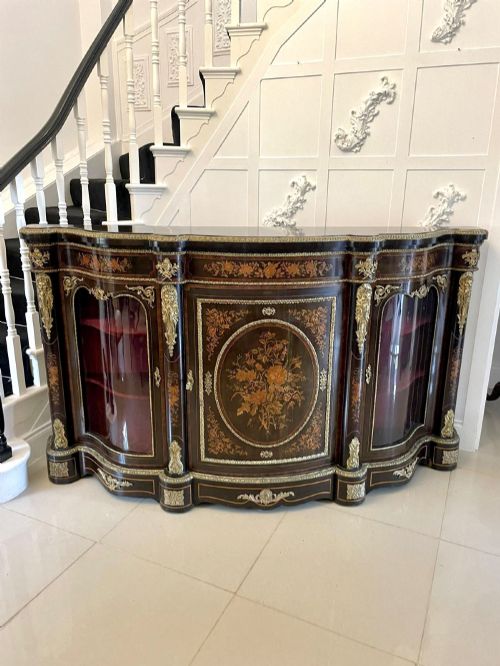
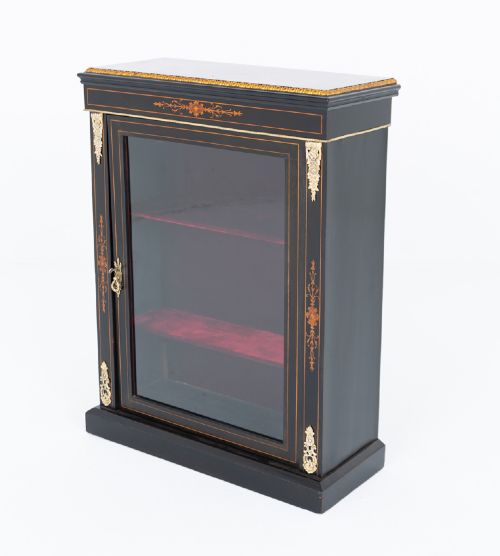
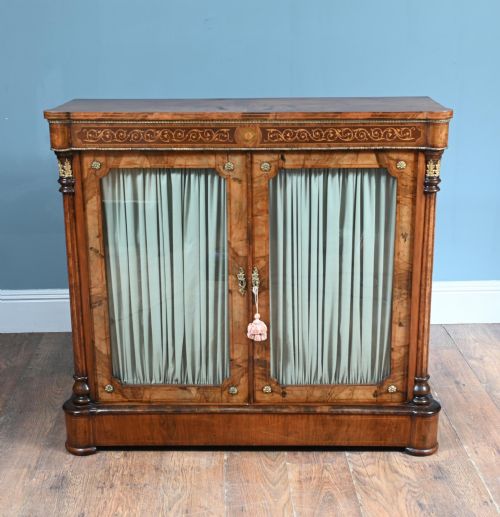
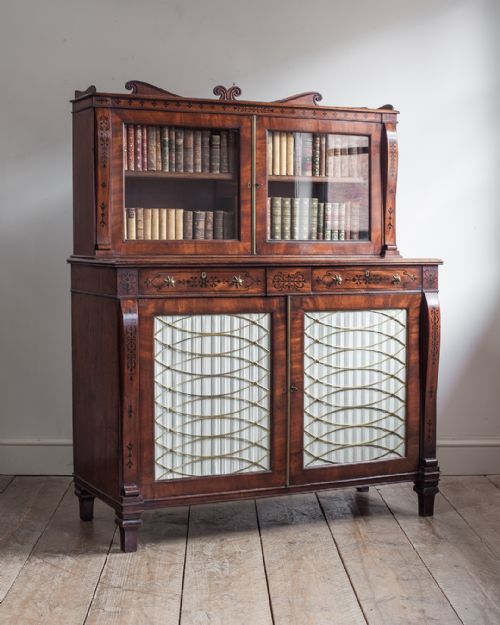
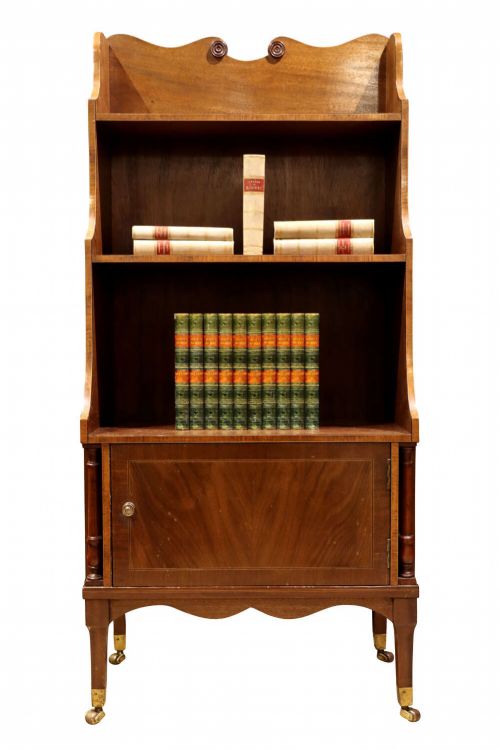
A brass inlay display cabinet holds treasured porcelain and books behind glass, framed in polished timbers with precise metalwork.
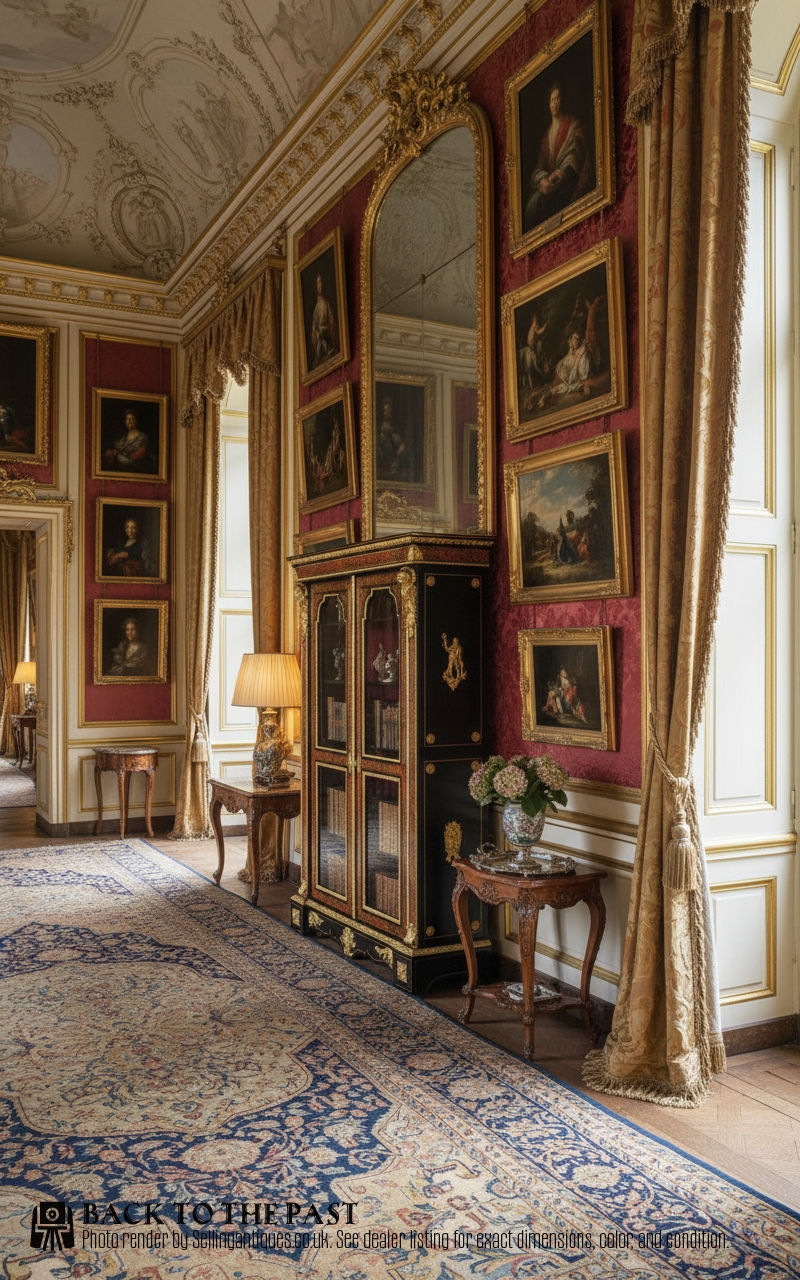
Brass Inlay Display Cabinet
A brass inlay display cabinet brings together refined glazing and distinctive metal detailing across nineteenth-century and Edwardian forms. Buyers find tall pier cabinets, low credenzas, and breakfront bookcases designed to showcase decorative objects in domestic interiors.
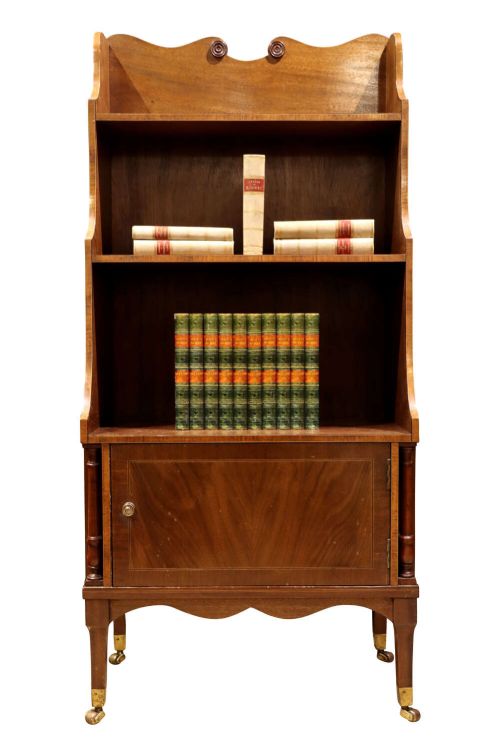
The pieces appearing most frequently on this page span the Victorian and Regency periods, alongside French Napoleon III designs. These examples employ dark woods and glazed doors to frame objects of curiosity.
Makers and workshops utilised contrasting veneers and fine glazing bars to create focal points for the parlour or drawing room. Each cabinet balances utility with ornamental ambition through glass panels and fitted interior shelving.
Materials and construction
Cabinet makers built these pieces using foundational timbers such as mahogany, rosewood, walnut, and ebonised wood. Artisans applied thin veneers of exotic woods to carcases of softer timber, creating stable surfaces for decorative enrichment.
Brass wire and sheet metal formed intricate inlay patterns embedded directly into the wood surfaces. Ormolu mounts and cast brass fittings were added to corners, doors, and feet to provide structural accents.
Glass panels were secured within rebated wooden frames or held by cast brass glazing bars. Many examples incorporated tortoiseshell or Boulle marquetry alongside the brass inlay to enrich the visual depth.
Materials recorded across current items include tortoiseshell, ormolu mounts, ebonised wood, and Sevres porcelain plaques.
Assessing craftsmanship
Quality rests upon the precision of the brass inlay work and how tightly the metal sits flush within the surrounding timber. Superior pieces display unbroken continuity in the engraved brass lines without gaps or filler.
The choice of underlying timber and veneer figures distinguishes standard production from exceptional examples. Dense burr walnut, figured mahogany, and rich rosewood provide a more substantial ground for the metalwork.
Interior fittings, original glass, and heavy cast brass hardware indicate the original tier of manufacture. Well-made cabinets feature properly fitted doors that close squarely and retain original locking mechanisms.
Edwards and Roberts
The Brass Inlay Display Cabinet Glossary
- Boullework
- An elaborate form of marquetry using tortoiseshell and brass inlay developed in France. This technique creates a tortoiseshell pattern contrasted against gleaming brass arabesques.
- Ormolu
- Gilded bronze used for mounts and decorative fittings on furniture. The technique involves applying a gold amalgam to bronze before heating.
- Pier cabinet
- A narrow cabinet designed to stand against the wall space between windows. These upright cases often feature glazed doors for display.
- Credenza
- A low sideboard or cabinet featuring cupboards and sometimes glazed display sections. Originating as a side table, it evolved into a prominent display piece.
- Marquetry
- Decorative patterns formed from pieces of wood veneer applied to a carcase. Artisans cut various timbers and metals to fit together like a puzzle.
Brass Inlay Display Cabinet: Frequently Asked Questions
Where should I place a brass inlay display cabinet?
These cabinets suit drawing rooms, dining spaces, or hallways where natural light illuminates the glass and polished woodwork. Avoid placing them in direct sunlight to protect sensitive veneers and interior linings from fading.
Ensure the floor is level so the doors hang true and close without catching on the frame. Positioning them away from heat sources preserves the stability of the timber and brass elements.
How do I clean the brass inlay?
Dust the surfaces gently with a dry, soft microfibre cloth to remove everyday particles without abrading the timber. Avoid using harsh metal polishes near the wood, as chemical cleaners can stain the surrounding veneer.
If the brass requires attention, apply a specialist cleaner sparingly with a cotton bud directly to the metal. Buff the surrounding wood immediately with a quality wax to maintain the finish.
Can I adjust the shelves inside?
Most nineteenth-century display cabinets feature fixed wooden shelving integral to the interior structure. Altering the shelf heights requires professional intervention to maintain the stability of the carcase.
Earlier pieces relied on stationary wooden supports rather than modern adjustable metal pins. Plan the scale of your displayed items to fit the existing shelf compartments.