

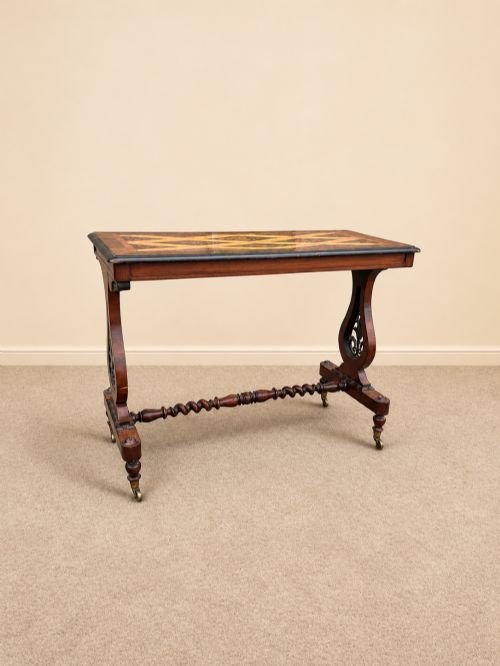
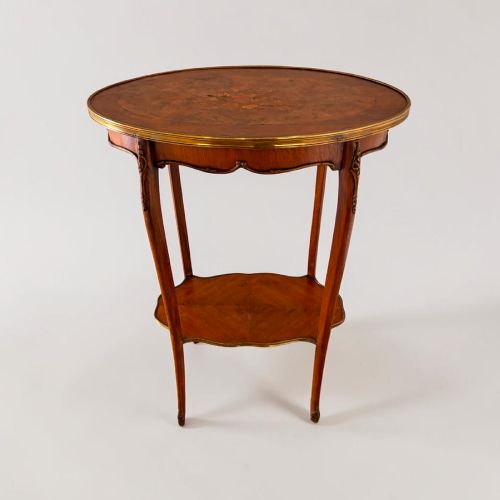
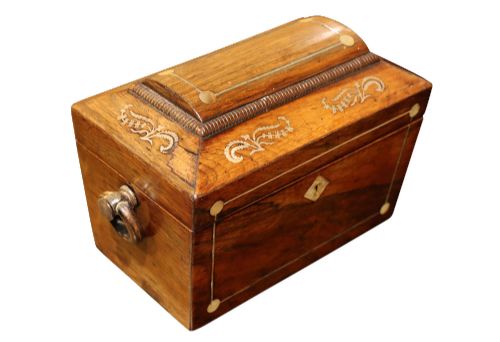
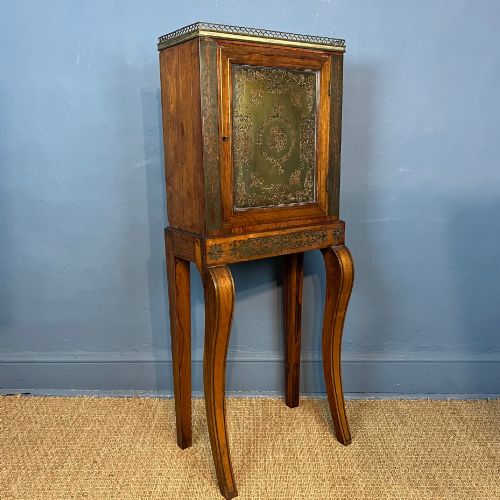
Brass Inlaid Rosewood
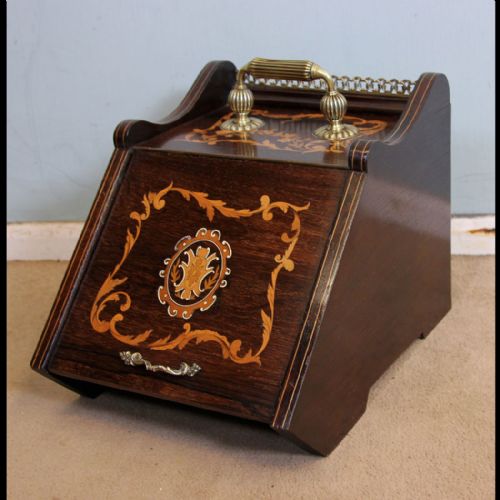
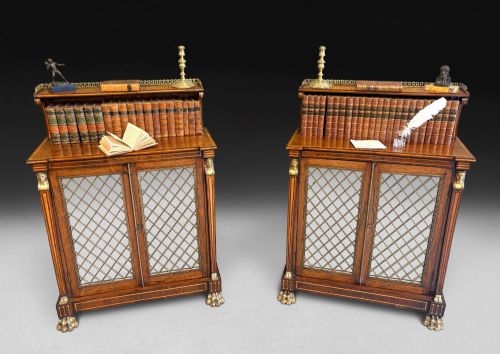
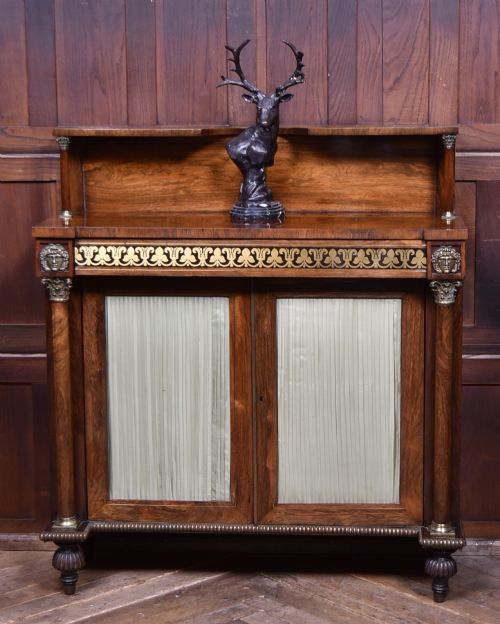
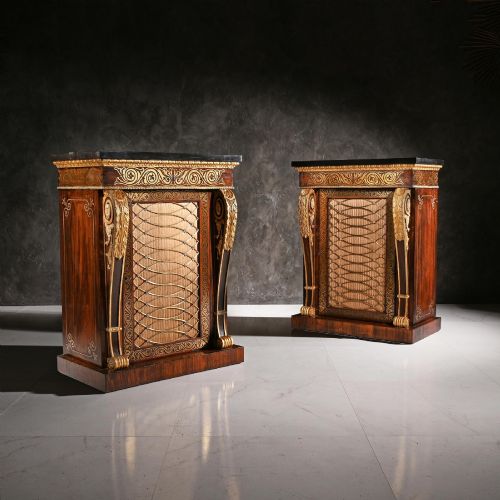
Brass inlaid rosewood pieces bring together dark timber and gleaming metal work to create rich contrasts that anchor a traditional interior.
Brass Inlaid Rosewood
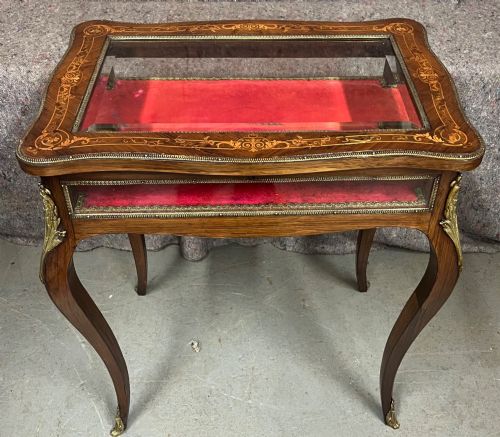
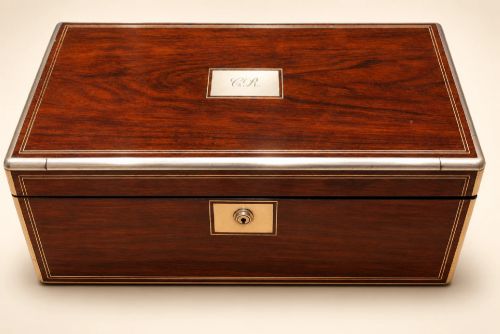
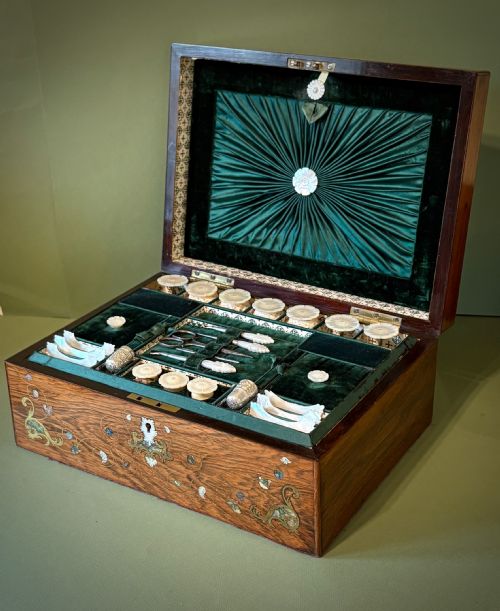
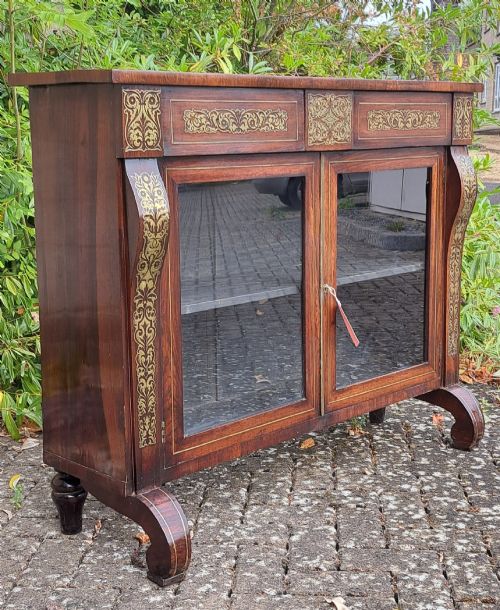
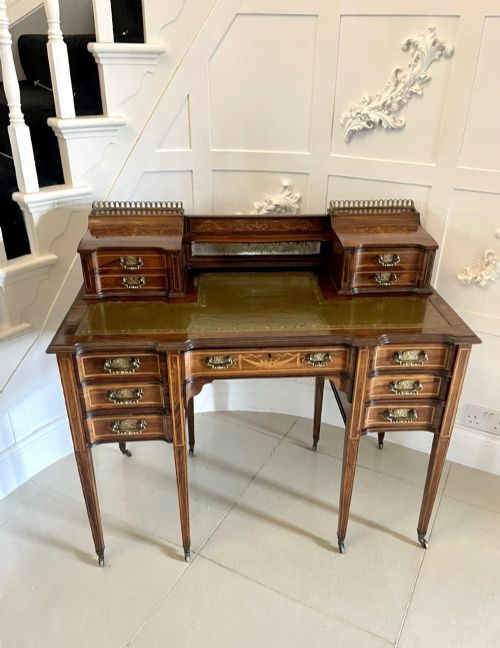
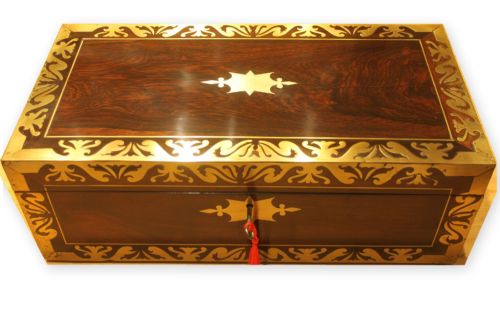
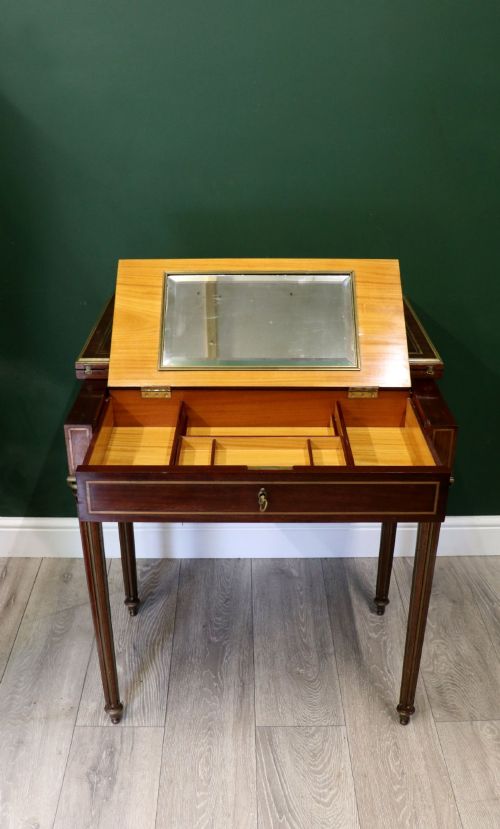
When you search for brass inlaid rosewood, you encounter furniture and decorative objects primarily originating from the nineteenth century, with a strong representation of Regency, Georgian, and Victorian periods. The selection spans utilitarian writing boxes and mantel clocks to grand card tables, dining chairs, and centre tables.
The most common formats meeting this description are folding game and card tables alongside seating furniture, frequently displaying symmetrical brass line work or scroll motifs across dark timber surfaces. Dining chairs and occasional tables from the Regency era frequently utilise this combination of materials to create decorative focal points.
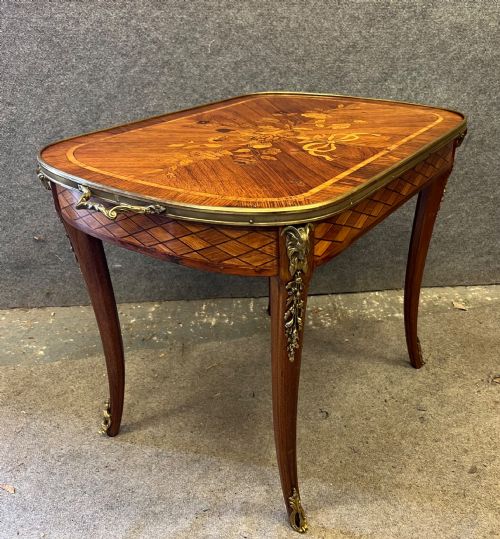
Beyond standard English cabinet work, regional variations appear including French manufacture and Anglo-Indian Hoshiarpur pieces, widening the scope of forms from side cabinets to specific square side tables. These objects combine functional daily use with intricate decorative surfaces executed in contrasting metals and dense hardwoods.
How brass inlaid rosewood pieces were made
Cabinet makers utilised dense rosewood substrates, sometimes complemented by secondary timbers such as mahogany or satinwood, to form the primary carcasses and tabletops. Metalwork in brass was precisely cut and pressed into shallow channels chiselled directly into the wood grain.
Makers integrated cast or sheet brass alongside mounts in ormolu, securing the metal elements with adhesives and tiny pins before scraping and polishing the entire timber surface flush. Additional decorative methods visible on these pieces include floral marquetry and fine wood veneers applied over structural carcases.
Brass Inlaid Rosewood Retail Price Guide 2026
Typical asking prices for brass inlaid rosewood among the pieces listed under this phrase on Sellingantiques today, from the lower quarter to the upper quarter. They describe what is for sale here now, not the wider market.
Listings feature nineteen-century furniture and boxes utilising rosewood, mahogany, maple, and brass, spanning card tables, writing desks, and dining chairs.
What varies in quality
The precision of the brass inlay reveals the skill of the original workshop, particularly where complex scrollwork or narrow lines meet curves and corners without gaps or lifting edges. Superior examples maintain flush alignment between the metal and the surrounding rosewood grain over decades of use and timber movement.
Construction methods and timber selection divide standard production from exceptional cabinet work, seen in the structural integrity of pedestals, the matching of veneer grains, and the presence of documented attributions to notable makers like Gillows or George Bullock.
Maple and Co·Gillows Oxford Street Workshop·George Bullock·Louis Constantin Le Gaigneur
The Brass Inlaid Rosewood Glossary
- Rosewood
- A dense, dark timber featuring pronounced grain patterns and deep brownish-purple colouration. It provides a high-contrast background for bright brass inlay.
- Card table
- A folding table designed for evening games, typically featuring a swivel or hinged top that opens to reveal a baize-lined playing surface.
- Ormolu
- Gilded bronze used for decorative mounts and furniture fittings during the eighteenth and nineteenth centuries. It adds metallic highlights alongside brass line work.
- Campaign writing slope
- A portable box designed for travel that opens to form an inclined writing surface with fitted compartments for ink and pens.
- Centre table
- A freestanding table finished on all sides so it can stand in the middle of a room rather than against a wall.
Brass Inlaid Rosewood: Frequently Asked Questions
What periods do these pieces come from?
The inventory largely spans the nineteenth century, capturing Georgian, Regency, and Victorian eras. Pieces from around eighteen-twenty to eighteen-thirty show the height of this decorative style.
Later Victorian and Edwardian examples continue the tradition alongside occasional turn-of-the-century items. Dating relies on construction techniques, hardware styles, and the specific evolution of furniture forms.
How do I care for rosewood and brass?
Keep these items away from direct sunlight and sudden temperature shifts to protect the dense timber from splitting. Regular dusting with a soft, dry cloth preserves the polished finish.
Avoid harsh chemical cleaners that can loosen the tiny pins holding the brass work in place. Natural wax applied sparingly keeps the rosewood nourished and maintains the lustre of the metal.
Were these items used daily?
Many items served practical functions in nineteenth-century homes, from writing desks and sewing boxes to dining chairs and card tables. They were built for active household use while displaying status in reception rooms.
Companions like compendium tables and tea caddies held specific domestic goods for entertaining guests. Their survival in varied conditions reflects the durable nature of hardwood construction.
How do I spot Regency style?
Regency design draws heavily on classical Greco-Roman motifs, featuring clean architectural lines, sabre legs, and contrasting brass details against dark wood. Proportions tend to remain balanced and restrained.
Look for lyre supports on tea tables and crisp brass stringing outlining table edges. This aesthetic prioritises balanced geometry over heavy carving.