


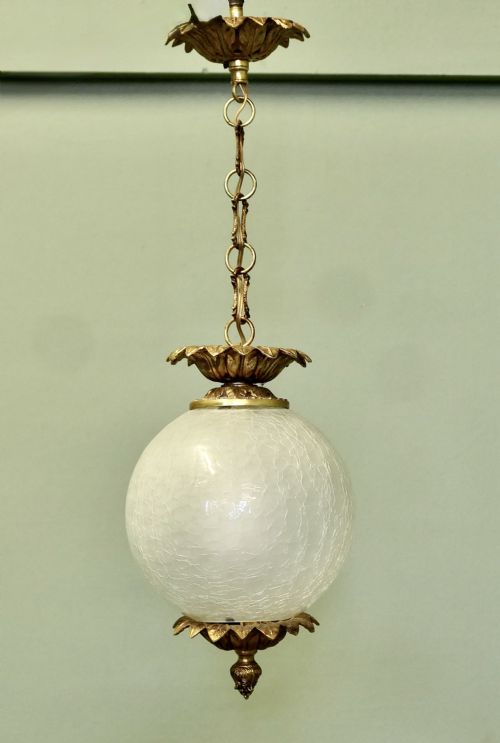
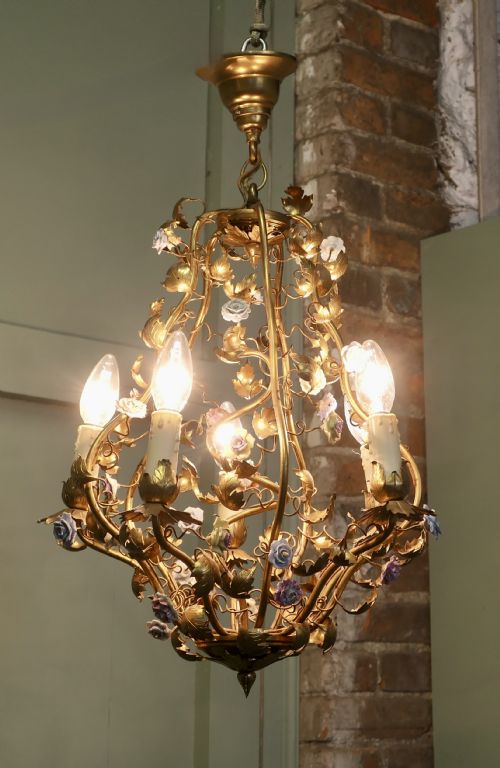
Brass Hanging Light Fixture
A brass hanging light fixture provides an immediate focal point to any room, bringing period character through warm metallic tones and glass.
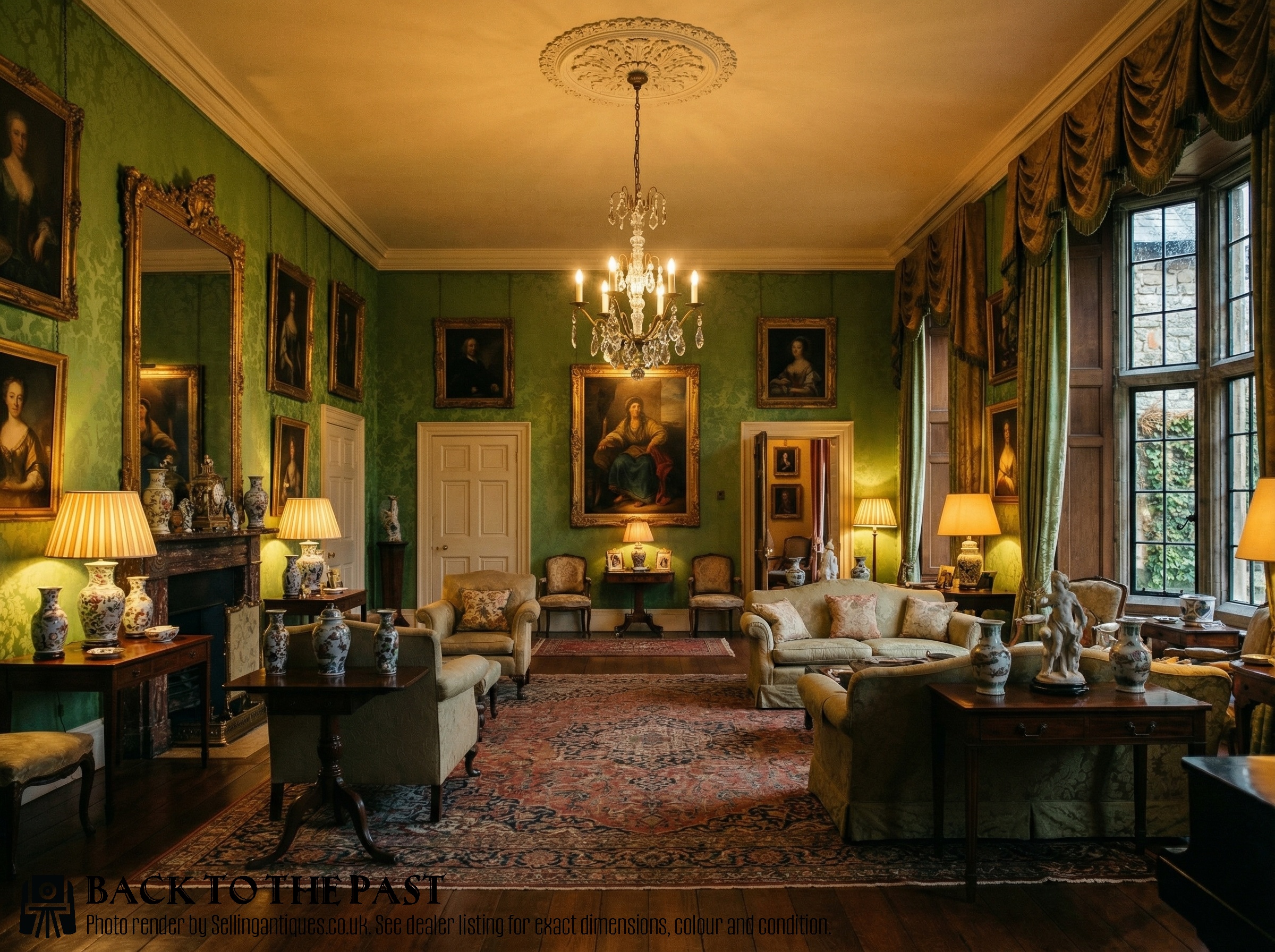
Brass Hanging Light Fixture
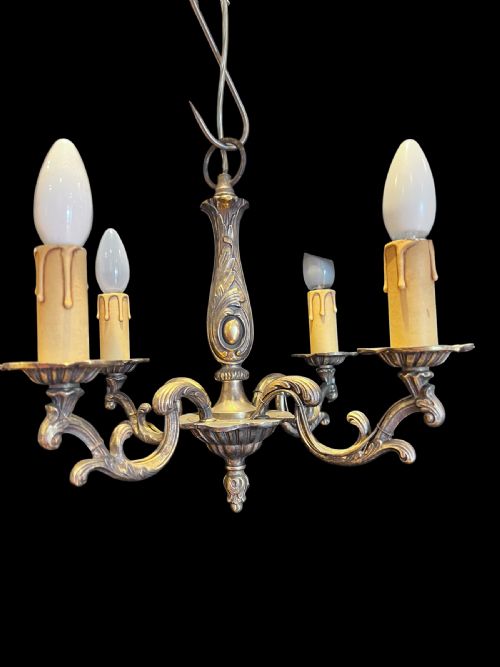
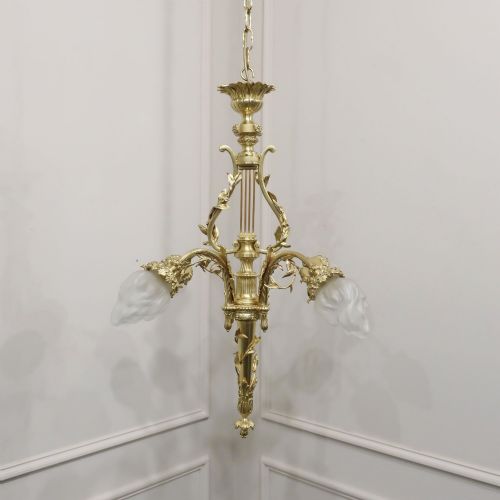
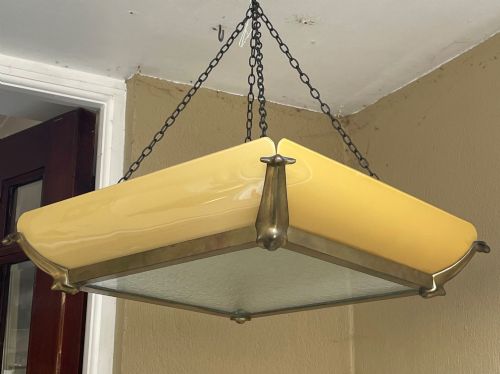
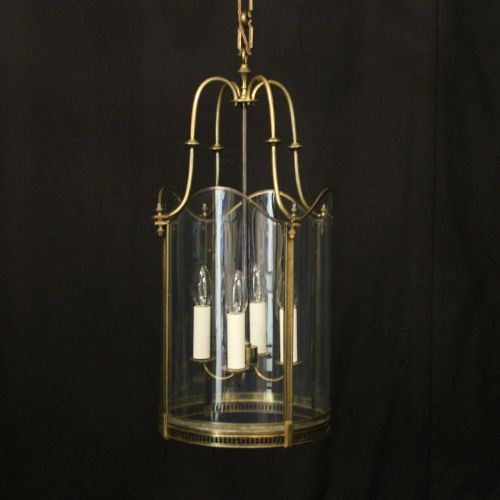
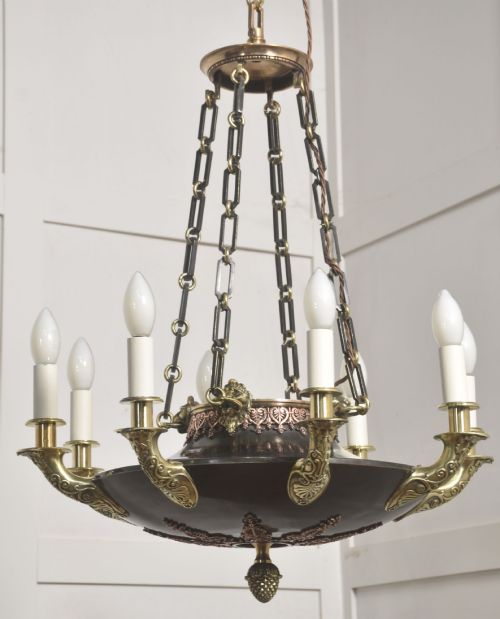
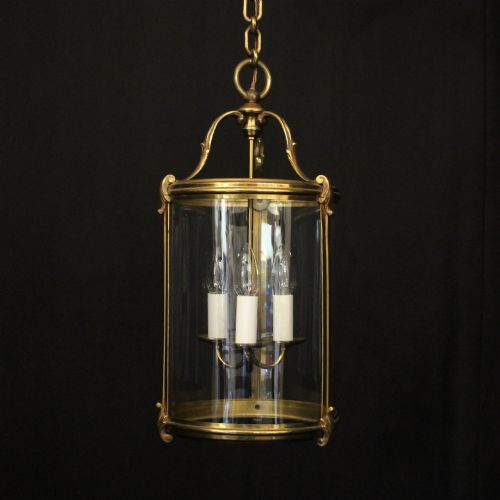
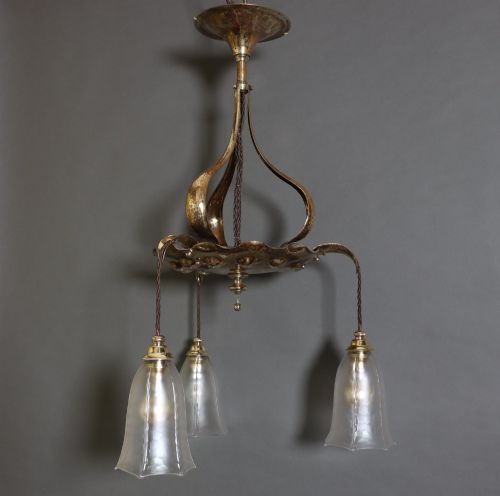
A brass hanging light fixture encompasses a wide variety of ceiling-suspended illumination, ranging from multi-branch chandeliers to enclosed hall lanterns and single-bulb pendants. When searching for a brass hanging light fixture, buyers encounter pieces originating from the Victorian and Edwardian eras, alongside early twentieth-century designs influenced by French Neoclassical, Arts and Crafts, and Art Deco styles.
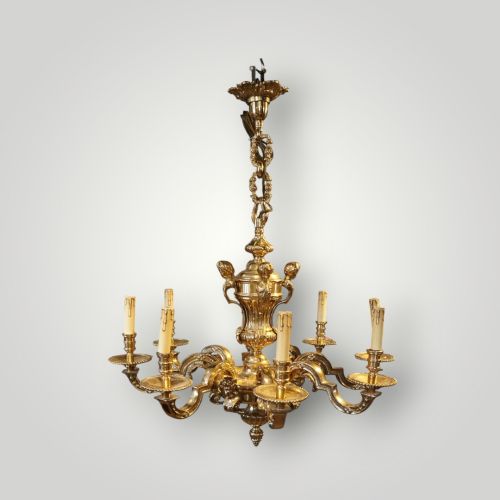
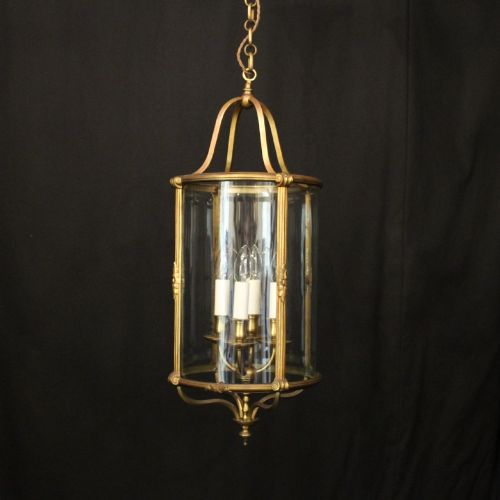
The most common examples on this page are French and English fixtures from nineteen-ten to nineteen-thirty, often utilising cast or gilded brass frames paired with glass elements. These pieces vary significantly in scale, from intimate hall lanterns designed for narrow entranceways to large twelve-light chandeliers built for principal reception rooms.
How they were made
Makers constructed these fixtures primarily from brass, copper, and gilt bronze, often incorporating cast metal branches, frames, and decorative mounts. Structural components were frequently assembled by hand, joining metalwork with threaded rods, screws, and soldered joints.
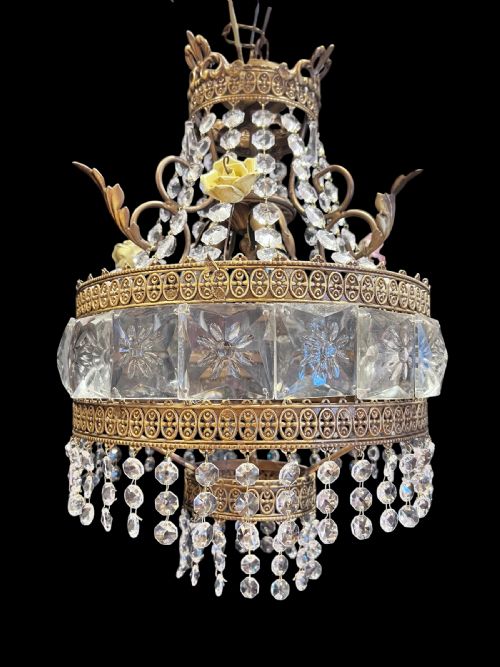
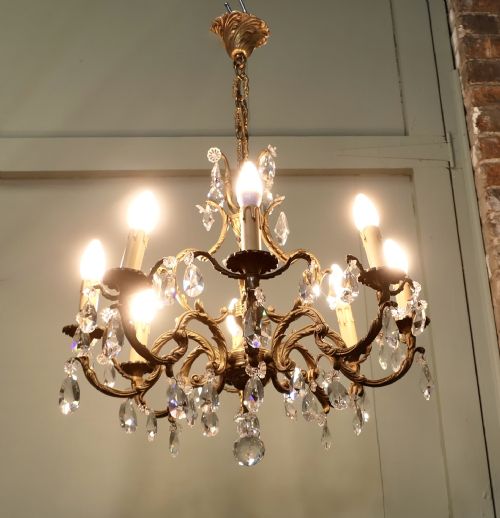
Visual complexity comes from the integration of glass, crystal, and leaded panels. Cut glass drops, bevelled panes, and moulded glass globes were suspended from or fitted directly into the metal frameworks to diffuse light and increase visual brilliance.
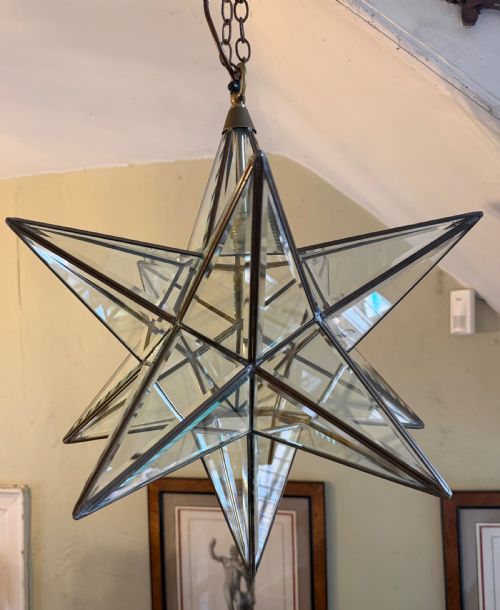
Several lanterns on display double as celestial navigation tools in appearance, taking the exact geometric shape of a Moravian star.
What varies in quality
Quality in these fixtures rests upon the crispness of the metal casting and the depth of the original finish, whether gilt, polished brass, or patinated bronze. Finer examples display hand-chased detail on mounts and heavier gauge metal that maintains structural integrity across multi-branch arrangements.
The grade of the glass components further distinguishes standard production from superior work. Hand-cut crystal lustres, heavy bevelled glass panes, and thick mouth-blown globes provide superior light refraction and weight compared to pressed or moulded alternatives.
The Brass Hanging Light Fixture Glossary
- Chandelier
- A branched ceiling light designed to hold multiple lamps or candles. These fixtures typically hang from a chain or rigid rod and feature several arms radiating from a central column.
- Hall lantern
- An enclosed hanging light used primarily in entranceways and corridors. They frequently utilise framed glass panels around a central burner or bulb.
- Plafonnier
- A shallow ceiling-mounted or close-hanging light fixture, often featuring a bowl-shaped glass shade held by metal mounts.
- Gilt bronze
- Bronze metal treated with a thin layer of gold leaf or applied gold amalgam. Also known asormolu, this finish provides a durable metallic lustre.
- Lustre
- A cut glass or crystal pendant drop hung from the arms or crown of a chandelier. These elements catch and scatter light across the room.
Brass Hanging Light Fixture: Frequently Asked Questions
How do I hang a heavy antique chandelier safely?
Heavy brass and bronze chandeliers require independent ceiling support attached directly to the joists rather than relying on standard electrical junction boxes. A professional electrician should install a steel mounting hook or joist hanger rated to bear the full weight of the fixture.
Once secured to the structural timber, the fixture chain and wiring connect to the designated hanging point. Balancing the chandelier during installation ensures it hangs level and places no undue strain on the electrical flex.
Can I use modern LED bulbs in these fixtures?
Modern LED bulbs work well in vintage and antique lighting, provided the bulb base matches the original lampholder. Selecting warm white colour temperatures preserves the historical ambience cast by the metal and glass.
Care should be taken with enclosed lanterns or delicate glass shades to choose bulbs that generate minimal heat and fit within the physical dimensions of the shade.
How do I clean antique brass without damage?
Dust brass and glass components regularly using a soft, dry microfibre cloth to prevent grime accumulation. Avoid harsh chemical polishes that strip historical patina or damage delicate gilt surfaces.
When deeper cleaning is necessary for glass lustres or shades, remove them gently and wash them in lukewarm water with mild soap, ensuring every piece dries completely before reattachment.