
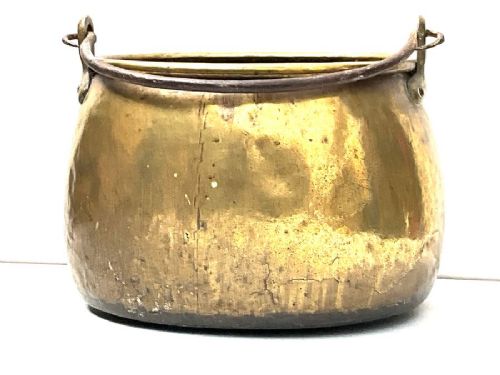


Brass Handled Pan
A brass handled pan brings heavy metal warmth to a hearth, combining practical kitchen utility with centuries of fireside heritage.
Brass Handled Pan
When you search for a brass handled pan, you encounter utilitarian cookware and hearth accessories originating from the eighteenth and nineteenth centuries. These vessels served domestic functions in kitchens and beside firesides, moving from active cooking to decorative display.
The selections span distinct periods including Georgian, Victorian, and Arts and Crafts eras, with heavy Victorian pieces appearing most frequently. Forms range from preserving pans and saucepans to warming pans, chestnut roasters, and fish kettles.
Origins stretch across English workshops and French provincial settings, reflecting regional domestic traditions. Buyers find items described in styles such as rustic farmhouse, French provincial, and Victorian country.
Materials and construction
Pieces combine copper, brass, bronze, and iron, utilising metalworking methods suited to durable kitchenware. Smiths shaped bodies from beaten copper or cast metal, securing handles through riveting or integral casting.
Iron appears frequently in handles, bails, and structural fixings, contrasting with polished brass and warm copper surfaces. Tin linings occasionally coat the interiors of cooking vessels to prevent food contact with reactive metals.
Some chestnut roasters spent winter evenings popping nuts over glowing embers before families retired to cold bedrooms.
Assessing quality and substance
Superior examples demonstrate substantial weight and thick gauge metal that resisted warping over open fires. Heavy casting and robust riveting separate utilitarian survivors from lighter decorative reproductions.
The integrity of handles and mounts dictates structural soundness, while surface patination shows the gentle accumulation of age and polishing. Original matching components and clean lines elevate the standing of a vessel.
The Brass Handled Pan Glossary
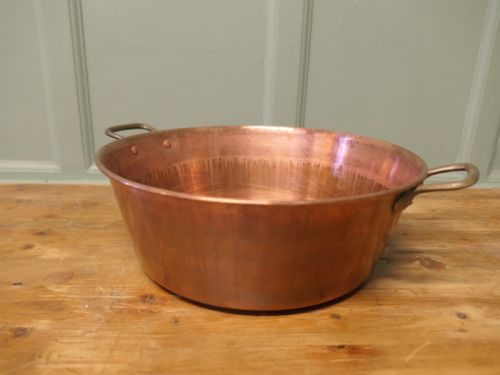
- Preserving pan
- A wide, open vessel designed for boiling fruit and sugar, usually featuring a swing handle for lifting heavy loads. These items saw extensive daily use in large country kitchens.
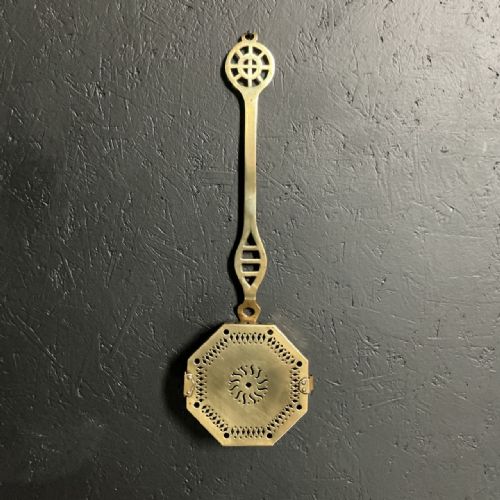
- Warming pan
- A lidded metal box mounted on a long handle, filled with hot embers to warm bedsheets before sleeping. Many feature embossed or pierced lids.
- Chestnut roaster
- A lidded pan perforated with small holes or designed to hold nuts over open coals. They allowed homeowners to roast chestnuts beside the fireplace.
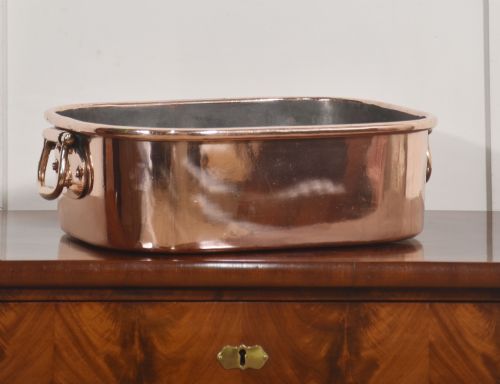
- Fish kettle
- An elongated vessel created to poach whole fish evenly. They include tight-fitting lids and side handles for maneuvering.
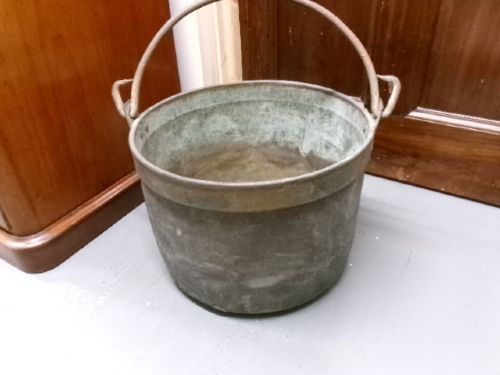
- Cauldron
- A deep, round pot with three legs or a bail handle, designed to sit directly over hearth fires. These heavy pieces formed the centrepiece of early cooking.
Brass Handled Pan: Frequently Asked Questions
How do I clean a brass handled pan?
Maintain the surface with gentle metal polishes designed for brass and copper, avoiding abrasive pads that scratch the historic patina. Regular wiping with a soft cloth preserves the natural lustre of the metal.
Leave deeper tarnish undisturbed if you prefer an authentic antique appearance. Heavy cleaning can remove traces of age valued by collectors.
Were these pans used for cooking?
Most examples served heavy-duty roles in period kitchens, boiling preserves, heating water, or preparing large family meals. Their thick walls distributed heat evenly across open hearths and early stoves.
Today, many owners repurpose them for fireside decoration or indoor plant displays. Their robust construction easily accommodates modern decorative uses.
How do I date a brass pan?
Examine the manufacturing marks, handle attachment methods, and overall heft to estimate the period of creation. Eighteenth-century vessels often display hand-beaten surfaces and irregular riveting.
Victorian pieces tend toward heavier, standardised production methods with distinct maker stamps or period stylistic cues. Comparing the form to documented kitchen inventories helps narrow the timeline.
What is the difference between a jam pan and a sauce pan?
Jam pans feature wide, open tops with shallow sides designed to evaporate liquids quickly during fruit preserving. They prioritize capacity and broad openings for stirring wooden paddles.
Saucepans have deeper sides and narrower mouths intended to contain bubbling liquids and sauces during general cooking. Their handles are proportioned for lifting and pouring rather than carrying heavy swing loads.