
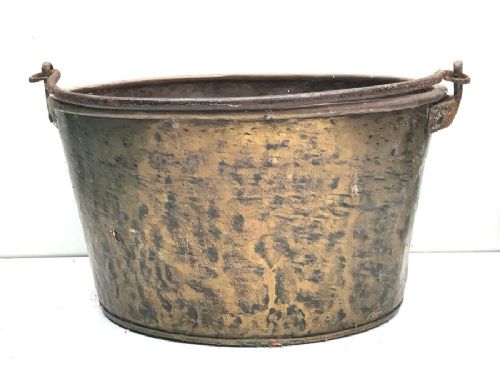
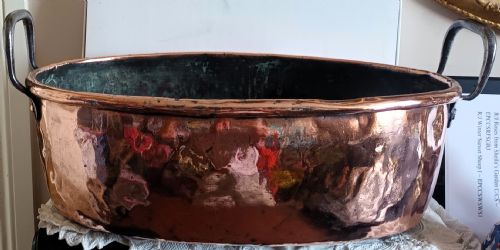
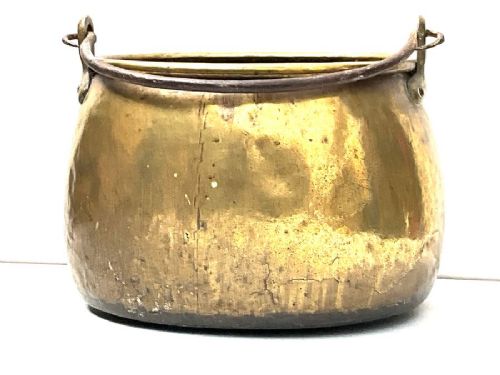


Georgian Preserving Pan
These georgian preserving pan examples are heavy kitchen vessels built for boiling fruit and sugar, prized for their glowing metal and enduring utility.
Georgian Preserving Pan
A buyer seeking a georgian preserving pan encounters heavy metal vessels designed for kitchen use, fruit preserving, and fireside display. These pieces originate across the eighteenth and nineteenth centuries, including items specifically dated to seventeen-fifty and eighteen-hundred.
The forms span cookware, hearth accessories, and specialist vessels such as cream setting pans, duck roasting pans, and jam pans. Most examples meeting this search phrase are constructed from copper, brass, or bronze, often fitted with wrought iron or swing handles.
Materials and construction
Makers utilised heavy metals including copper, brass, and bronze to withstand direct heat over open hearths and firesides. These durable materials were shaped into deep pans capable of holding preserves and liquids securely.
Construction details include hand riveting and sturdy wrought iron elements, ensuring the vessels remained functional for heavy kitchen tasks. Bronze and brass castings provided the substantial weight noted in larger display and cooking pans.
Some pans spent their retirement holding logs by the hearth rather than sugar on the stove.
Judging quality and character
Quality rests in the substantial weight of the metal and the integrity of the original construction, such as secure riveting on swing handles. Lighter utility pieces differ visibly from heavy, robust pans intended for display or large-scale boiling.
The visual appeal depends upon the warmth of the polished metal surface and the preservation of age-related marks from the hearth. Finer examples combine thick gauge copper or bronze with clean, honest forms untouched by modern alterations.
The Georgian Preserving Pan Glossary
- Preserving pan
- A deep metal vessel traditionally used for boiling fruit with sugar to make jams and preserves. These pots require wide mouths for rapid evaporation during cooking.
- Cream setting pan
- A specialised kitchen dish used in dairy work to allow cream to rise to the surface of milk. They appear in nineteenth-century contexts alongside standard cookware.
- Swing handle
- A movable arched handle attached to the sides of a pan by pivots, allowing the vessel to be tipped or hung over a fire. This feature aids in lifting heavy loads.
- Wrought iron
- Tough, malleable iron beaten into shape by hand, commonly used for the handles and fixings on early metal vessels. It shows distinct fibrous grain patterns from hammering.
Georgian Preserving Pan: Frequently Asked Questions
How were these pans used?
These heavy vessels served primarily for boiling down fruit and sugar over open fires to create jams and preserves. They were also utilised in country kitchens for general cooking, dairy work, and roasting.
Their substantial metal walls distributed heat evenly across the base, preventing the contents from burning during long simmering processes. Many were later moved from hearth utility to fireside display as decorative items.
Are they safe for modern cooking?
While these antique pans were built for heavy culinary use, many modern buyers prefer to use them purely for display or decorative fireside interest. The original metal surfaces may require careful assessment before preparing food.
Unlined copper and bronze vessels can react with acidic ingredients, which is a key consideration for anyone intending to use them for actual preserving today.
How do I clean and polish them?
Maintenance involves preserving the historic character of the metal rather than achieving a bright modern shine. Gentle cleaning removes harmful surface dirt without stripping away centuries of oxidation.
Many collectors apply specialised metal creams sparingly, using soft cloths to bring out the natural warmth of the copper, brass, or bronze surfaces.
How can I tell the age of a pan?
Dating relies on observing manufacturing techniques, material choices, and specific forms recorded across the eighteenth and nineteenth centuries. Hand-hammered construction and early riveted iron handles often point towards earlier periods.
Makers working around seventeen-fifty and eighteen-hundred employed distinct casting and forming methods that differ from later Victorian mass production.