
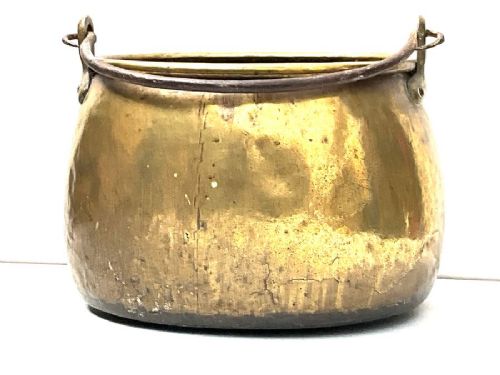


Antique Metal Jam Pan
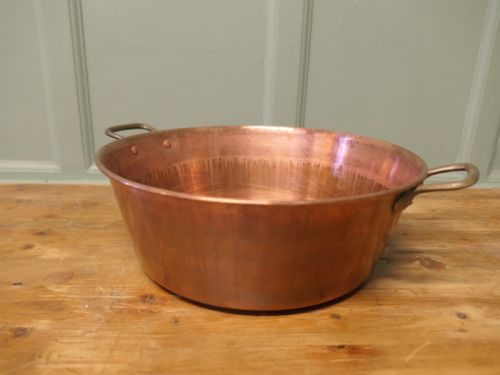
These antique metal jam pan pieces are heavy utilitarian vessels built for heavy fruit work, offering warmth and heft to modern kitchens.
Antique Metal Jam Pan
When you search for an antique metal jam pan, you encounter heavy kitchenware designed for fruit preserving across Georgian and Victorian periods. Most pieces met on this page belong to the nineteenth century, taking the form of large round bowls and cauldrons intended for hearth or stove use.
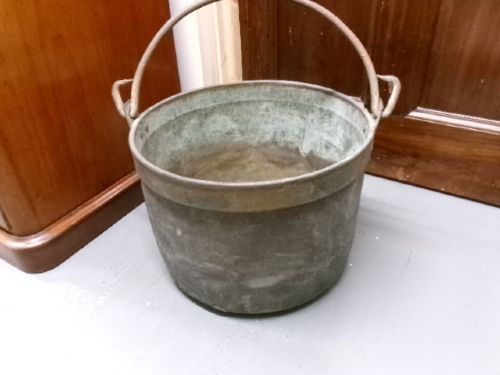
The assortment spans copper preserving pans with swing handles alongside brass jam pales and bronze cooking vessels. Makers fashioned these utilitarian objects for domestic domestic kitchens and farmhouses, prioritising capacity and heat distribution over decoration.
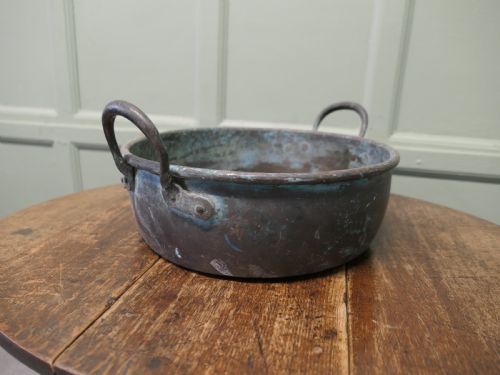
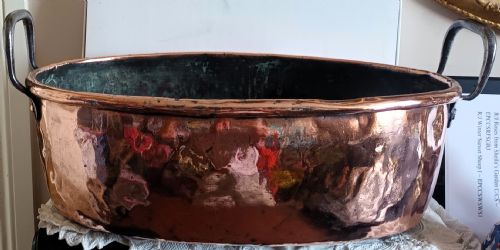
Alongside standard preserve pans, the listings include cream setting pans, cauldrons, and saucepans that share the same robust metal construction. These items range from small riveted vessels to large double handled pans meant for heavy daily service.
How they were made
Makers formed these vessels predominantly from heavy gauge copper, brass, and bronze, often pairing them with iron handles for lifting. The reliance on beaten or riveted sheet metal created strong seams capable of withstanding steady heat and frequent scrubbing.
Wrought iron swing handles were securely attached to heavy metal bodies using robust rivets to support the weight of boiling fruit and sugar. Many pieces display the distinctive surface marks of hand hammering and shaping which defined domestic metalwork before mass production.
Some heavy brass jam pales doubled as impromptu wash buckets when fruit season ended.
What varies in quality
Quality rests in the thickness of the metal plate and the integrity of the original construction rather than decorative flourishes. Heavy gauge copper and substantial brass retain their shape under heat, whereas thinner vessels show distortion and wear.
The finish of the riveted joints and the substance of the swing handles distinguish standard utility vessels from superior examples. Pieces bearing maker stamps or specific workshop details demonstrate a higher grade of period manufacture.
Hodges and Sons·Liptons
The Antique Metal Jam Pan Glossary
- Jam pan
- A wide, open metal vessel designed for boiling fruit and sugar evenly. These bowls allowed moisture to evaporate quickly during preserving.
- Preserve pan
- A deep metal container utilised for making jams and jellies over a fire or stove. They typically feature rounded bases and sturdy handles for transport.
- Swing handle
- A movable arched handle attached to opposite sides of a pan with pivots. This allowed the vessel to hang over a hearth or tilt for pouring.
- Cauldron
- A large round metal cooking pot with a wide mouth and bottom feet or a bail handle. They were built to sit directly in hearth embers.
- Cream setting pan
- A wide shallow vessel used in dairies to let cream rise to the top of milk. These are distinguished by their expansive surface area.
- Jam pale
- A deep cylindrical metal bucket utilised for boiling preserves. They share the heavy metal construction of standard jam pans but with taller vertical walls.
Antique Metal Jam Pan: Frequently Asked Questions
How were antique metal jam pans used?
These pans sat directly over open hearth fires or stoves to boil large quantities of fruit and sugar. Their wide rims encouraged rapid evaporation while heavy walls distributed heat without scorching.
Cooks utilised the swinging handles to lift or tilt the heavy vessels once the jam reached setting point. Beyond preserving, they served multipurpose roles in large domestic kitchens for boiling and heating.
What metals are these pans made from?
The listings consist largely of heavy copper, brass, and bronze, frequently accompanied by iron handles. Copper provided superior heat conduction for preserving fruit evenly.
Brass and bronze alternatives offered robust durability for daily kitchen duties and heavy dairy work. Wrought iron was strictly reserved for sturdy handles and structural reinforcements.
How do I date an antique pan?
Dating relies on observing construction methods such as hand-riveting, metal thickness, and handle attachments. Georgian pieces tend to show simpler hand-beaten characteristics while Victorian items often incorporate heavier cast handles and maker marks.
Stylistic cues like cream setting rims or cauldron shapes also help anchor pieces to eighteenth or nineteenth-century periods. Comparing handle attachments provides further clues regarding manufacturing eras.
How do I live with a metal jam pan?
These vessels suit modern interiors as hearth decorations, plant holders, or open storage for kitchen items. Their warm metal tones introduce rustic texture to both traditional and contemporary spaces.
Owners can polish the surfaces to a bright shine or leave the aged patina untouched depending on personal taste. Their sturdy weight makes them practical containers for logs or dried goods.