


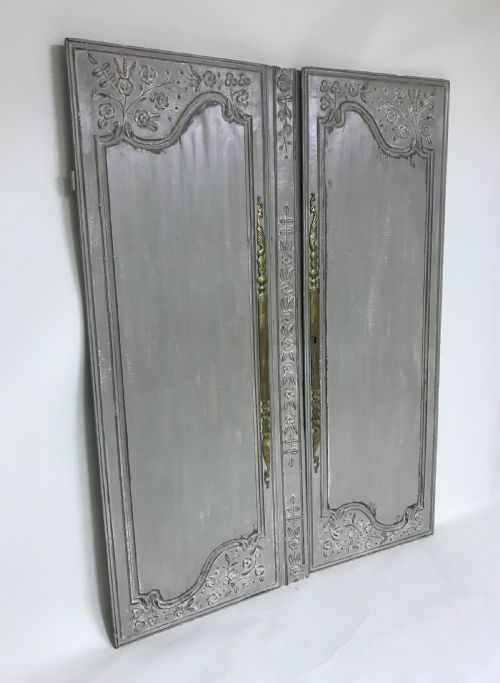

Brass Handle Oak Cupboard
A brass handle oak cupboard brings together honest timber and enduring hardware, offering functional storage with the warmth of traditional grain.
Brass Handle Oak Cupboard
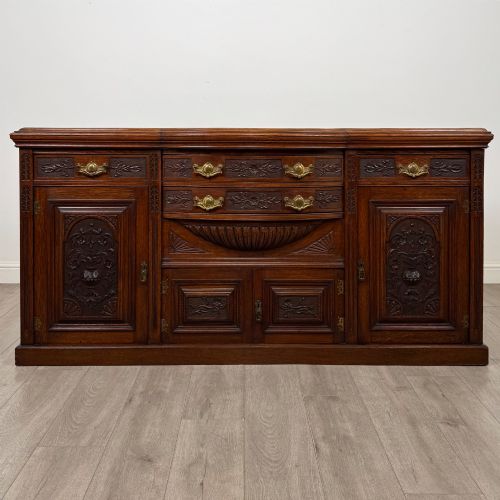
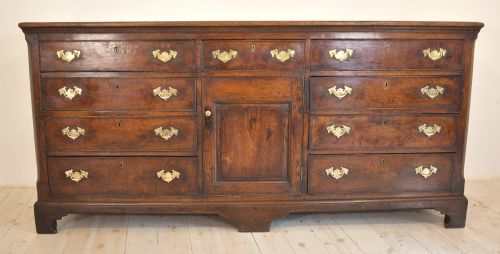
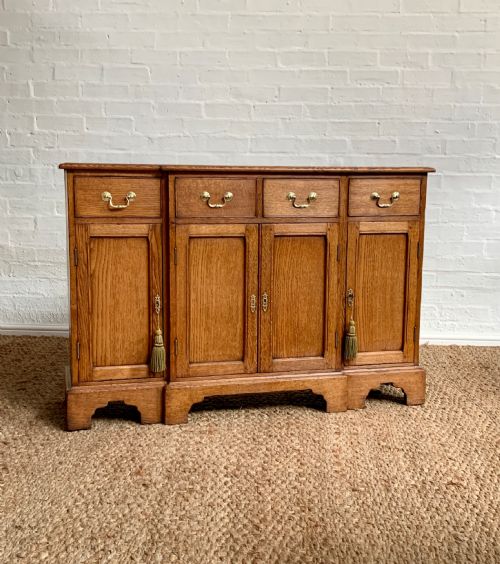
A brass handle oak cupboard is a practical storage piece defined by solid timber construction and fitted metal hardware. These cabinets range from utilitarian office and shop fittings to domestic bedside tables and chest bases.
The versions most commonly met span the eighteenth and nineteenth centuries, alongside interwar commercial and revivalist pieces. They appear in forms such as sideboards, dresser bases, commodes, and small bedside cabinets.
Makers utilised native hardwoods alongside brass fittings to create robust furniture designed for daily utility. The character of each piece rests on the natural figuring of the timber and the patination of the metal.
How they were made
Construction relies heavily on solid oak, frequently paired with secondary woods like pine or fruitwood for internal carcase work and drawer linings. Joinery techniques reflect the period of manufacture, utilising traditional framing methods to ensure structural stability.
Hardware is integral to the construction, with brass handles and drawer pulls secured directly to the timber doors and drawer fronts. Surfaces display varying finishes, from waxed natural grain to historical paint layers or polished patination.
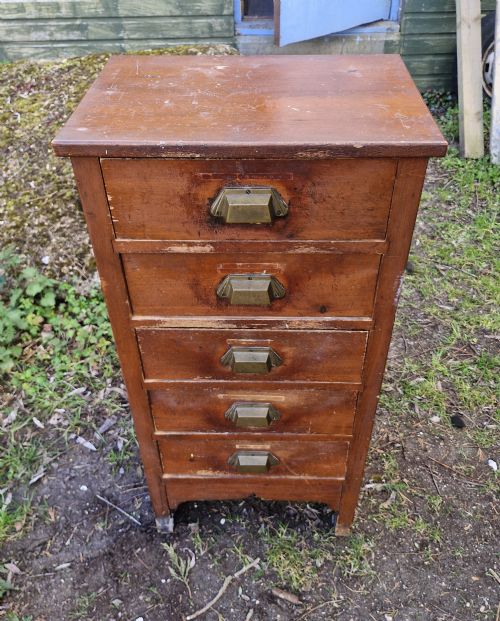
Needle drawers once stored haberdashery items in drapery shops, now keeping small household treasures safe behind tiny brass pulls.
What varies in quality
Quality differences emerge in the selection of timber and the precision of the joinery. Superior examples display carefully matched grain patterns across the primary surfaces and solid backboards rather than thin panelling.
The integrity and originality of the brass hardware distinguish finer items from later replacements. Better pieces retain their original handles, locks, and hinges, showing consistent wear appropriate to their age.
The Brass Handle Oak Cupboard Glossary
- Dresser base
- A lower sideboard or cabinet featuring drawers and cupboards, traditionally used in kitchens and dining spaces for storage. These items often display robust timber construction and substantial brass hardware.
- Commode
- A low piece of furniture containing drawers or cupboards, originating in France but widely adopted in British cabinet making. They frequently stand on short legs and serve as bedside or living room storage.
- Draper counter
- A retail display cabinet or counter featuring multiple shallow drawers, designed for haberdashery and textiles. These utility pieces often incorporate numerous small brass pulls.
- Patination
- The surface alteration of timber and metal caused by age, handling, and exposure to light over centuries. This gradual change creates a deeper tone and soft sheen across the material.
- Carcase
- The main structural body or frame of a cabinet before doors, drawers, and decorative mouldings are attached. The construction of the carcase indicates the underlying build quality.
Brass Handle Oak Cupboard: Frequently Asked Questions
How do I clean an oak cupboard?
Maintenance requires only a soft cloth and occasional application of traditional beeswax to nourish the timber. Avoid modern silicone sprays or excessive moisture, which can damage the aged surface.
Cleaning the brass handles should be done gently to preserve the natural patination built up over decades. Harsh metal polishes will strip the historical character from the hardware.
Can I use a bedside cupboard in a hallway?
These compact cabinets suit entrance halls and narrow landings perfectly, providing discreet storage for keys and post. Their modest proportions allow them to fit into tight architectural spaces without dominating the room.
Styling a hall cupboard with a small lamp or a ceramic bowl creates a practical landing spot. The sturdy oak construction easily withstands the daily foot traffic of a busy hallway.
Are these cupboards suitable for modern kitchens?
Period dresser bases and small utility cabinets integrate well into contemporary kitchens as freestanding storage units or server surfaces. Their durable timber tops provide a functional workspace alongside generous cupboard capacity.
Pairing antique oak with modern appliances adds textural warmth and historical contrast to a room. Ensure the timber is protected from direct water splashes to preserve the finish.
How do I tell an 18th century piece from a Victorian one?
Eighteenth-century examples typically display hand-cut dovetails, pegged joinery, and timber boards with irregular widths. Their construction prioritises structural strength using traditional workshop methods.
Victorian pieces often incorporate machine-sawn elements, standardised drawer construction, and sometimes heavier decorative carving. Examining the interior timber and backboards usually reveals the manufacturing era.