


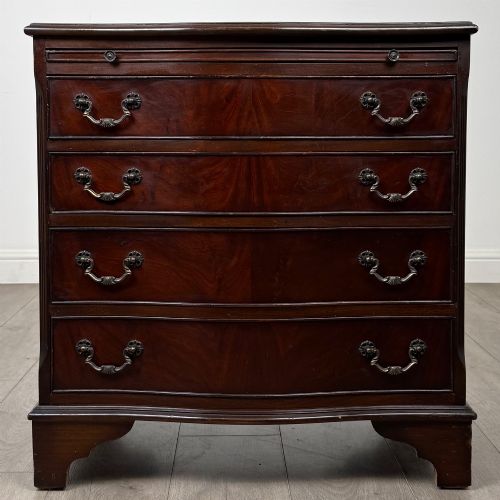
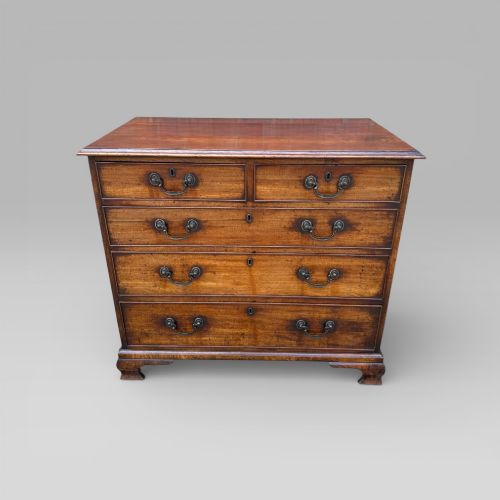
Brass Handle Mahogany Dresser
A brass handle mahogany dresser brings solid timber construction and period metalwork together in storage pieces designed to anchor a room.
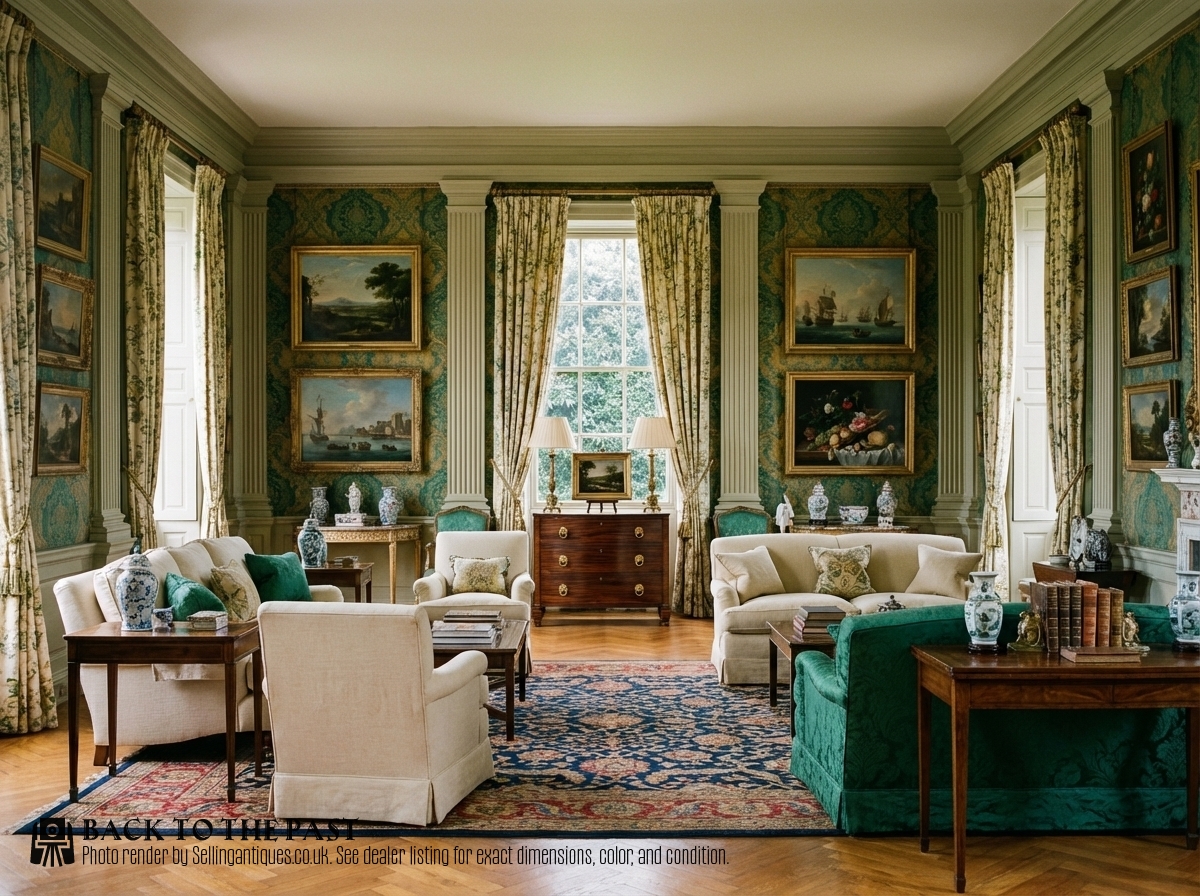
Brass Handle Mahogany Dresser
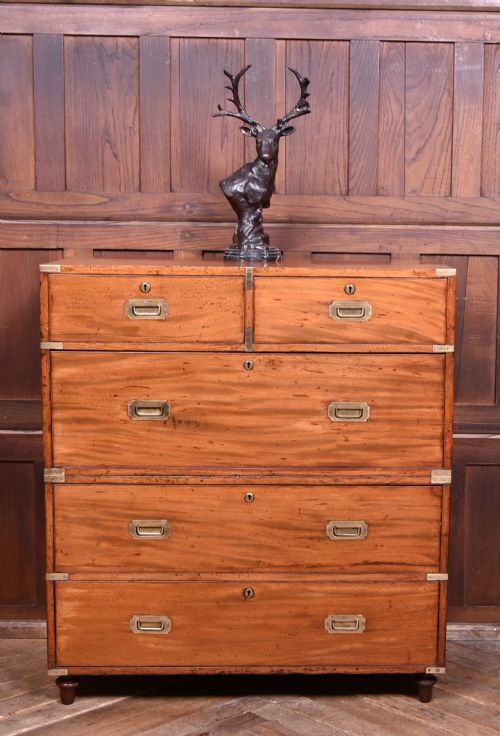
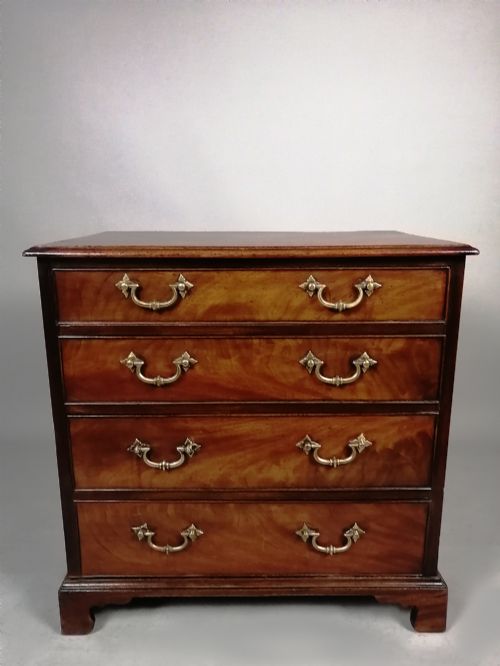
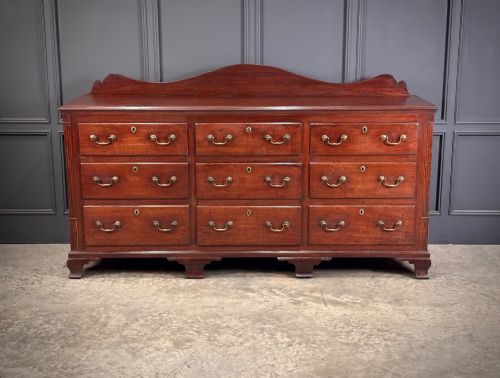
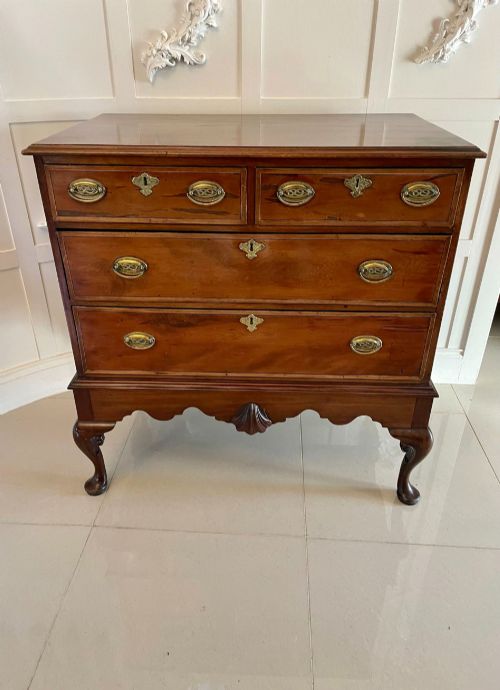
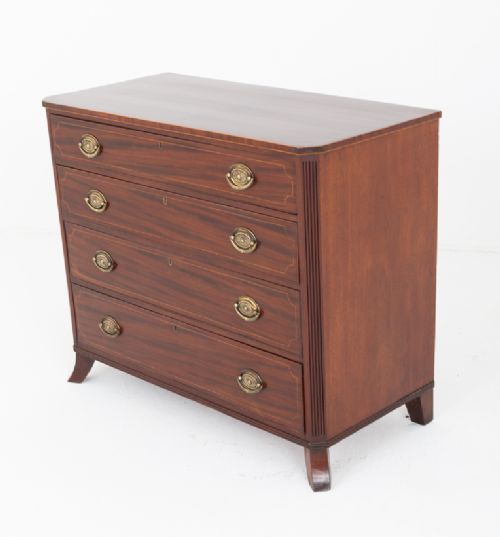
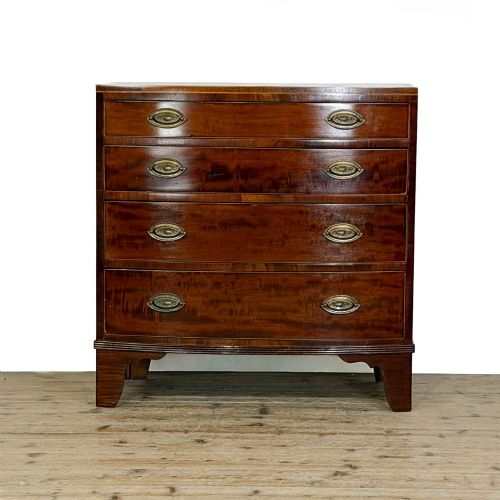
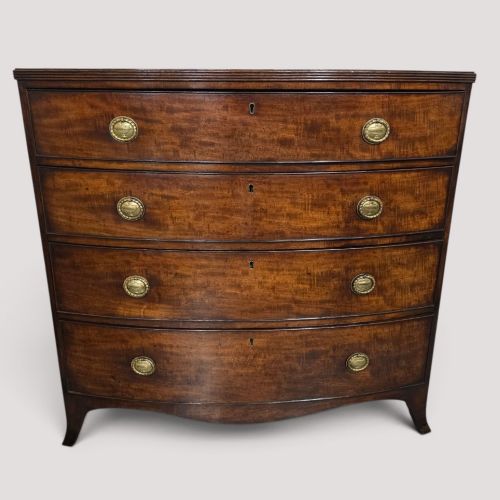
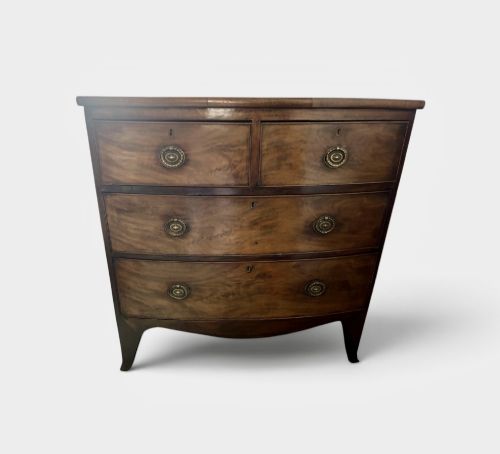
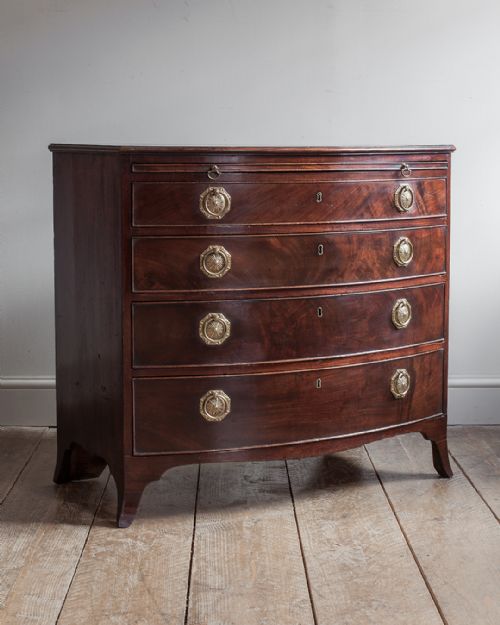
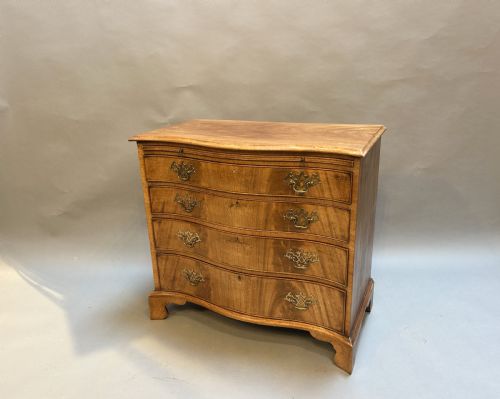
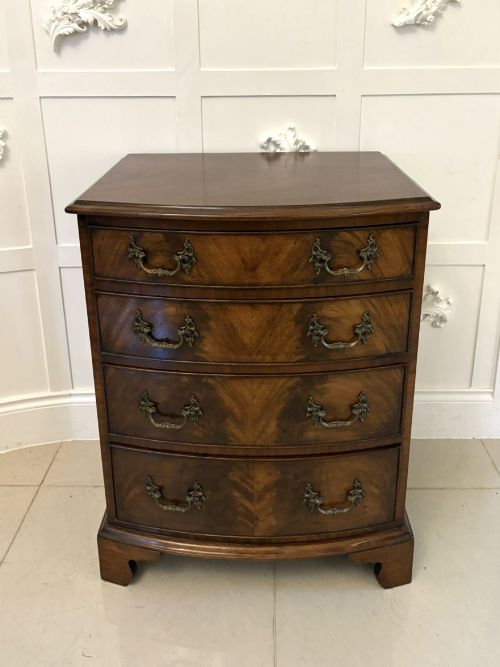
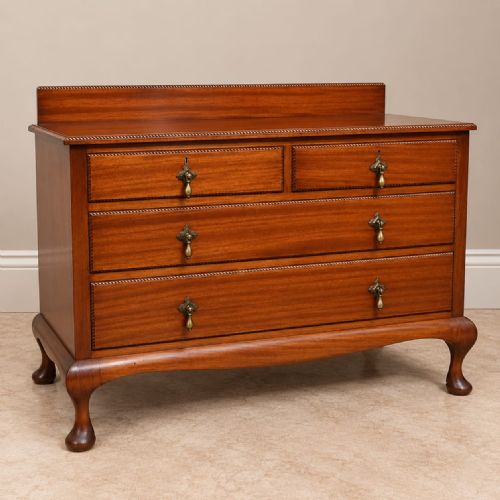
A brass handle mahogany dresser typically presents as a chest of drawers or sideboard originating from Georgian, Regency, or Edwardian periods. Buyers searching this phrase look for timber storage furniture featuring brass hardware and mahogany construction.
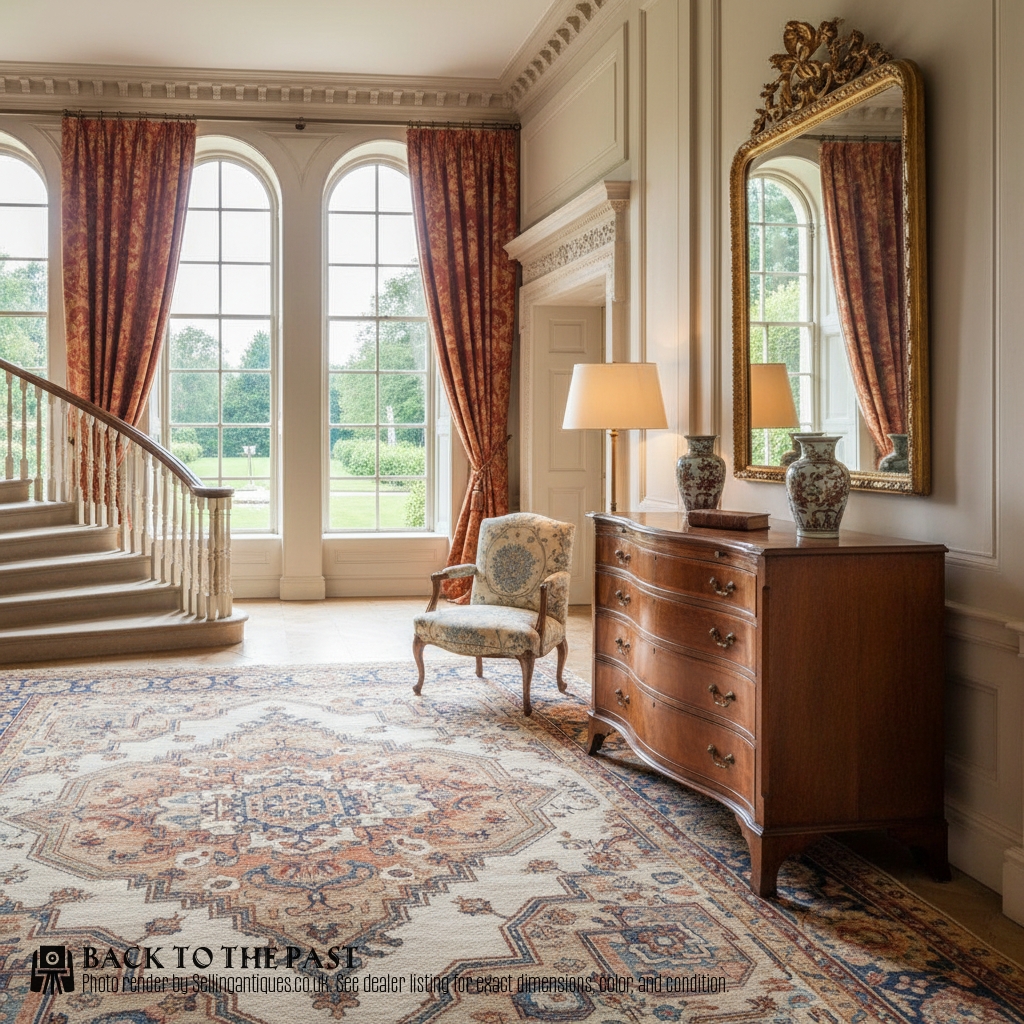
The most common forms on this page include straight-front and bow-front chests of drawers, alongside serpentine outlines and sideboard configurations. These domestic storage units span the eighteenth, nineteenth, and early twentieth centuries.
Origin details in the listings point to British craftsmanship across multiple reigns, including George II, George III, and George IV, as well as Edwardian and Victorian eras. Pieces range from small proportions to larger multi-drawer formats.
Materials and construction methods
Makers utilised solid mahogany, flame mahogany, and Cuban mahogany, frequently enhanced by secondary timbers such as oak, pine, and boxwood for internal framing and stringing. Crossbanding and figured grain patterns add decorative contrast to drawer fronts and tops.
Brass hardware secures to the drawer fronts, pairing with traditional joinery methods appropriate to eighteenth and nineteenth-century cabinet making. Iron components and specific drawer dividers complete the internal structure of these storage pieces.
Some chests feature secret drawers hidden behind mouldings, designed to keep family valuables out of sight.
Factors of quality and finish
Quality rests in the selection of timber figures, such as flame or Cuban varieties, and the precision of crossbanded details. The handling of serpentine and bow fronts requires skilled carpentry to maintain clean lines.
The integrity of the brass handles and their relationship to the drawer proportions influence the overall character. Finer examples display patinated surfaces and refined proportions suited to smaller spaces or formal rooms.
J Moorcroft
The Brass Handle Mahogany Dresser Glossary
- Mahogany
- A dense tropical hardwood valued for its deep reddish-brown colour and stability in furniture construction. It takes a high polish and accepts fine carving.
- Bow Front
- A convex curved cabinet front that swells outward toward the centre. This shape requires advanced woodworking skill to build.
- Serpentine
- A horizontally undulating front line featuring a central convex curve flanked by concave sweeps. It defines formal eighteenth-century case pieces.
- Crossbanding
- A decorative border technique where thin strips of veneer are laid with the grain running perpendicular to the main surface. It frames drawer fronts and tabletops.
- Brushing Slide
- A pull-out shelf integrated into the upper section of a chest of drawers, historically used for folding clothes or writing.
Brass Handle Mahogany Dresser: Frequently Asked Questions
How do I date a mahogany chest?
Dating relies on observing construction methods, timber choice, and the style of the brass hardware. Earlier pieces often incorporate oak secondary woods and hand-cut dovetails.
Later Victorian and Edwardian examples show machine assistance and different internal framing techniques alongside period-specific proportions.
Are these pieces suitable for daily use?
These storage units are structurally robust and function well in modern bedrooms or hallways. Solid timber and traditional joinery ensure lasting durability.
Care should be taken to maintain stable humidity levels to protect the mahogany veneers and historical drawer runners.
What is a brushing slide?
A brushing slide is a pull-out wooden shelf located just below the top surface of a chest. It provided a temporary horizontal surface for personal grooming.
In living spaces today, it serves as a convenient detail that highlights the domestic utility of eighteenth-century furniture.