

Brass Hall Pendant Light
A brass hall pendant light brings warmth and architectural focus to an entranceway, combining functional illumination with decorative presence.
Brass Hall Pendant Light
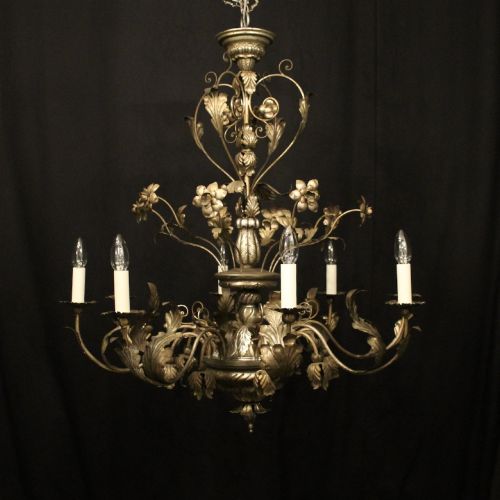
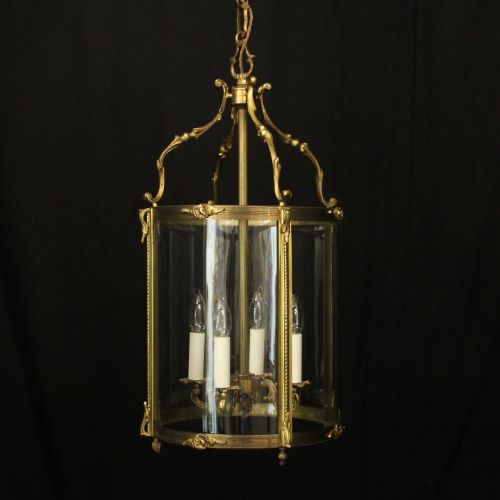
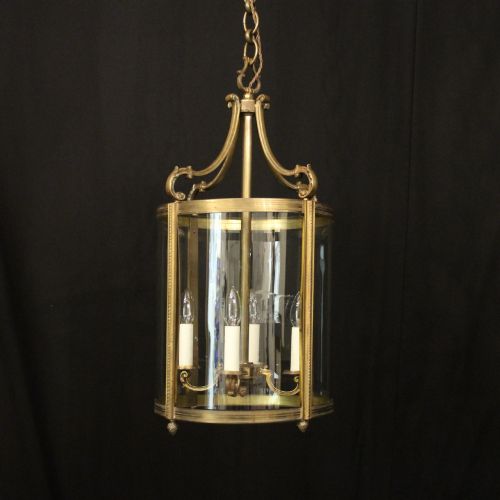
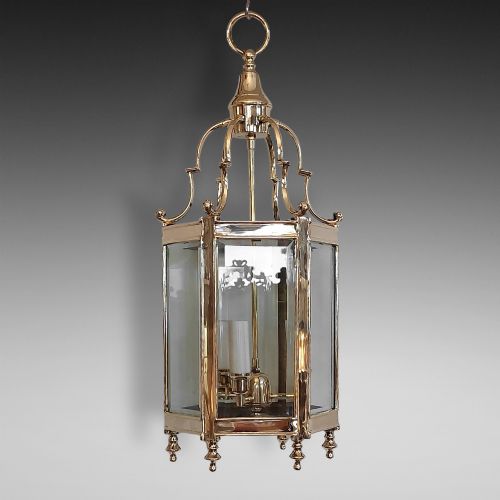
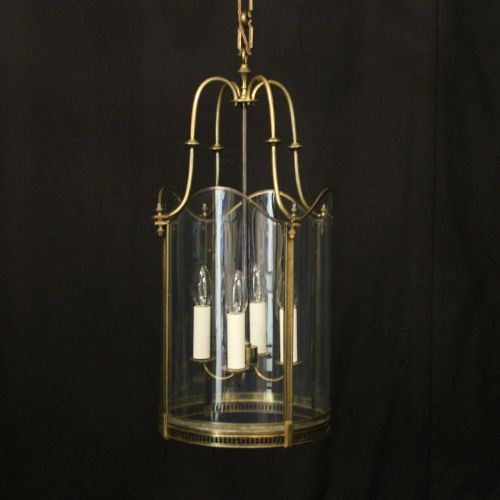
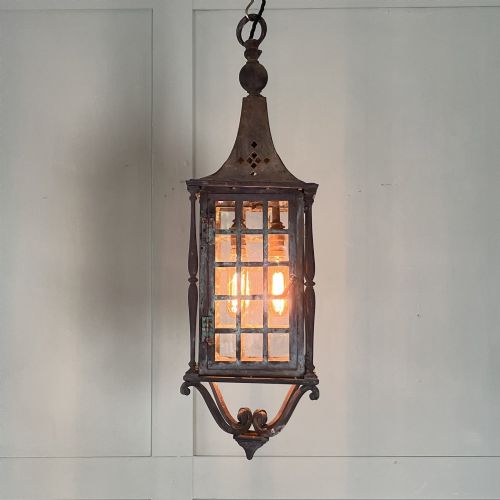
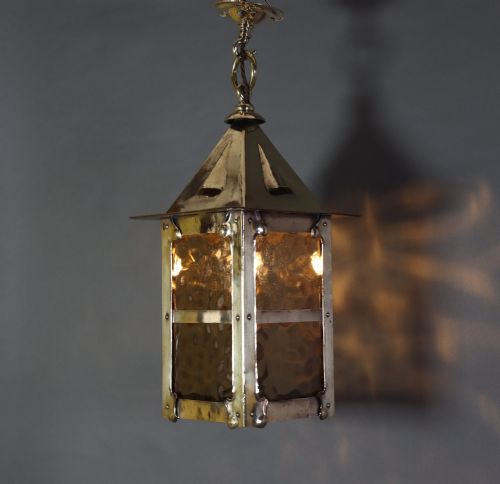
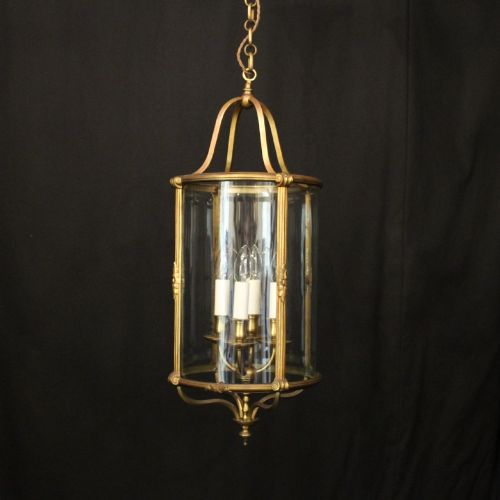
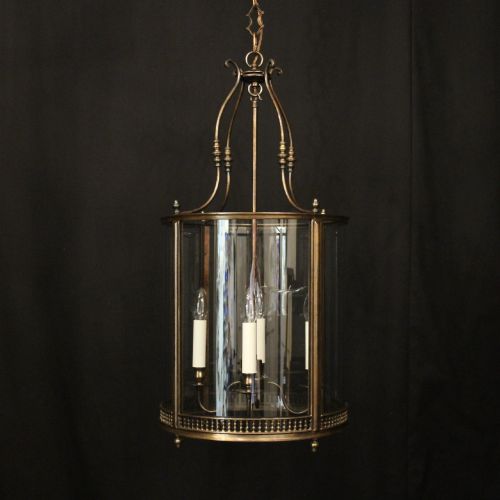
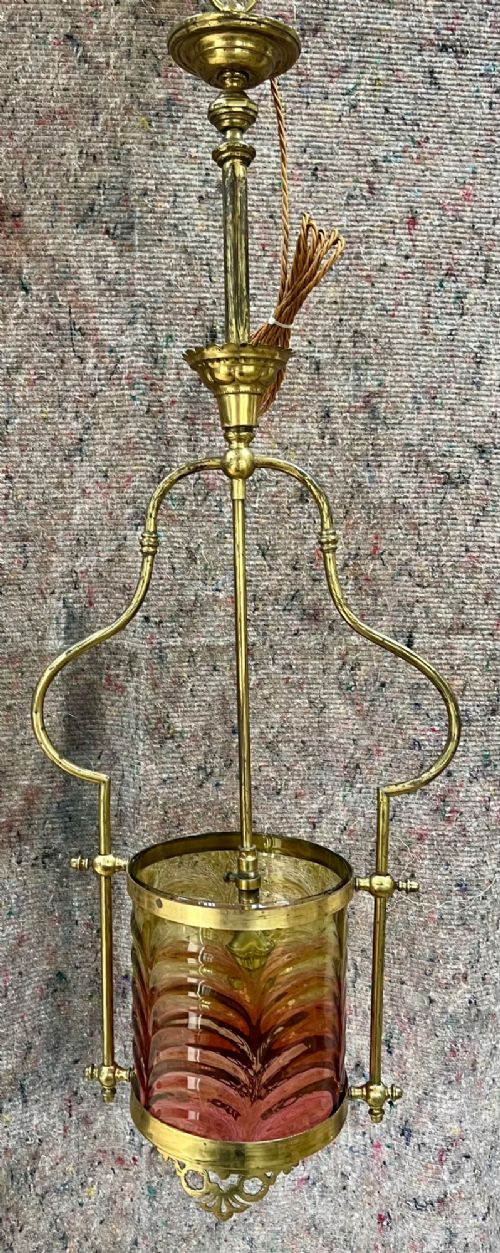
A brass hall pendant light sits overhead in a corridor or entryway, casting a welcoming illumination through glass panels set within a rigid metal frame. These fittings take the form of hanging lanterns, ceiling lights, and multi-bulb chandeliers designed specifically for vertical spaces with high ceilings.
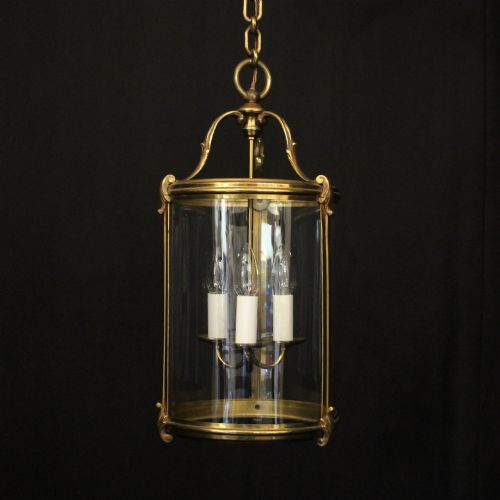
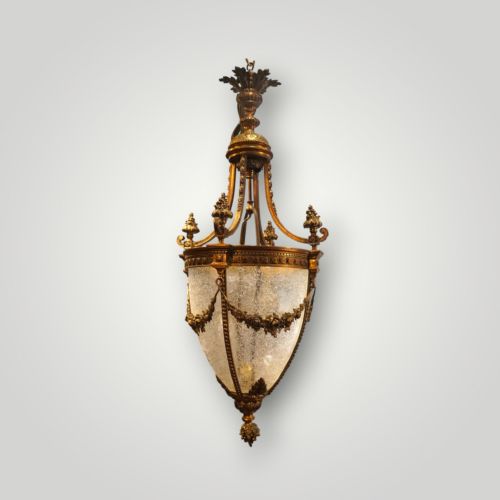
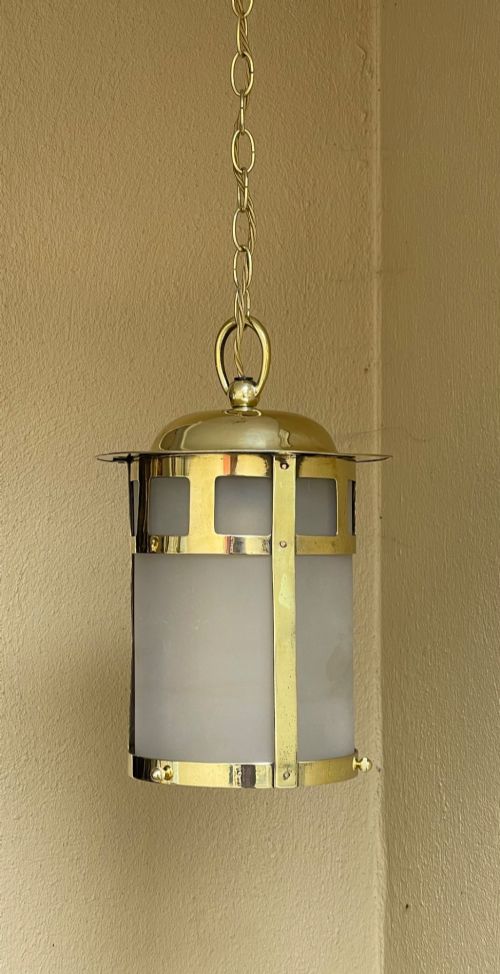
The selection here draws heavily from the early twentieth century and the Victorian era, alongside French designs featuring convex glass and intricate gilded bronze mounts. Edwardian and Arts & Crafts examples appear frequently, showing straightforward geometric forms or simpler metalwork suited to domestic halls.
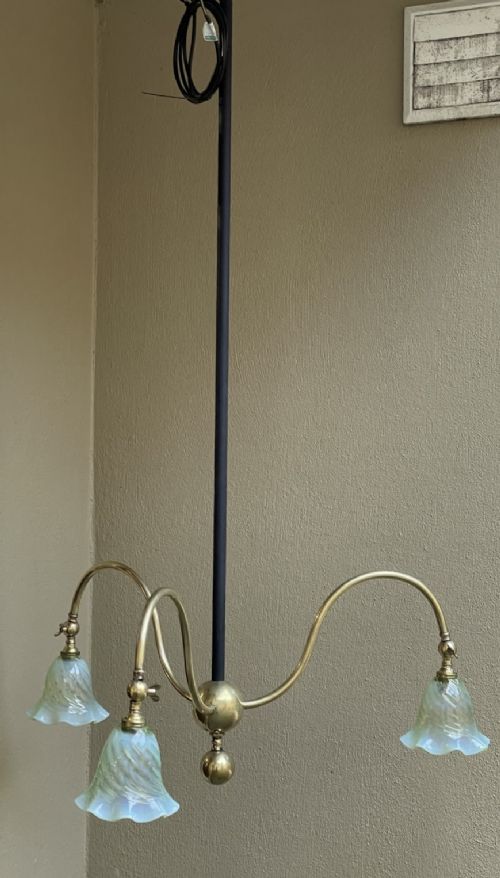
Makers and designers of the period produced both utilitarian vestibule lights and grander fixtures intended for civic or substantial residential interiors. Buyers meet hexagonal formats, side lanterns with doors, and large hanging fixtures fitted with hand-blown glass elements.
How they were made
Workshops constructed these lanterns using cast and sheet brass, gilt bronze, and structural lead to hold the individual glass panes securely in place. Metal frames were soldered, riveted, or screwed together, often incorporating hinged doors to allow access for maintenance and bulb replacement.
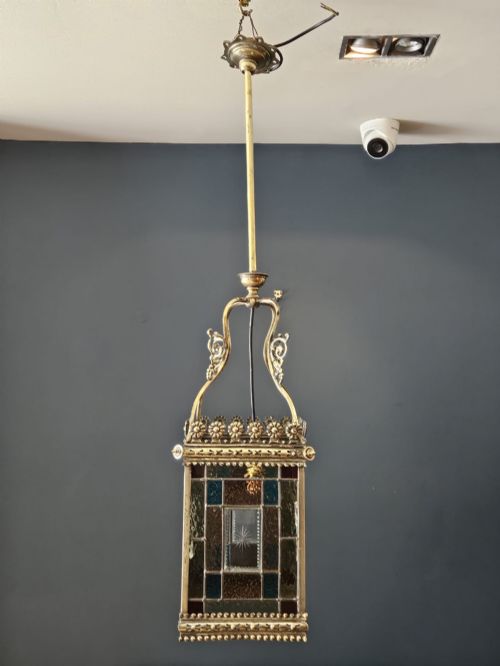
Glazing techniques included leaded stained glass, convex panels, and hand-blown bullseye glass that diffused the internal light while creating texture and visual depth. Metal surfaces received various treatments, from bright gilding to patinated bronze finishes that aged with use.
Several lanterns still feature small side doors originally designed for reaching inside with a taper to light the flame before electricity took over.
What varies in quality
The standard of a brass hall pendant light depends upon the weight of the metal casting and the precision with which the frame joints meet. Finer examples display crisp detail in the brass work, substantial gauge metal, and carefully fitted glass panes that remain secure within their rebates.
The quality of the glass itself dictates much of the character, distinguishing standard clear panes from hand-blown convex or heavily textured bullseye panels. Original surface patination and the integrity of internal wiring components also separate standard production pieces from more substantial architectural fittings.
The Brass Hall Pendant Light Glossary
- Convex glass
- Curved glass panels that bulge outward from the metal frame. This technique gathers light and projects it more widely across a hallway.
- Bullseye glass
- Thick, round blown glass featuring a central knop or indentation where the glassblower's pontil rod was detached. It creates distinctive light refraction.
- Gilt bronze
- Bronze metal treated with a thin layer of gold or gold-coloured alloy. It provides a durable, lustrous finish found on finer French lanterns.
- Leaded glass
- Glass pieces held together by strips of lead cames. This method supports complex geometric or stained glass designs in Edwardian and Victorian fixtures.
- Hexagonal form
- A six-sided lantern design popular in the Victorian and Edwardian periods. It offers a balanced spread of light from multiple angles.
Brass Hall Pendant Light: Frequently Asked Questions
How do I clean a brass hall pendant light?
Dust the metal frame regularly with a dry cloth and clean the glass panels with a mild glass cleaner applied to a cloth rather than sprayed directly onto the fixture.
Avoid abrasive metal polishes on antique finishes to preserve the original patination built up over decades.
Can these lights be wired for modern bulbs?
Most antique hanging lanterns accommodate standard modern electrical fittings when adapted by a qualified electrician. Internal sockets are often updated to meet current safety standards while retaining the historic exterior.
Check the internal depth of the lantern to ensure your chosen bulb size fits comfortably within the glass panels.
How do I determine the right hanging height?
Hang a hall pendant light so the bottom of the fixture clears the heads of anyone walking beneath it, typically allowing adequate headroom in standard corridors.
In double-height entrance halls, position the lantern to align visually with the landing or staircase window for balanced proportions.
What is the difference between Edwardian and Victorian styles?
Victorian lanterns tend to be heavier and more ornate, featuring robust brass frames and occasionally Gothic or classical Revival details.
Edwardian designs often favour lighter geometric lines, cleaner brasswork, and simpler Arts & Crafts influences suited to smaller domestic hallways.