

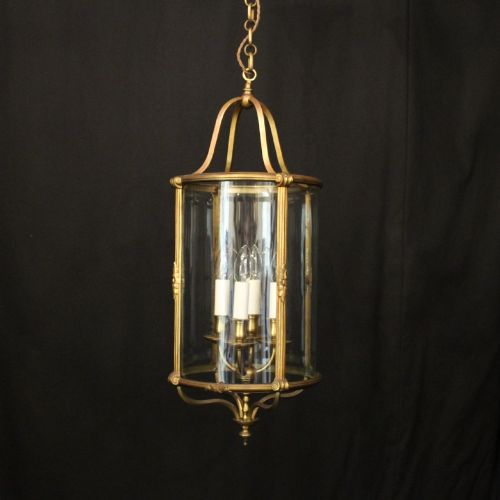
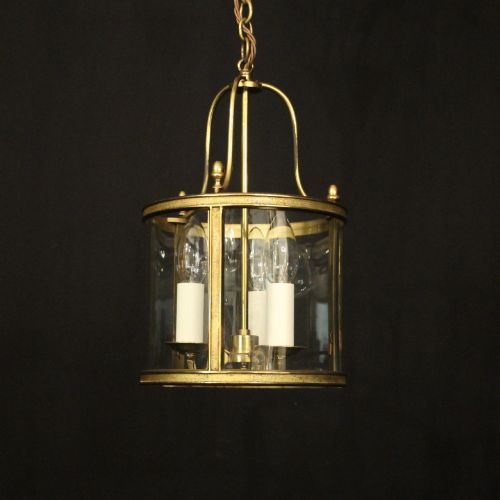
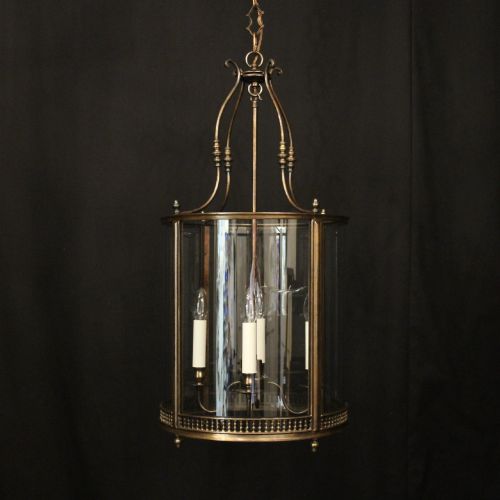
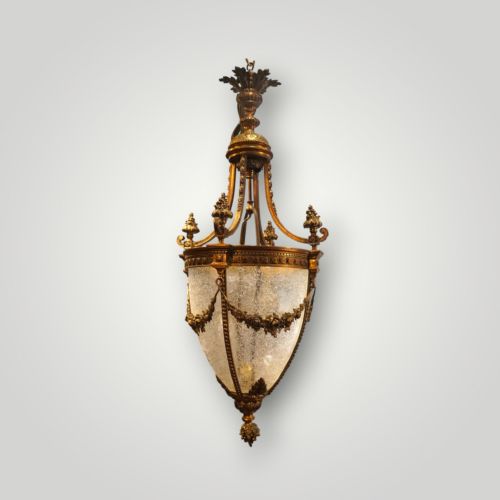
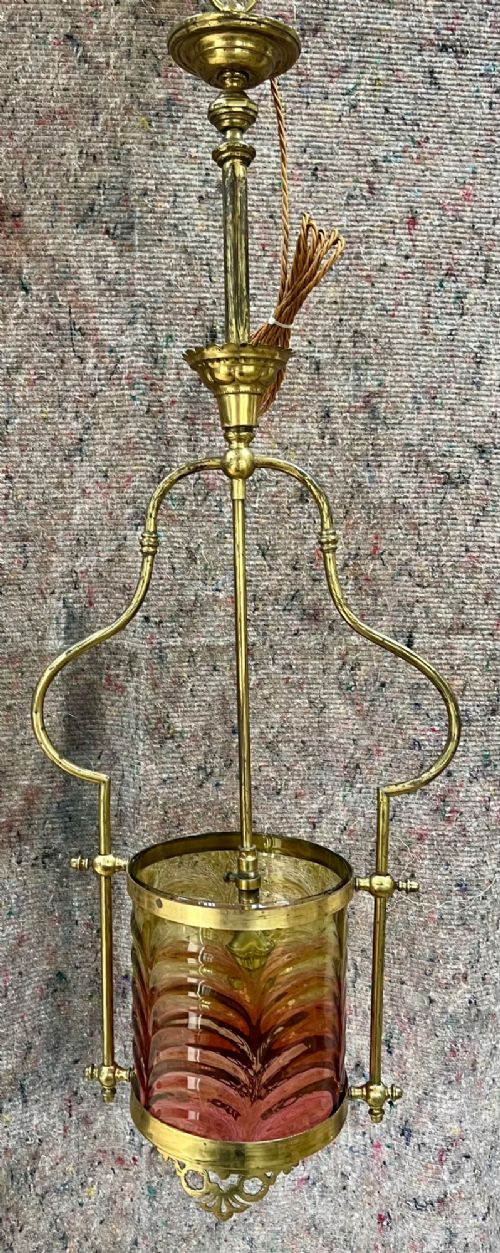
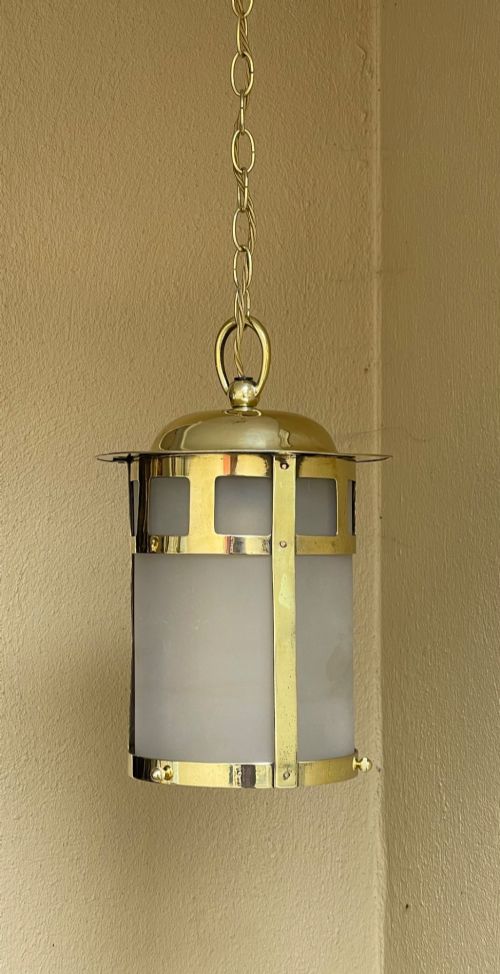
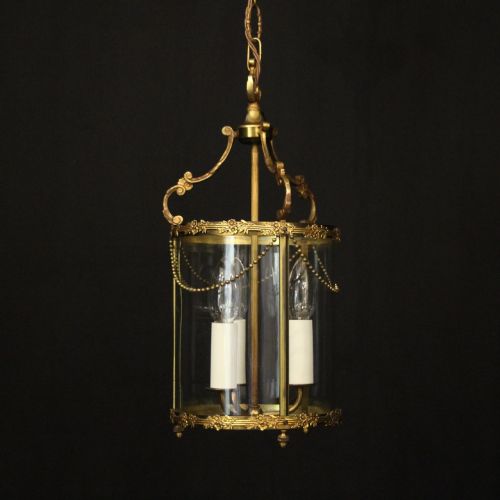
Brass Hall Lantern Light
When you search for a brass hall lantern light, you are looking at entrance illumination that combines metal frames with glass panels across several historical periods.
Brass Hall Lantern Light
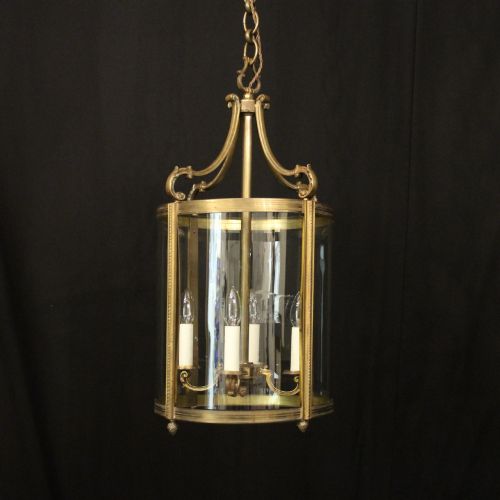
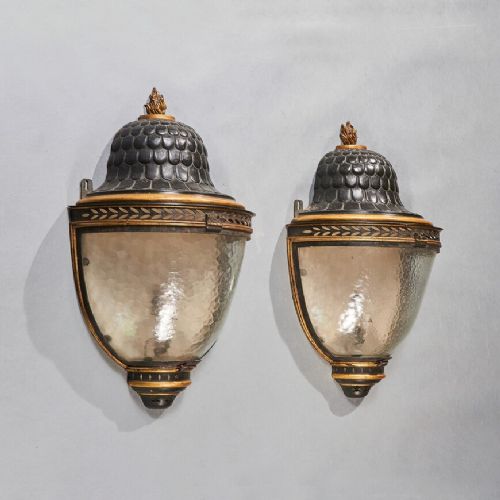
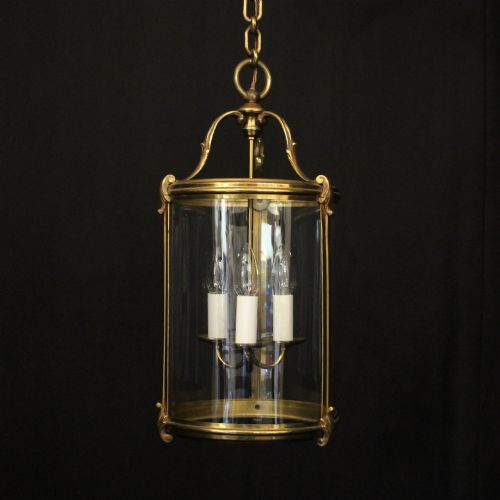
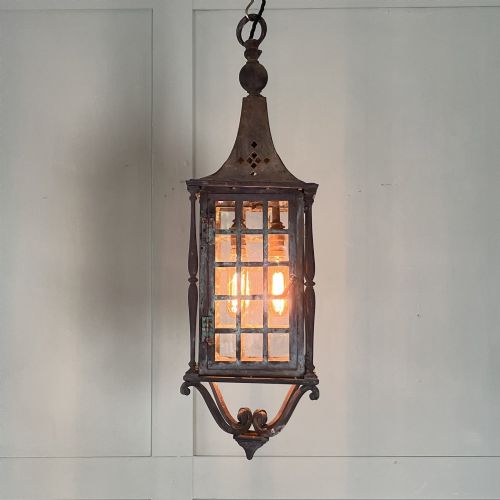
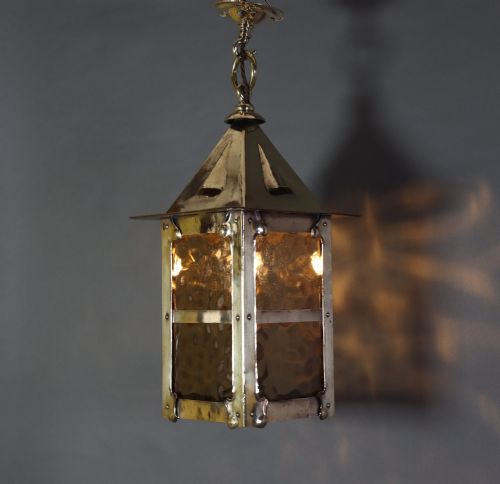
A brass hall lantern light illuminates entrance spaces and stairwells, utilising brass, gilt bronze, and glass to catch and diffuse light from above. These fixtures hang from ceilings or mount to walls, serving as the primary decorative illumination for vestibules and corridors.
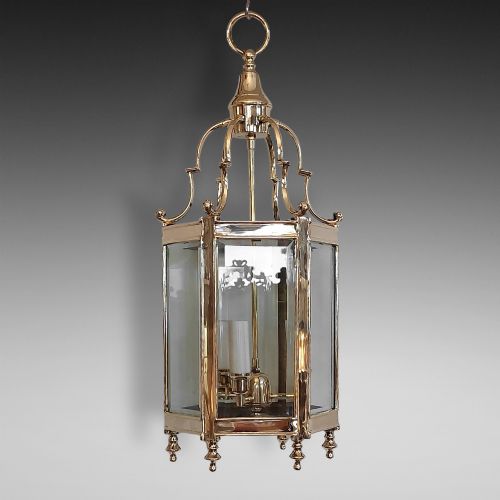
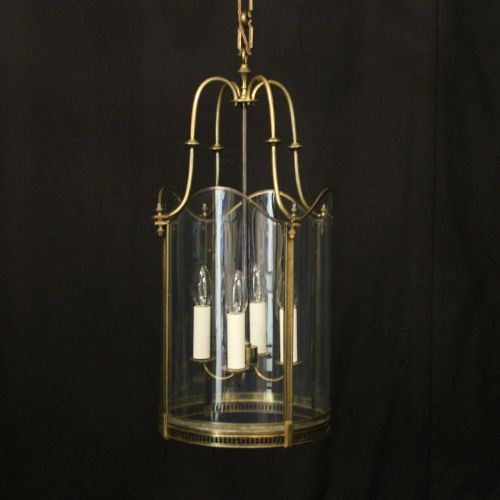
The pieces on this page span from the nineteenth century through the Edwardian era and into the 1920s and 1930s. You will encounter English and French examples in various forms, including hexagonal shapes, convex glass designs, and multi-light configurations.
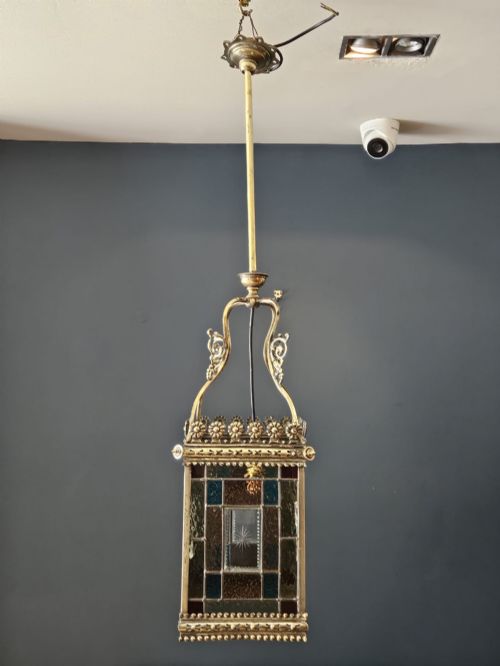
Makers and designers drew upon historical styles such as Gothic Revival, Arts and Crafts, Art Nouveau, and French Neoclassical. Whether modest single-light pendants or grand triple-light fixtures, each item brings period character to a hallway.
What varies in quality
The refinement of the cast metal ornamentation and the weight of the brass frame set finer examples apart from simpler production pieces. Heavier gauge metalwork and hand-finished chasing on gilt bronze indicate superior manufacture.
Glass selection significantly influences the character of each lantern, with bevelled edges, etched patterns, or convex blown panels representing higher levels of artisanal skill. The integration of structural components like proper latching doors also marks the distinction between standard and exceptional pieces.
Listings feature brass, gilt bronze, lead, and glass across Victorian, Edwardian, and 1920s periods.
The Brass Hall Lantern Light Glossary
- Convex glass
- Curved glass panels that project outward to diffuse light across a wider angle. This type often appears in French hall lanterns from the early twentieth century.
- Gilt bronze
- Bronze metal treated with a thin layer of gold or gold-coloured alloy to impart a rich sheen. It is frequently found on decorative French lighting fixtures.
- Hexagonal form
- A six-sided geometric shape utilised for lantern frames to create multi-directional illumination. This configuration is common in Edwardian hallway designs.
- Tole peinte
- Painted sheet metal used in decorative light fixtures and wall lanterns. It provides a distinct coloured surface alongside gilded elements.
Brass Hall Lantern Light: Frequently Asked Questions
Where should I hang a hall lantern?
These lanterns suit entrance halls, vestibules, and high-ceilinged corridors where overhead illumination makes an immediate visual impact.
Ensure adequate clearance beneath the fixture so that doors swing freely and tall visitors pass underneath without obstruction.
How do I date an antique brass lantern?
Examine the construction methods, screw types, and stylistic cues such as Arts and Crafts simplicity or French Neoclassical symmetry.
Materials like leaded glass and heavy cast brass frequently point toward Victorian and Edwardian manufacturing periods.
Are these lights wired for modern electricity?
Many vintage and antique lanterns arrive electrified or adapted with internal bulb fittings, though older wiring often requires professional rewiring.
Check individual listings to see if a piece retains historical fittings or has received updated electrical testing.
What is the difference between a wall and ceiling lantern?
Ceiling lanterns suspend from chains or rods to hang centrally within a space, providing ambient light from above.
Wall lanterns mount directly onto vertical surfaces, functioning effectively alongside staircases or flanking doorways.