

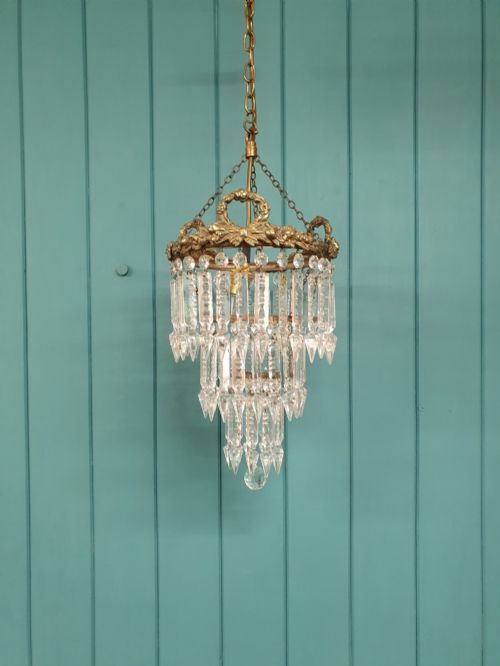


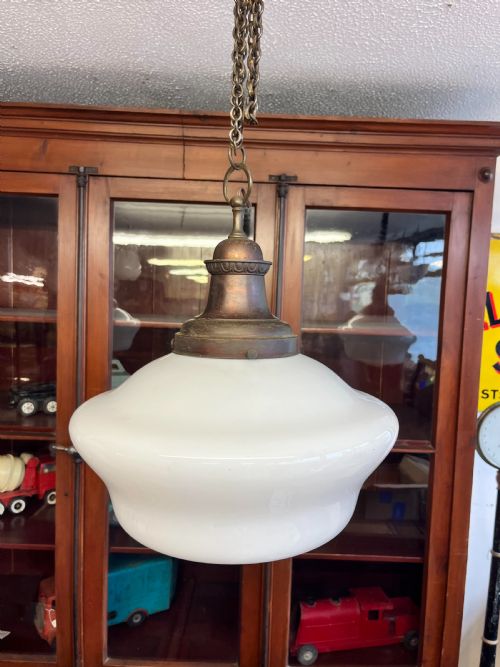

Brass Gallery Pendant
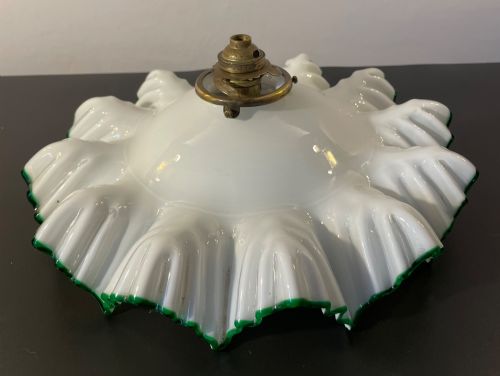
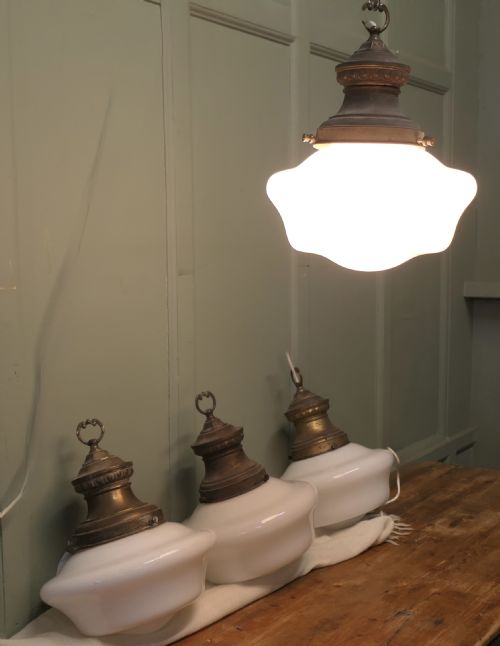
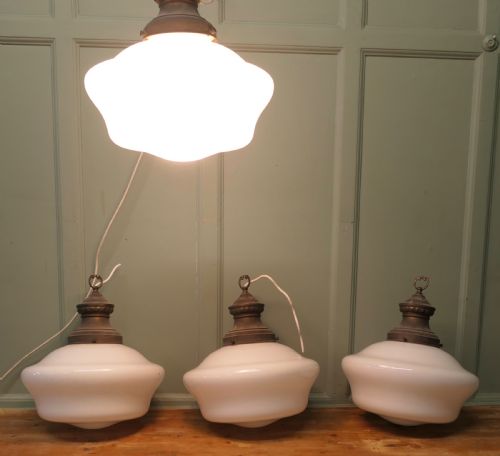
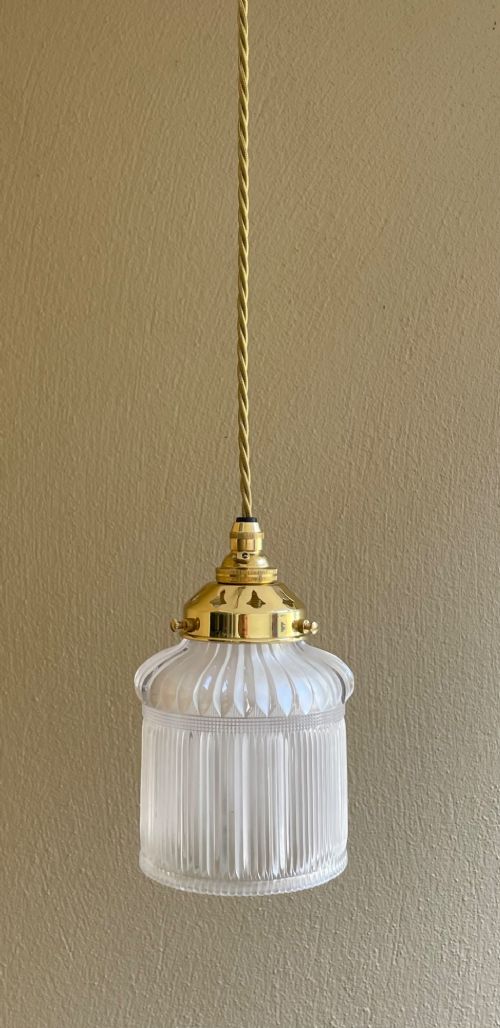
A brass gallery pendant hangs with utilitarian grace, holding a glass shade aloft by a cast metal band.
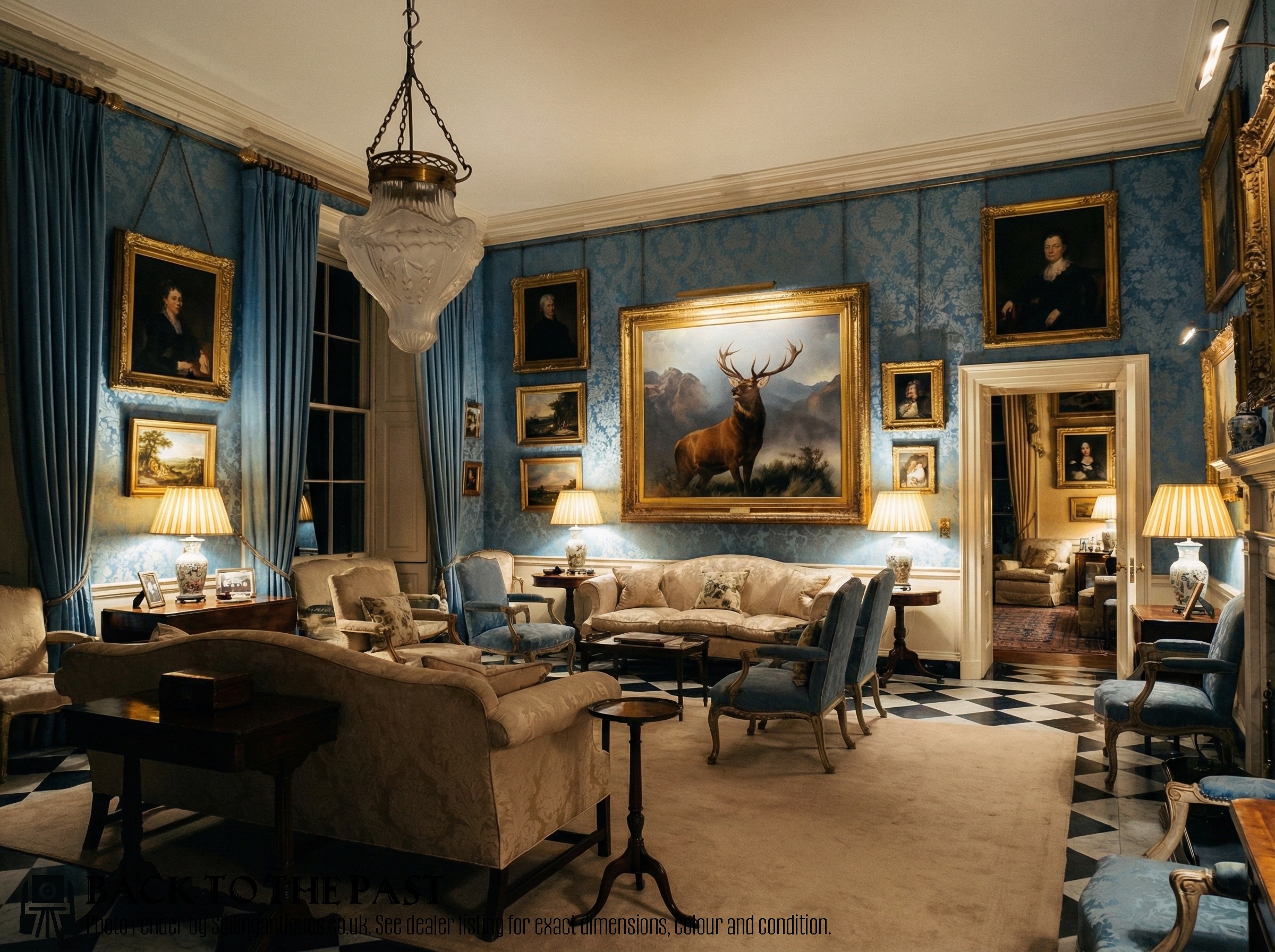
Brass Gallery Pendant
A brass gallery pendant combines a metal upper rim with a suspended glass shade, forming a classic ceiling light from eras past. Buyers searching for a brass gallery pendant typically encounter Edwardian, Art Deco, and early twentieth-century designs that merge functional illumination with decorative glass forms.
The evidence on this page reveals forms ranging from industrial workshop shades to domestic opaline spheres and prismatic reflectors. These ceiling lights and pendant lights serve kitchens, hallways, and living spaces with diffused, downward illumination.
Materials and construction
Makers formed the structural collars from brass, utilising casting or stamping techniques to create the galleries that grip the glass shades securely. These metal mounts often feature aged, gilded, or polished finishes that complement the suspended diffusers.
The shades themselves consist of opaline glass, cut glass, crystal, milk glass, or prismatic glass like Holophane. Such materials were pressed, blown, or cut to manage light distribution efficiently while offering varied tactile and visual textures.
Some diminutive English shades spent their youth quietly illuminating modest hallways before finding new life in modern homes.
Judging quality
Quality rests upon the weight and crispness of the brass casting in the gallery, where finer examples display sharp detail and robust construction. The thickness and clarity of the glass shade, particularly in cut crystal or specialised prismatic types, further distinguish superior specimens.
Proportion and originality also govern worth, as matched components and period-correct fittings demonstrate greater integrity. Pieces retaining their original cast or decorated brass galleries alongside undamaged glass command stronger appreciation.
The Brass Gallery Pendant Glossary
- Gallery
- The metal ring or collar at the top of a pendant light that holds the shade in place with screws or a-screws. This component provides both structural support and decorative framing for the glass.
- Opaline glass
- A milky, translucent glass developed to soften glare and diffuse light evenly across a room. It appears frequently in twentieth-century lighting fixtures.
- Prismatic glass
- Glass moulded with intricate geometric ribs or prisms designed to refract and direct light efficiently. Holophane is a well-known proprietary form of this material.
- Ceiling rose
- The decorative plate attached to the ceiling that conceals the wiring junction and anchors the suspension cord or chain. It matches the finish of the hanging hardware.
- Bag chandelier
- A compact hanging light enclosed in a teardrop or bag-shaped arrangement of glass crystals. These fixtures offer concentrated sparkle in smaller spaces.
Brass Gallery Pendant: Frequently Asked Questions
What is a brass gallery pendant?
A brass gallery pendant is a ceiling light fixture featuring a metal collar, known as a gallery, which secures a glass shade. These pieces draw on styles from the nineteenth and twentieth centuries.
They combine functional hanging hardware with decorative glass bodies, providing direct or diffused illumination for domestic and industrial interiors.
How do I hang a pendant light?
Hanging these fixtures requires securing a ceiling plate or rose to an electrical junction box and suspending the weight safely. Many historic pieces arrive rewired for modern electrical standards.
Professional installation ensures that the brass gallery and suspension mechanism support the glass shade securely from the ceiling.
What glass types are common?
The listings show shades made from opaline glass, milk glass, cut crystal, and prismatic glass. Each material diffuses or directs light differently according to its opacity and surface pattern.
Opaline creates a soft glow, while prismatic glass uses geometric ribs to manage illumination across a workspace or hallway.
How do I date these lights?
Dating relies on stylistic markers from periods like the Edwardian era, the 1920s, and the 1930s. Industrial forms often align with the interwar years, while ornate cut glass frequently points to the nineteenth century.
Examining the manufacturing techniques of the brass gallery and the specific profile of the glass shade helps place the fixture in its proper era.