



Brass Framed Portrait
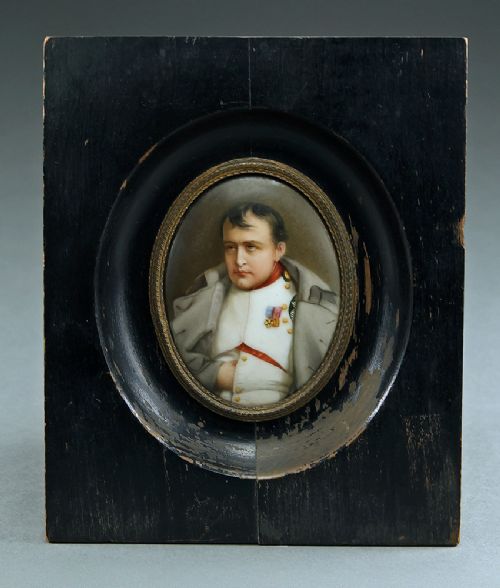
A brass framed portrait brings intimate historical presence to a wall or desk, combining fine miniature painting or silhouette work with durable metal housing.
Brass Framed Portrait
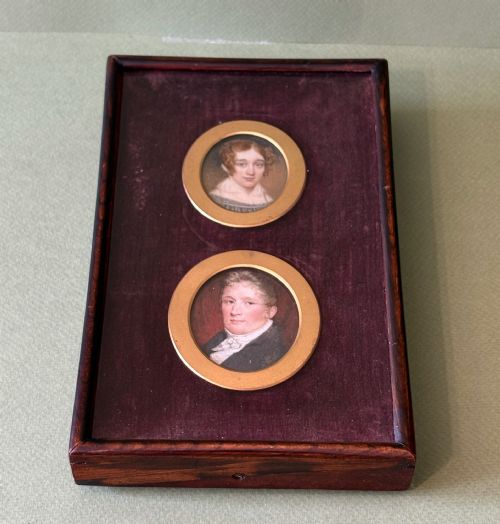
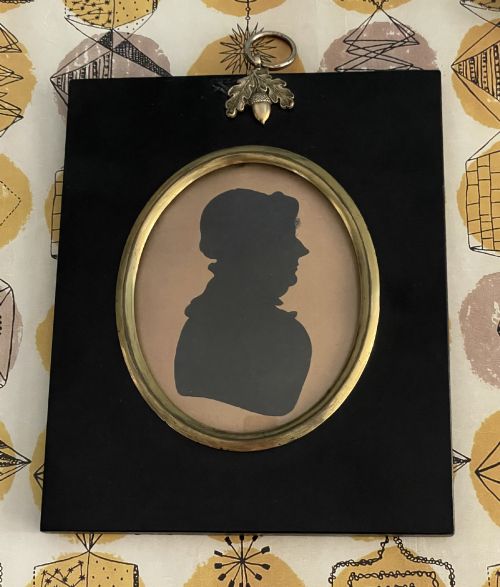
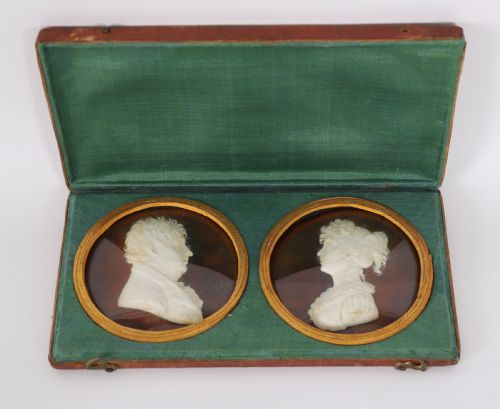
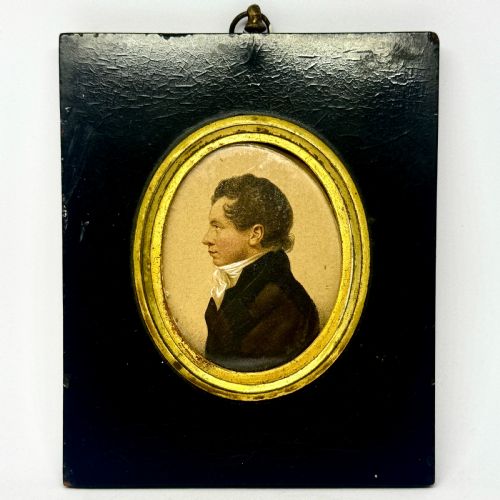
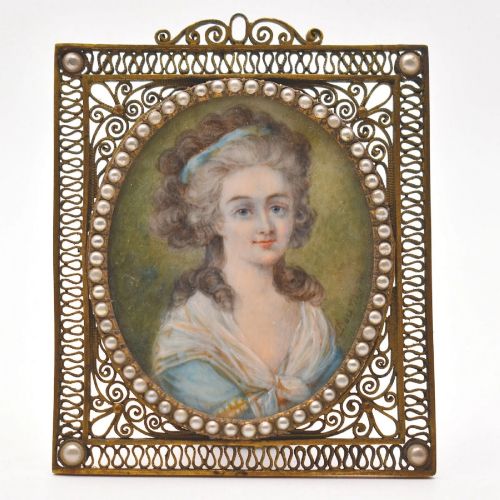
A brass framed portrait encompasses small-scale likenesses produced across the Georgian, Regency, and Victorian periods, alongside later twentieth-century examples. Buyers seeking a brass framed portrait typically encounter hand-painted watercolours, cut paper silhouettes, enamel plaques, and wax reliefs enclosed within protective metal surrounds.
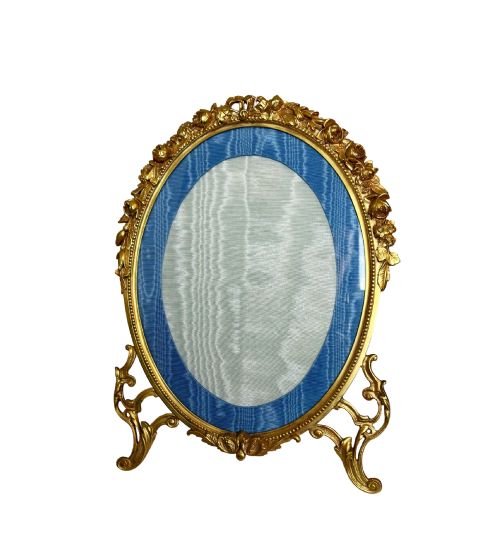
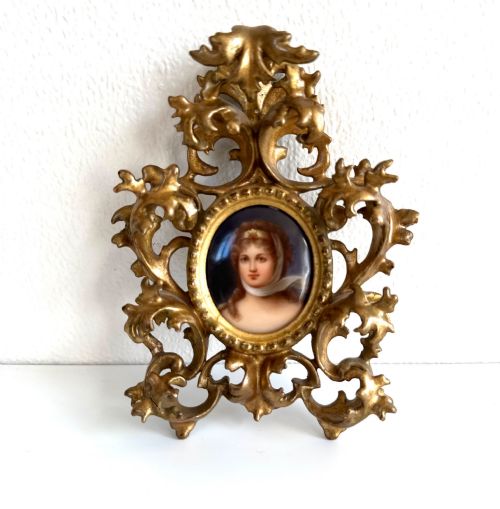
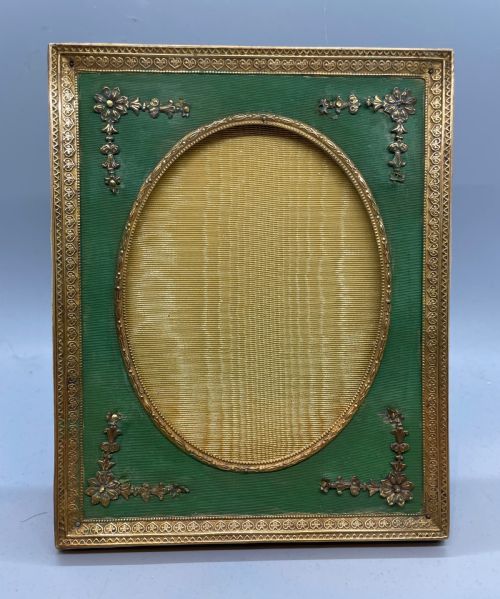
The selection ranges from early eighteenth-century plumbago miniatures and Regency silhouettes to Edwardian ormolu photograph frames and Art Deco hand-painted studies. Most surviving examples pair an intimate image on paper, card, or glass with a cast brass, gilt bronze, or ormolu mount designed for hanging or tabletop display.
How they were made
Craftsmen built these objects using cast brass, ormolu, and gilt metal to house delicate interior works executed in watercolour, gouache, enamel, and carved wax. Artisans shaped the outer enclosures through metal casting and pressing, often incorporating ebonised wood backing or glass panels to safeguard the fragile paper or plaster portraits within.
Internal imagery relied on precise manual skill, from finely brushed pigment and plumbago graphite to hollow-cut silhouettes and pressed white glass paste cameos. The integration of seed pearls and metal stands in select pieces demonstrates the crossover between miniature painting and luxury metalwork.
A youthful subject named E. Sutton was immortalised at age nine in gilded silhouette work.
What varies in quality
Quality rests primarily in the crispness of the portrait work and the depth of the surrounding metal casting. Superior items display meticulous brushwork, sharp silhouette profiles, and heavy cast frames with well-defined chased detailing rather than thin stamped metal.
The sophistication of the materials sets the hierarchy of the range, distinguishing simple brass surrounds holding printed ephemera from substantial ormolu or gilt bronze housings enclosing signed watercolour miniatures and period wax reliefs.
George Atkinson·James Gillespie·Thomas London·J. Deacon·Susie Lassam·Boin Taburet·John Miers·Emma Kendrick·Archibald Skirving
The Brass Framed Portrait Glossary
- Ormolu
- Gilded bronze applied to decorative hardware and picture frames. This technique involves fusing a mercury-gold amalgam onto a bronze base to create a rich, lasting surface.
- Silhouette
- A portrait profile filled in with a solid dark colour, usually cut from paper or painted. These pieces gained immense popularity during the Georgian and Regency eras before photography.
- Plumbago
- An early form of pencil drawing executed in fine graphite. Artists used this medium to achieve remarkable detail on a miniature scale during the eighteenth century.
- Miniature portrait
- A small-scale painting executed on ivory, vellum, card, or copper. These intimate likenesses were frequently commissioned as personal tokens of affection.
Brass Framed Portrait: Frequently Asked Questions
How were portrait miniatures displayed?
These small works hung on walls in tight groupings or stood on desks and dressing tables. Many owners also carried them inside pockets or wore them as lockets.
Tabletop versions often incorporated folding rear struts or heavy metal stands to keep the glass-fronted image upright.
What materials make up the frames?
Most frames combine cast brass, gilt metal, or ormolu with protective glass panels. Backing boards frequently consist of ebonised wood or simple card.
Finer examples feature decorative mounts accented with chased patterns or integrated stands made from matching gilded bronze.
How do I date a silhouette?
Costume details, hairstyles, and framing styles provide the clearest chronological markers. Georgian and Regency pieces often feature high-waisted dresses or specific military uniforms.
The backing materials and handwritten artist inscriptions on the reverse also help establish the exact period of creation.