

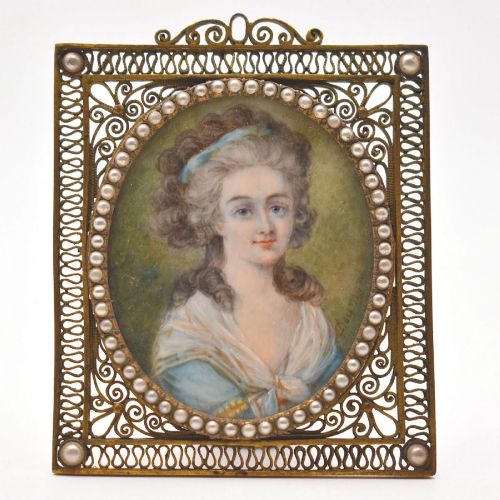


Brass Framed Portrait Painting
A brass framed portrait painting brings intimate human likenesses into small spaces, prized for delicate brushwork and domestic presence.
Brass Framed Portrait Painting
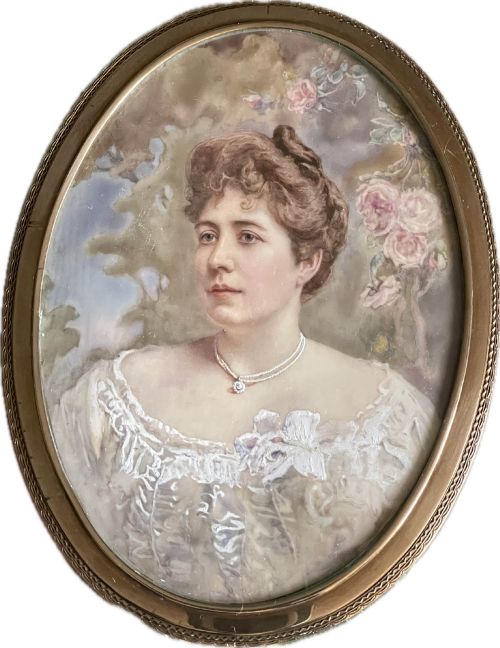
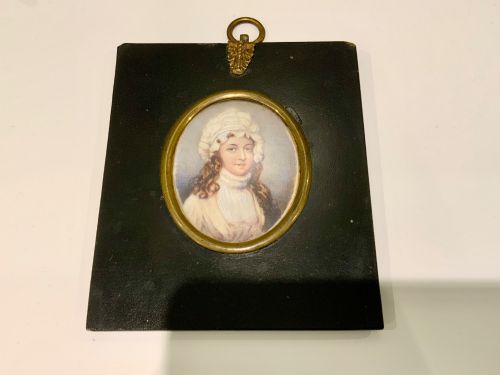
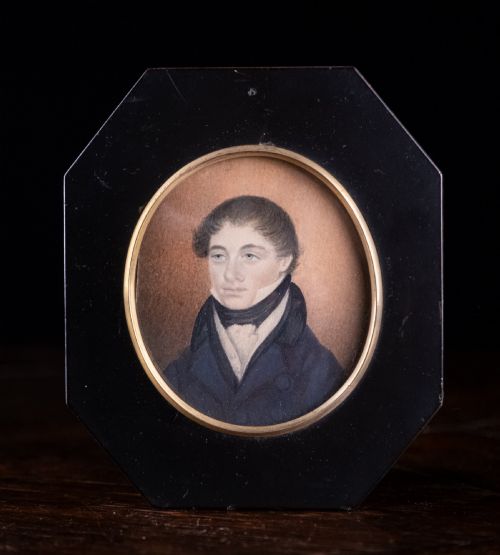
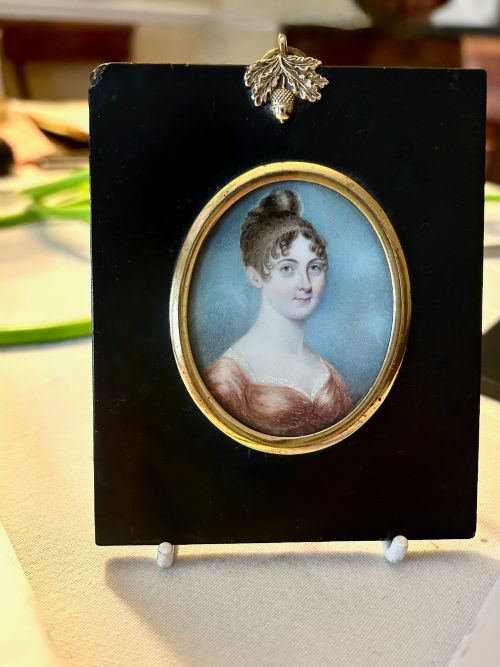
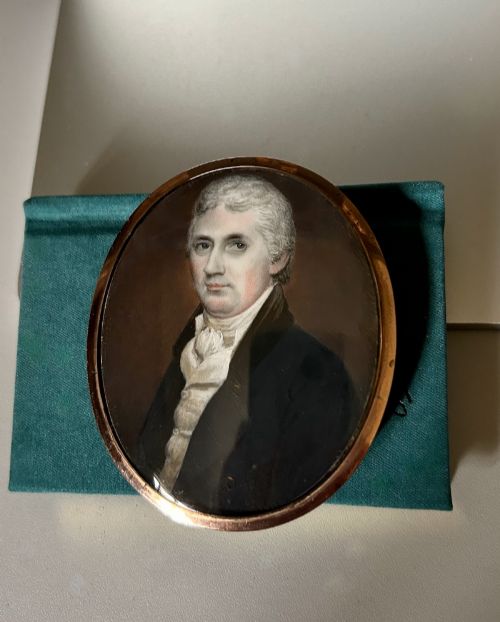
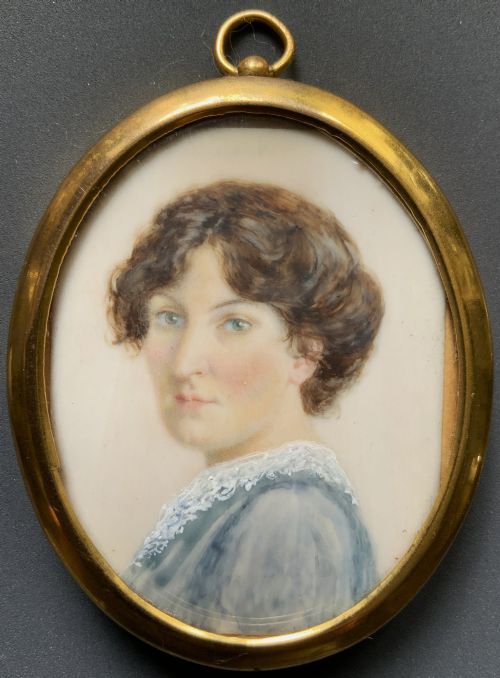
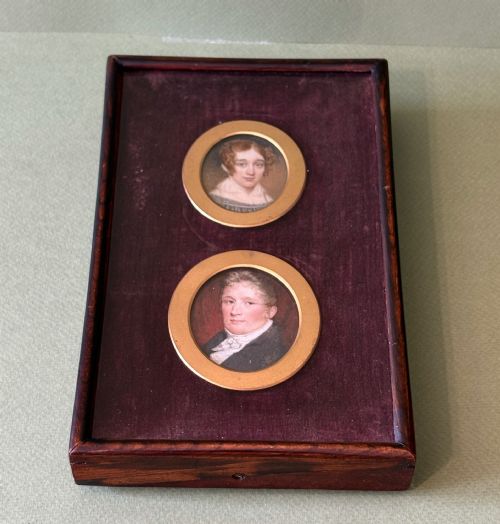
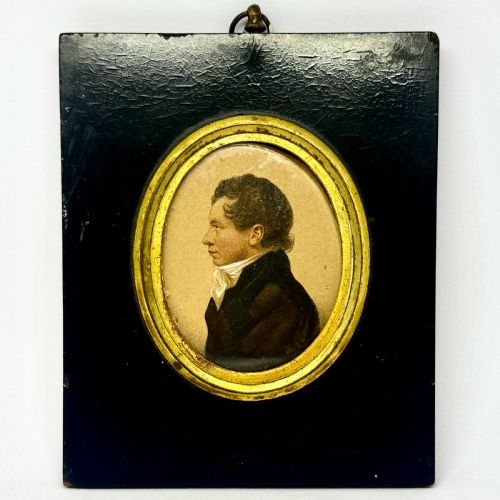
A brass framed portrait painting encompasses miniature artworks depicting subjects from the eighteenth, nineteenth, and early twentieth centuries. These intimate studies appear in oval and rectangular metal enclosures designed to hang on walls or stand on surfaces.
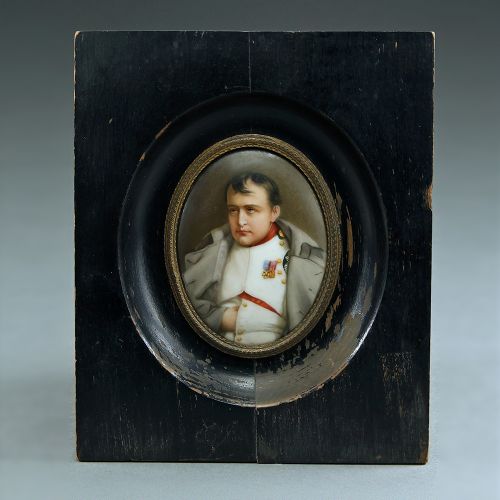
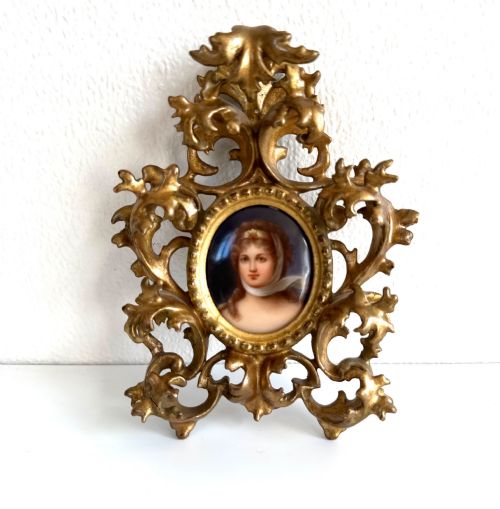
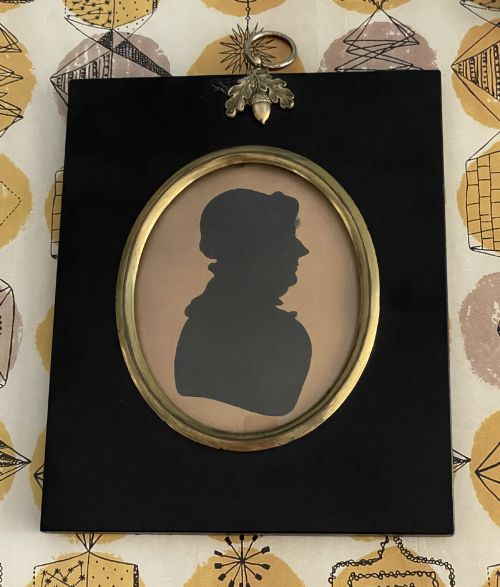
The objects on this page span Georgian, Regency, Victorian, and Edwardian periods, executed in watercolours, gouache, oils, and enamels. Common formats include single portraits of women, men, and nobility, alongside pairs and silhouette studies.
Subjects range from anonymous sitters in period attire to named historical figures, rendered on surfaces such as paper, card, ivory, and porcelain. The surrounding metal mounts provide structural support and a polished visual border.
Materials and construction methods
Artisans applied watercolour, gouache, or oil paints onto delicate supports like paper, ivory, card, or porcelain using fine brushes to achieve intricate detail. Many works utilise protective glass panels held securely within brass, gilt metal, or ormolu frames.
Frames incorporate cast or pressed brass, sometimes paired with ebonised wood or supplemented by seed pearl ornamentation and gilt finishes. The backings often feature hanging loops or hinged metal stands designed for desk display.
Brass Framed Portrait Painting Retail Price Guide 2026
Typical asking prices for brass framed portrait painting among the pieces listed under this phrase on Sellingantiques today, from the lower quarter to the upper quarter. They describe what is for sale here now, not the wider market.
Several portraits preserve the intense gaze of subjects who sat patiently indoors while empires rose and fell outside.
Evaluating the standard of execution
Quality rests primarily on the precision of the facial rendering, where subtle tonal gradations and lifelike expressions distinguish accomplished hands from simpler works. The finesse of the brushwork directly correlates with the overall artistic merit.
The enclosure itself contributes to the standard, with crisp casting, heavy brass or gilt metal gauge, and intact protective glazing indicating higher original expenditure. Original matched frames and well-preserved backing materials enhance the integrity of the piece.
Emma Newcomb·James Gillespie·George Atkinson·Archibald Skirving·John Miers·Emma Kendrick·Jeremiah Steele
The Brass Framed Portrait Painting Glossary
- Portrait Miniature
- A small-scale painting capturing a human likeness, typically created on ivory, vellum, or card during the eighteenth and nineteenth centuries.
- Gilt Metal
- A base metal treated with a gold wash or mercury gilding to simulate solid gold, frequently utilised for nineteenth-century picture frames.
- Silhouette
- A solid black profile portrait cut from paper or painted onto card, plaster, or glass, often associated with the Georgian and Regency eras.
- Ormolu
- Finely chased and gilt bronze or brass used extensively for decorative mounts and picture frames during the eighteenth and nineteenth centuries.
- Gouache
- An opaque watercolour medium containing added pigment and binding agent, employed to achieve dense colour blocks in miniature painting.
Brass Framed Portrait Painting: Frequently Asked Questions
Where were miniature portraits displayed?
These small artworks were traditionally hung in intimate domestic spaces such as boudoirs, private studies, or hallways, often grouped together in arrangements on a wall.
Alternatively, many were designed with easel backs or stands to sit upon desks, mantelpieces, or bedside tables for close personal viewing.
How do I date a brass frame?
Dating relies on the metal composition, casting technique, and profile style of the housing. Georgian and Regency frames tend toward simple oval brass profiles, whilst Victorian and Edwardian examples often display heavier ornamentation or ormolu mounts.
Examining the fixings, backing boards, and glass type also helps determine the period of the framing.
Are these paintings on ivory?
Certain nineteenth-century examples utilise thin slices of ivory as a painting surface because the material's translucent quality imparts a natural luminosity to human skin tones.
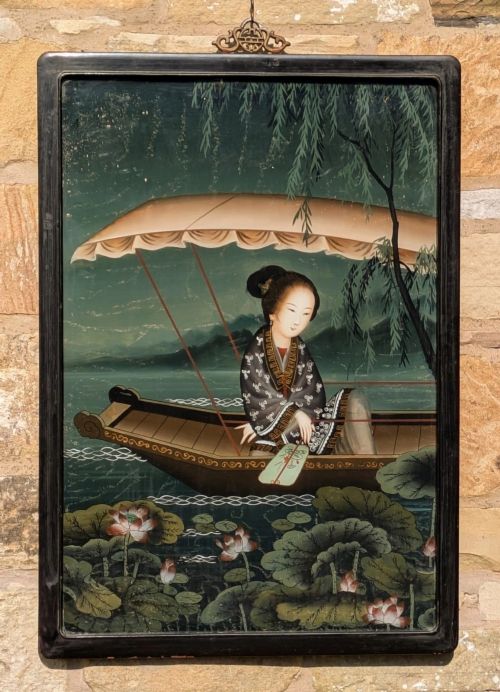
Other pieces employ paper, card, porcelain, or glass as a base, depending on the chosen medium and the prevailing fashion of the period.
How should I care for them?
Keep the objects away from direct sunlight to prevent the watercolour pigments and delicate paper or ivory supports from fading over time. Maintain a stable indoor environment without excessive humidity to protect the metal frames and organic painting materials.