

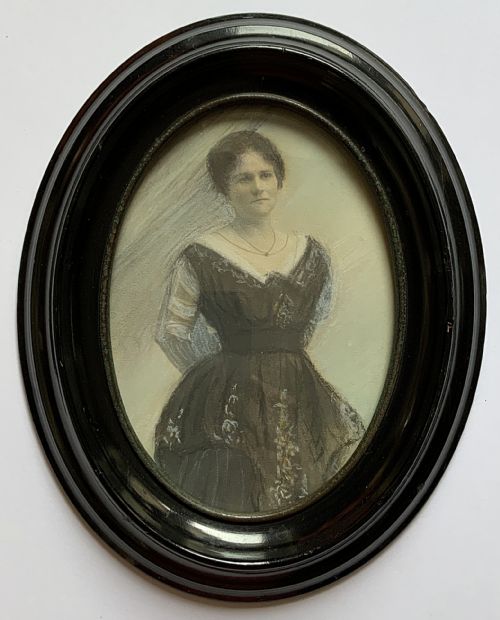


Edwardian Miniature Artwork
These edwardian miniature artwork pieces capture intimate likenesses and delicate scenes on a tiny scale, offering buyers a concentrated glimpse into historical portraiture.
Edwardian Miniature Artwork
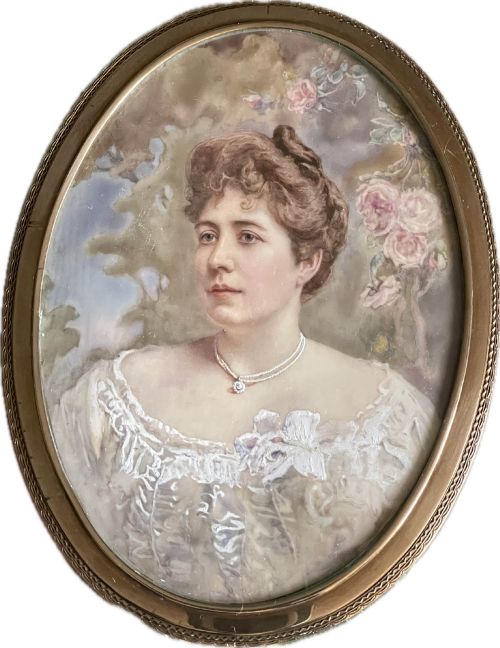
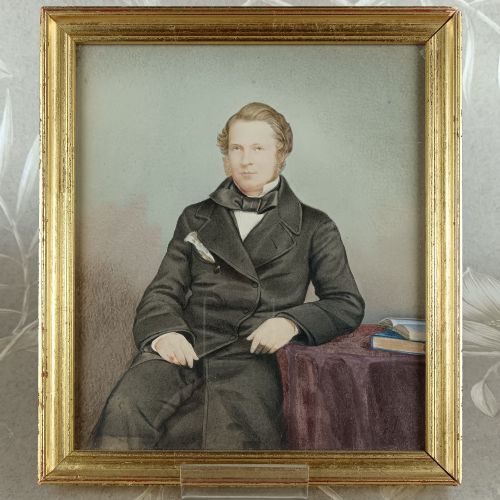
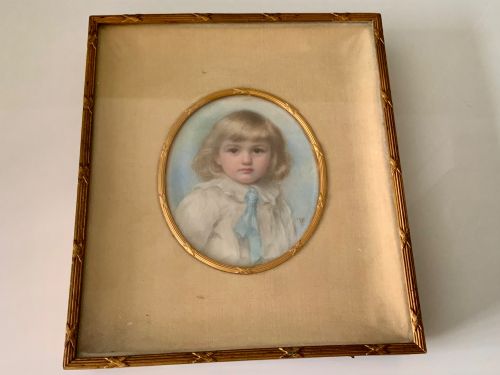
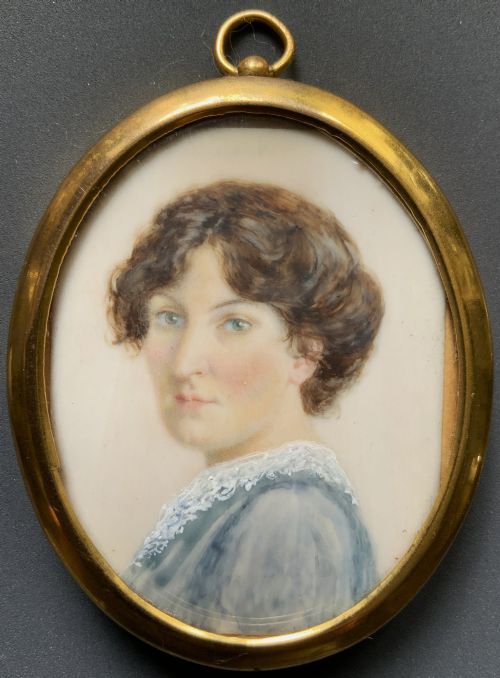
When you search for edwardian miniature artwork, you are looking at small-scale framed paintings, watercolours, and prints created during the early twentieth century and the preceding Victorian era. These pieces focus heavily on portrait miniatures, capturing individual likenesses of subjects such as Maria Theresa Farquhar, solicitor Augustus George Guy, and Mervyn J Ingram.
You are most likely to meet watercolour paintings on paper, alongside pencil works, framed prints, and miniature etchings. The selection includes single oval portraits, pairs, and sets of portrait miniatures executed in Edwardian, Victorian, and Georgian Revival styles.
How these pieces were made
Artists utilised watercolour, pastel, pencil, and ink applied to paper supports to achieve fine facial details and textures on a restricted scale. Etching techniques also appear in pairs of animal studies such as lions and tigresses.
Edwardian Miniature Artwork Retail Price Guide 2026
Typical asking prices for edwardian miniature artwork among the pieces listed under this phrase on Sellingantiques today, from the lower quarter to the upper quarter. They describe what is for sale here now, not the wider market.
Listings feature paper artworks housed in brass and gilded wood frames, spanning Victorian, Edwardian, and Regency styles.
What varies in quality
The precision of the brushwork and the psychological depth of the portraiture separate standard items from finer examples. Skilled hands captured distinct facial expressions and lifelike textures in hair and clothing despite the small canvas.
The quality of the framing and mounting plays a role, with heavier brass mounts and detailed gilded wood or gilt wood surrounds elevating the physical presentation of the paper artwork.
Emma Newcomb·Herbert Dicksee·Edward Smyth·Leslie Moore
The Edwardian Miniature Artwork Glossary
- Portrait miniature
- A small-scale painting, usually executed in watercolour or enamel, designed to capture an individual likeness with high precision. These works were frequently framed for desk display or personal wear.
- Watercolour
- A paint medium consisting of pigment suspended in a water-based solution, applied to paper to create translucent layers of colour. It is the primary medium for the portraits found in this collection.
- Gilt wood
- Wood that has been treated with a thin layer of gold leaf or metallic gilt paint to provide a decorative, reflective surface. It frequently frames antique artworks from the Victorian and Edwardian periods.
- Etching
- A printmaking process where lines are incised into a metal plate with acid before ink is applied and transferred to paper. This technique produces fine, controlled lines suited to small illustrations.
Edwardian Miniature Artwork: Frequently Asked Questions
What is an Edwardian miniature?
An Edwardian miniature is a small artwork produced during the reign of King Edward VII, typically featuring a detailed portrait painted in watercolour on paper.
These pieces were designed for intimate display, often housed in small oval frames made of brass or gilded wood.
How were these miniature portraits displayed?
Miniature artworks were traditionally hung in tight arrangements on drawing room walls or placed upright on writing desks and mantelpieces.
Their compact scale allowed owners to curate galleries of family members, notable figures, or romantic subjects in modest domestic spaces.
Are these artworks always watercolours?
Watercolour is the dominant medium found in this category, accompanied by pencil sketches, pastel highlights, and printed reproductions.
Some examples also include intaglio print techniques such as miniature etchings on paper.
How do I date a miniature painting?
Dating relies on the costume, hairstyle, and facial hair of the sitter, alongside the framing materials and inscription styles on the reverse of the paper.
Periods span from the mid-nineteenth century through the Victorian era and into Edwardian production around nineteen ten.