


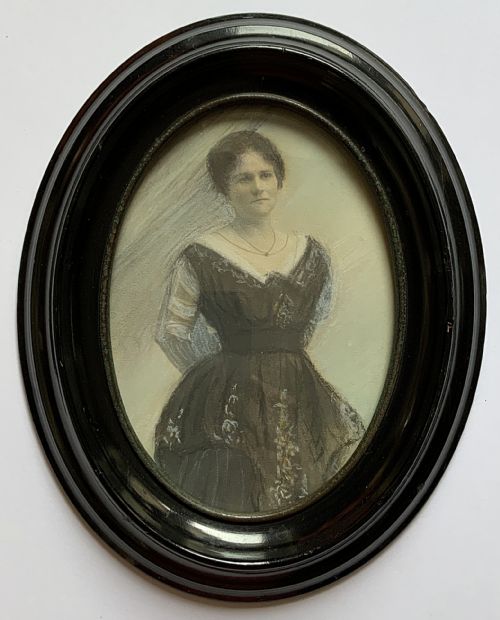


Pastel Miniature Portrait
A pastel miniature portrait offers intimate likenesses on a small scale, capturing sitters with soft powdery pigments framed behind glass.
Pastel Miniature Portrait
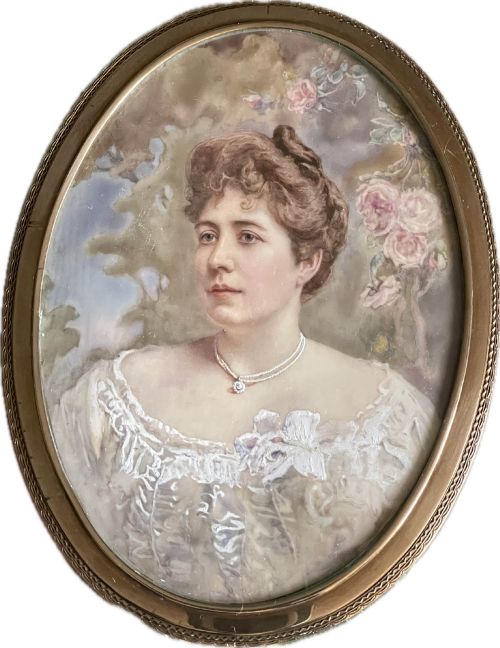
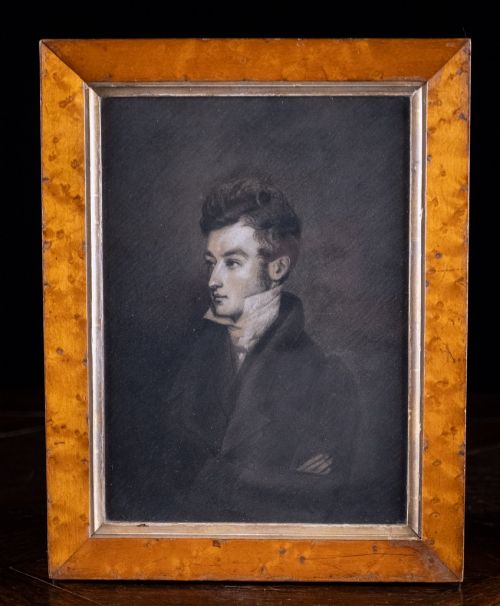
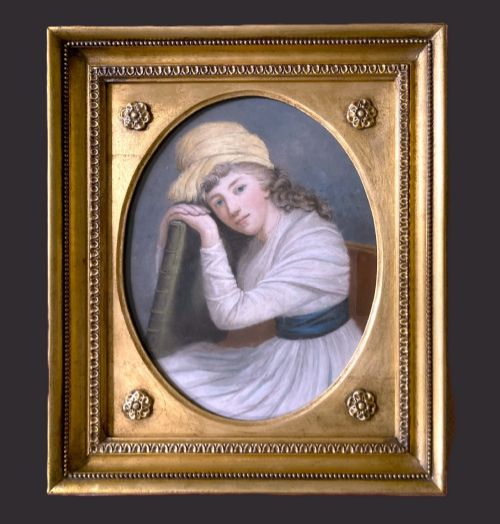
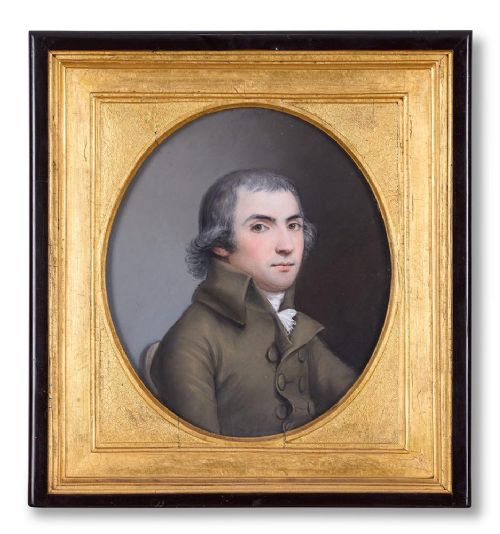
A pastel miniature portrait presents the intimate likeness of a sitter on a compact scale, created during periods such as the eighteenth century, Regency era, and Victorian times. These framed artworks appear in oval and rectangular formats designed for wall display or personal collection.
The pieces on this page span several decades, including French School works, Georgian creations, and Edwardian examples. Portrait miniatures and framed paintings demonstrate how artists rendered subjects using pastel alongside watercolour, gouache, and cut-out profile techniques.
Makers and artists represented in the selection include named painters such as Anna Tonelli, James Sharples, Caroline Pridham, Nathaniel Bermingham, J Bizo, and Gerrit Schipper. Their works record sitters ranging from general officers to private individuals across different eras.
Materials and construction
Artists executed a pastel miniature portrait on paper supports using dry pastel chalks, frequently combining them with watercolour or gouache for finer facial details. This medium allows for subtle blending of skin tones and clothing textures.
Makers housed these delicate works beneath protective glass to prevent the fragile pastel pigment from smudging or dusting off the paper support. Original framing materials include giltwood, birds eye maple, wood, and brass surrounds.
Pastel Miniature Portrait Retail Price Guide 2026
Typical asking prices for pastel miniature portrait among the pieces listed under this phrase on Sellingantiques today, from the lower quarter to the upper quarter. They describe what is for sale here now, not the wider market.
Nathaniel Bermingham combined pastel with cut-out paper profiles, proving that eighteenth-century artists loved a clever craft hack just as much as we do.
Distinctions in quality
The skill of the hand defines the success of a pastel miniature portrait, with accomplished artists capturing anatomical proportion and psychological depth within a restricted space. Softer, more convincing flesh tones and confident handling of costume elevate certain examples.
The integrity of the preservation matters significantly, particularly the stability of the pastel pigment beneath the glass and the originality of the period frame. Giltwood and birds eye maple surrounds that match the date of the artwork contribute to the overall coherence of the piece.
Anna Tonelli·James Sharples·Caroline Pridham·Nathaniel Bermingham·Gerrit Schipper
The Pastel Miniature Portrait Glossary
- Pastel
- A dry painting medium consisting of powdered pigment and a binder, known for its velvety texture and soft colour graduation. It requires glass protection due to its friable nature.
- Gouache
- An opaque watercolour paint that dries to a matte finish, often used alongside pastel in miniature portraits to build up solid areas of colour and sharp highlights.
- Giltwood
- Wood that has been coated with gold leaf or a gold-coloured finish, frequently utilised for decorative frames during the Georgian and Regency periods.
- Birds Eye Maple
- A figure in maple wood resembling tiny swirling bird's eyes, popular for veneers and frames during the nineteenth century.
- Cut-Out Profile
- A silhouette technique where the likeness is meticulously cut from paper and mounted against a contrasting background, sometimes paired with pastel work.
Pastel Miniature Portrait: Frequently Asked Questions
How are pastel miniature portraits framed?
These portraits sit behind protective glass within compact frames made from materials such as giltwood, birds eye maple, and brass.
The glass shields the delicate pastel powder from atmospheric moisture and physical disruption.
What periods do these miniatures come from?
The available examples span from the eighteenth century through the Regency era, Victorian period, and into the Edwardian age.
Each period brings distinct framing styles and costume details that help indicate the date of the artwork.
Can I hang them on the wall?
Many of these pieces function as wall art, intended for small spaces where their intimate scale can be appreciated up close.
Owners should avoid placing them in direct sunlight to prevent the pastel pigments from fading over time.
How do I distinguish pastel from watercolour miniatures?
Pastel leaves a velvety, powdery surface texture without the glossy wash typical of pure watercolour.
Artists frequently combined both mediums on paper to achieve specific contrasts between facial skin and clothing.