
Brass Footed Mahogany Table
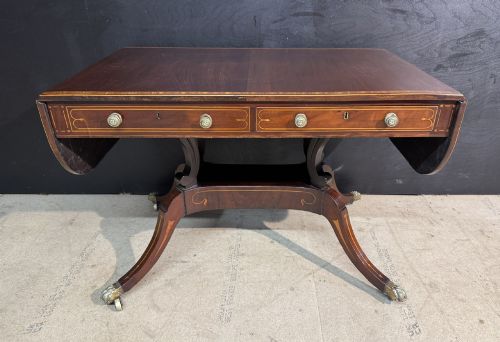
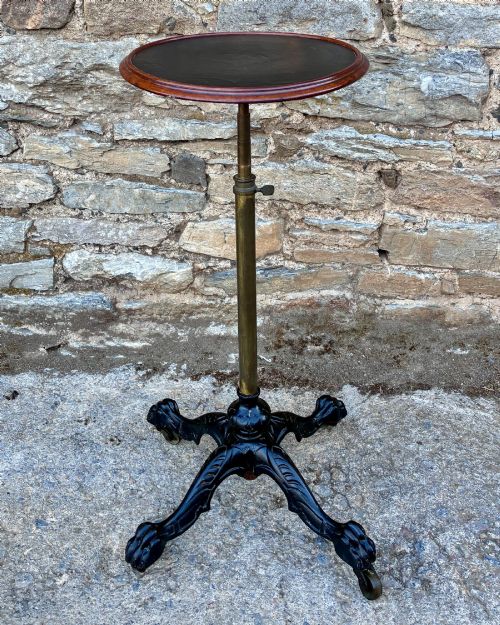
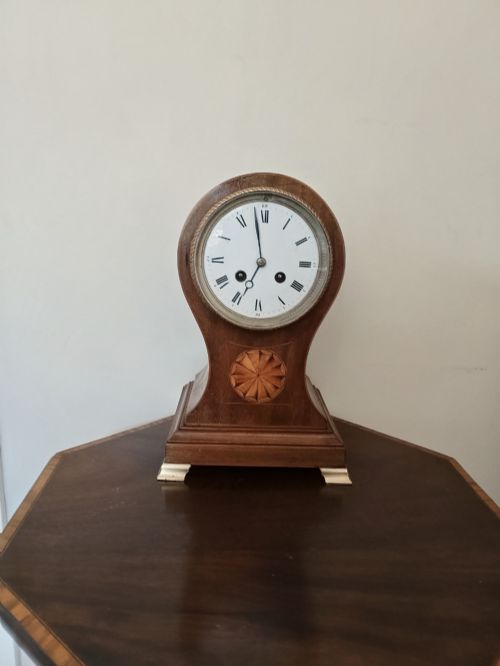
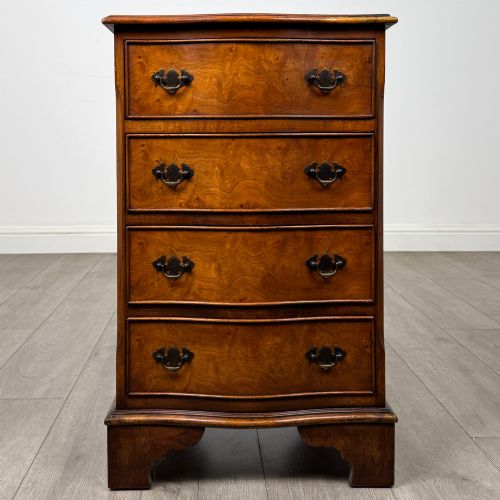
A brass footed mahogany table brings the warmth of dense timber and polished metal together in forms ranging from sofa tables to breakfast tables.
Brass Footed Mahogany Table
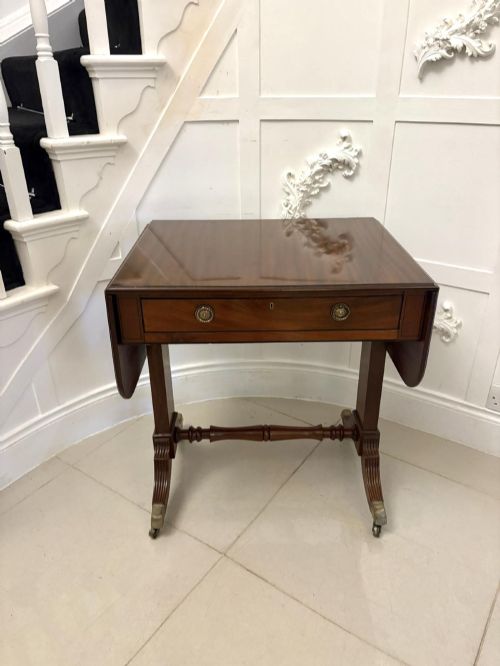
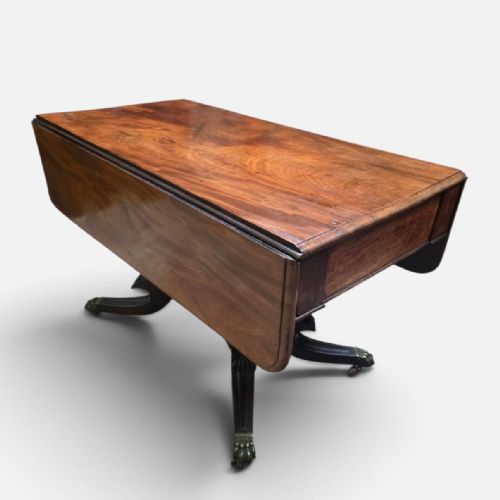
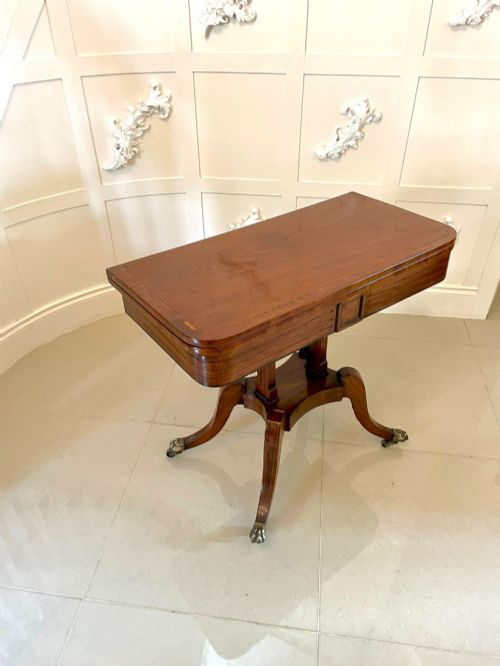
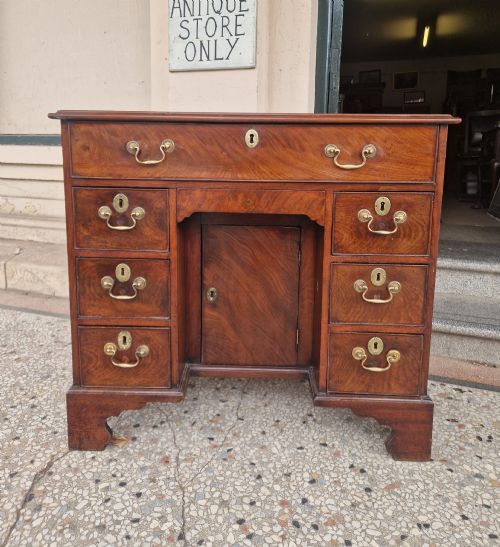
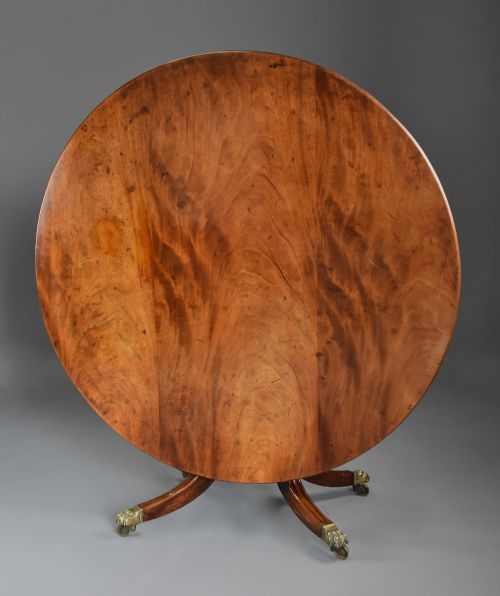
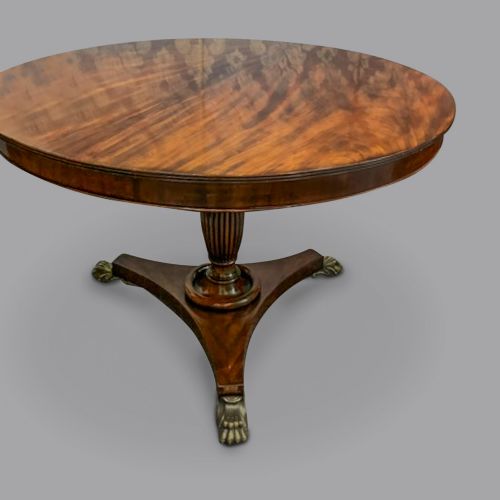
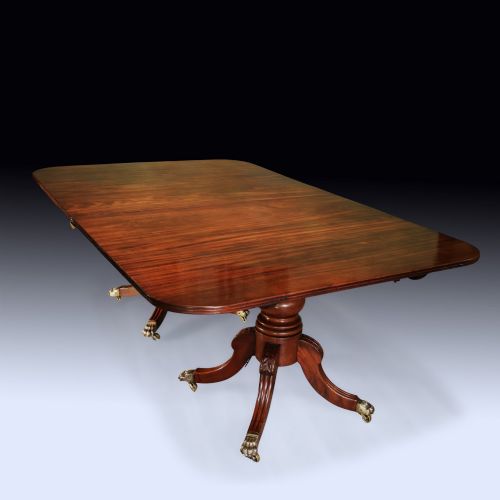
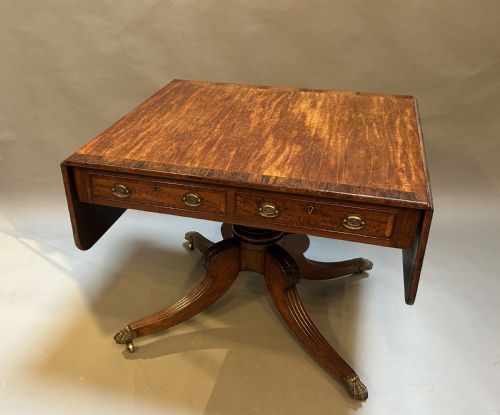
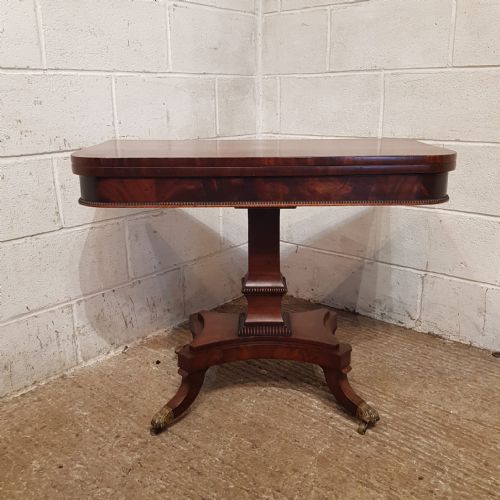
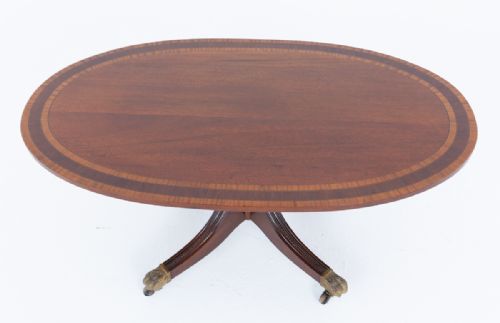
When you search for a brass footed mahogany table, you encounter pieces designed for formal reception rooms and libraries primarily during the Georgian, Regency, and Victorian periods. These pieces span versatile forms such as sofa tables, card tables, centre tables, and breakfast tables, each incorporating metallic footwear to protect the timber bases.
The selections on this page concentrate heavily on Regency and Georgian examples alongside later revivals, reflecting how makers combined rich red-brown timber with cast metal details. You will find drop-leaf sofa tables with twin pedestals or lyre ends, as well as folding card tables designed to sit against parlour walls.
Originating largely from British workshops, these tables demonstrate the practical demands of nineteenth-century domestic life through pivoting tops, concealed drawers, and sturdy pillar supports. The integration of brass castors or mounts provides both mobility and visual contrast against the dark grain of the wood.
Materials and construction methods
Cabinet makers utilised dense, durable mahogany for the primary structural elements and table tops, often selecting figured timber with deep natural grain patterns for prominent surfaces. Secondary woods provided internal support for drawer boxes and framing, while decorative stringing sometimes introduced contrasting lines of satinwood or ebony.
Foundries cast the brass components separately, producing claw feet, casters, mounts, and paw terminals that were pinned or screwed directly to the wooden legs. This combination of heavy tropical hardwood and polished metal demanded precise joinery to ensure the tables remained stable under daily use.
Object forms recorded across the inventory range from large extending twin pedestal dining tables down to compact occasional and side tables.
Indicators of superior craftsmanship
Quality rests upon the selection of the mahogany timber and the crispness of the brass casting, where sharper detail on paw feet and lion mounts distinguishes finer workshops. Tables exhibiting highly figured grain patterns on the primary surfaces demonstrate a greater investment in materials by the original cabinet maker.
Structural integrity also dictates worth, seen in smooth mechanisms for drop leaves and fold-over tops, alongside original brass castors that move freely without binding. Lesser pieces may display mismatched timber patches or replacement hardware that disrupts the historical unity of the design.
Bush of London·Desbois and Wheeler·L Vick of Stroud·Muirhead Moffat and Company
The Brass Footed Mahogany Table Glossary
- Mahogany
- A durable tropical hardwood known for its rich reddish-brown colour and fine grain. It served as the primary medium for high-end British furniture from the eighteenth century onward.
- Regency
- A design period spanning the early nineteenth century characterised by classical motifs, Greco-Roman influences, and clean architectural lines. Furniture from this era frequently incorporates brass inlay and mounts.
- Sofa table
- A rectangular occasional table designed to stand in front of a sofa, typically featuring drop leaves on either side and small drawers beneath the top.
- Card table
- A folding table with a hinged top that opens to reveal a baize-lined playing surface. These were essential items for evening entertainment in Georgian and Regency parlours.
- Castor
- A small wheel mounted in a swivel frame attached to the foot of a piece of furniture. Brass versions allowed heavy mahogany tables to be repositioned across carpets easily.
Brass Footed Mahogany Table: Frequently Asked Questions
How do I identify a Regency period table?
Look for architectural proportions, classical motifs such as reeding or brass paw feet, and structural forms like lyre ends or pillar pedestals. These characteristics reflect the dominant design vocabulary of the early nineteenth century.
Examine the timber closely for rich, faded patination and traditional joinery methods that confirm the age of the piece without relying solely on secondary hardware.
Were these tables meant to stand in the centre of a room?
Many forms, particularly centre tables and certain sofa tables, were constructed with finished backs so they could float in the middle of a parlour or library.
Other variants, such as side tables and console tables, were designed to sit flat against a wall to conserve floor space when not in active use.
How should I care for antique mahogany and brass?
Maintain the timber by dusting with a soft cloth and applying a traditional beeswax polish sparingly to preserve the natural lustre of the grain. Avoid modern silicone sprays that can penetrate the pores of older finishes.
Keep brass elements clean with a dry cloth, taking care not to let metal cleaning compounds touch the surrounding wood surface during maintenance.