


Brass Fitting Table Lamp
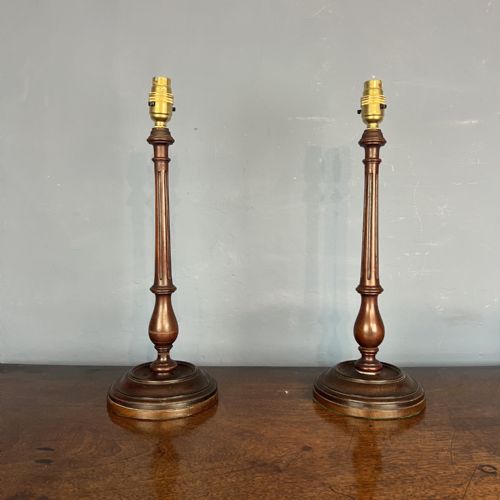
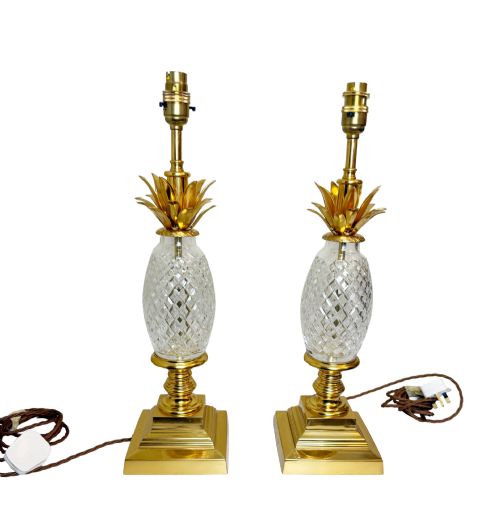
A brass fitting table lamp brings functional warmth and period character to a room, spanning styles from Edwardian chinoiserie to neoclassical revival.
Brass Fitting Table Lamp
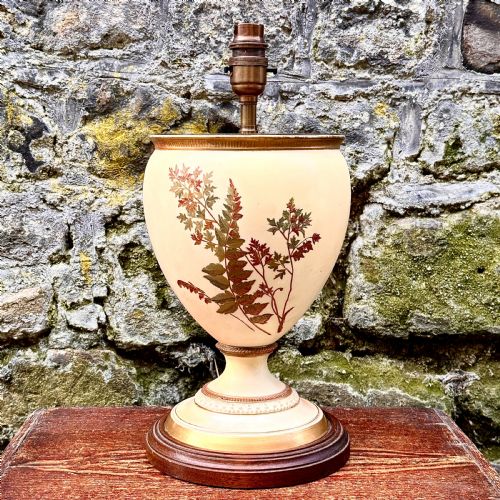
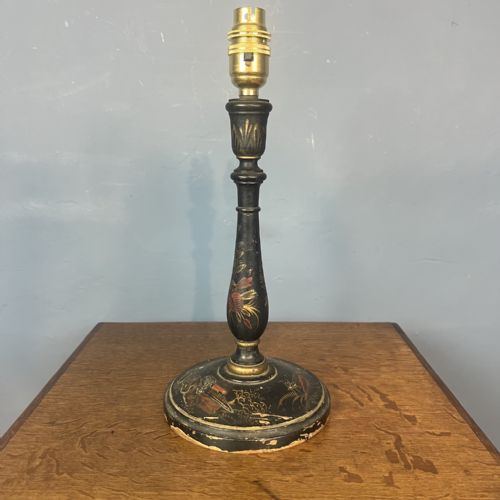
When you search for a brass fitting table lamp, you encounter lighting solutions adapted from earlier vessels or manufactured specifically during the nineteenth and early twentieth centuries. These pieces merge utilitarian metal mounts with decorative bodies formed from porcelain, bronze, marble, and lacquered wood.
The selections on this page demonstrate considerable variety, ranging from converted Japanese Imari and Chinese blue and white vases to classical Corinthian columns and figural bronze groups. Edwardian and Victorian examples dominate, often featuring paired configurations or substantial proportions designed to anchor a room.
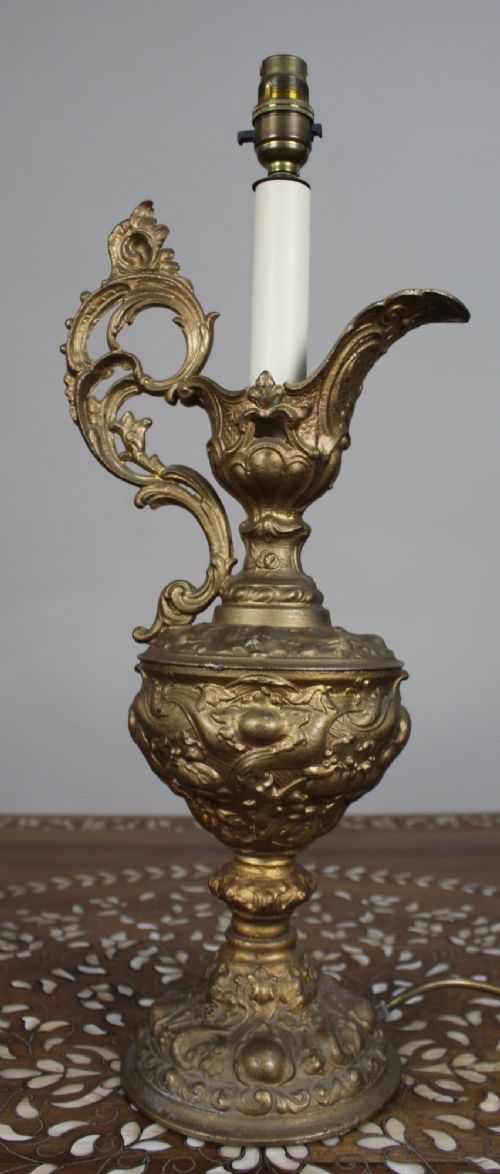
Many of these items began their lives as vases, tobacco jars, or ewers before receiving electrical fittings. This adaptive history means collectors find both purpose-built lamp bases and repurposed vessels that retain their original ceramic or metallic integrity.
Materials and construction
Makers utilised cast and chased brass for mounts, candle arms, and structural bases, pairing the metal with porcelain bodies from factories such as Royal Doulton, Royal Worcester, and Sitzendorf. Bronze, marble, oak, and lacquered wood also provide the substantial weight required for stable table lighting.
Conversion techniques varied, with craftsmen drilling ceramic vases or mounting ewers onto weighted brass and gilt metal plinths. Surface decoration spans hand-painted chinoiserie, cloisonné enamel, and intricate surface carving on wood or stone.
Several heavy tobacco jars from Royal Doulton found a second career holding electrical cords instead of pipeweed.
Assessing quality and execution
Quality rests upon the crispness of the brass casting and the integrity of the primary body, whether porcelain, marble, or bronze. Finer examples display meticulous hand-finishing on metal mounts and superior ceramic painting from established potteries.
Proportion and balance dictate the visual success of each piece. Superior items maintain a harmonious relationship between the decorative body and the brass or gilt metal fittings, avoiding awkward transitions where components join.
Royal Worcester·Sitzendorf·Royal Doulton
The Brass Fitting Table Lamp Glossary
- Corinthian column
- A classical architectural order featuring an ornate capital decorated with acanthus leaves, frequently utilised for nineteenth-century metal lamp bases.
- Cloisonné
- An ancient metalworking technique employing wire partitions soldered to a base to create cells filled with enamel paste, seen on select nineteenth-century vase lamps.
- Ewer
- A large jug with a wide spout and elaborate handle, often adapted into a decorative table lamp during the Victorian or Edwardian periods.
- Imari
- A style of Japanese porcelain featuring a distinctive palette of underglaze blue, iron red, and gilt, frequently converted into lighting.
Brass Fitting Table Lamp: Frequently Asked Questions
How are converted vases mounted?
Converted vessels utilise custom brass fittings secured through drilled bases or collar mounts designed to hold the electrical components securely without damaging the ceramic body.
These adjustments allow antique porcelain and stoneware to function as domestic lighting while preserving the primary decorative surface.
Are these lamps recently rewired?
Many examples arrive with updated electrical wiring to meet modern domestic standards while retaining their historic metal and ceramic components.
Buyers should inspect the specific listing details regarding rewiring status before connecting the piece to a power source.
What periods do these lamps represent?
The pieces span the nineteenth and early twentieth centuries, encompassing Victorian, Edwardian, and nineteenth-century manufacturing traditions.
Stylistic influences range from French Empire and Neoclassical revival to Japanese Meiji and Chinese Qing Dynasty aesthetics.
How do I care for brass mounts?
Brass fittings require gentle dusting with a soft cloth to maintain their surface patina over time.
Harsh chemical polishes should be avoided to preserve the natural ageing and original character of the metal.