
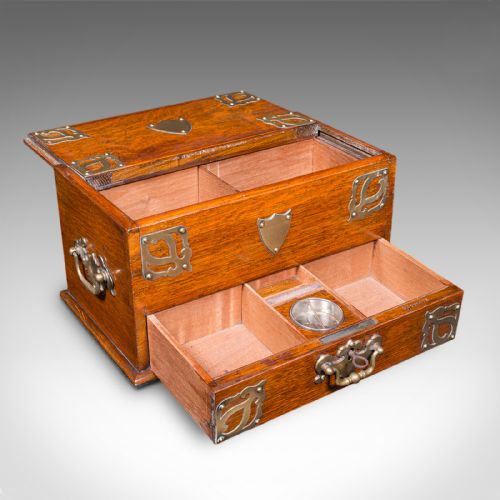


Brass Fitting Cabinet
A brass fitting cabinet brings functional metalwork together with timber storage, offering structured storage designed to keep small items secure and organised.
Brass Fitting Cabinet
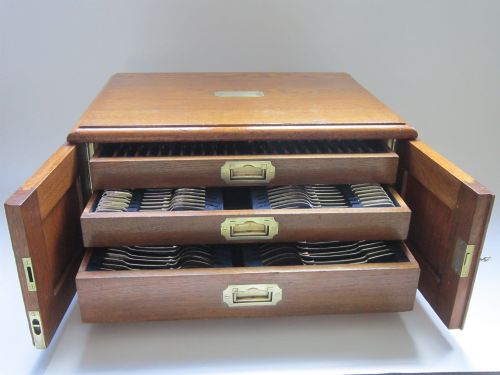
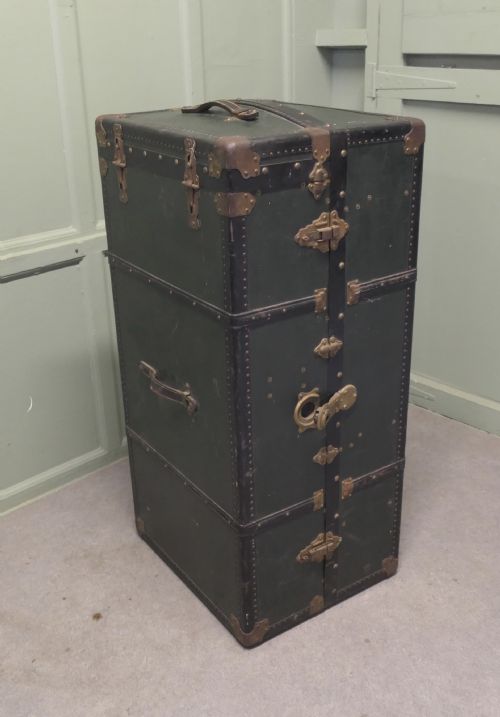
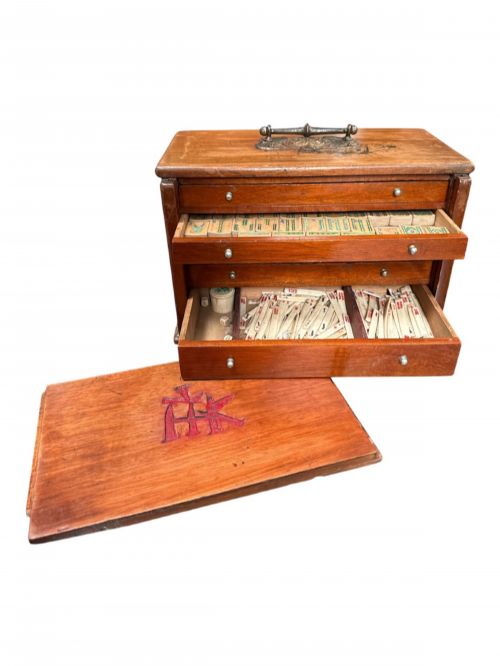
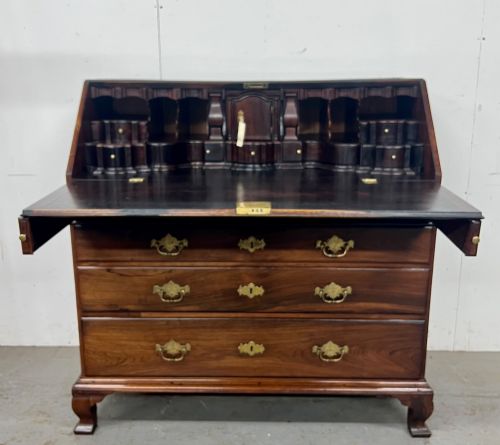
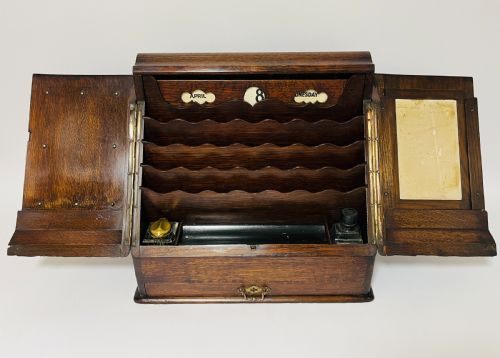
A brass fitting cabinet typically presents as a stationery box, apothecary chest, or small display case incorporating metal handles, hinges, or mounts. The search phrase covers utilitarian boxes and display furniture where brass hardware forms an integral part of the design.
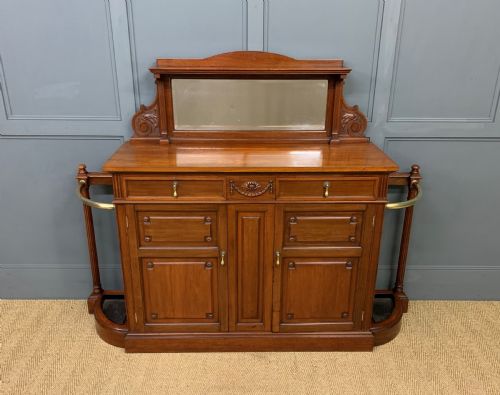
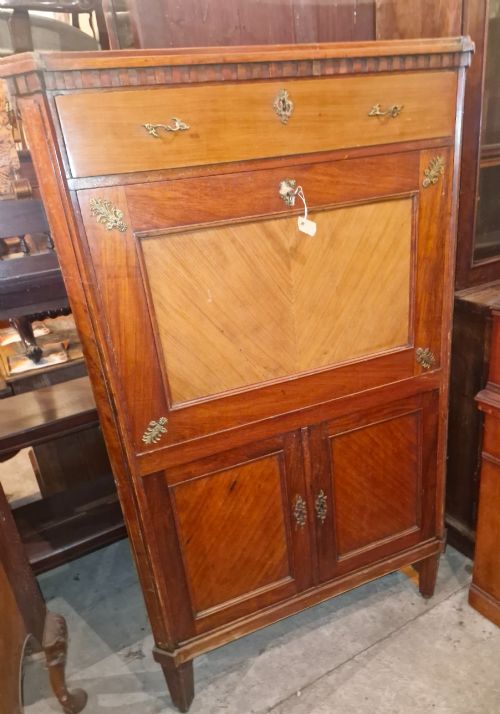
Examples on this page span Victorian and Edwardian periods through to the 1920s and 1930s, using timbers such as mahogany, oak, and walnut. These pieces originate from domestic studies, offices, and commercial shops.
Buyers encounter tabletop stationery cabinets, campaign chests, and shop display counters fitted with glass and brass framing. The hardware serves to reinforce corners, secure lids, or operate locking mechanisms.
How They Were Made
Construction relies on solid hardwoods like mahogany, oak, and walnut, joined with dovetailed corners or framed panels to endure daily use. Secondary timbers often line internal drawers and partitions.
Cast and polished brass hardware, including drop handles, campaign corners, hinges, and locks, is screwed or inset flush into the timber surfaces. Glass panels are integrated into doors and counter tops using wooden glazing bars.
What Varies in Quality
Quality depends on the precision of the joinery and the weight of the brass components used in the construction. Substantial cast hardware and neatly dovetailed drawer boxes indicate superior workshop standards.
The choice of timber grain and the integrity of the original locking mechanisms and keys separate standard utilitarian boxes from finer cabinetmaking examples.
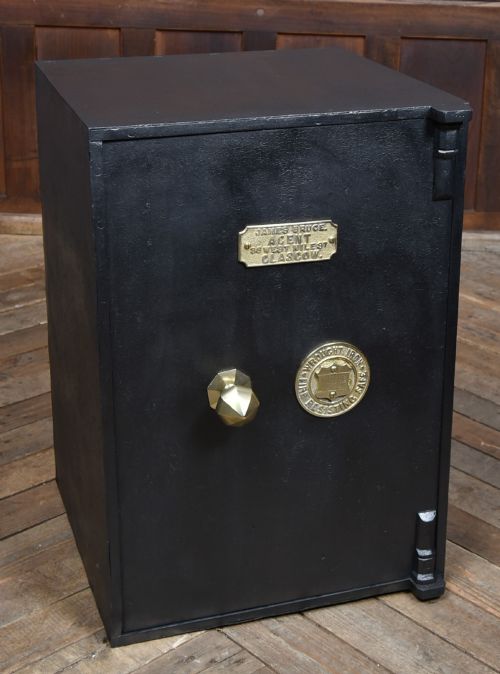
Shoolbred & Co.·James Bruce·Maple and Co·Saml. Elliott & Sons·Walker & Hall·Mappin & Webb·Siegel
The Brass Fitting Cabinet Glossary
- Campaign chest
- A modular chest of drawers or cabinet made in sections with inset brass handles and corner brackets designed for easy transport. These pieces often separate into two stacking carcases for travel.
- Stationery cabinet
- A desktop or tabletop box fitted with internal compartments, pigeonholes, and sometimes a fall-front writing surface. They organise writing paper, envelopes, and inkwells.
- Haberdashery cabinet
- A commercial shop fixture featuring multiple shallow drawers, often with glass fronts or brass label holders, built to display small textiles and accessories. They utilise sectional timber framing.
- Cellarette
- A lockable container designed to hold bottles of wine or spirits, frequently lined with lead or fitted with internal dividers. Regency examples often incorporate robust brass carrying handles.
- Apothecary box
- A compact wooden chest fitted with brass carrying handles and internal slots to hold medicine bottles and scales. These boxes secure medical supplies for travel or home use.
Brass Fitting Cabinet: Frequently Asked Questions
What is a brass fitting cabinet used for?
These cabinets organise small items such as stationery, medical bottles, or dry goods depending on their original commercial or domestic function. Tabletop versions hold writing materials while larger shop counters display wares behind glass.
Interior compartments, drawers, and fitted trays keep contents separated and secure. The brass hardware protects corners and operates locking mechanisms for travel or daily use.
How do I date a cabinet?
Dating relies on observing the timber species, construction methods, and the style of the brass hardware. Regency and Victorian pieces often show hand-cut dovetails and heavier cast brass mounts, whereas 1920s and 1930s examples utilise machine-sawn elements and streamlined handles.
Maker marks, stamps, and paper labels inside drawers or on the backboards provide definitive dates and workshop origins. Comparing the hinge types and lock mechanisms against known period standards narrows the manufacturing window.
Are the brass fittings original?
Original fittings match the wood indentation, screw types, and patination found across the rest of the piece. Look for consistent wear and oxidation levels between the metal hardware and the surrounding timber.
Replaced handles or hinges often leave filled screw holes or lighter wood patches underneath the metal plates. Examining the interior screw fixings reveals whether the hardware has been swapped or maintained over time.
How do I care for the wood and brass?
Maintain the timber surfaces by applying a traditional beeswax polish sparingly and buffing with a soft cloth to preserve the finish. Avoid placing pieces near direct heat sources or strong sunlight to prevent timber splitting.
Clean the brass elements gently with a dry cloth without using abrasive metal polishes that remove historic patination. Keeping the room humidity stable protects both the wood joints and the metal fittings.