
Brass Fitted Box
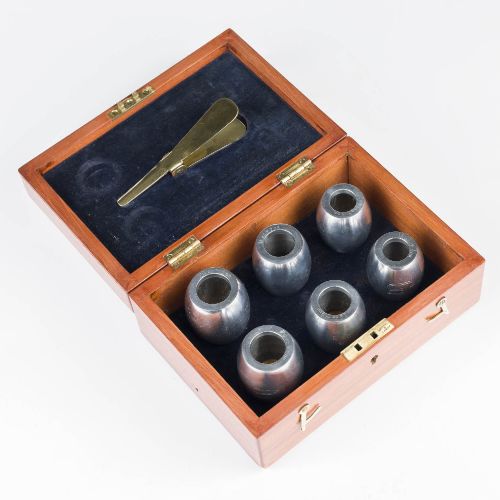
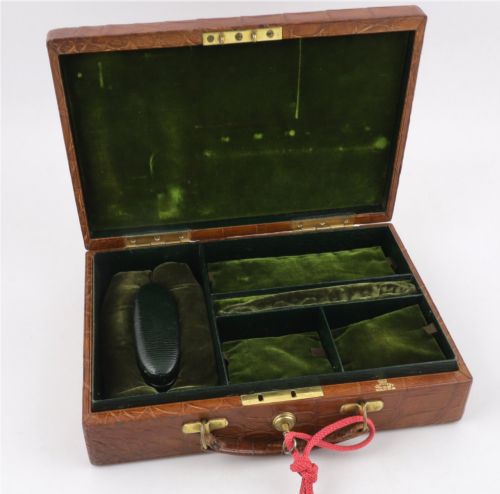
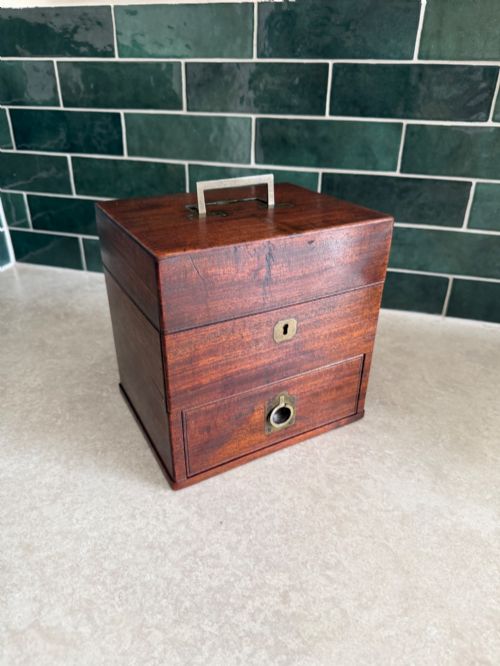
When you search for a brass fitted box, you are looking at utilitarian containers reinforced for travel or designed to organise valuables.
Brass Fitted Box
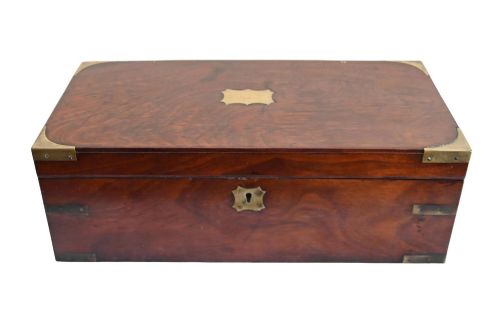
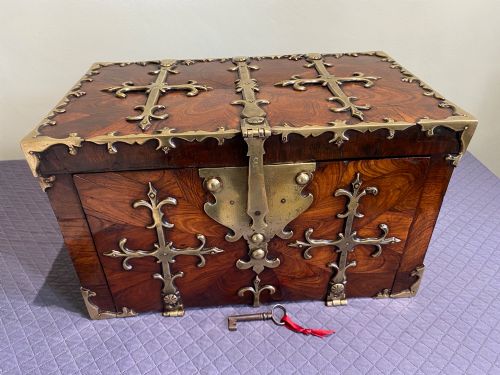
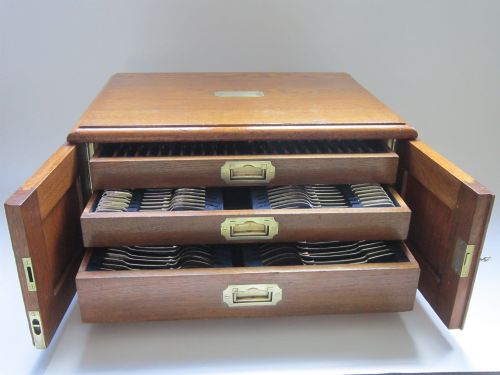
A brass fitted box is a sturdy container designed for travel, correspondence, or the secure storage of precious items, constructed with metal corner brackets, straps, or hinges to withstand movement. These pieces originate primarily from the Georgian, Victorian, and Edwardian periods, reflecting an era when personal belongings required robust protection during transit.
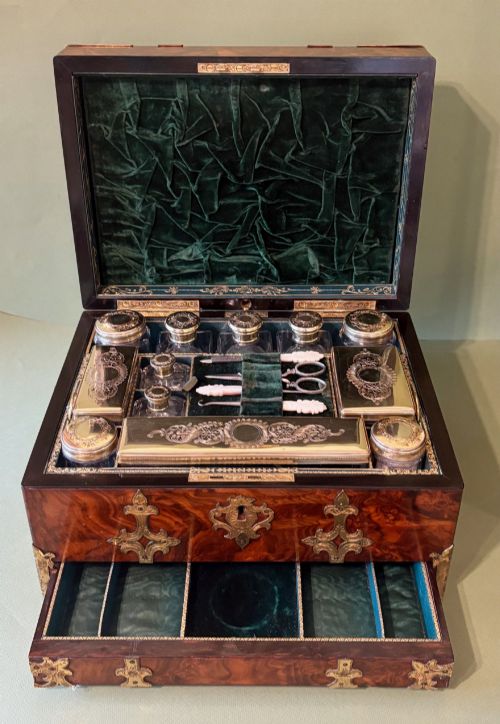
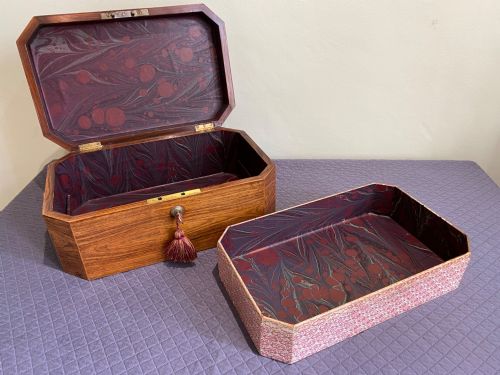
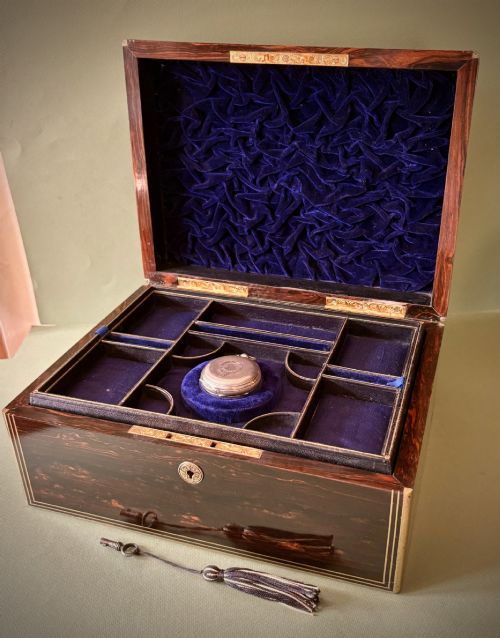
The styles range from utilitarian campaign pieces bound in brass to decorative rosewood and walnut caskets mounted with ormolu or mother-of-pearl. Whether intended for medical use, correspondence, or vanity items, each object demonstrates a precise adaptation of internal space to specific domestic or travel requirements.
What Varies in Quality
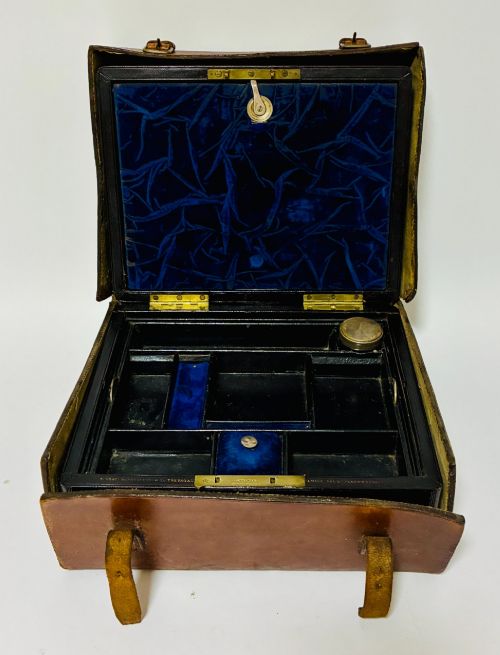
The standard of a brass fitted box depends heavily on the integration of its metalwork, the selection of timber veneers, and the complexity of its internal fittings. Superior examples feature precisely countersunk brass banding, well-figured grain matching across the exterior, and smoothly operating secret drawers or spring-loaded mechanisms.
Lower quality pieces often display crude brass work, plain secondary timbers without figured grain, or replacement internal components that disrupt the original layout. The presence of working locks with original keys and undamaged velvet or leather linings also elevates the standing of an individual piece.
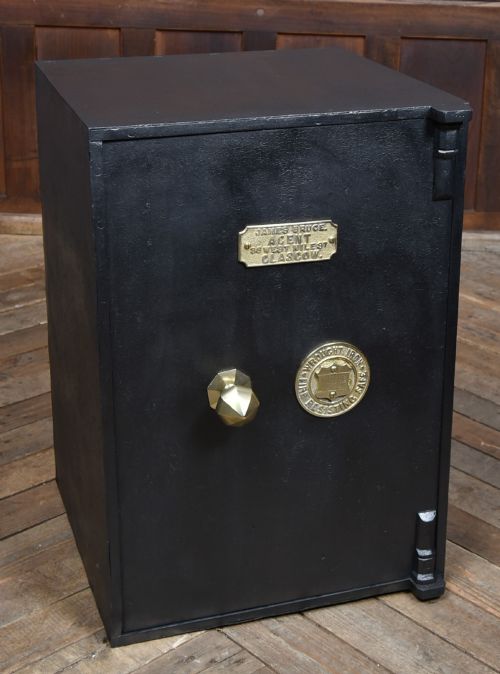
De Grave Short And Co·J C Vickery·James Bruce·F West·James Purdey And Sons·Holtzapffel And Co·L Casella And Co·Army And Navy·H Mitchell·John Millikin
The Brass Fitted Box Glossary
- Writing slope
- A portable desk with a hinged, slanted writing surface that opens to reveal compartments for inkwells, pens, and paper. These boxes were essential for travellers and home use alike during the eighteenth and nineteenth centuries.
- Campaign furniture
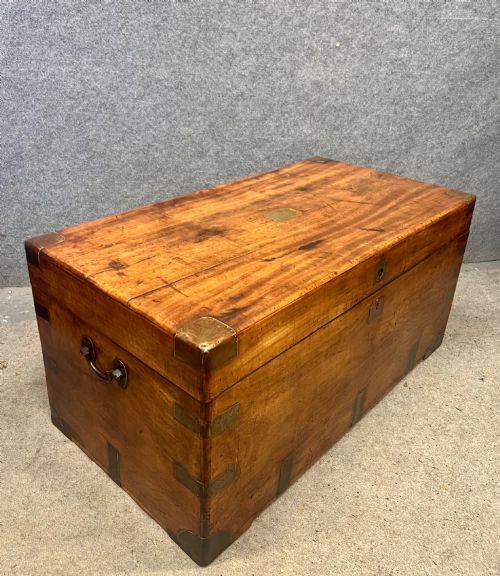
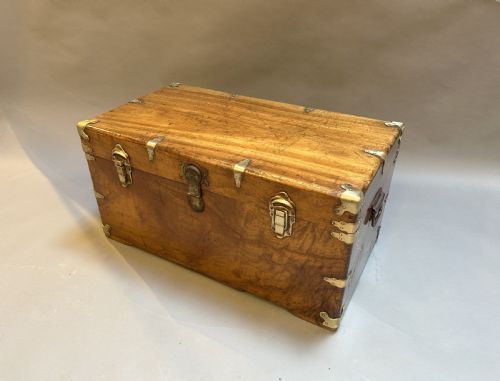
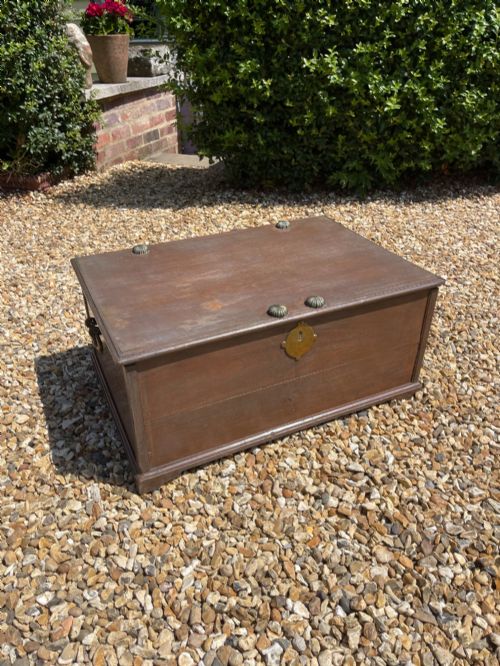
- Portable items built for military officers and travellers, characterised by sturdy construction, brass corner braces, and recessed handles. Pieces were designed to dismantle or withstand rough transport across colonies.
- Apothecary box
- A compartmentalised chest built to hold medical bottles, scales, and ingredients for travel or home dispensing. They usually feature secure locking mechanisms and small drawers.
- Veneer
- A thin slice of decorative hardwood applied to a stable underlying timber to provide an ornamental exterior surface. Fine grain patterns were frequently selected for luxury boxes.
- Bramah lock
- A high-security cylinder lock invented by Joseph Bramah, commonly found on superior nineteenth-century boxes. They were prized for their complex internal mechanisms which resisted picking.
Brass Fitted Box: Frequently Asked Questions
What are campaign boxes?
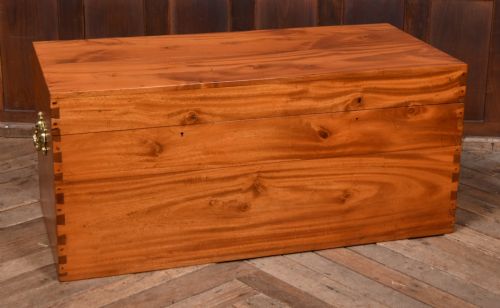
Campaign boxes are durable trunks and chests built for military officers on active service overseas. They feature protective brass corners and recessed handles designed to endure rough transport.
These pieces were constructed from sturdy timbers like camphorwood or mahogany to withstand varied climates and frequent movement.
How were writing slopes used?
Writing slopes served as portable desks for correspondence, storing stationery, ink, and nibs inside a folding compartment. Users opened the slanted lid to create a stable writing surface.
Wealthy travellers and Victorian households relied on these boxes to keep writing materials organised in one secure place.
Why do some boxes have secret drawers?
Secret drawers provided hidden storage for valuable documents, currency, or jewellery within the fitted interior of a box. Cabinet makers designed these compartments behind removable partitions or dummy drawer fronts.
Finding a hidden drawer often required manipulating a sequence of spring-loaded catches or sliding panels.
How do I identify a Victorian box?
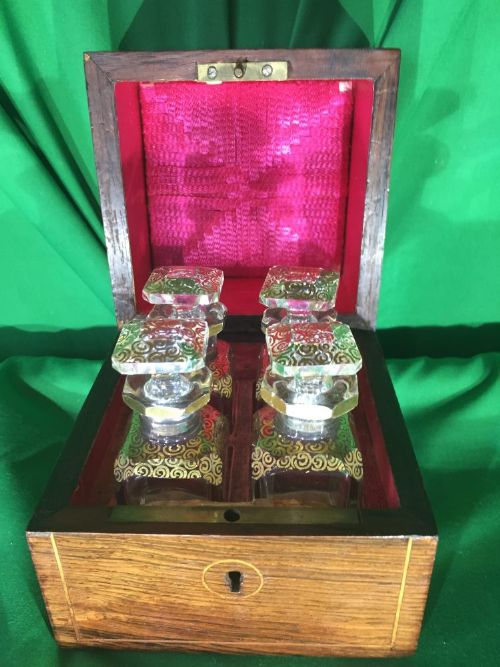
Victorian boxes typically display dense hardwoods like rosewood or walnut, often enhanced with brass banding or mother-of-pearl inlay. Internal fittings frequently include velvet-lined trays and cut-glass scent bottles.
Examining the construction methods, lock types, and overall style helps distinguish these nineteenth-century pieces from earlier Georgian or later Edwardian examples.