



Brass Fireside Storage
Brass fireside storage brings heavy metal buckets and polished wooden boxes together to keep fuel tidy beside the hearth.

Brass Fireside Storage
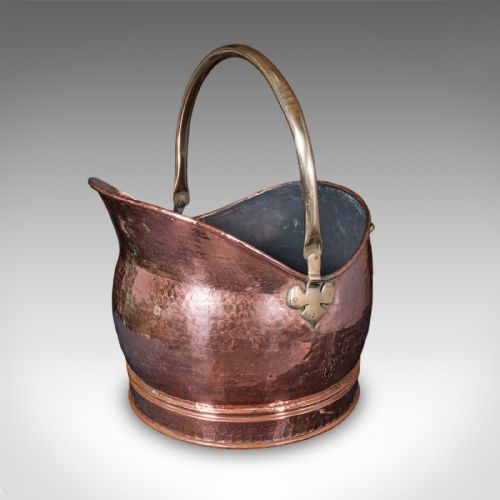
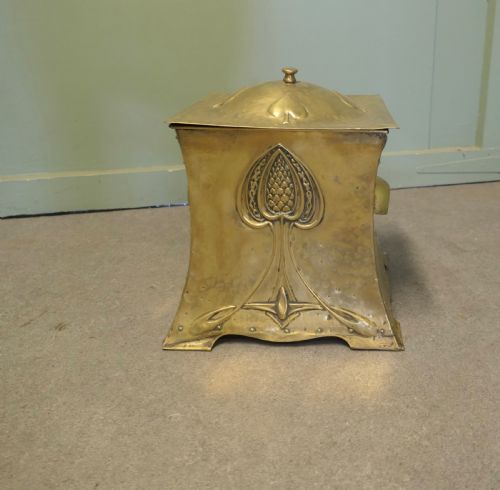
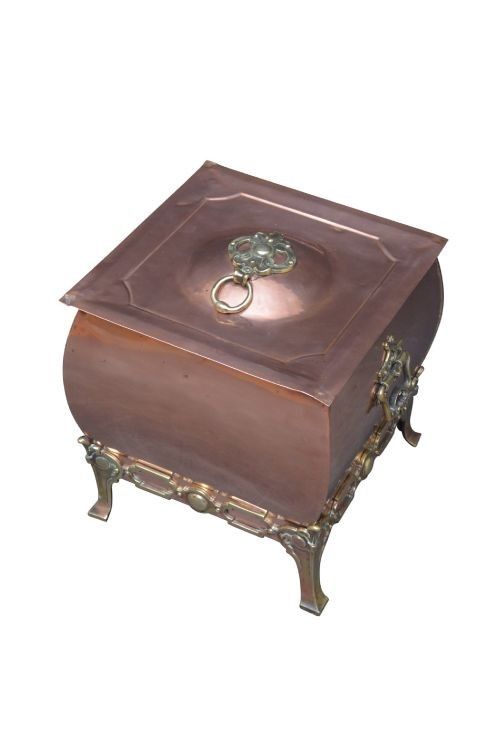
Brass fireside storage serves the practical need to house coal, logs and kindling beside the fireplace while adding metallic warmth to the hearth. When exploring brass fireside storage, buyers encounter coal scuttles, purdoniums, log bins and coal boxes spanning the Georgian, Victorian and Edwardian eras.
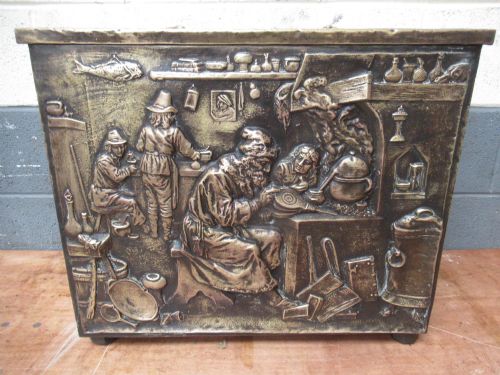
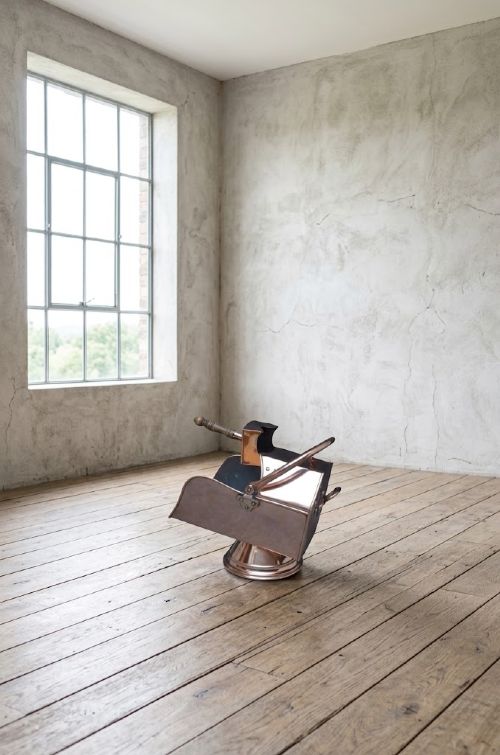
The Victorian period dominates the selections, offering everything from heavy embossed log bins to sophisticated wooden coal boxes fitted with metal liners. Edwardian examples often feature polished oak or mahogany cabinetry with inlaid details, alongside traditional brass helmet-shaped scuttles.
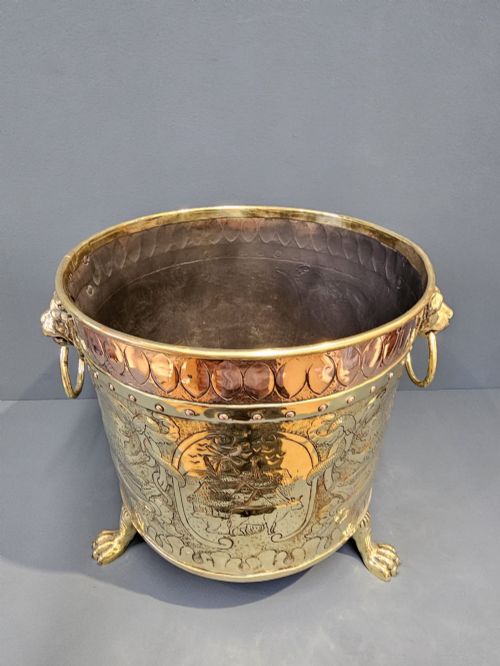
Makers and craftsmen utilised diverse object types, ranging from simple copper buckets to French fireside log boxes and Belgian decorative storage chests. Pieces frequently combine functional metalware with cabinet timber to suit both formal drawing rooms and rustic hearths.
Materials and Technique
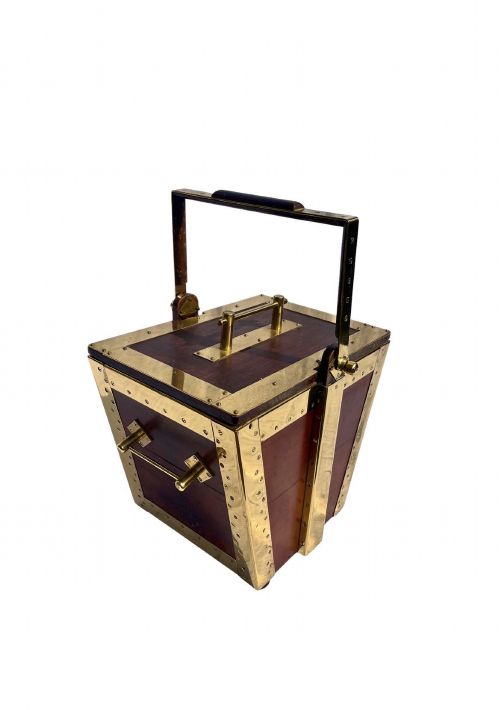
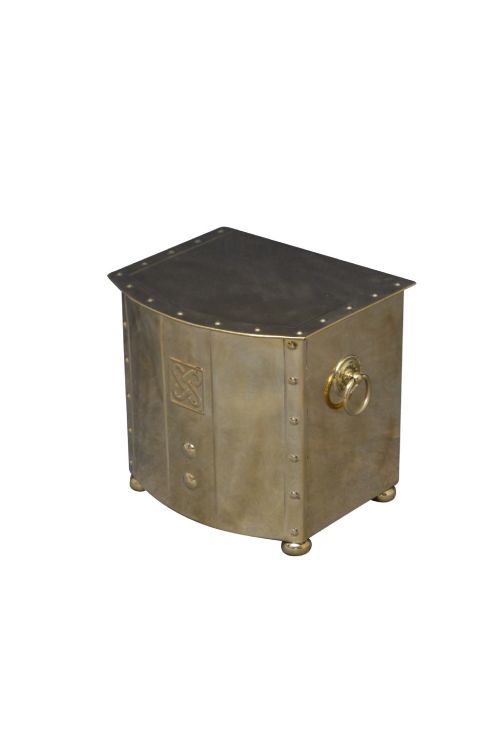
Makers constructed these pieces using combinations of brass, copper, iron, and hardwoods such as oak, walnut, and mahogany. Metal bodies often feature hand-hammered or embossed surface decoration, while wooden purdoniums and coal boxes rely on traditional joinery and brass mountings.
Many items integrate interior metal liners designed to contain coal dust and moisture, protecting the surrounding timber from wear. Coopered construction appears in sturdy fire buckets held together by metal bands, demonstrating traditional stave-building techniques.
Listings combine brass and copper with oak, walnut, and mahogany across Victorian, Edwardian, and Georgian periods.
Judging Quality
Quality rests on the gauge of the metal, the selection of timber, and the crispness of any embossed or carved decoration. Superior examples display heavy, gauge-rich brass and tightly fitted interior liners that survive from their period of origin.
Finer items incorporate refined details such as ormolu mounts, inlaid wood, and robust handles or shovel attachments that remain securely fixed to the main body.
The Brass Fireside Storage Glossary
- Purdonium
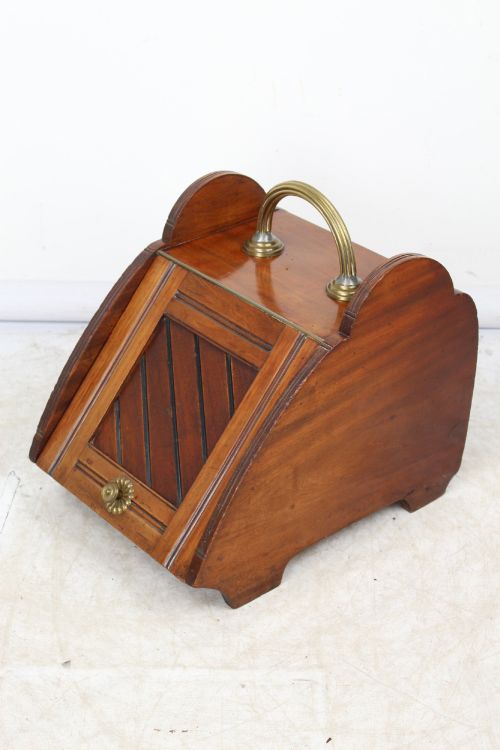
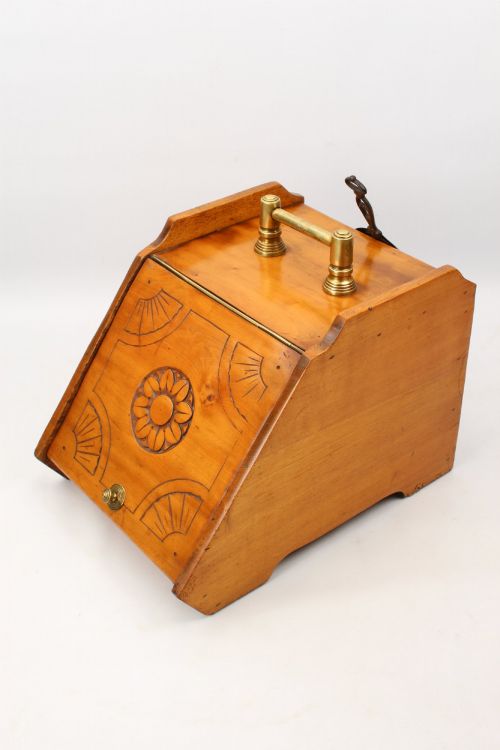
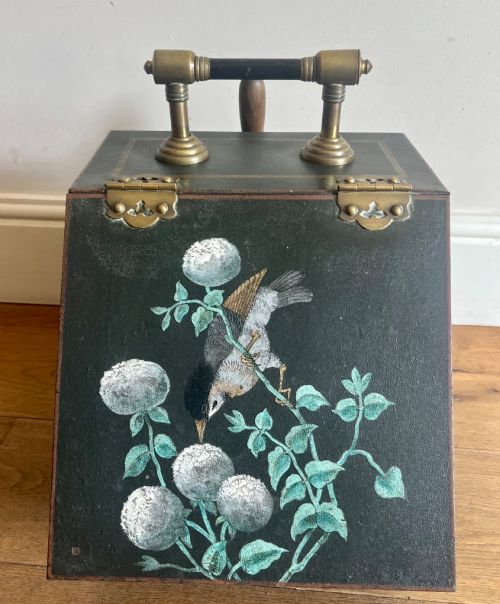
- A specialised coal cabinet featuring a hinged sloping front or drop-down door designed to conceal fuel storage inside a wooden housing.
- Coal Scuttle
- A bucket or helmet-shaped container with a swing handle used for carrying coal from an outside bunker to the fireplace.
- Log Bin
- A deep receptacle intended for stacking firewood and larger logs near the hearth.
- Tole Ware
- Enamelled or japanned metalware decorated with painted designs, occasionally utilised for fireside storage vessels.
- Coopered
- Built from vertical wooden staves bound with metal hoops, mimicking the construction method of traditional barrels.
Brass Fireside Storage: Frequently Asked Questions
What is a coal purdonium?
A coal purdonium is a freestanding wooden cabinet built to hold coal discreetly inside a domestic interior. These units typically feature a drop-down front or angled lid for easy access.
Inside, most retain a removable metal liner that catches dirt and makes emptying residue straightforward. They bring furniture-grade styling to hearthside fuel storage.
How do I clean brass fireside storage?
Cleaning depends on whether you prefer a bright polished shine or an aged historical patina. Gentle dusting and mild soapy water usually suffice for everyday maintenance.
Avoid harsh chemical abrasives that strip away the surface character developed over centuries of use. If polishing is necessary, apply a dedicated brass cleaner sparingly with a soft cloth.
Were these pieces used for coal or logs?
Both uses are common, depending on the size and shape of the specific container. Open buckets and helmet scuttles generally suited coal, while wider bins accommodated logs.
Many listings note multipurpose functions, serving equally well as planters, kindling baskets, or general hearthside storage chests.
How do I date a Victorian coal box?
Dating relies on observing the combination of timber, hardware styles, and manufacturing techniques. Victorian pieces often display heavier brass mountings, hand-beaten relief work, or rich walnut and oak grains.
Original interior liners, period shovel attachments, and traditional joinery also offer reliable clues to establish the decade of origin.