
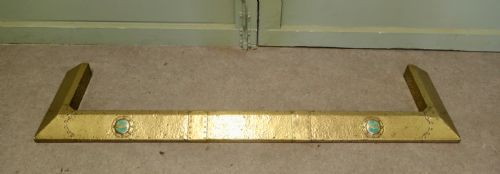
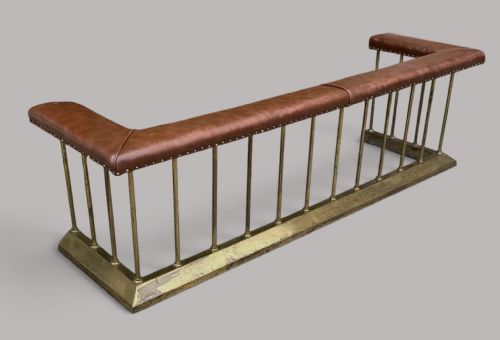
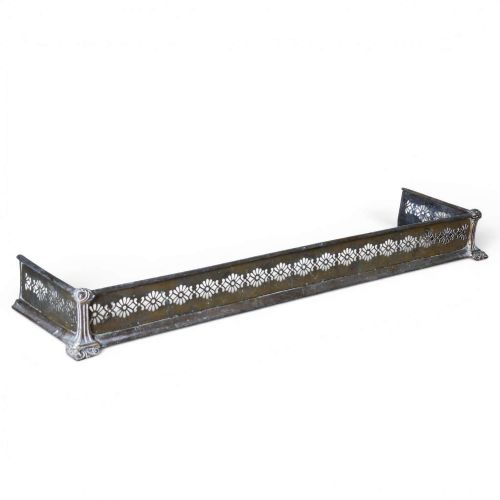
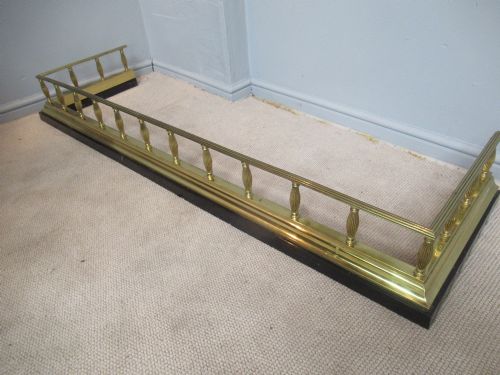
Brass Fireplace Kerb
A brass fireplace kerb grounds a hearth with metalwork, offering protective enclosure and warm reflective surfaces that buyers seek.
What They Are
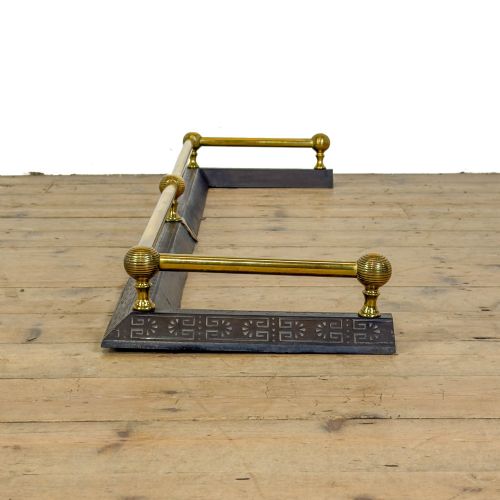
A brass fireplace kerb defines the hearth opening while containing embers and sparks within the grate. These items emerge from periods spanning the nineteenth century, including Regency, William IV, and Victorian eras.
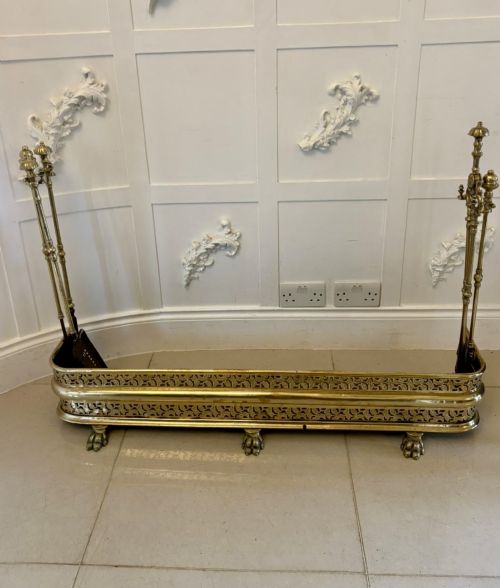
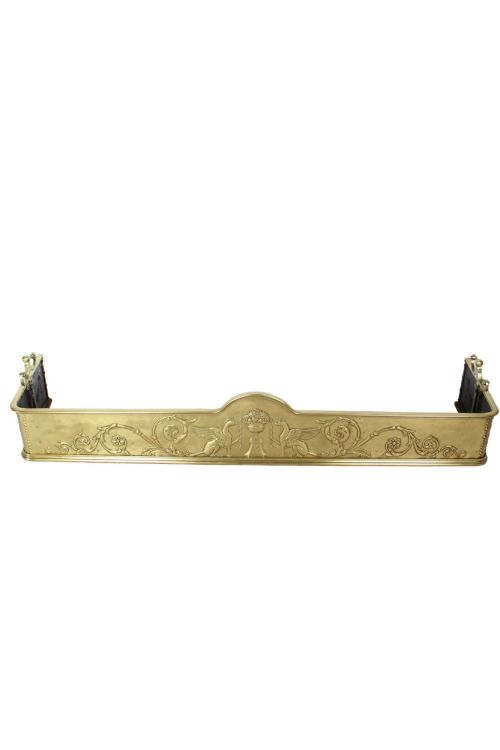
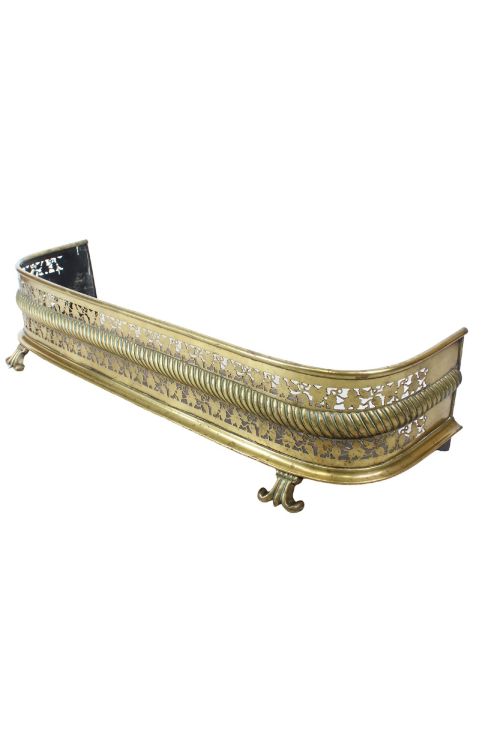
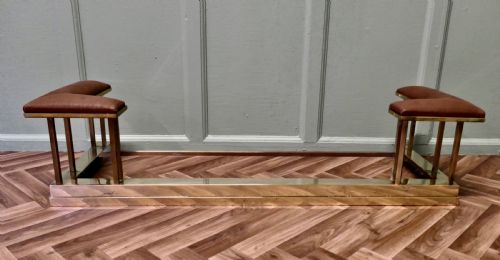
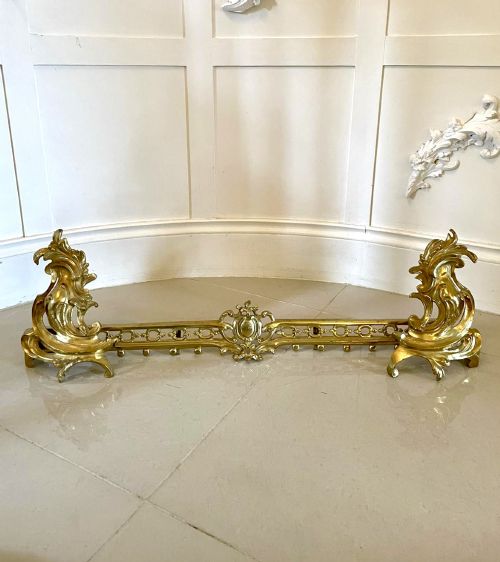
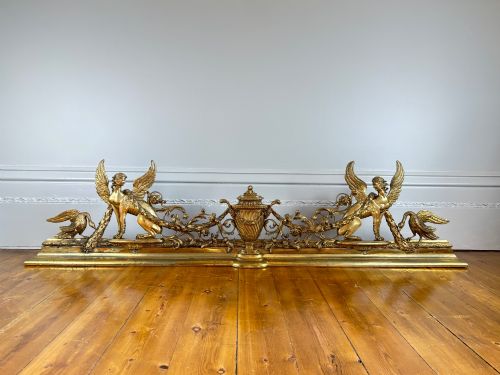
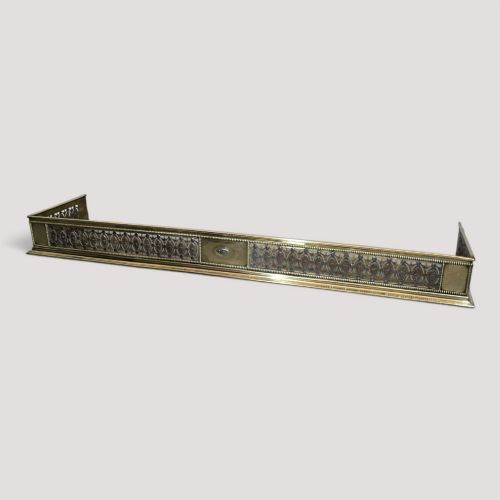
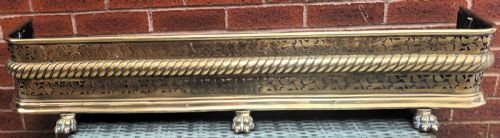
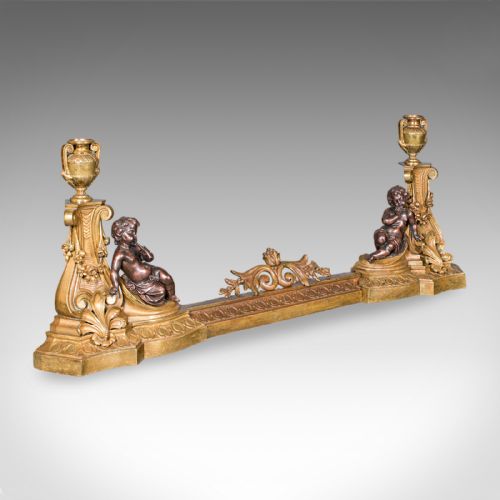
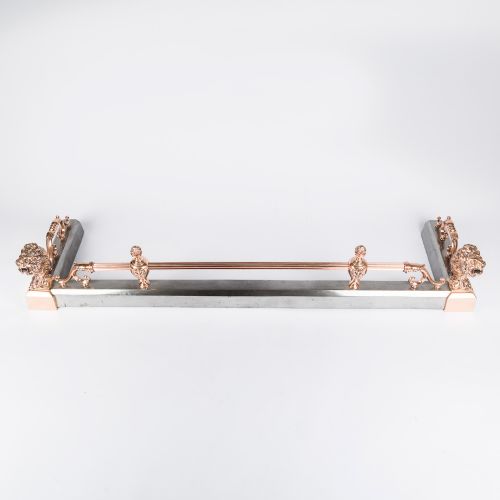
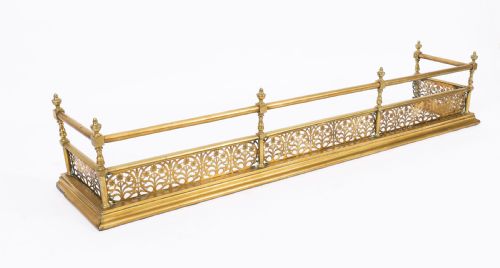
The selections on this page appear in various configurations such as pierced designs, curved shapes, and sets incorporating companion pieces. Most examples originate from the Victorian period, showcasing styles that range from ornate pierced brass to flowing Art Nouveau motifs.
How They Were Made
Maker construction combines brass with structural metals like cast iron, iron, and steel to ensure rigidity around the hearth. Sheet brass receives pierced detailing and surface finishing to create decorative borders.
Curved and linear frames utilise joining techniques to shape rigid metal into guards that fit standard hearth dimensions. Associated sets integrate matching metal tools or supports alongside the main fender structure.
Retail Price Guide 2026
Typical UK retail prices for brass fireplace kerb, calculated from the Sellingantiques database of over a million retail prices indexed since 2003. This retail price guide relies exclusively on Sellingantiques data; no external sources or auction records are used, so the figures do not describe the wider market.
Some kerb sets arrive with soot still whispering tales of coal fires burned during the reign of Queen Victoria.
What Varies in Quality
Quality rests in the precision of the piercing work and the thickness of the brass used in the frame. Heavier gauge metalwork provides structural longevity compared to thinner sheet alternatives.
Design sophistication distinguishes standard productions from exceptional pieces, particularly where delicate pierced patterns or distinct Art Nouveau styling appear. The integration of solid iron or steel internal frames also elevates the manufacturing standard.
The Brass Fireplace Kerb Glossary
- Kerb fender
- A low metal barrier placed around the hearth to keep burning fuel and ash contained. This acts as the primary boundary for the fireplace.
- Pierced brass
- Metal sheet perforated with decorative cut-out patterns. This technique lightens the visual weight of the brass while adding ornamentation.
- Art Nouveau
- A stylistic movement characterised by organic, sinuous lines and natural motifs. Pieces from this period exhibit flowing curves rather than rigid geometric symmetry.
- Cast iron
- A strong, heavy alloy used for internal structural support in fireplace accessories. It provides the necessary weight to keep the fender stable.
Frequently Asked Questions
What is a brass fireplace kerb used for?
A brass fireplace kerb serves as a protective barrier around the hearth, stopping rolling embers from reaching flooring.
Beyond safety, it frames the fireplace opening and adds a polished metallic accent to the room.
How do I date an antique kerb?
Dating relies on stylistic clues like Regency curves or Art Nouveau motifs, alongside construction materials.
Victorian pieces often feature characteristic pierced brass patterns and heavier iron internal bracing.
Are these fenders adjustable in size?
Most antique kerbs are fixed in their original dimensions and cannot be altered without changing the metalwork.
Buyers must measure their hearth opening carefully to ensure a correct fit before placement.
How should I clean polished brass?
Cleaning requires gentle metal polishes applied with soft cloths to preserve the historical surface finish.
Avoid abrasive pads that can scratch the brass or remove patination built up over decades.